Entebbe, Uganda – President Yoweri Kaguta Museveni reaffirmed Uganda’s unwavering commitment to the successful hosting of the 2027 Africa Cup of Nations (AFCON), pledging full financial, technical, and institutional support to ensure the country fulfills all requirements set by the Confederation of African Football (CAF).
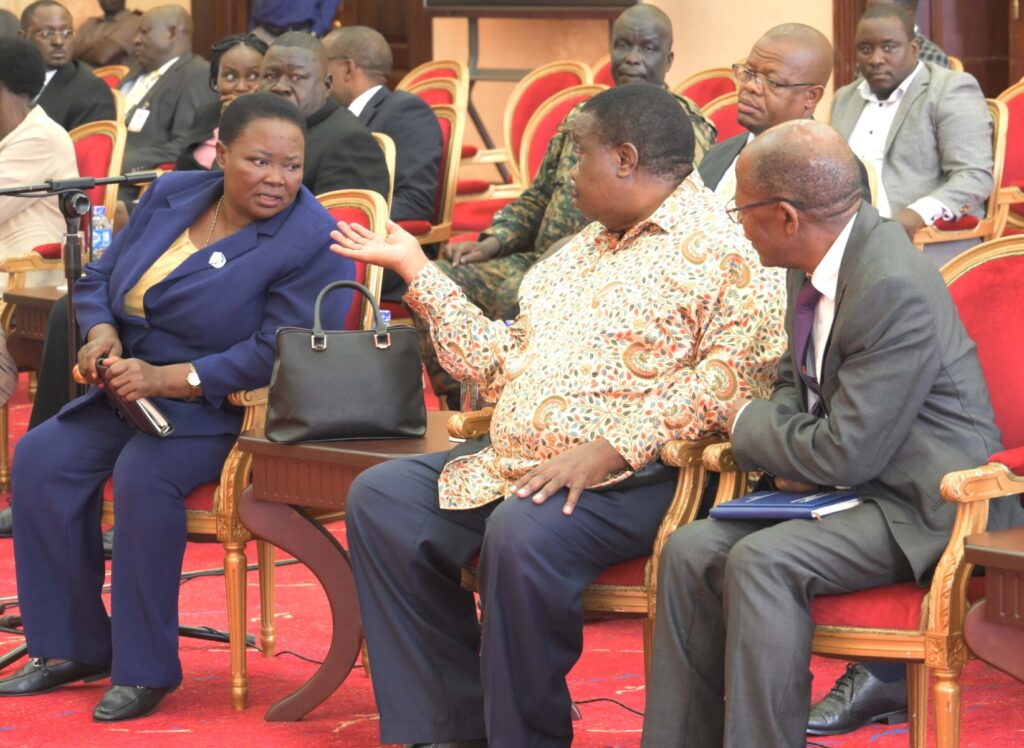
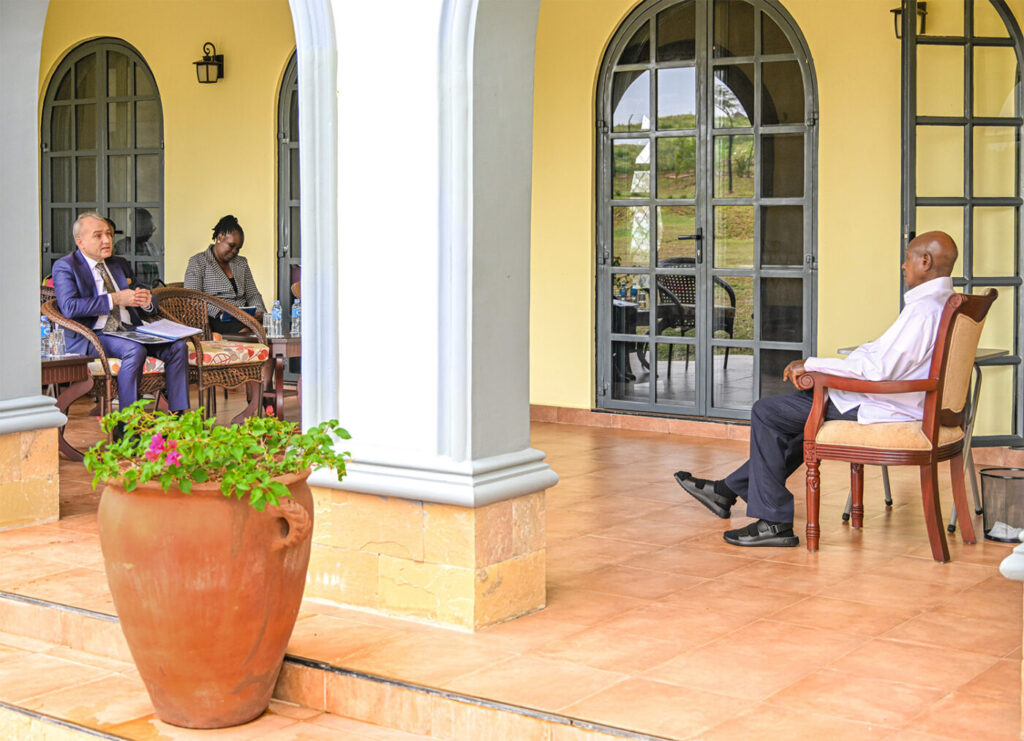
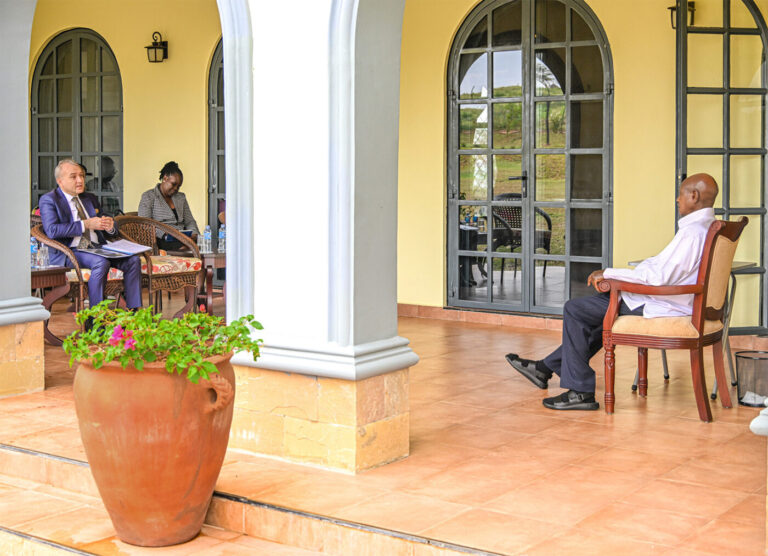
During a high-level meeting with the AFCON Local Organizing Committee (LOC) at State House, Entebbe, President Museveni emphasised Uganda’s determination to deliver a successful tournament alongside Kenya and Tanzania under the East African “Pamoja” initiative. The 2027 edition will be the first time Africa’s premier football competition is jointly hosted in the East African region. The President assured the committee that government will provide the necessary resources and ensure coordinated implementation across ministries, departments, and agencies to meet CAF’s infrastructure and operational timelines.
A key proposal presented during the meeting was the introduction of a Single East African AFCON Visa, which will enable football fans, participating teams, officials, tourists, and accredited visitors to travel seamlessly between Uganda, Kenya, and Tanzania throughout the tournament without requiring separate visas.
Rt. Hon. Robinah Nabbanja the Prime Minister of the Republic of Uganda, described the initiative as a strategic step towards enhancing the visitor experience and strengthening regional cooperation. She noted that simplified cross-border travel during the tournament shall boost tourism, facilitate movement across the three host countries, and showcase East Africa as an integrated destination capable of successfully hosting major international sporting events. President Museveni welcomed and endorsed the proposal, describing it as an important milestone in advancing regional integration and strengthening collaboration among the three co-hosting nations.
Providing an update on Uganda’s preparations, Prime Minister Nabbanja said government remains on course to complete all priority projects before the December 31, 2026 deadline. These include the upgrading of Mandela National Stadium, completion of designated training facilities, construction of the passenger terminal at Kabalega International Airport, improvement of road infrastructure around Hoima City Stadium and other host areas, as well as completion of the Busunju–Kiboga–Hoima Road.
The Acting Commissioner for Citizenship and Immigration Control, Col. Geoffrey Brian Kambere, informed the President that the proposed AFCON visa builds on an existing regional arrangement already operating between Uganda, Kenya, and Rwanda under the Coalition of the Willing framework. He explained that the objective is to extend the arrangement to Tanzania, allowing visitors to move freely across all three co-hosting countries during the tournament while promoting the broader vision of regional integration.
The Minister of State for Sports, Hon. Peter Ogwang, said preparations are being implemented through a whole-of-government approach, with ministries, departments, and agencies assigned clear responsibilities in line with CAF’s infrastructure delivery roadmap. He added that government institutions are working closely to ensure all projects are completed within the agreed timelines and international standards.
Meanwhile, the Minister of Finance, Planning and Economic Development, Hon. Henry Musasizi, reaffirmed government’s commitment to the timely release of funds for approved AFCON projects, while officials from the Ministry of Works and Transport assured the President that ongoing infrastructure works shall be completed as scheduled.
The 2027 AFCON presents Uganda, Kenya, and Tanzania with an opportunity to strengthen sports diplomacy, deepen regional integration, promote tourism, and expand economic cooperation. For Uganda, the tournament is expected to enhance the country’s international profile, attract investment, and showcase its tourism potential, culture, and hospitality. Long-term investments in sports facilities, transport, and urban infrastructure are expected to stimulate economic growth, create employment opportunities, support local businesses, strengthen youth sports development, and leave a lasting legacy that will benefit citizens well beyond the tournament.