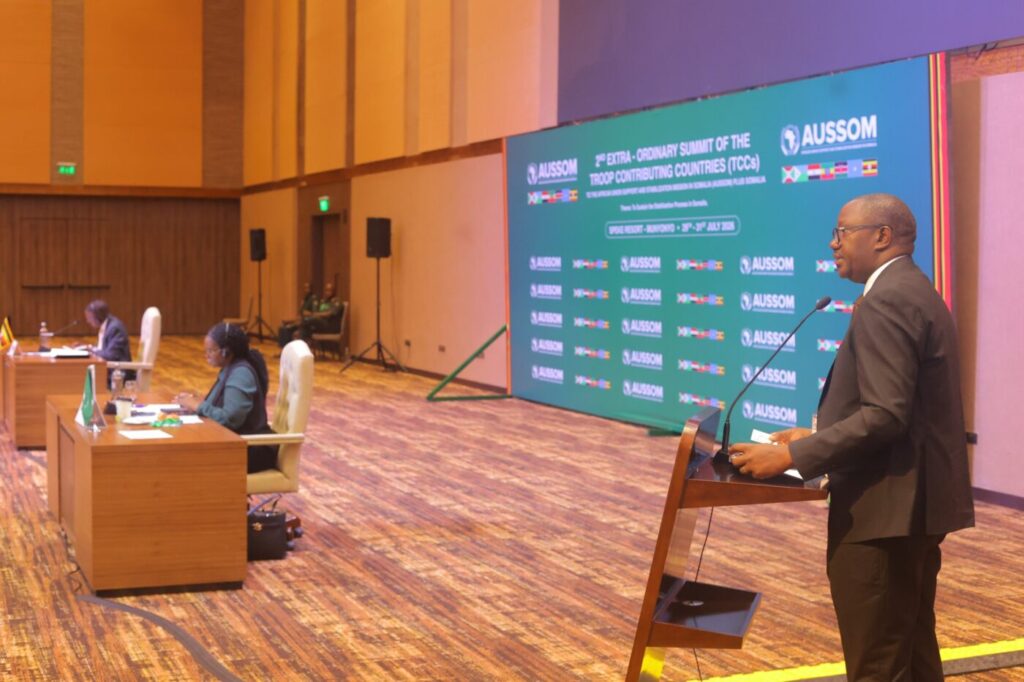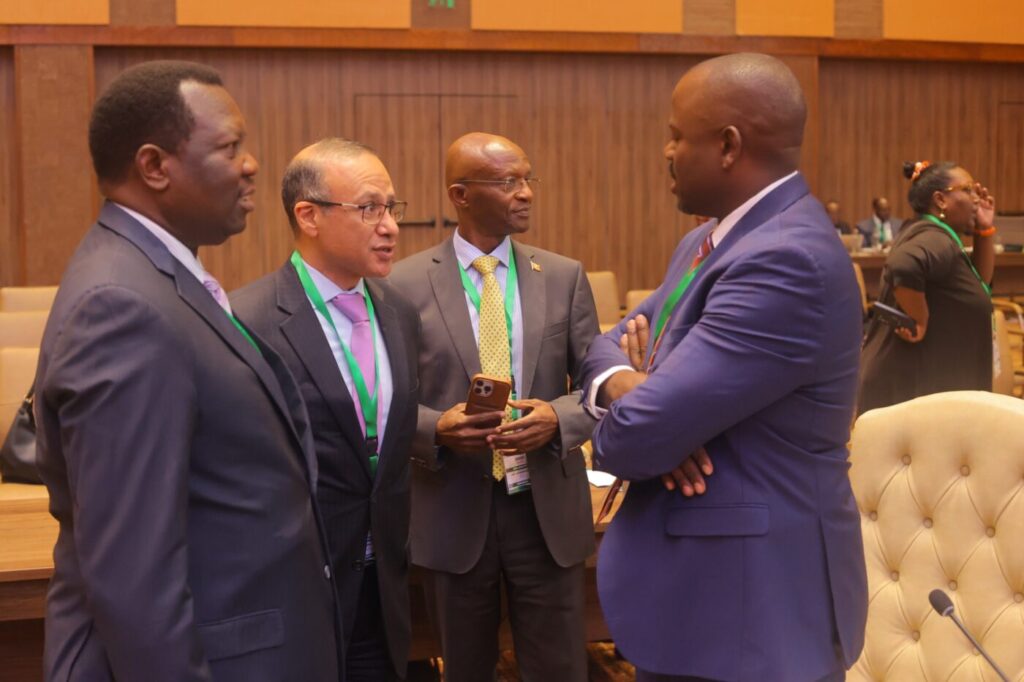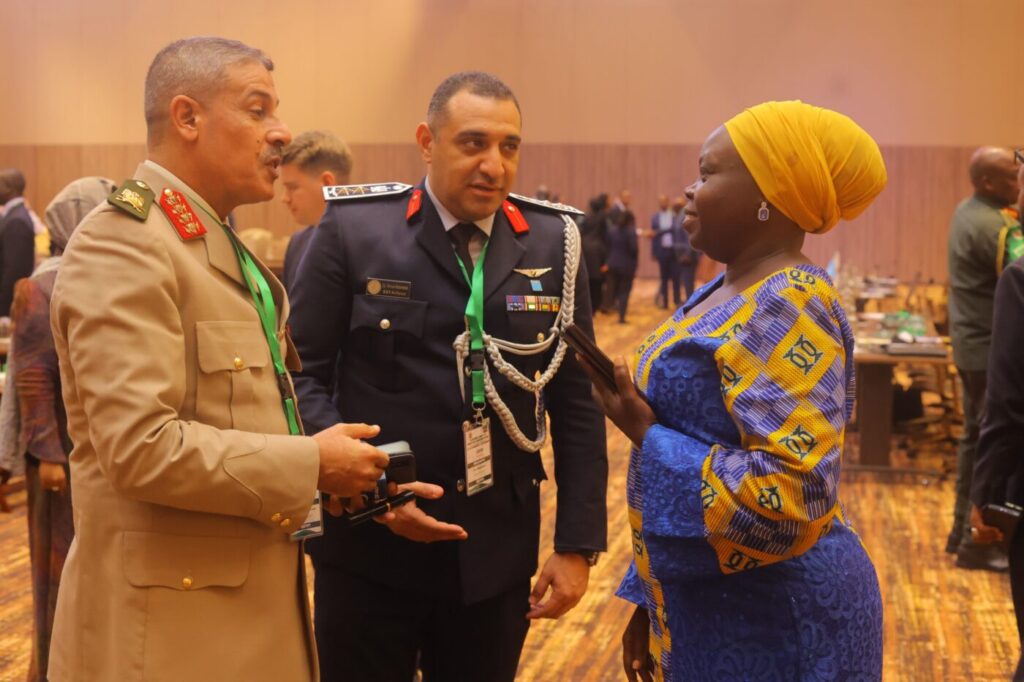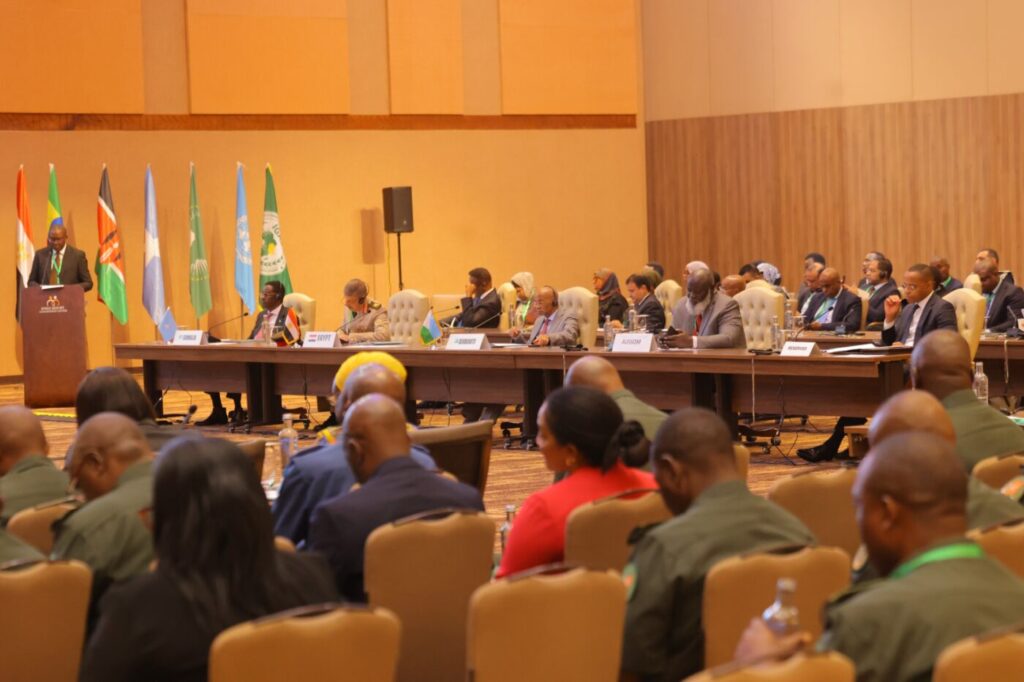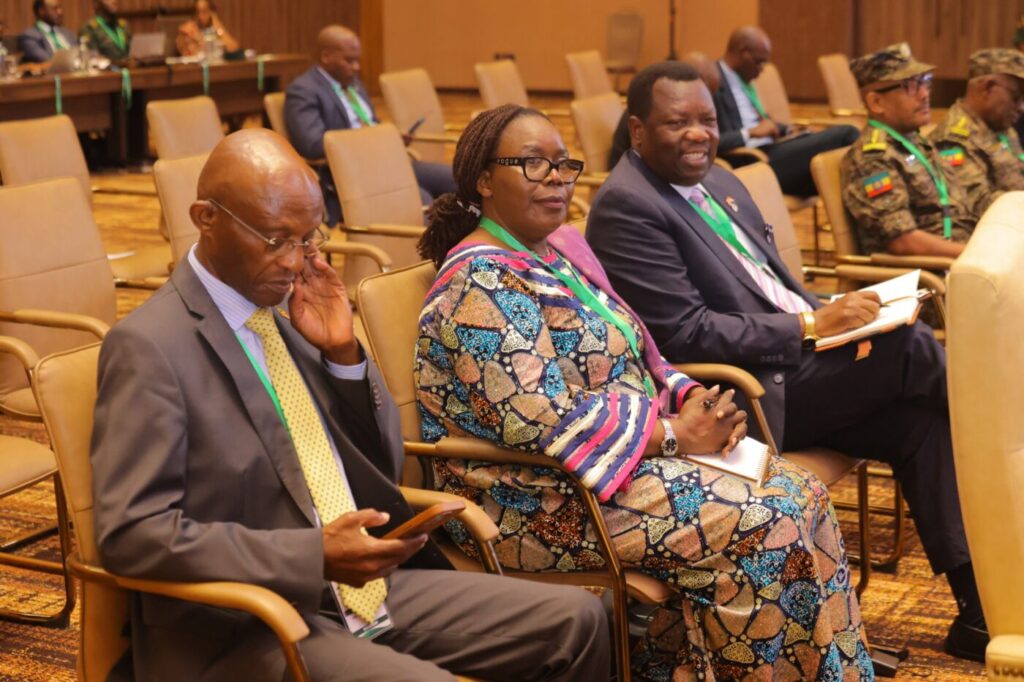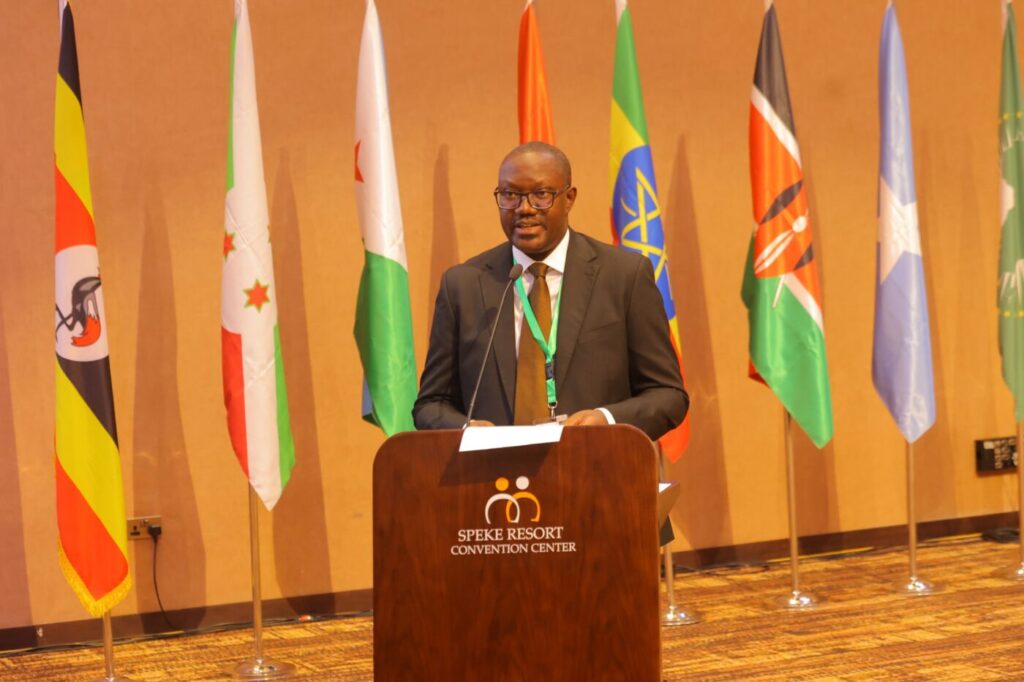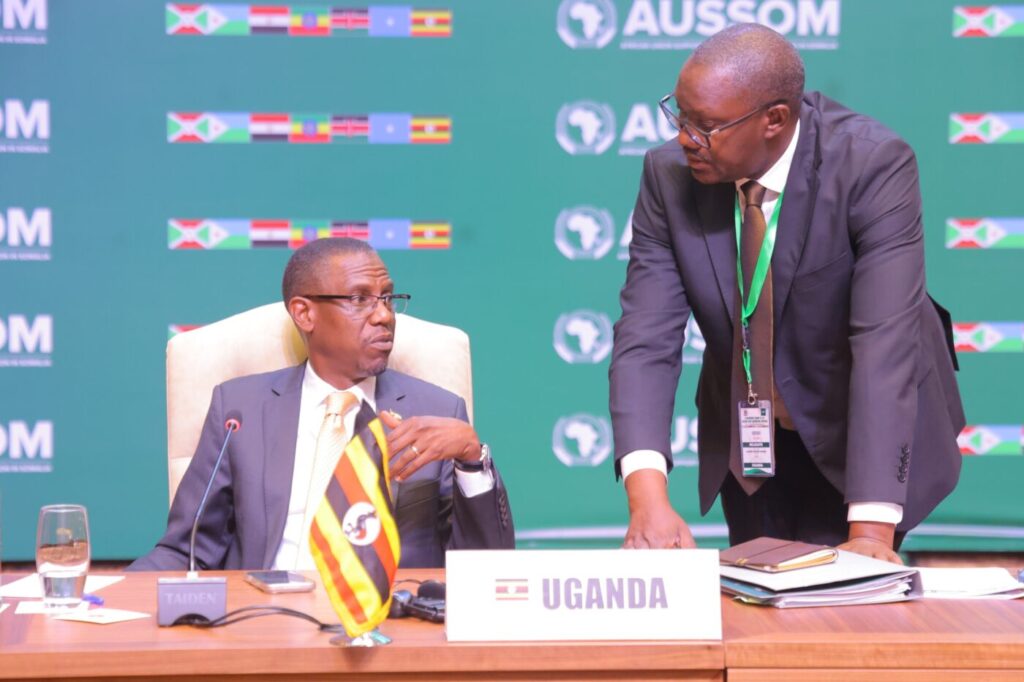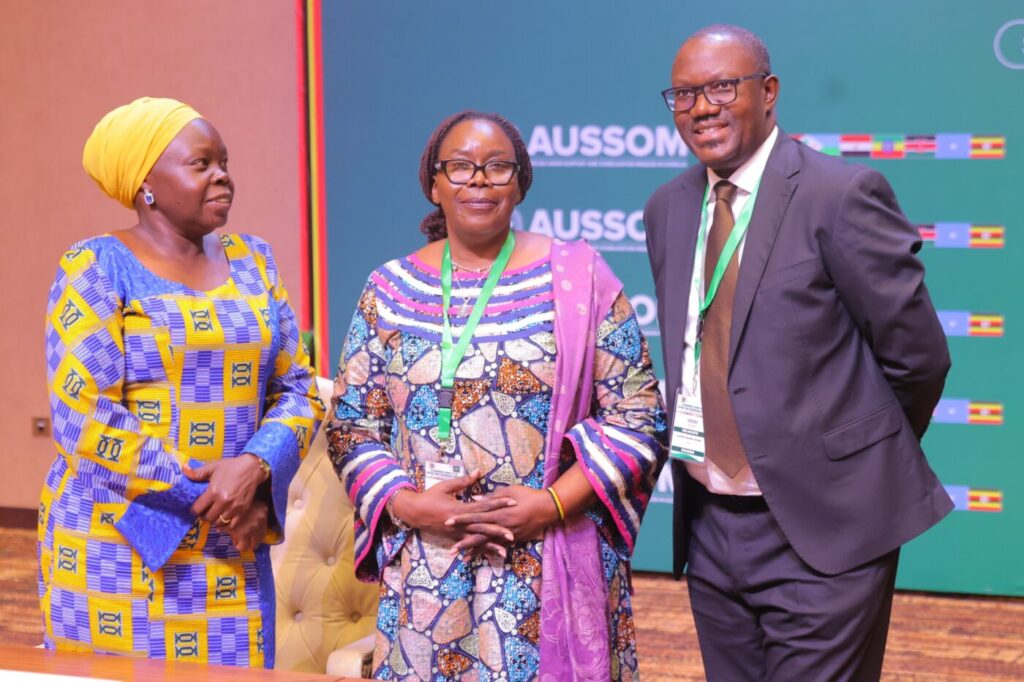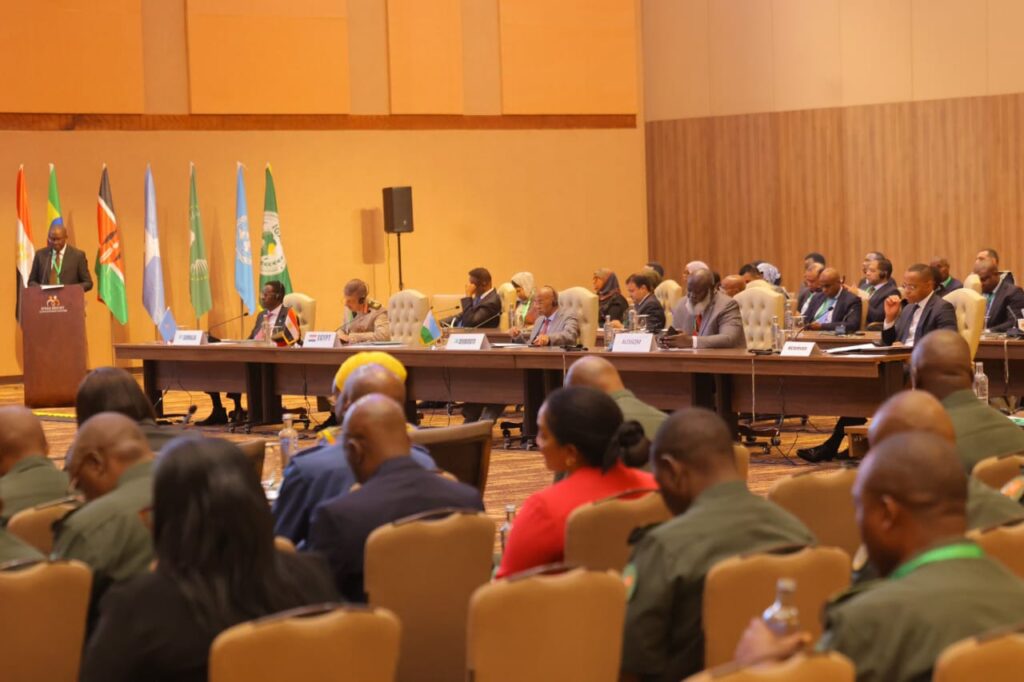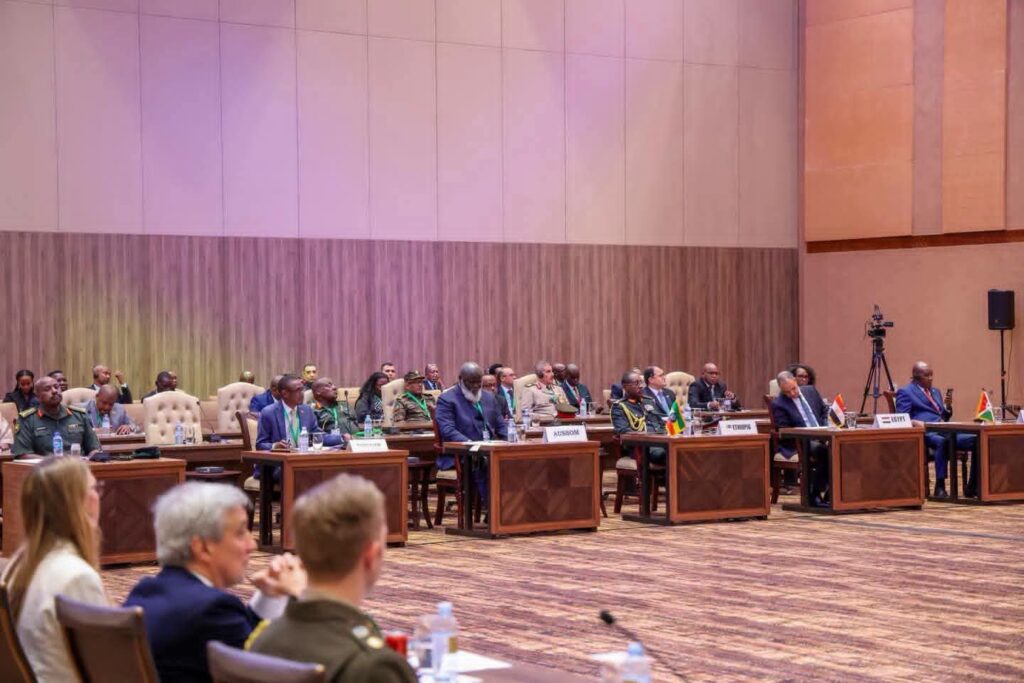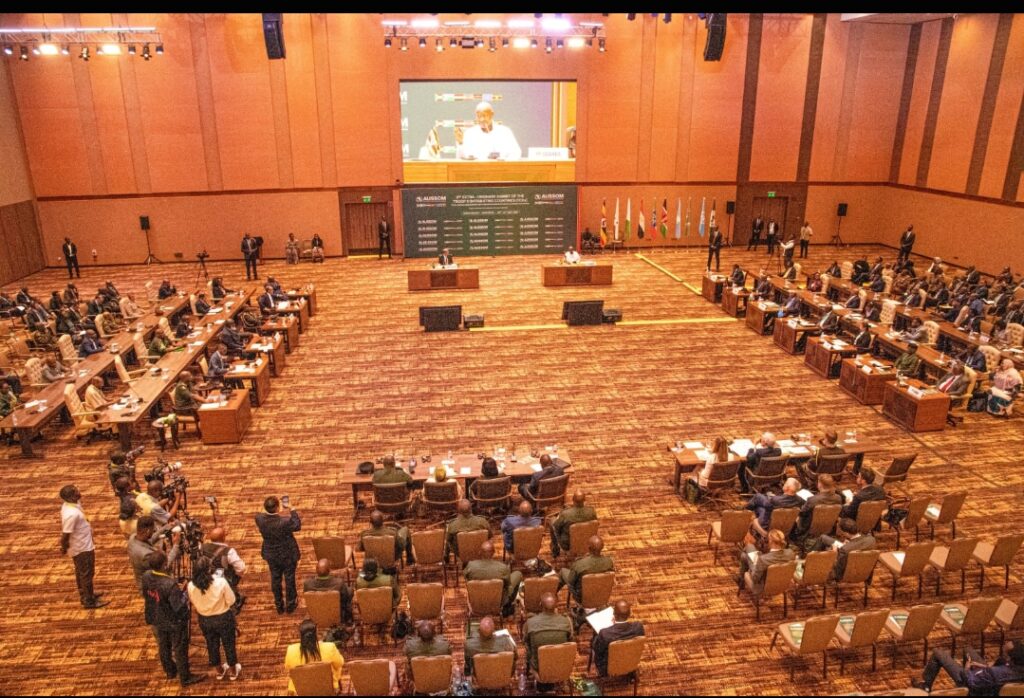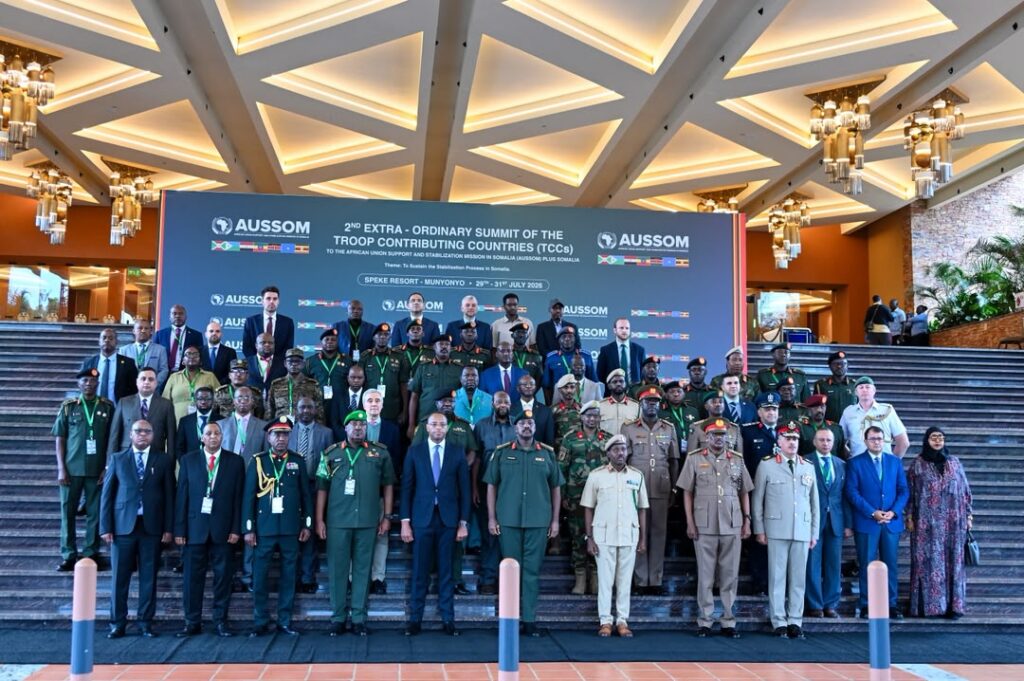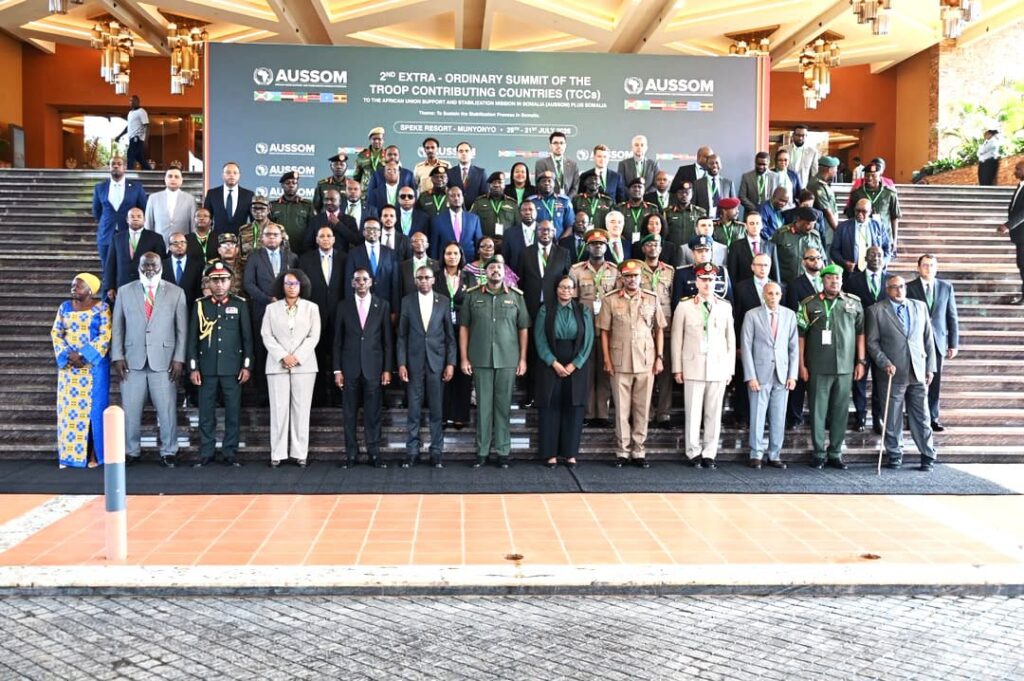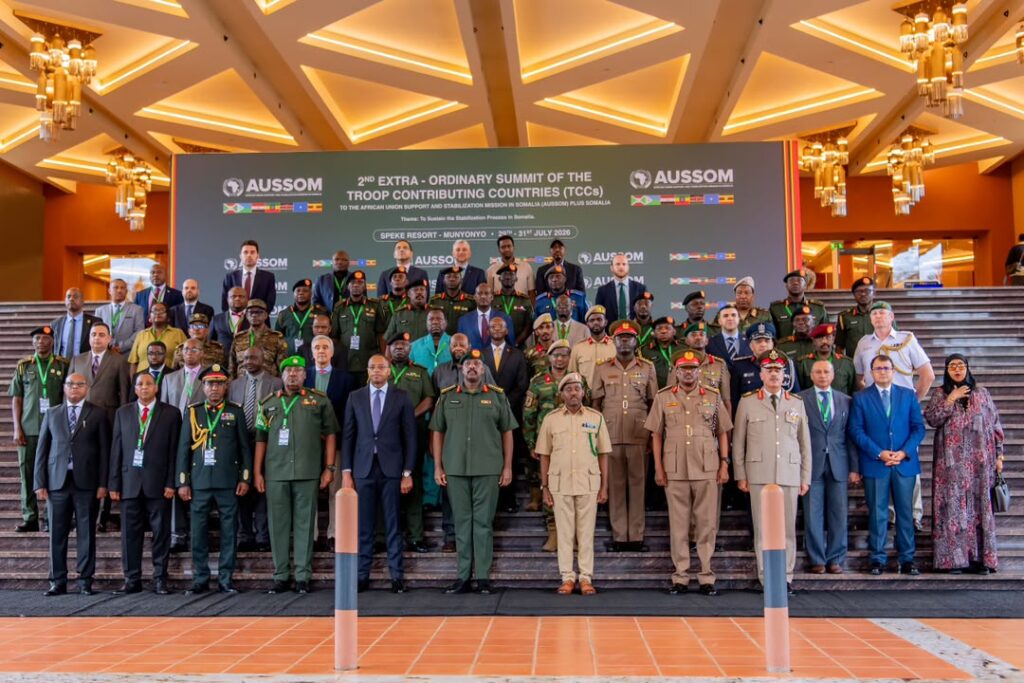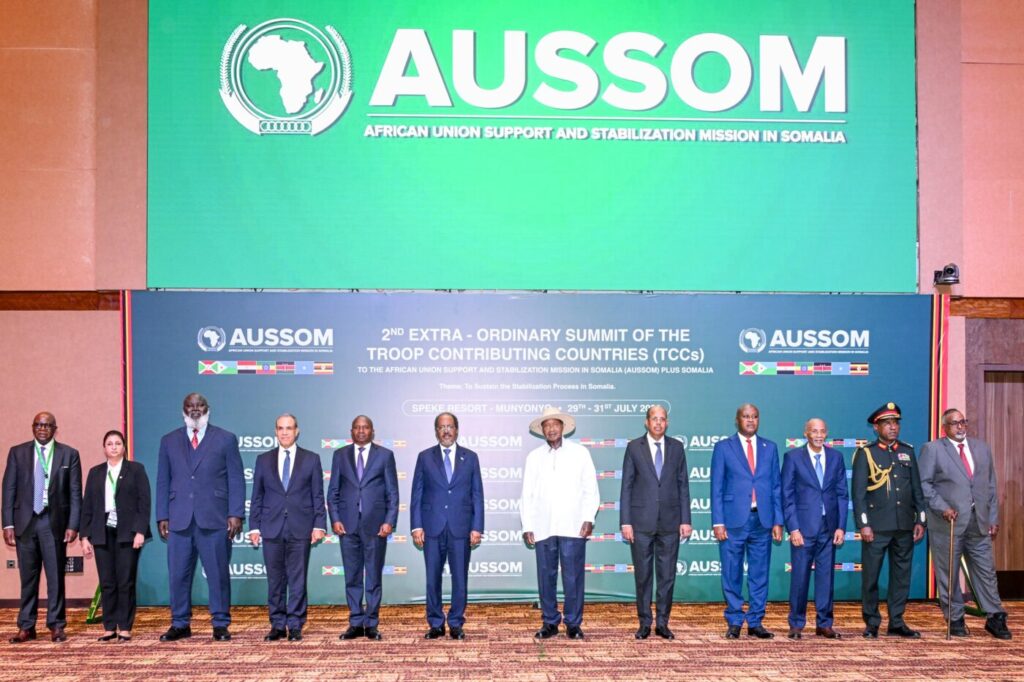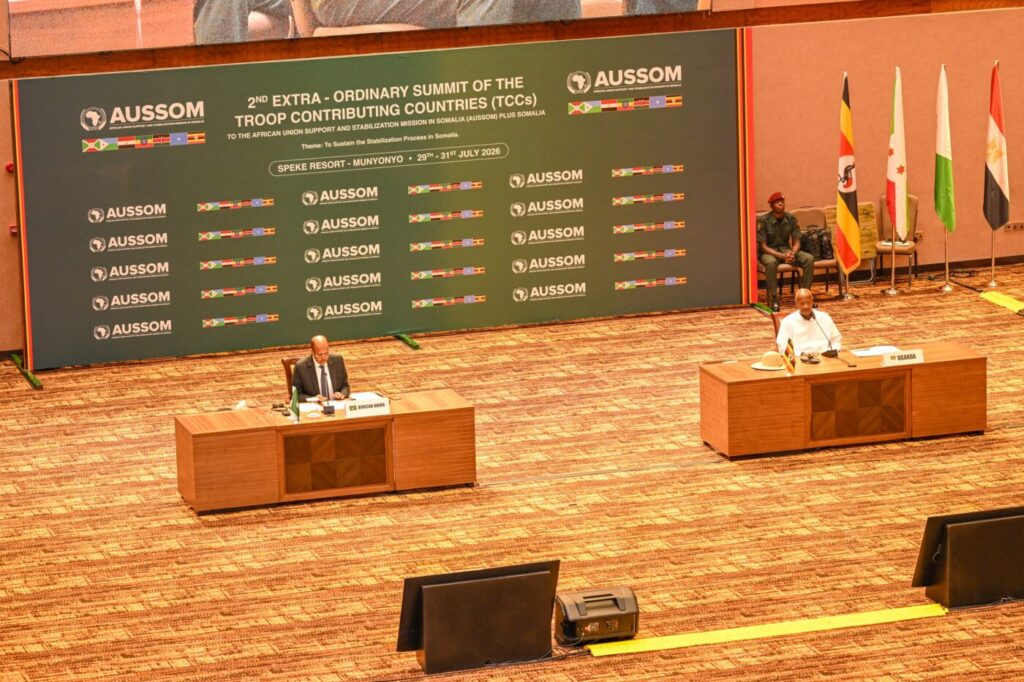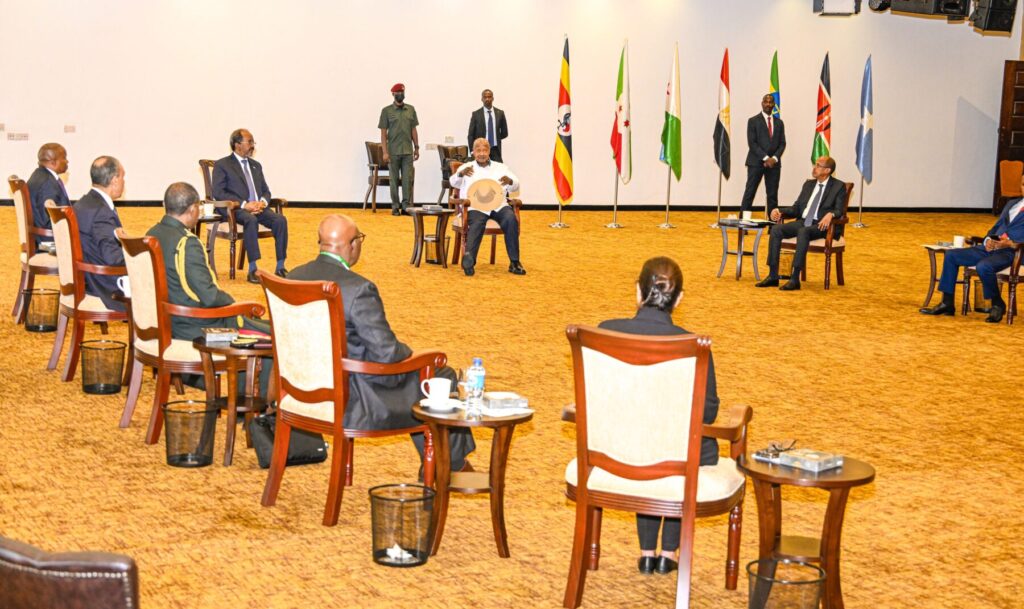
Kampala, Uganda – Uganda hosted the Second Extraordinary Summit of Heads of State and Government of Troop-Contributing Countries (TCCs) to the African Union Support and Stabilisation Mission in Somalia (AUSSOM), reaffirming Africa’s collective resolve to consolidate peace, strengthen regional security and support Somalia’s transition towards lasting stability through African-led solutions and strengthened international partnerships.
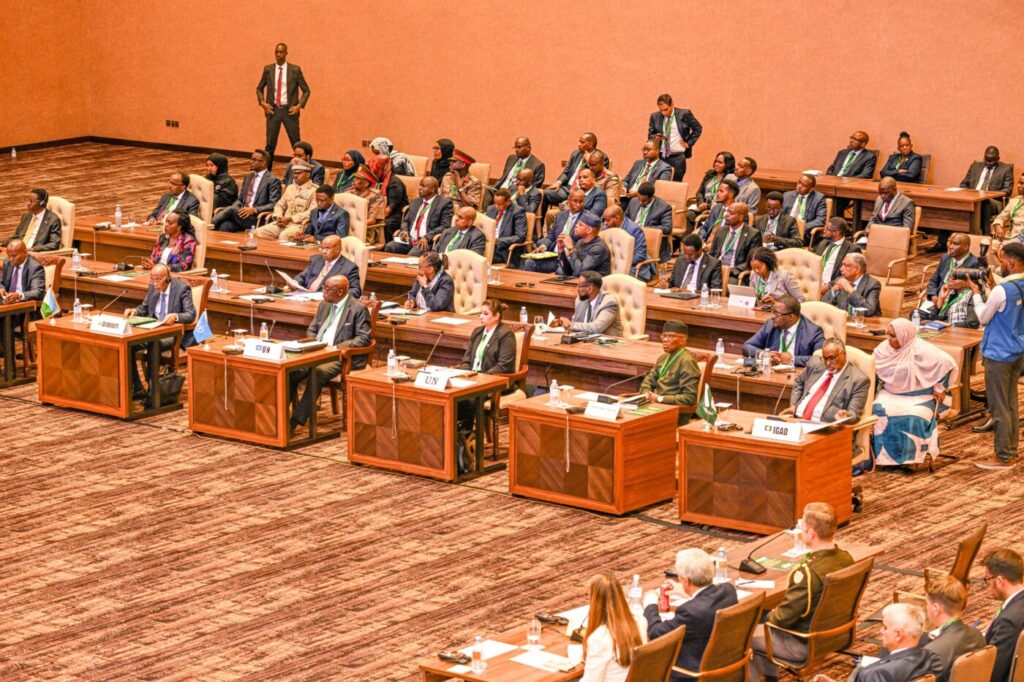
Convened under the theme “To Sustain the Stabilisation Process in Somalia,” the Summit brought together leaders of troop-contributing countries, senior officials of the African Union (AU), the United Nations (UN), the Intergovernmental Authority on Development (IGAD), and the Federal Government of Somalia to assess the evolving security environment and agree on strategic measures to safeguard the gains achieved through the African Union’s peace support operations.
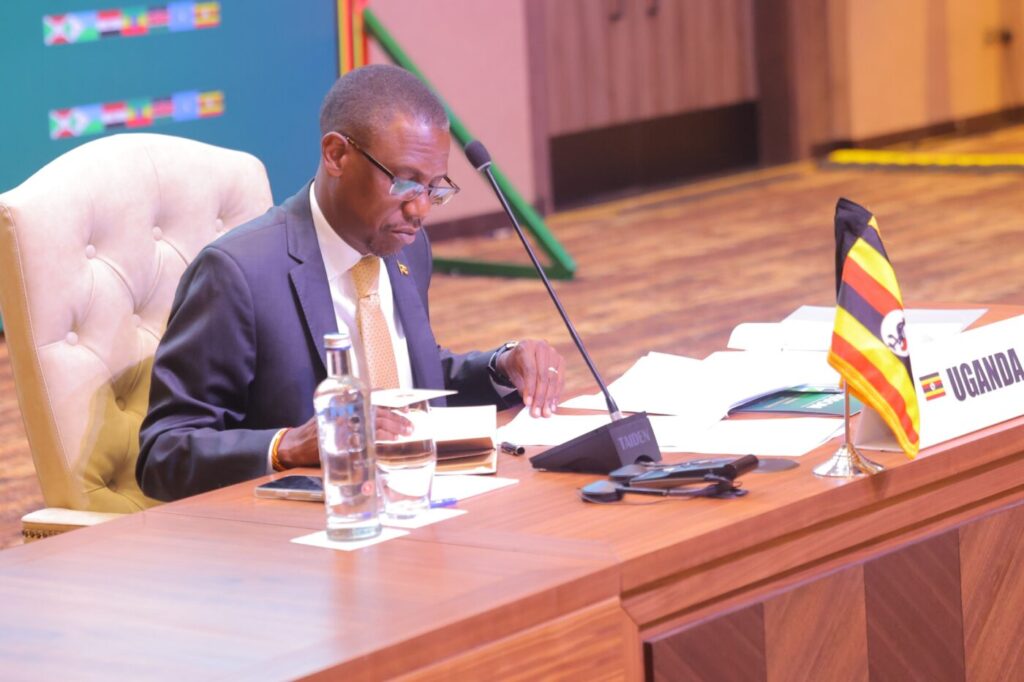
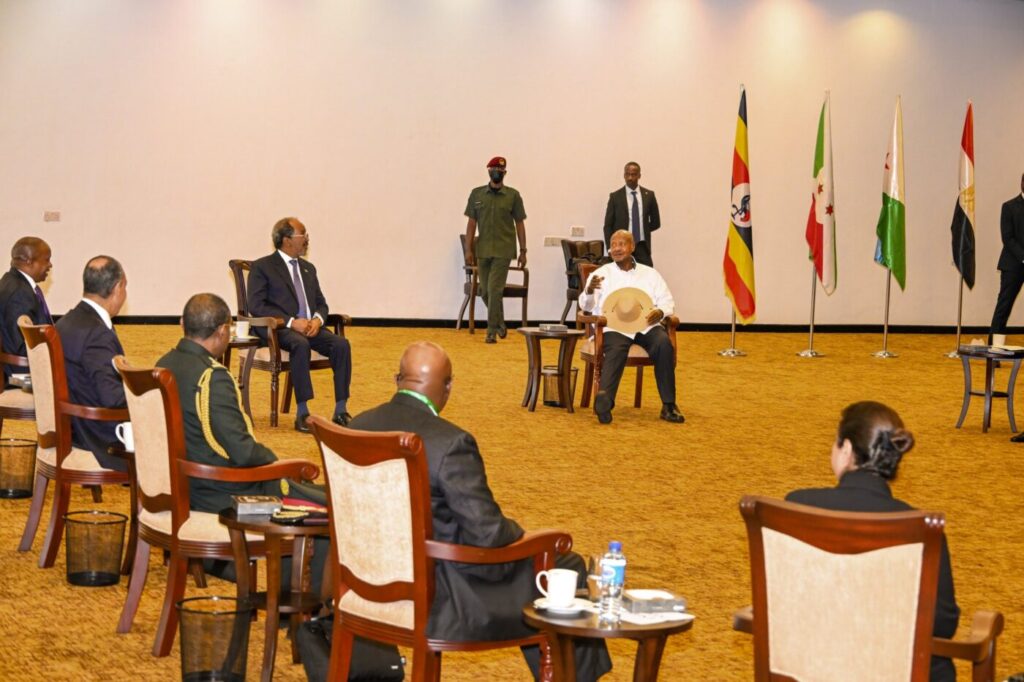
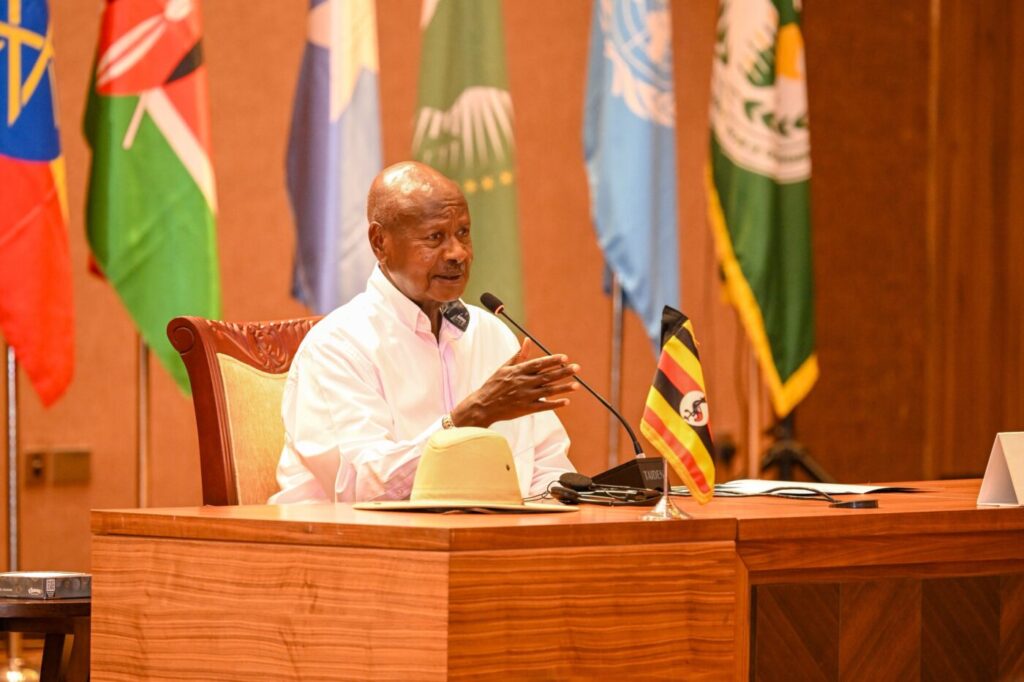
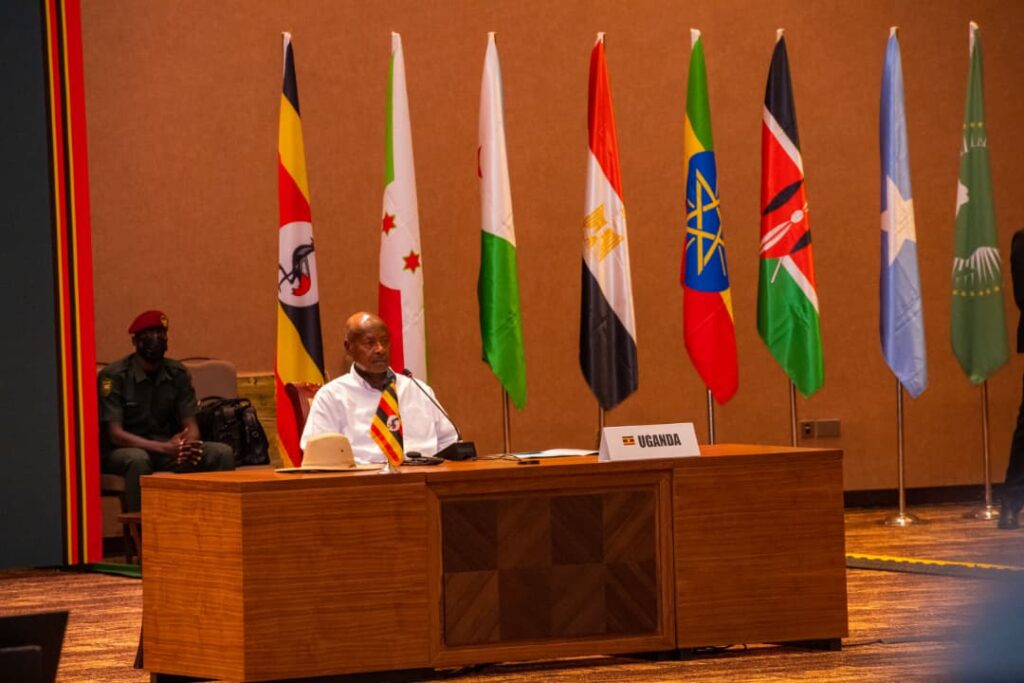
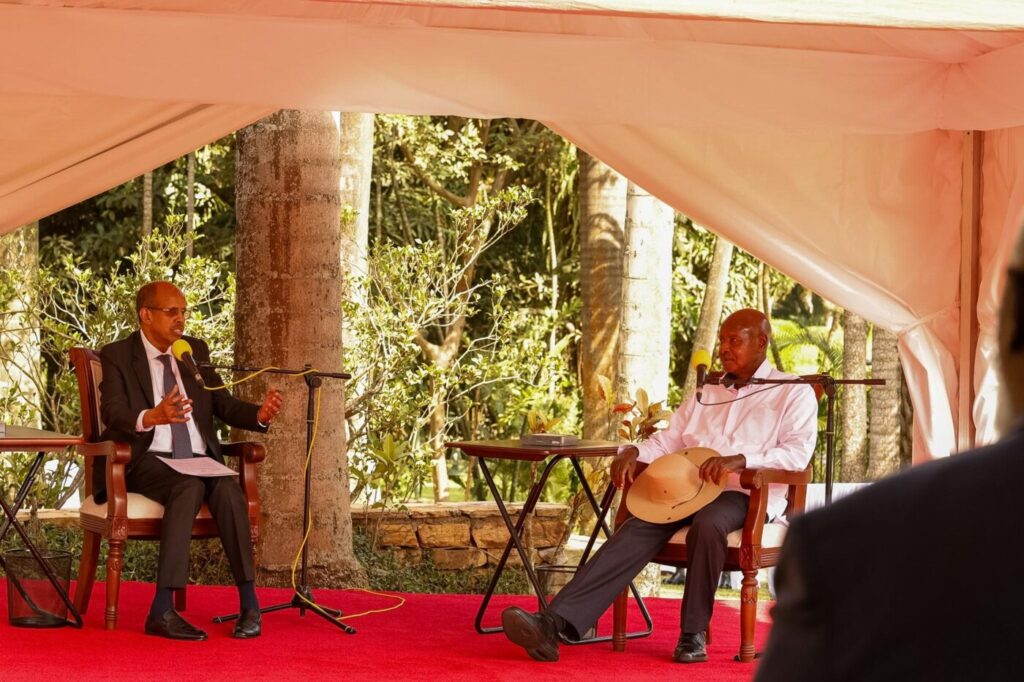
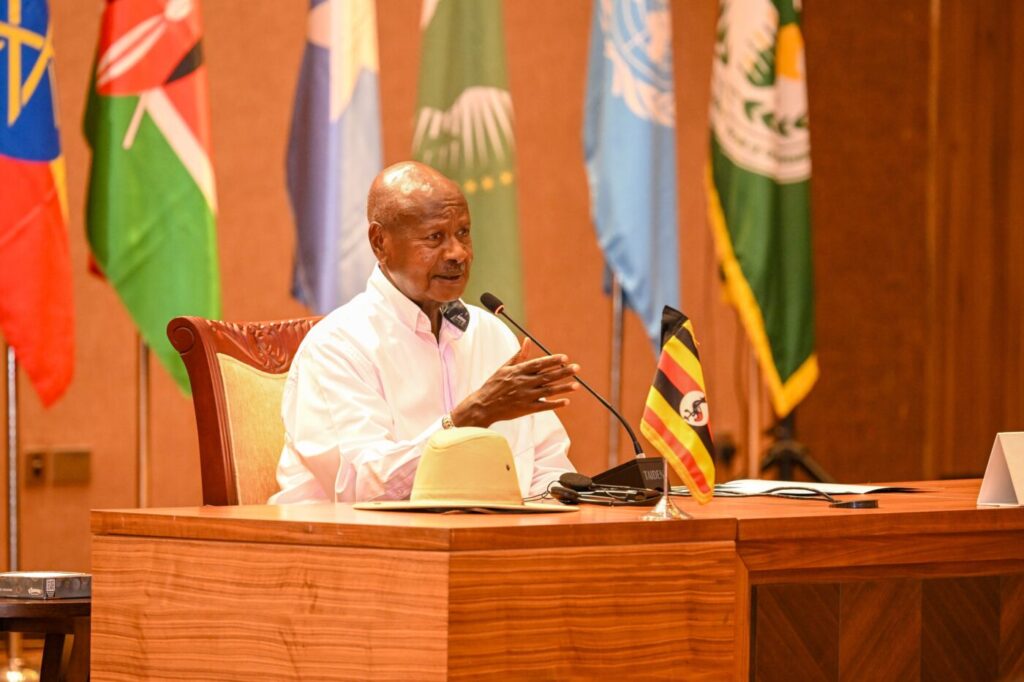
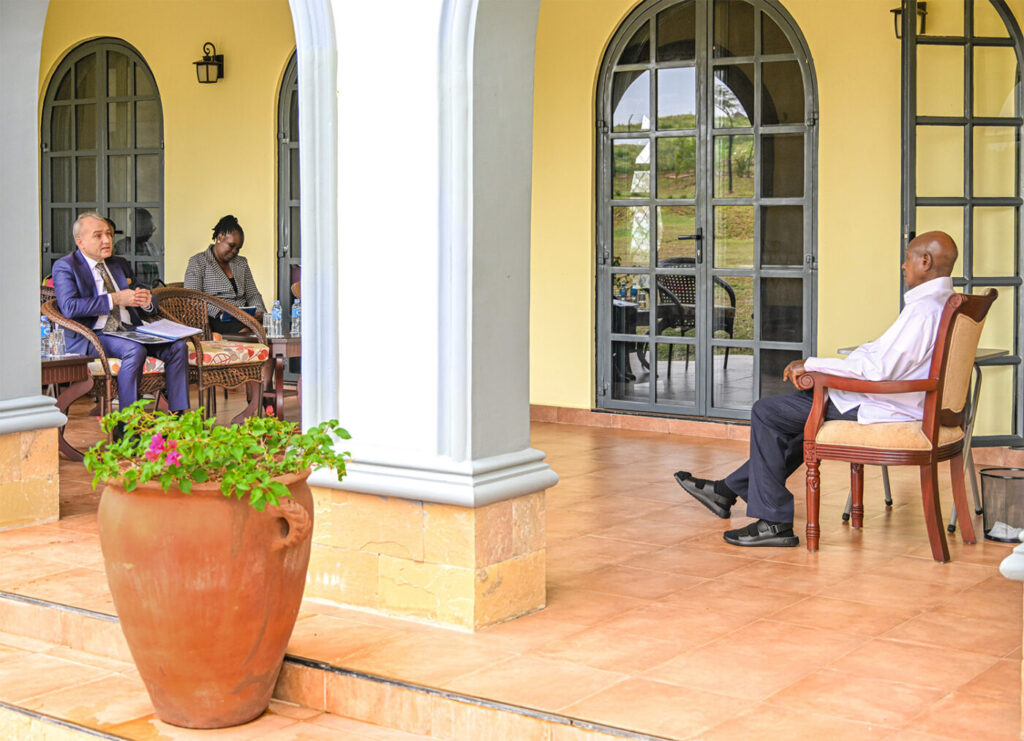
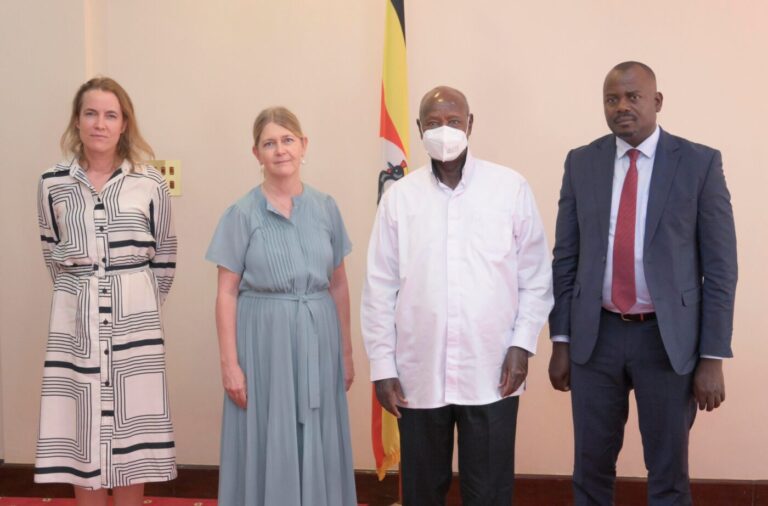
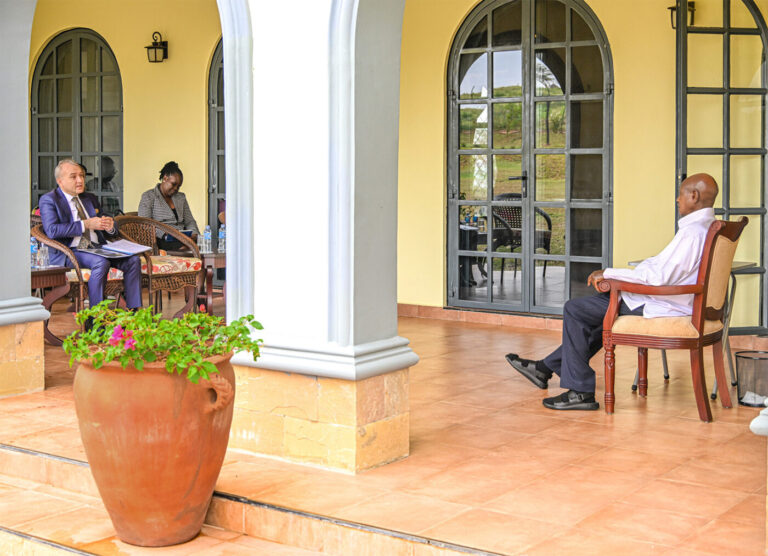
Presiding over the Summit, H.E. Yoweri Kaguta Museveni, President of the Republic of Uganda, reaffirmed Africa’s unwavering commitment to Somalia’s peace and security, emphasizing that Uganda’s engagement has always been driven by principle, solidarity and a shared responsibility for regional stability. President Museveni observed that Uganda’s decision to deploy troops to Somalia was guided by the recognition that instability anywhere in the region presents a collective security concern for the continent.
He underscored that Africa possesses both the determination and the capacity to sustain Somalia’s stabilisation process irrespective of changing international circumstances, stressing that African solidarity has consistently enabled the continent to confront complex security challenges and must continue to guide collective action. The President further emphasized that sustainable peace extends beyond military operations and requires strong national institutions, inclusive governance, political cohesion, economic recovery and continued investment in Somalia’s security architecture.
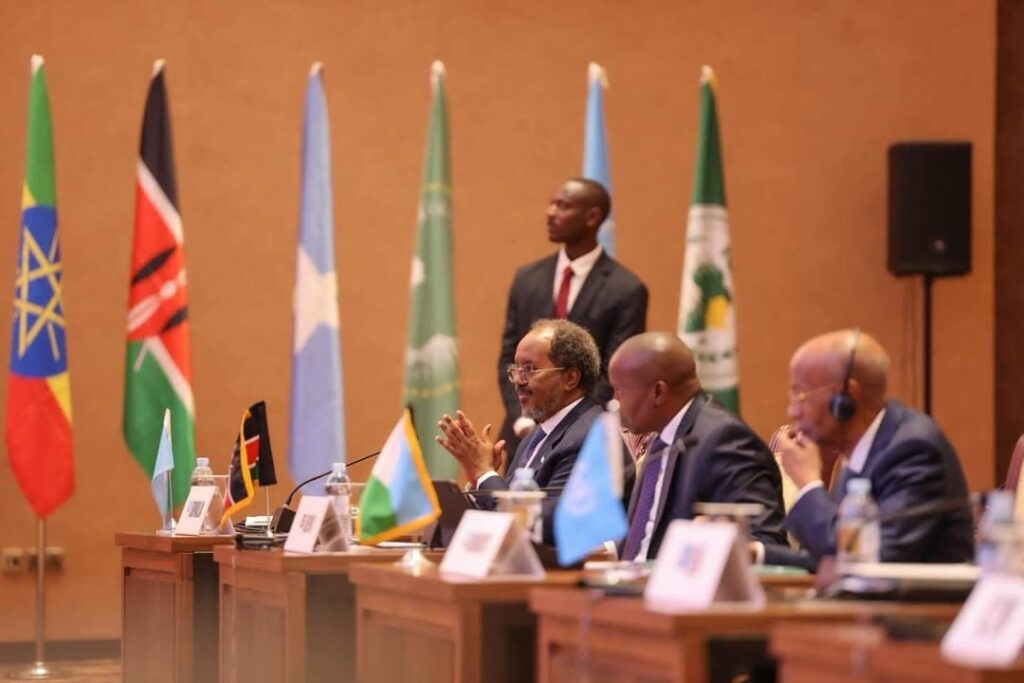
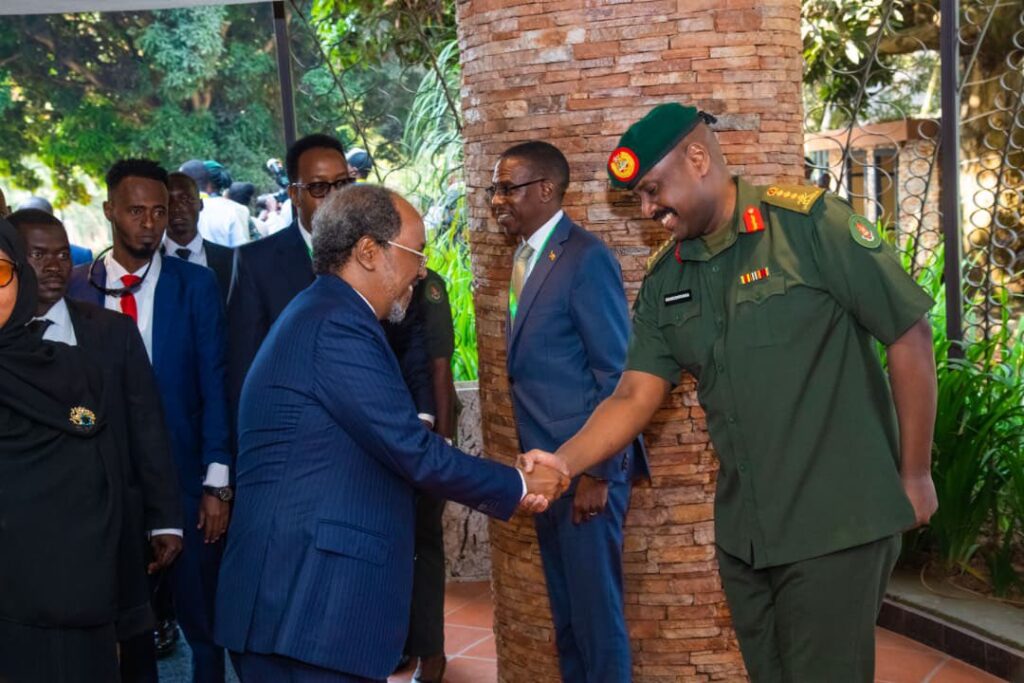
The Summit was attended by H.E. Hassan Sheikh Mohamud, President of the Federal Republic of Somalia, who expressed profound appreciation to President Museveni and the Government of Uganda for convening the Extraordinary Summit at a critical moment in Somalia’s security transition. President Mohamud commended Uganda’s longstanding contribution to Somalia’s peace and stabilisation, describing Uganda as one of Somalia’s most dependable partners in advancing security, institution-building and regional cooperation. He called upon African leaders and international partners to maintain coordinated political, financial and operational support to ensure that Somalia’s transition towards self-reliant national security institutions remains irreversible.
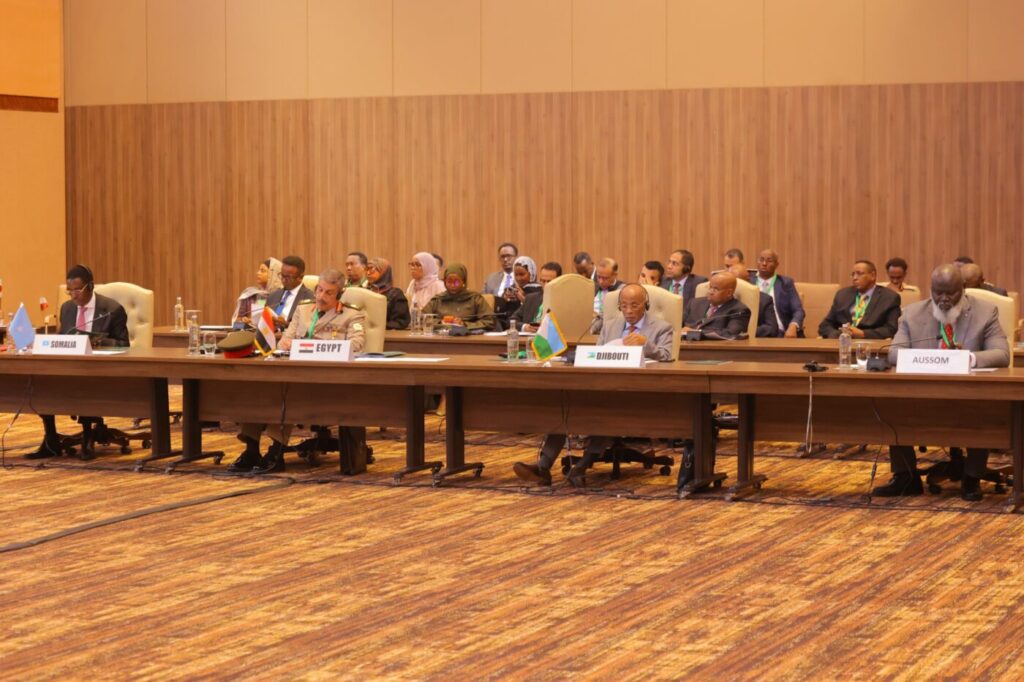
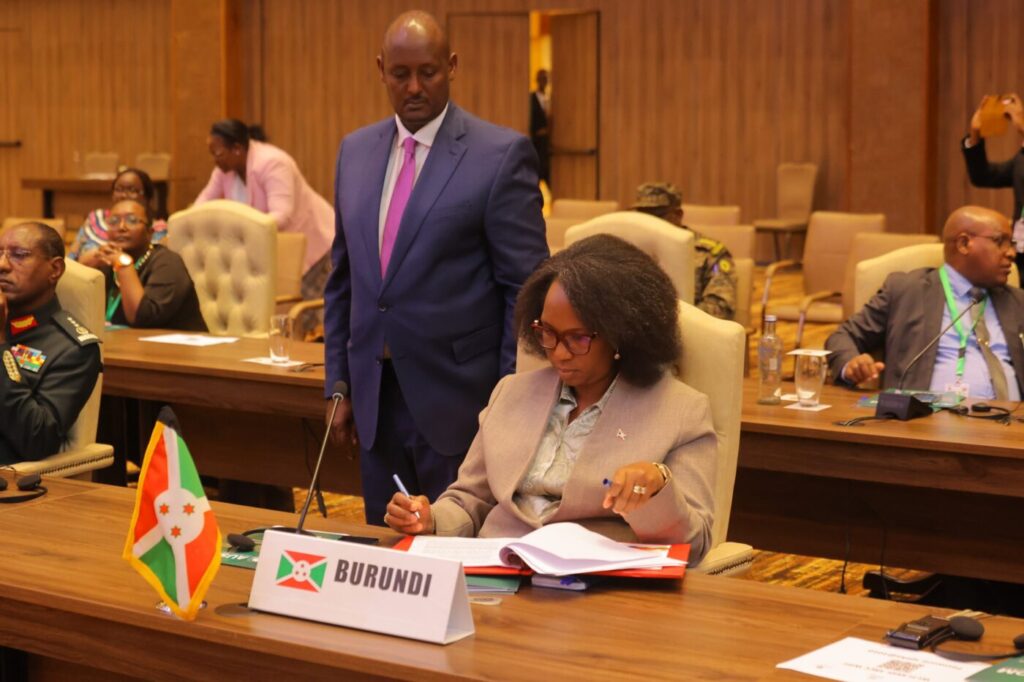
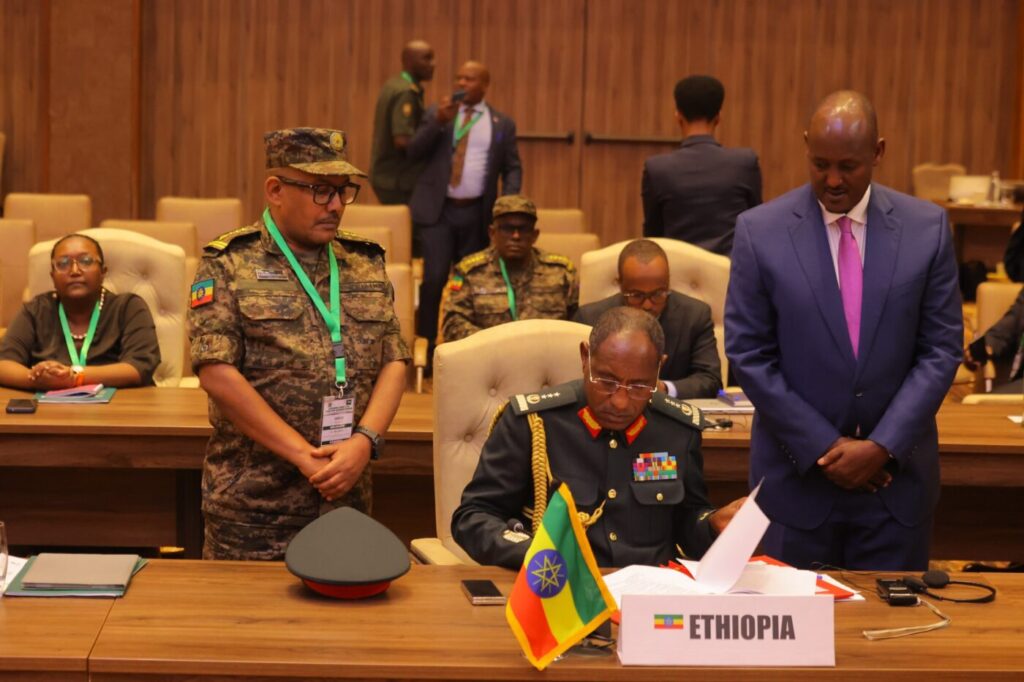
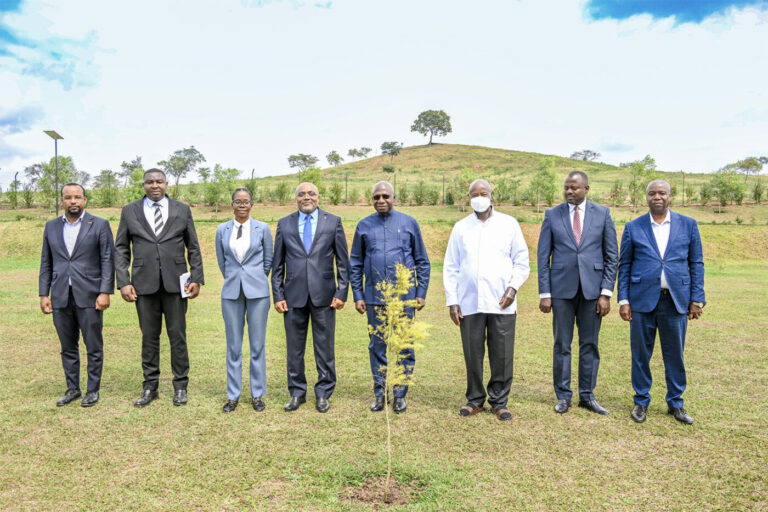
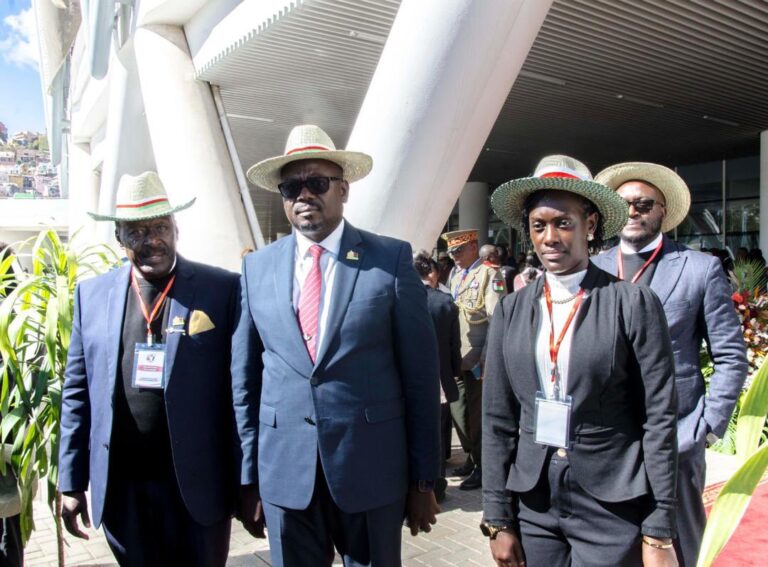
The Summit was further attended by H.E. Prosper Bazombanza, Vice President of the Republic of Burundi; H.E. Omar Abdi Said, Minister of Interior and Acting Minister of Defence of the Republic of Djibouti; H.E. Dr. Badr Abdel Atty, Minister of Foreign Affairs of the Arab Republic of Egypt; Lt. Gen. Tigabu Yilma Wondimhunegn, Special Envoy of the Federal Democratic Republic of Ethiopia; and H.E. Prof. Kithure Kindiki, Deputy President of the Republic of Kenya, reflecting the shared commitment of Troop-Contributing Countries to Somalia’s peace and security.
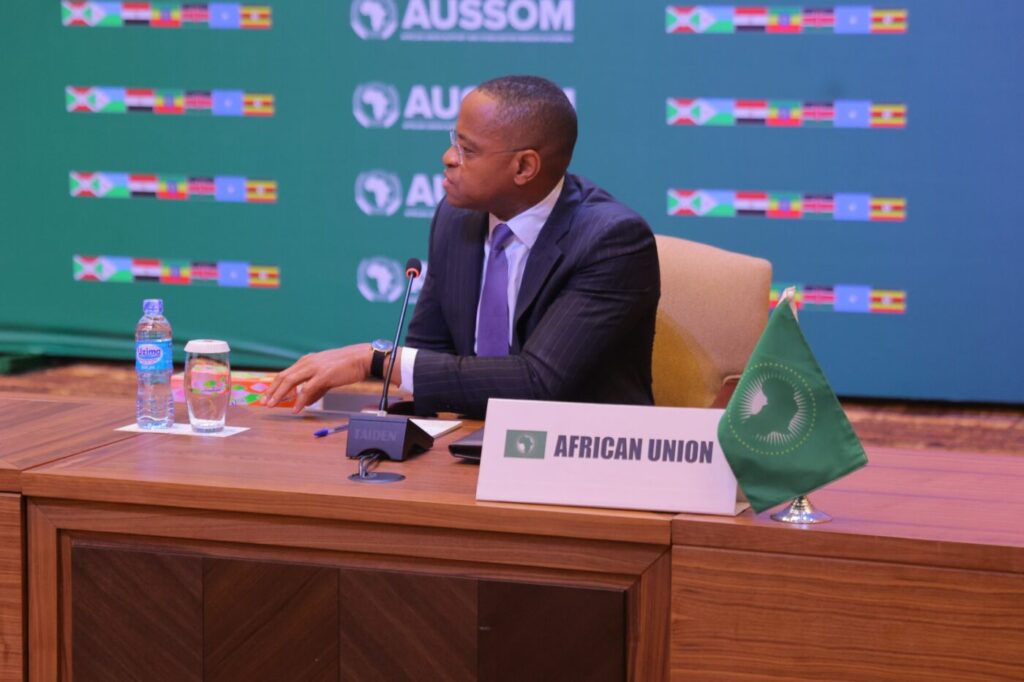
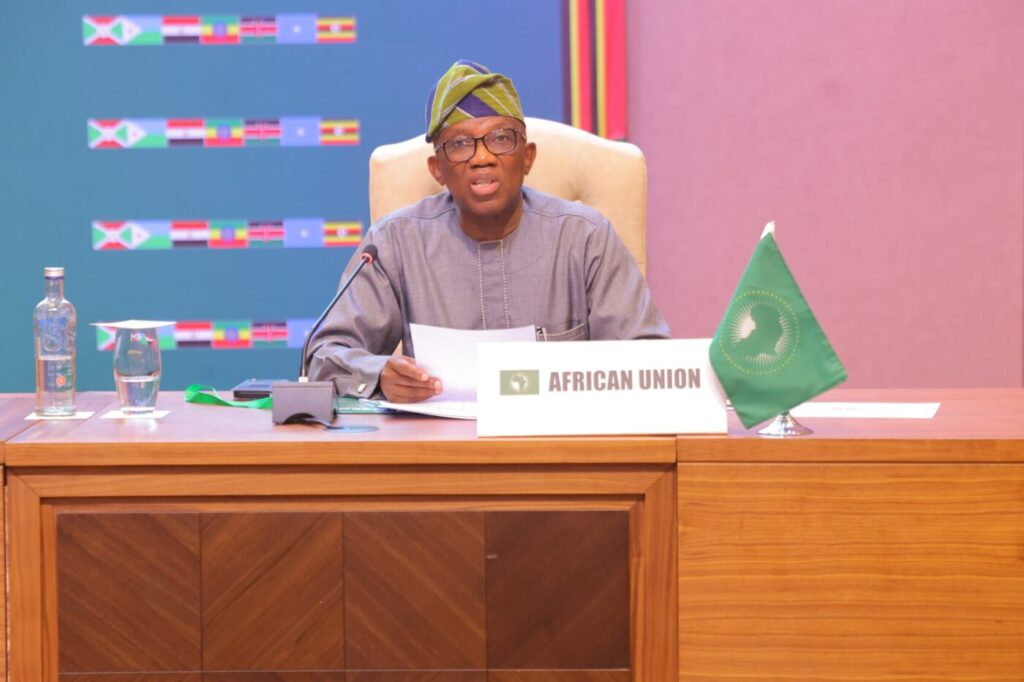
Representing the African Union, H.E. Mahmoud Ali Youssouf, Chairperson of the African Union Commission, reaffirmed the Commission’s commitment to supporting Somalia’s stabilisation and emphasized that preserving the gains achieved over the past years requires sustained political commitment, stronger coordination among Member States and predictable, sustainable financing for AUSSOM. He noted that peace and stability in Somalia remain fundamental to the security and prosperity of the Horn of Africa and the African continent.
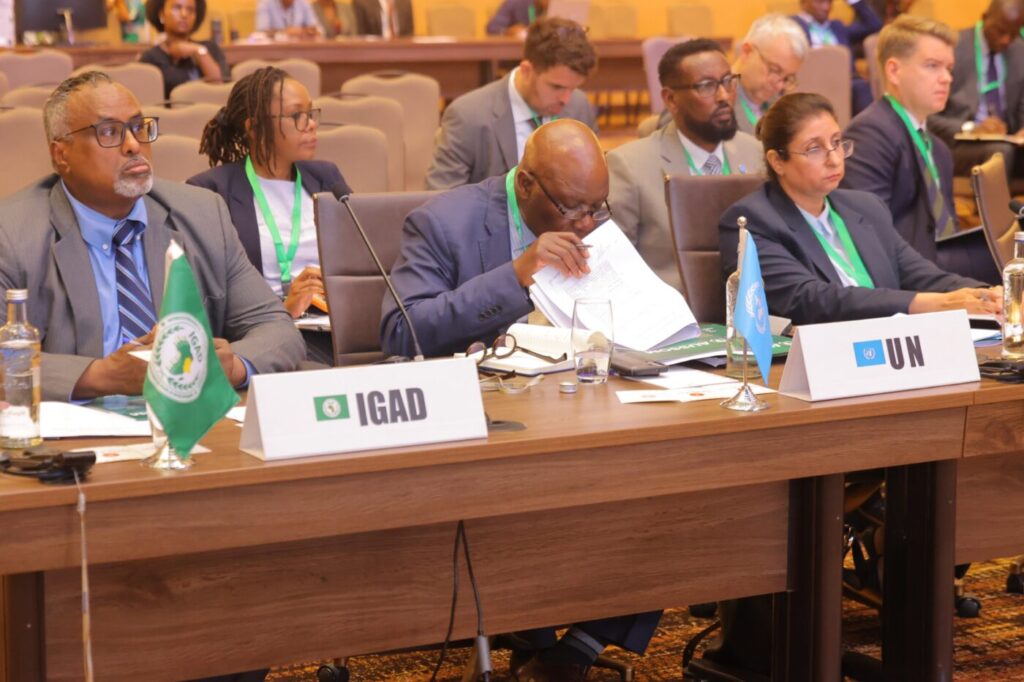
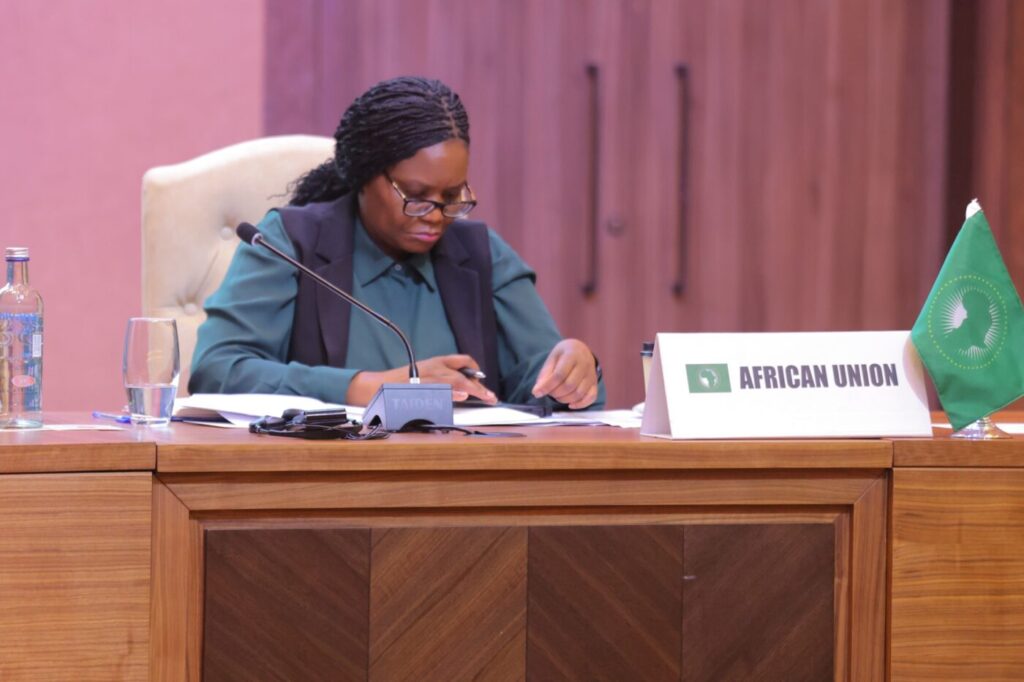
The Summit also benefited from the participation of H.E. Ambassador Bankole Adeoye, AU Commissioner for Political Affairs, Peace and Security; Mr. Mohamed Abdi Ware, Deputy Executive Secretary of IGAD; Mr. Raisedon Zenenga, Officer-in-Charge of the United Nations Transition Mission in Somalia (UNTMIS); and H.E. Ms. Qurat-Ul-Ain Sadozai, Acting Assistant Secretary-General and Head of the United Nations Support Office in Somalia (UNSOS). Collectively, they reaffirmed the importance of continued multilateral cooperation in supporting Somalia’s security transition through coordinated political engagement, institutional strengthening and sustainable international support.
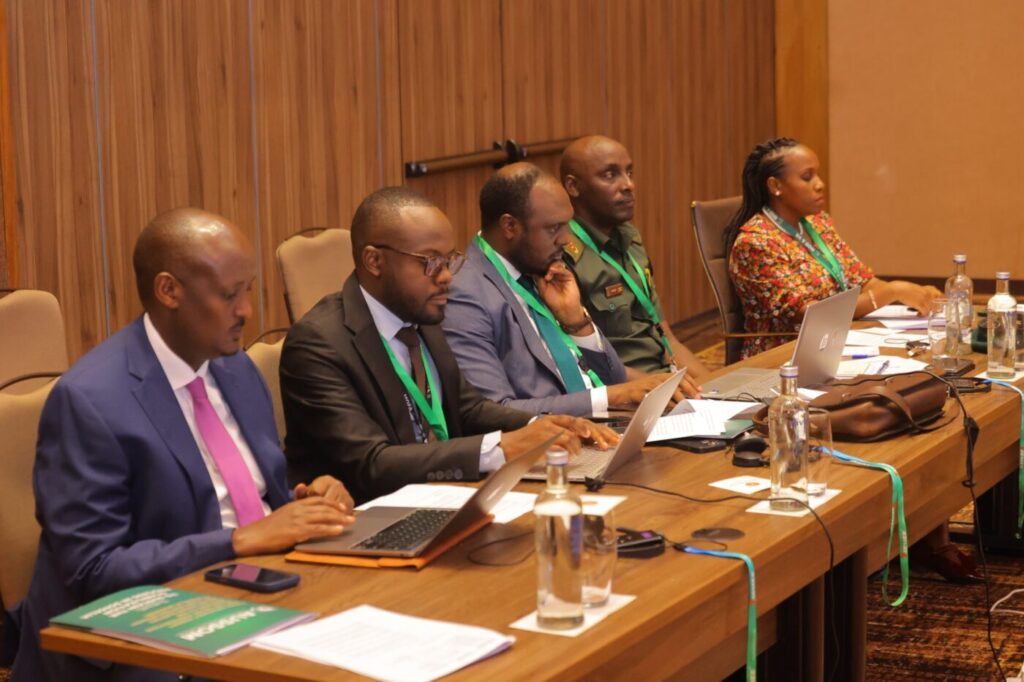
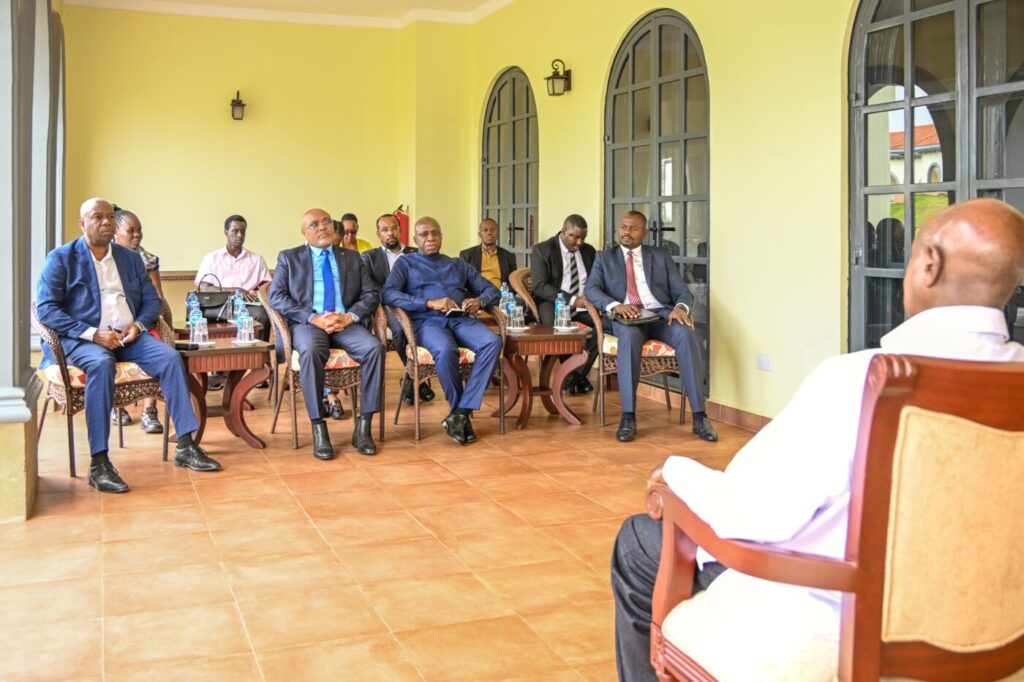
During a closed session, the Heads of State and Government considered reports presented by the Chiefs of Defence Forces and Ministers of Defence of the Troop-Contributing Countries. The reports reviewed the political and security situation in Somalia, the operational readiness of the Somali Security Forces, progress in force generation and force integration, AUSSOM deployments, operational capabilities, intelligence cooperation, air assets and future mission support arrangements.
Following extensive deliberations, the Heads of State adopted a series of strategic decisions aimed at preserving the operational effectiveness of AUSSOM while supporting Somalia’s transition towards nationally owned security institutions. The Summit commended the Troop-Contributing Countries for their continued sacrifice and unwavering commitment in combating terrorism and promoting regional peace and stability. Leaders paid tribute to the brave men and women who lost their lives or sustained injuries while serving under successive African Union peace support missions in Somalia, recognising their contribution to regional peace and collective security.
Recognising the importance of sustainable financing, the Summit mandated the Ministers of Foreign Affairs of the Troop-Contributing Countries, working closely with the Federal Government of Somalia and the African Union Commission, to establish a Joint Task Force to undertake coordinated diplomatic engagement aimed at mobilising predictable and sustainable financial support for AUSSOM during the transition period, including preparations for a high-level partners’ and donors’ conference. The Summit further reaffirmed the importance of preserving Somalia’s sovereignty, unity and territorial integrity while strengthening democratic governance, rebuilding public confidence in state institutions and promoting inclusive politics founded on national cohesion and shared responsibility.
The political decisions adopted by the Heads of State were informed by the recommendations of the Meeting of Ministers of Defence, held on 30 July 2026 under the chairmanship of Hon. Kiryowa Kiwanuka, Uganda’s Minister of Defence and Veteran Affairs. The Ministers considered the strategic recommendations submitted by the Chiefs of Defence Forces and reviewed key issues relating to force generation, institutional capacity-building, intelligence and surveillance capabilities, enhancement of air assets, sustainable financing and future mission support arrangements. They reaffirmed that preserving operational continuity during Somalia’s security transition remains essential to preventing security vacuums that could undermine the significant gains achieved through collective regional efforts.
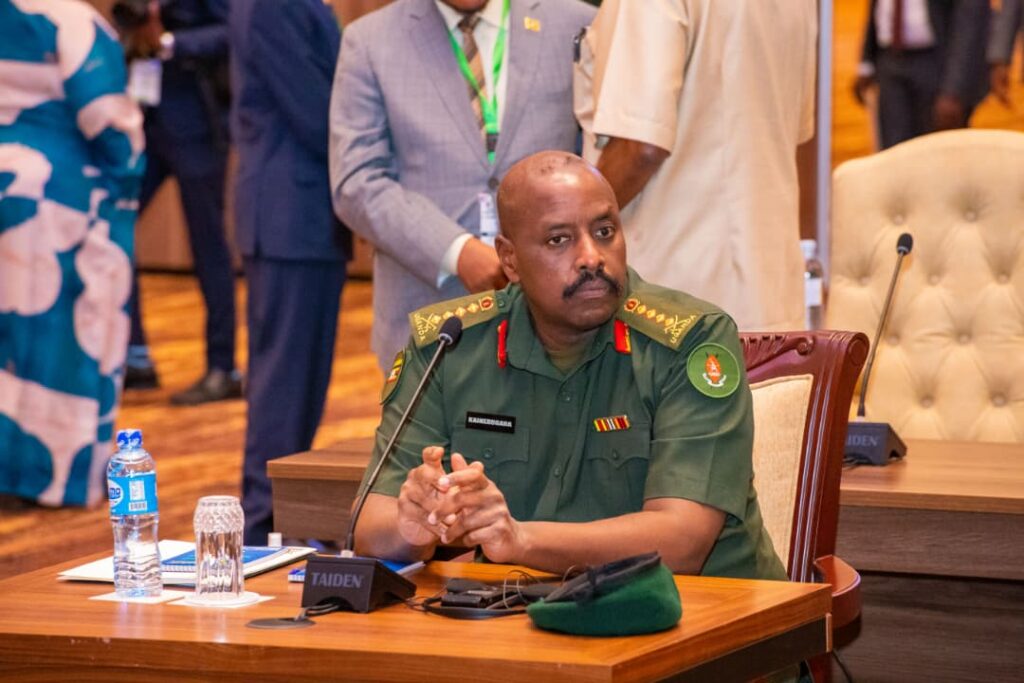
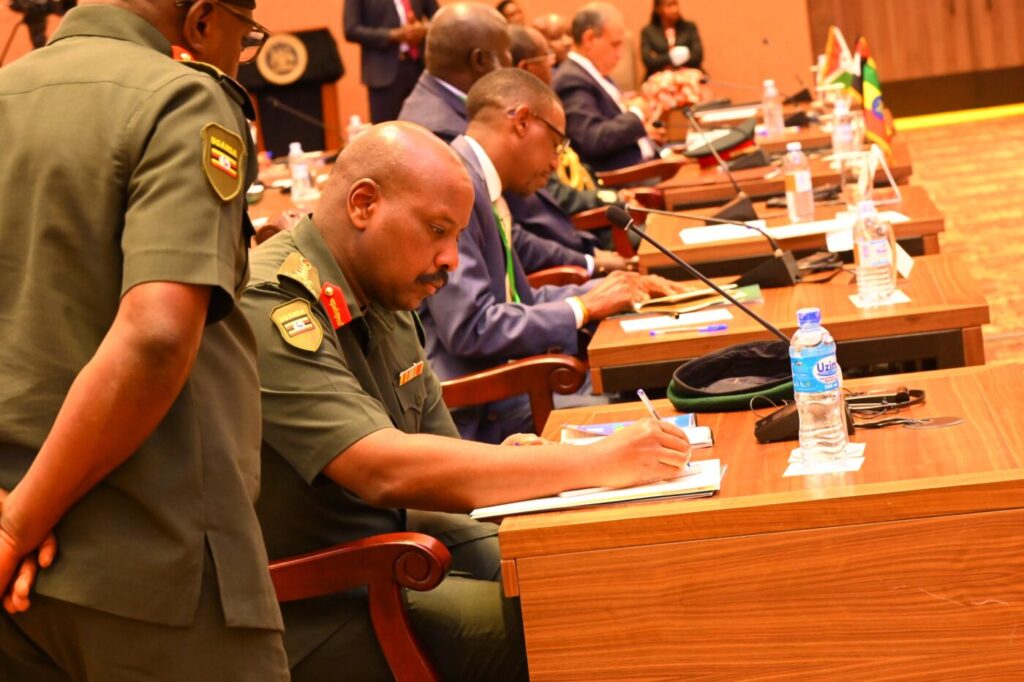
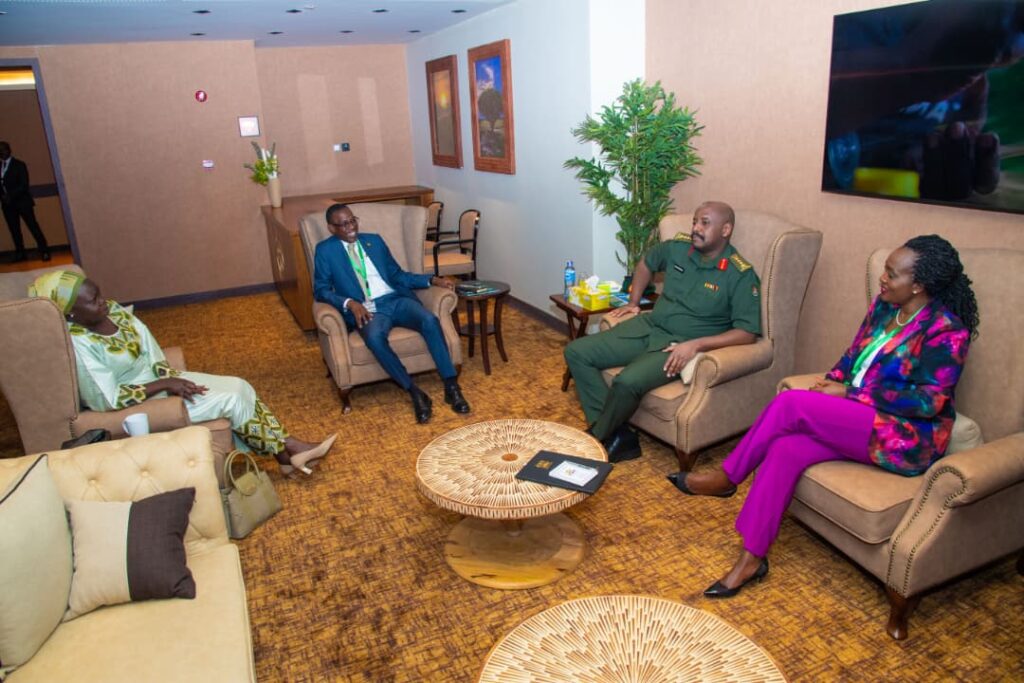
The Ministerial Meeting was itself informed by the Meeting of Chiefs of Defence Forces, convened on 29 July 2026 and chaired by General Muhoozi Kainerugaba, Uganda’s Chief of Defence Forces and Senior Presidential Adviser for Special Operations. The Chiefs undertook comprehensive technical deliberations on Somalia’s evolving security environment, operational readiness, force generation, institutional reforms, intelligence cooperation and future mission support arrangements.
During their session, General Muhoozi Kainerugaba called upon African military leaders to demonstrate unity, innovation and strategic resolve in safeguarding the gains achieved through African Union peace support operations. He observed that changing international financing arrangements present an opportunity for Africa to strengthen ownership of its peace support architecture and accelerate the development of sustainable African-led mechanisms capable of preserving operational effectiveness beyond the current United Nations logistical framework.
The recommendations adopted by the Chiefs of Defence Forces subsequently informed ministerial deliberations before being endorsed at the level of Heads of State and Government. The successful hosting of the Second Extraordinary Summit reaffirmed Uganda’s longstanding leadership in promoting regional peace, preventive diplomacy and multilateral cooperation under the African Union framework.
As one of the largest and longest-serving Troop-Contributing Countries to peace support operations in Somalia, Uganda remains steadfast in advancing African-led solutions to African challenges while working closely with the African Union, the United Nations, IGAD and international partners to support Somalia’s journey towards sustainable peace, security and development.
The Kampala Summit concluded with a renewed continental consensus that safeguarding peace in Somalia is a shared African responsibility requiring sustained political commitment, coordinated regional action and strengthened international partnership to secure a stable and prosperous future for Somalia and the wider Horn of Africa.