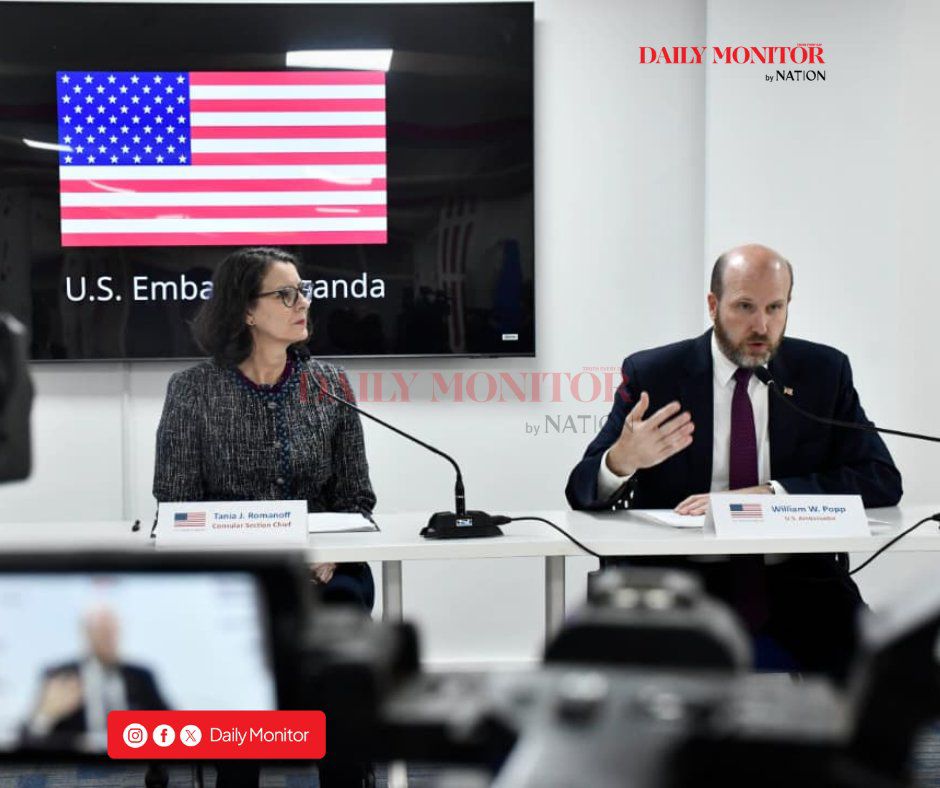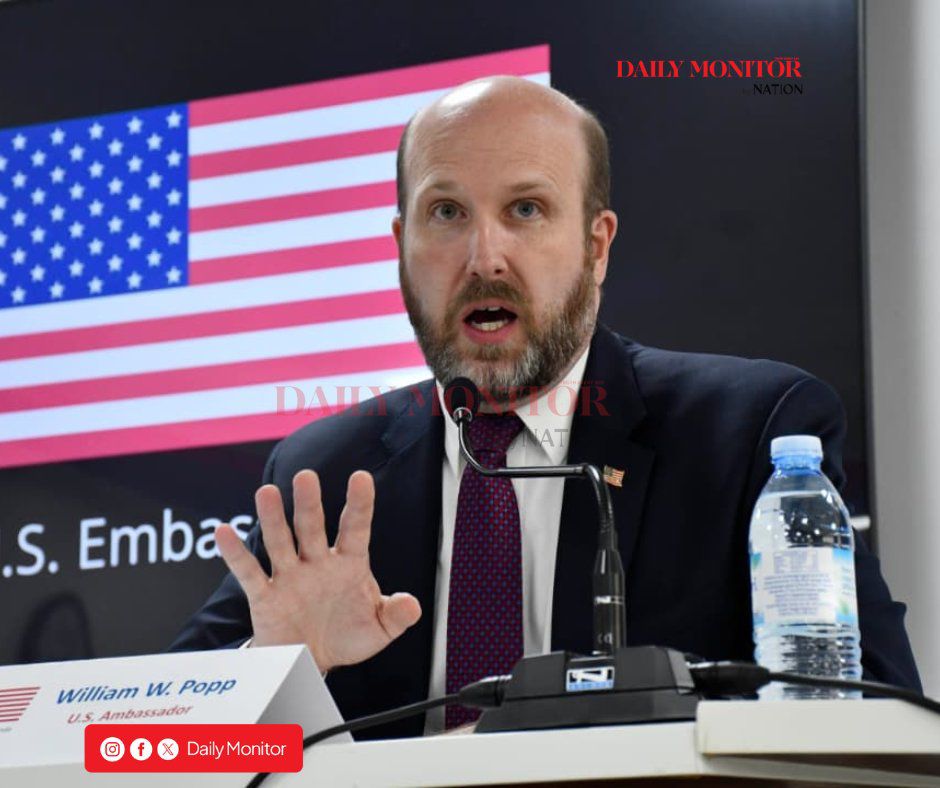
Kampala, Uganda – The United States Government has announced changes to its visa policy affecting Ugandan nationals, underscoring a renewed emphasis on immigration compliance while reaffirming the long-standing partnership between the two countries. Speaking at a press briefing held on February 5 at the American Centre in Kampala, U.S. Ambassador to Uganda, William W. Popp, said the measures reflected Washington’s commitment to enforcing its immigration laws as part of broader national security priorities. He noted that the United States continued to value its strong people-to-people ties with Uganda, which had enabled thousands of Ugandans to travel to the U.S. annually for tourism, business, education and family engagements.
Ambassador Popp explained that non-immigrant visas, including business and tourist visas, were privileges granted for specific purposes and durations, and required strict adherence to stated conditions. He confirmed that since July 2025, most B-1/B-2 visas issued to Ugandan citizens had been limited to single entry and a validity period of three months. In addition, he announced that Uganda had been included in an expanded U.S. Visa Bond Pilot Program, which took effect on January 21, 2026. Under the program, eligible Ugandan applicants for B-1/B-2 visas could be required to post a refundable bond of up to USD 15,000 before visa issuance. The bond, he said, would be refunded once travellers complied with visa terms and departed the United States within the authorised period.
U.S. Consular Section Chief, Tania Romanoff, clarified that applicants were not required to pay any bond prior to their visa interview and warned against potential scams. She explained that bond requirements would only be communicated after a consular officer determined eligibility. She further noted that authorised length of stay in the United States was determined by U.S. Customs and Border Protection officers at ports of entry, not by visa validity alone. Romanoff stated that the policy adjustments were informed by publicly available data indicating cases of visa overstays and attempts by some travellers to change immigration status after entry. She stressed that misuse of visas could result in deportation, long-term travel bans and loss of future visa eligibility.
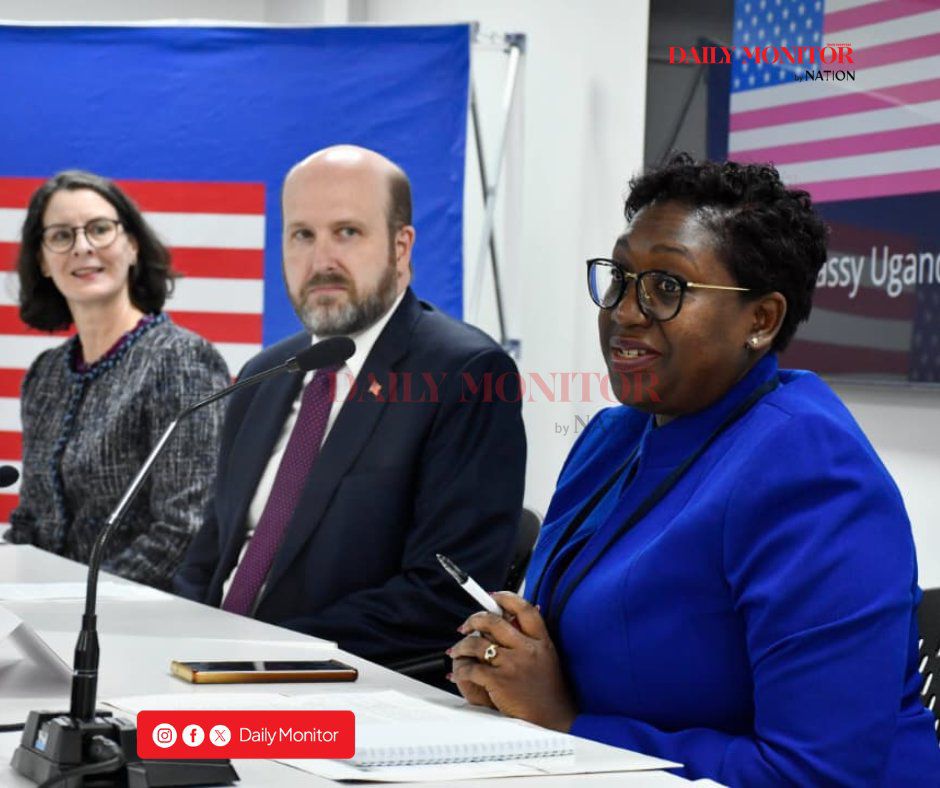
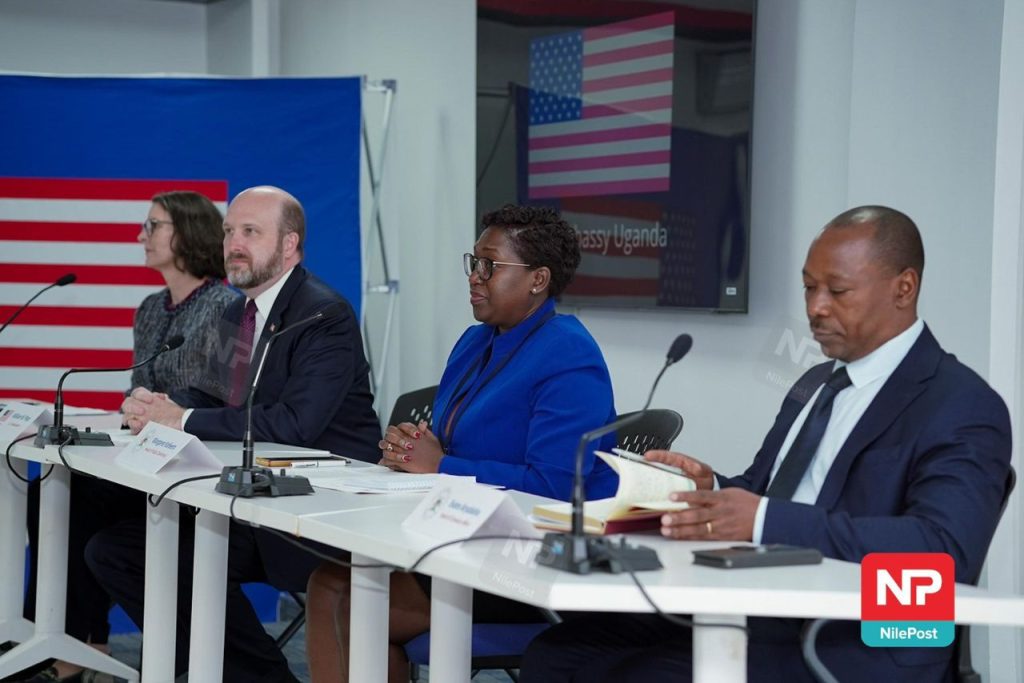
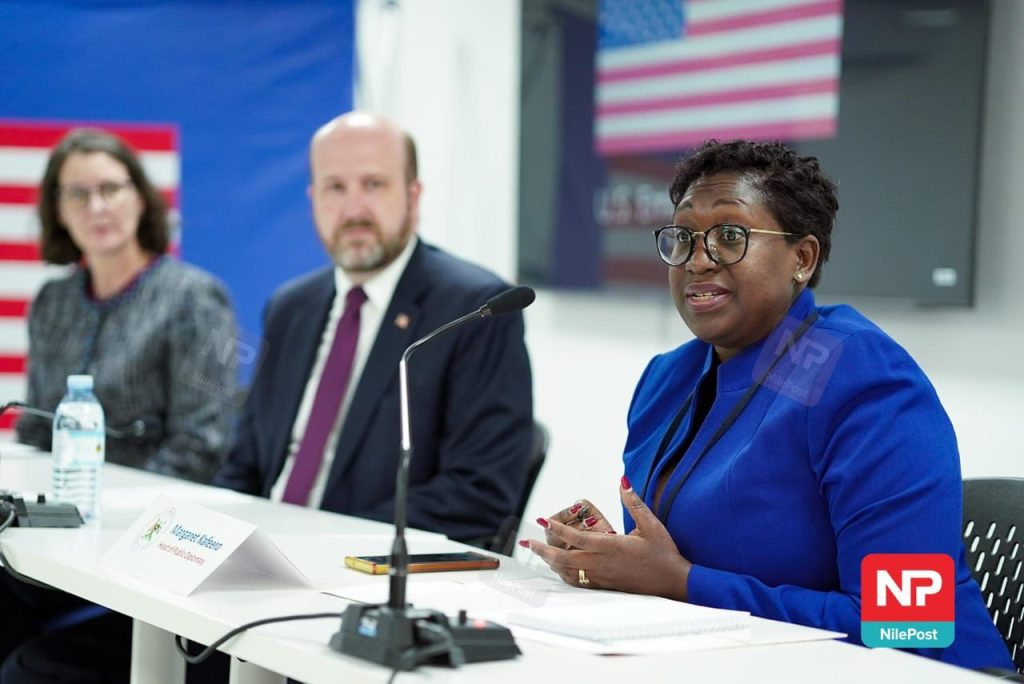
The briefing was attended by senior officials from Uganda’s Ministry of Foreign Affairs, signaling government engagement on the matter. Head of Public Diplomacy Margaret Kafeero emphasised the importance of honesty in visa applications and cautioned Ugandans against misrepresentation and reliance on unverified third parties. She reiterated that the Government of Uganda could not intervene in individual visa decisions. Both Ugandan and U.S. officials underscored that the measures were not punitive, but aimed at safeguarding lawful travel and preserving the integrity of bilateral relations. They reaffirmed their shared commitment to dialogue, compliance and continued cooperation in support of strong Uganda–United States relations.