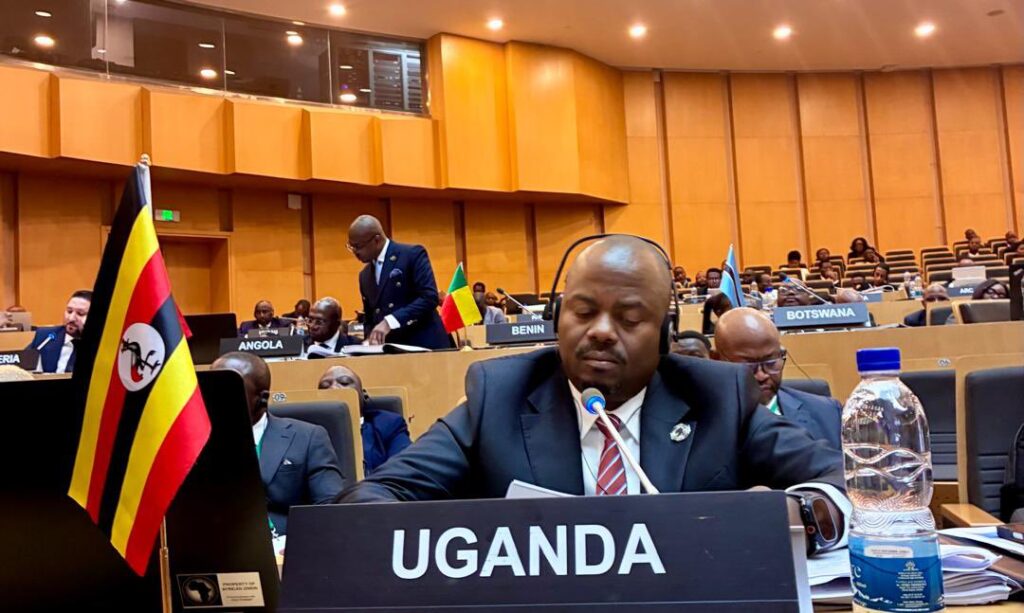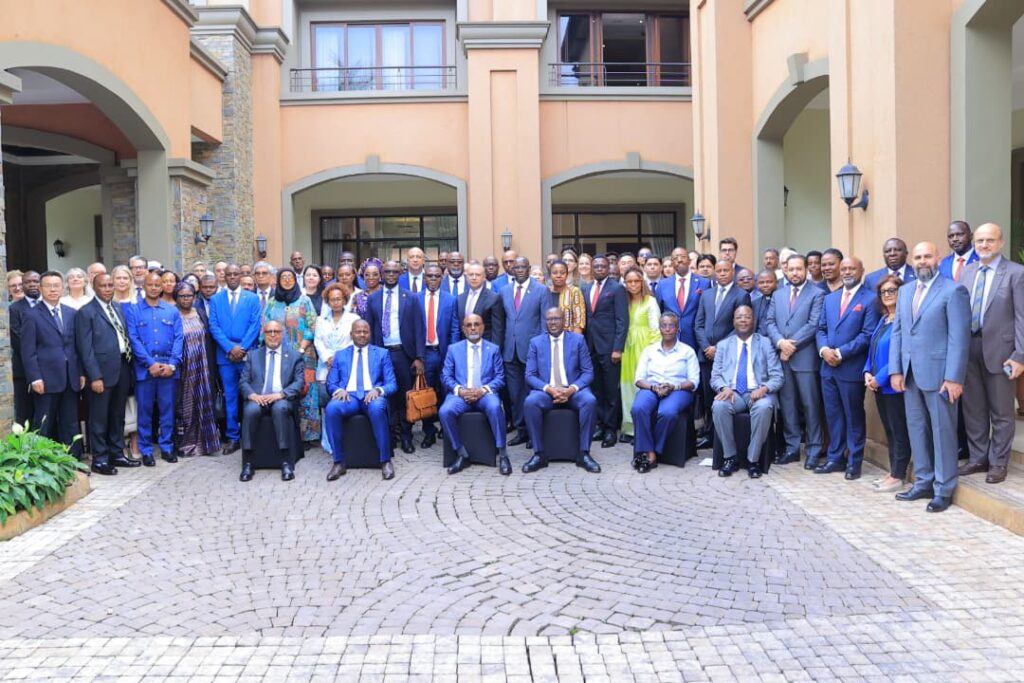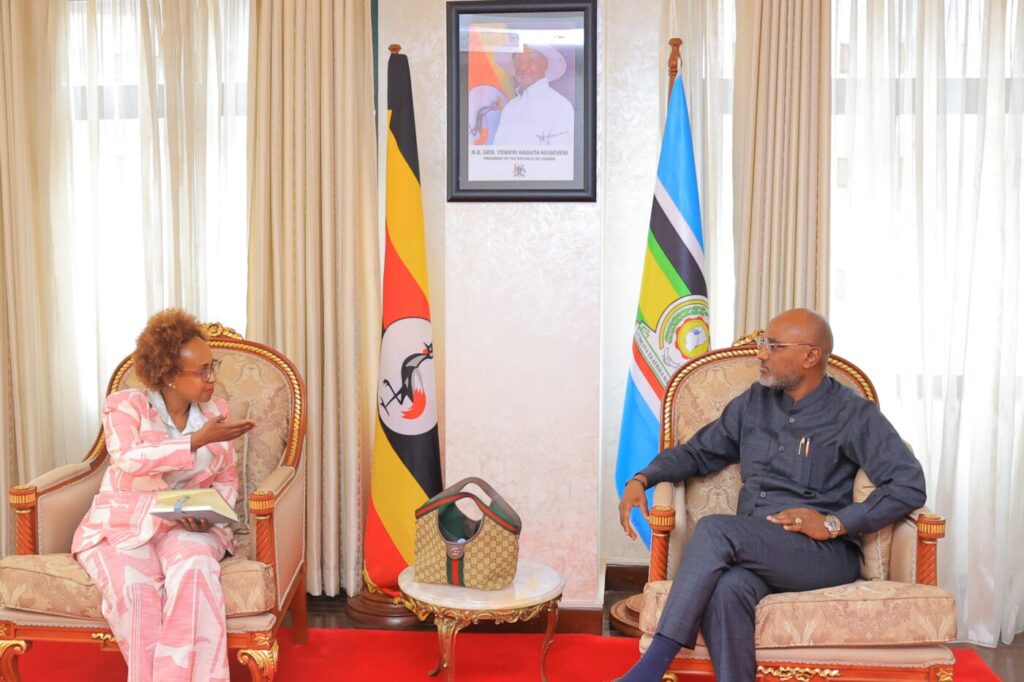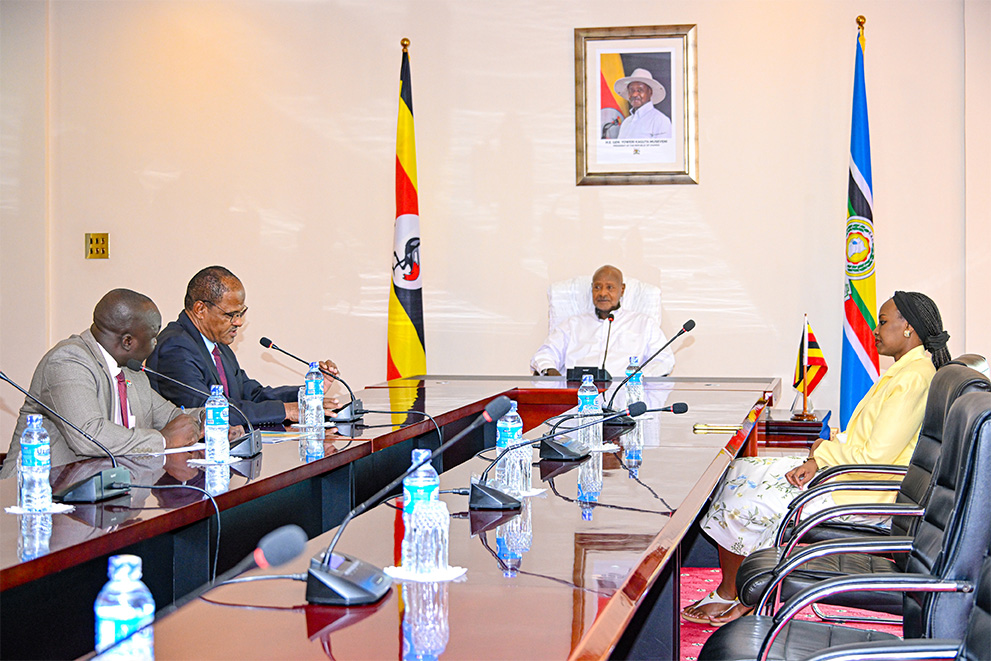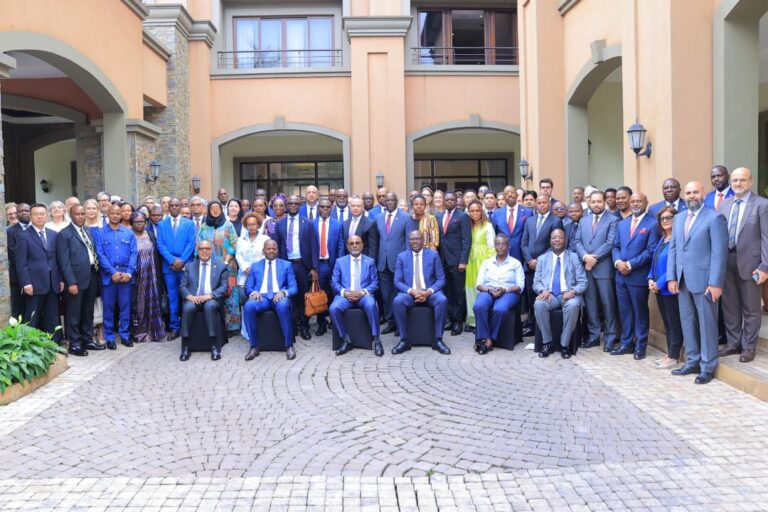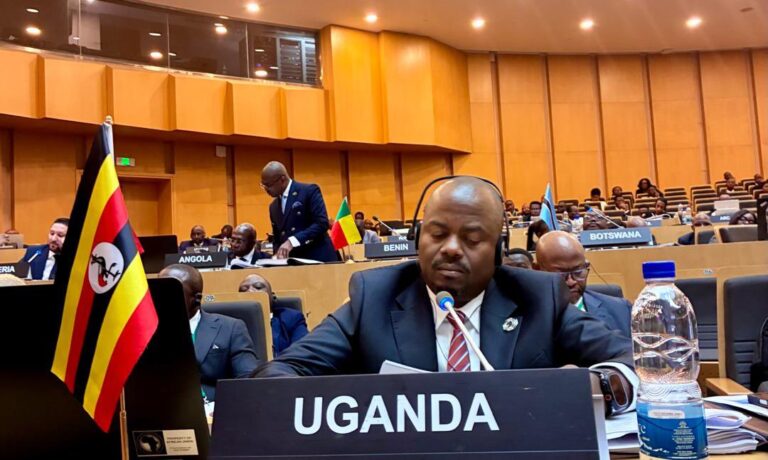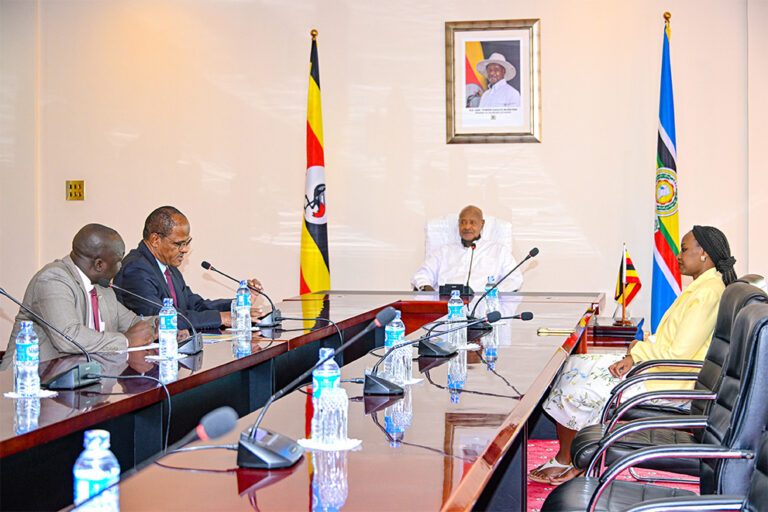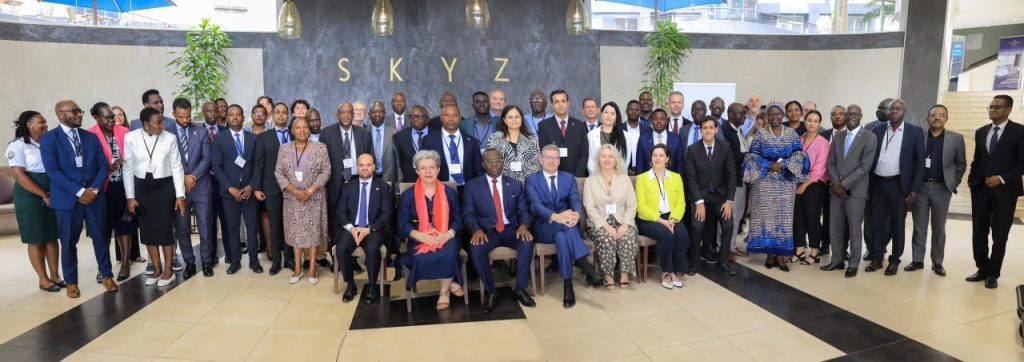
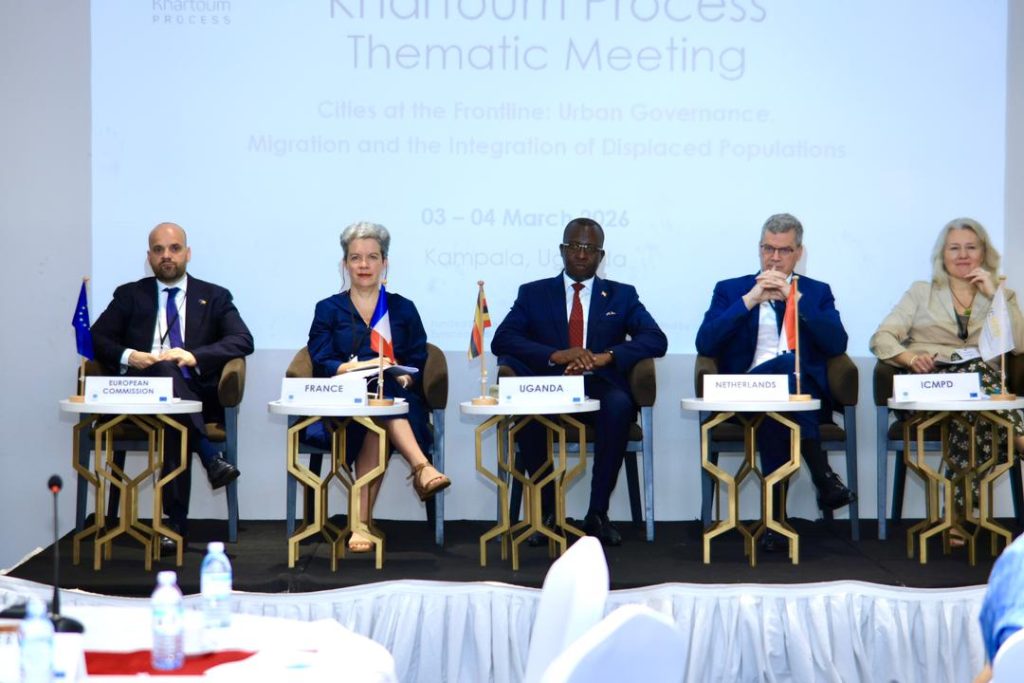
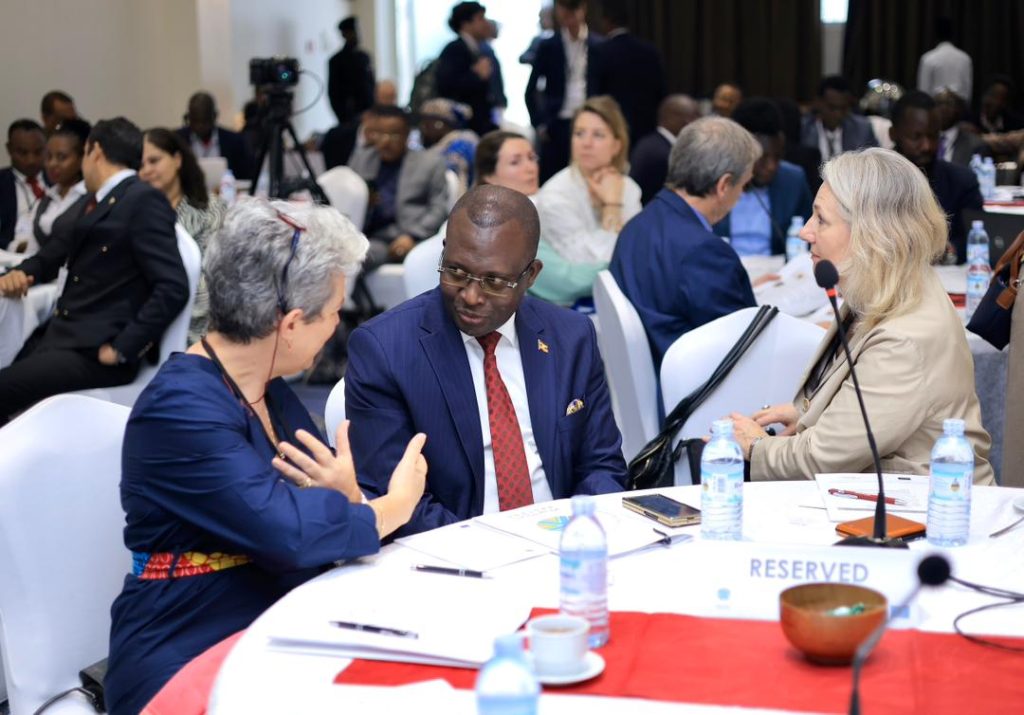
Kampala, Uganda – This March, Kampala served as a platform for international dialogue as Uganda hosted the Khartoum Process Thematic Meeting titled “Cities at the Frontline: Urban Governance, Migration and Integration of Displaced Populations.” The two-day meeting, held from 3rd to 4th March and co-hosted with the Netherlands, brought together policymakers, diplomats, and technical experts to reflect on the evolving role of cities in addressing migration and displacement.
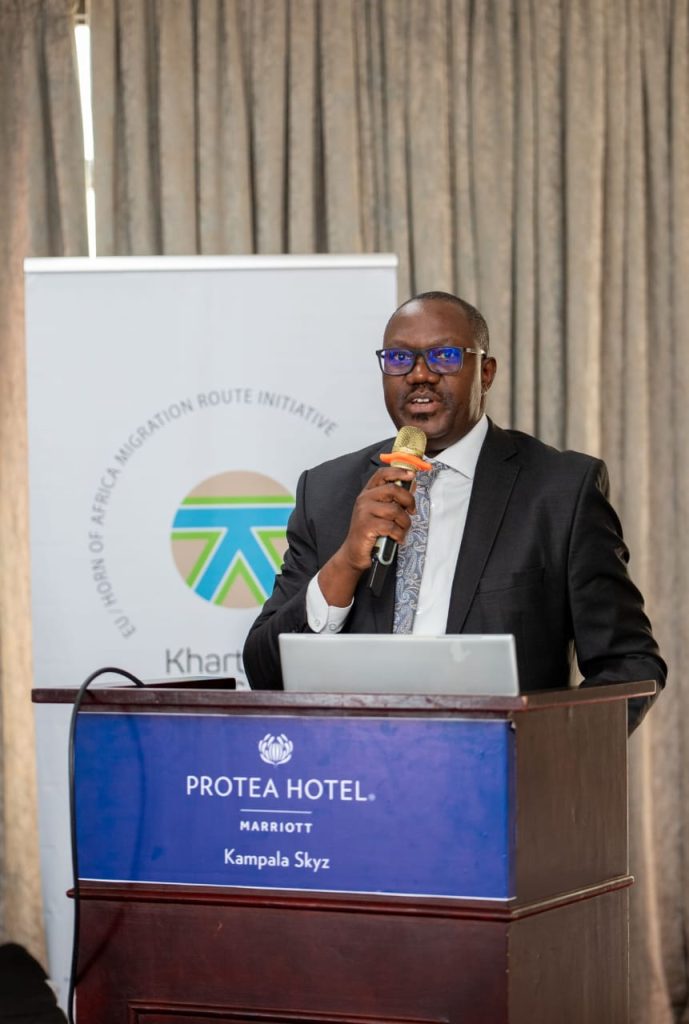
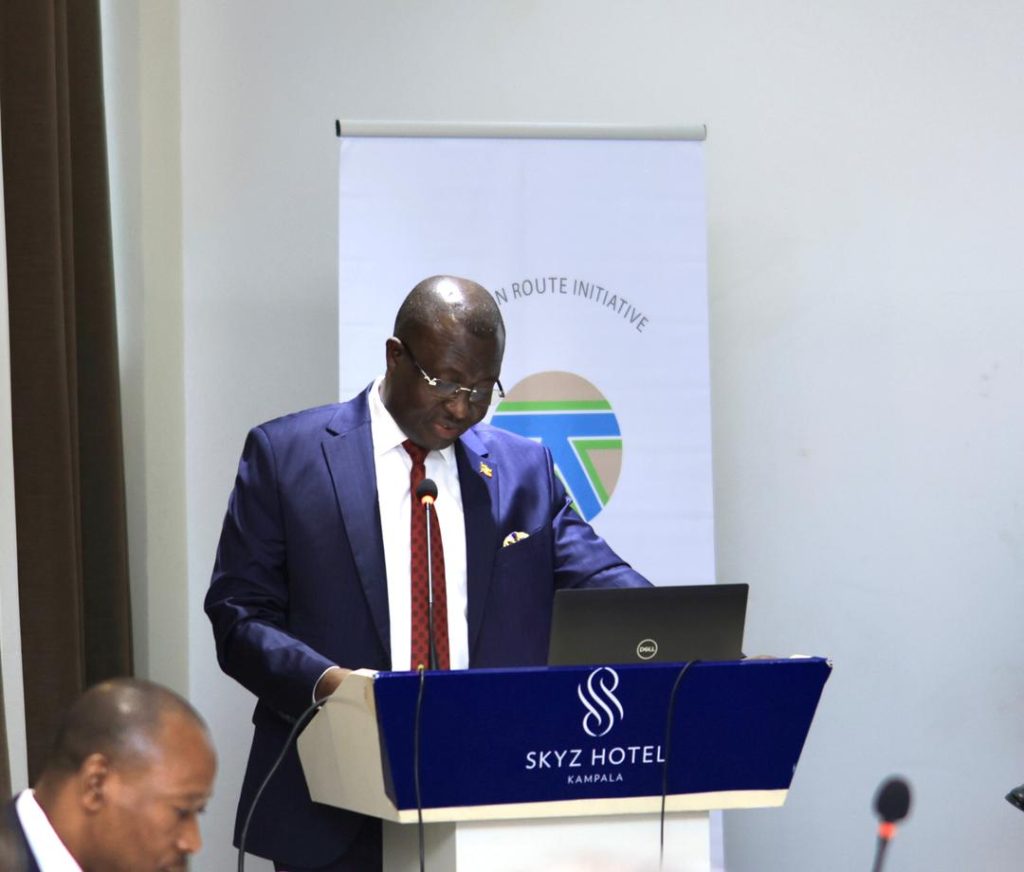
The meeting was officially opened by Hon. John Mulimba, Minister of State for Foreign Affairs in charge of Regional Cooperation. In his opening remarks, the Minister spoke about the importance of stronger coordination among initiatives that address migration challenges. He noted that enhanced collaboration reduces duplication of efforts and enables partners to collectively address the root causes of migration. Hon. Mulimba underscored that peace and security remained central to addressing irregular migration and displacement across the continent. He highlighted that ongoing conflicts and instability, particularly within the Great Lakes Region, have significantly contributed to population movements, placing increased responsibility on both national governments and urban authorities to respond effectively.
The discussions were convened under the framework of the Khartoum Process, a platform for political cooperation among countries along the migration route between the Horn of Africa and Europe. Uganda currently serves as a member of the Steering Committee of the process and is expected to assume the Chairmanship from France in April 2026. The upcoming chairmanship is anticipated to position Uganda to provide strategic leadership while also offering opportunities to host additional international engagements under the Meetings, Incentives, Conferences, and Exhibitions (MICE) framework.
The thematic meeting pursued several objectives, including building on the recommendations adopted in Addis Ababa in 2022 by strengthening the links between urban planning, migration management, and integration, particularly in the context of climate change. Participants also explored how cities could enhance inclusive urban governance while integrating displaced populations into social and economic systems. Further discussions highlighted municipal good practices in service delivery, resilience, and social cohesion, while identifying pathways for embedding city-level perspectives within national, regional, and continental migration governance frameworks.
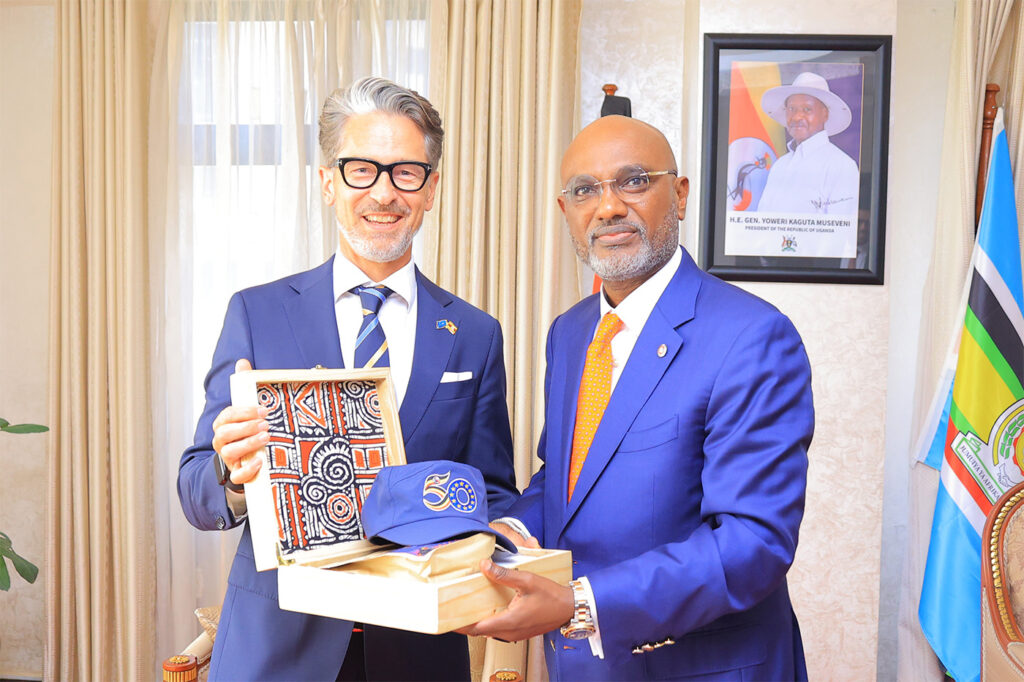
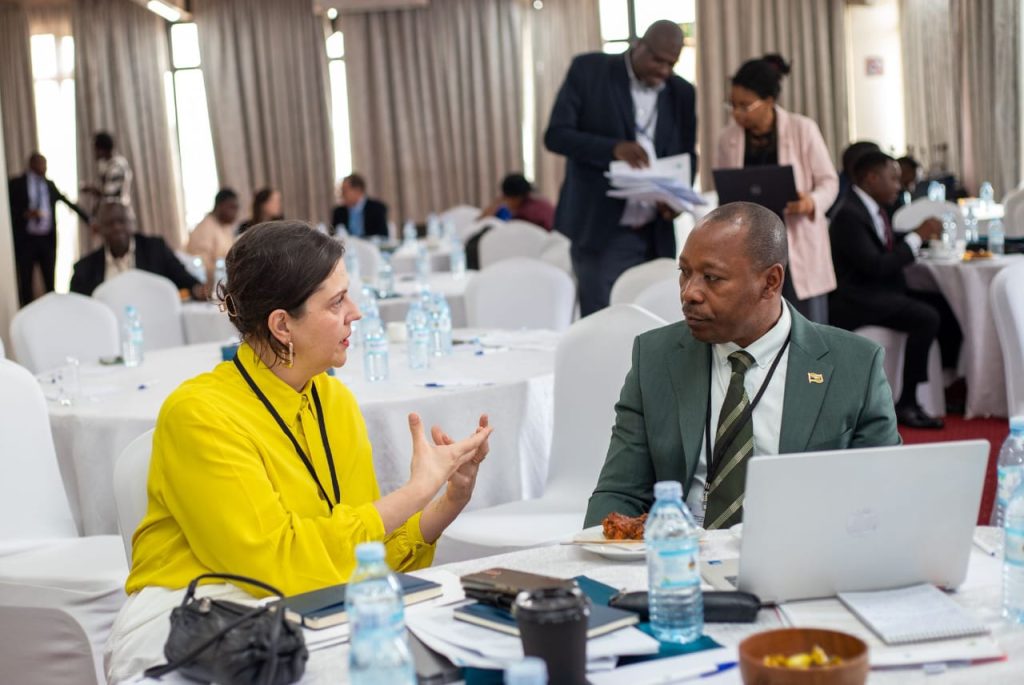
The meeting brought together distinguished participants from across Africa and Europe, including Peter Schuurman, Director of the Migration Cooperation Division at the Ministry of Foreign Affairs of the Netherlands, and H.E Virginie Leroy, Ambassador of France to Uganda. Through this engagement, Uganda reaffirmed its commitment to constructive dialogue and cooperative approaches in addressing migration governance, while strengthening partnerships aimed at promoting sustainable and inclusive urban development.
Courtesy Photos