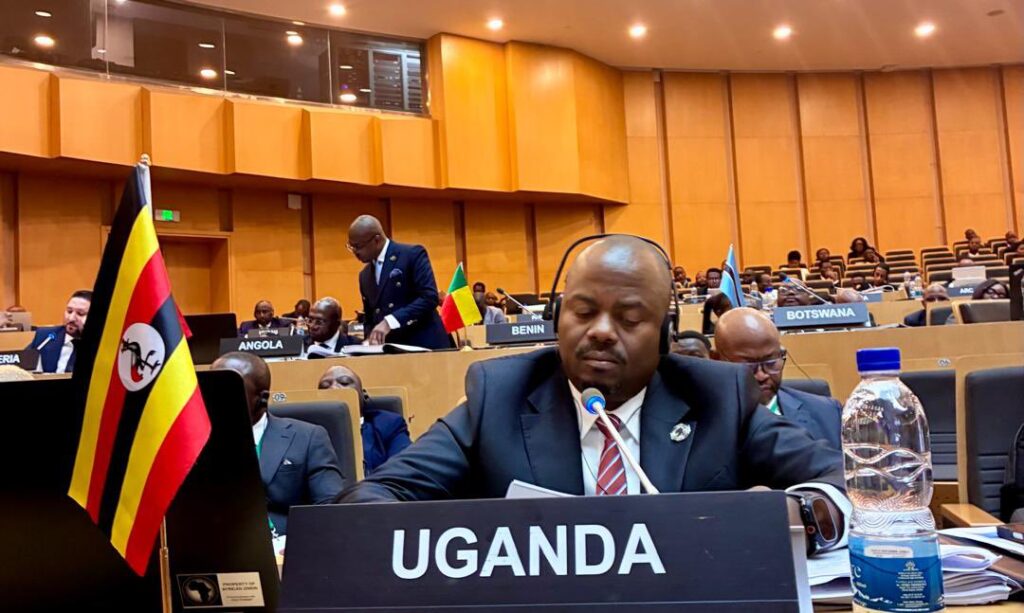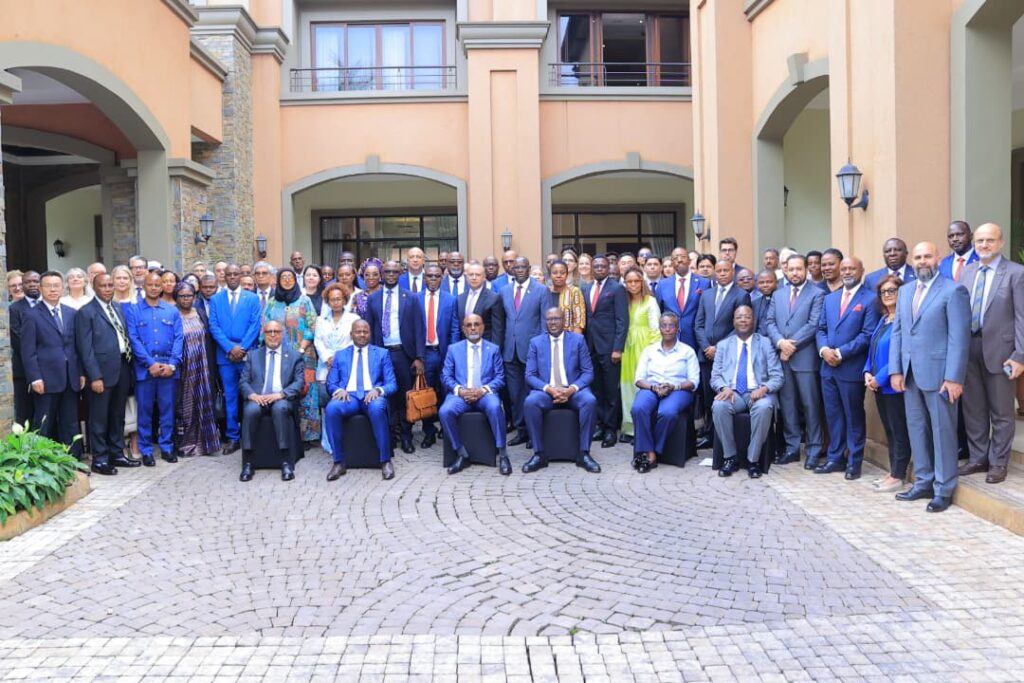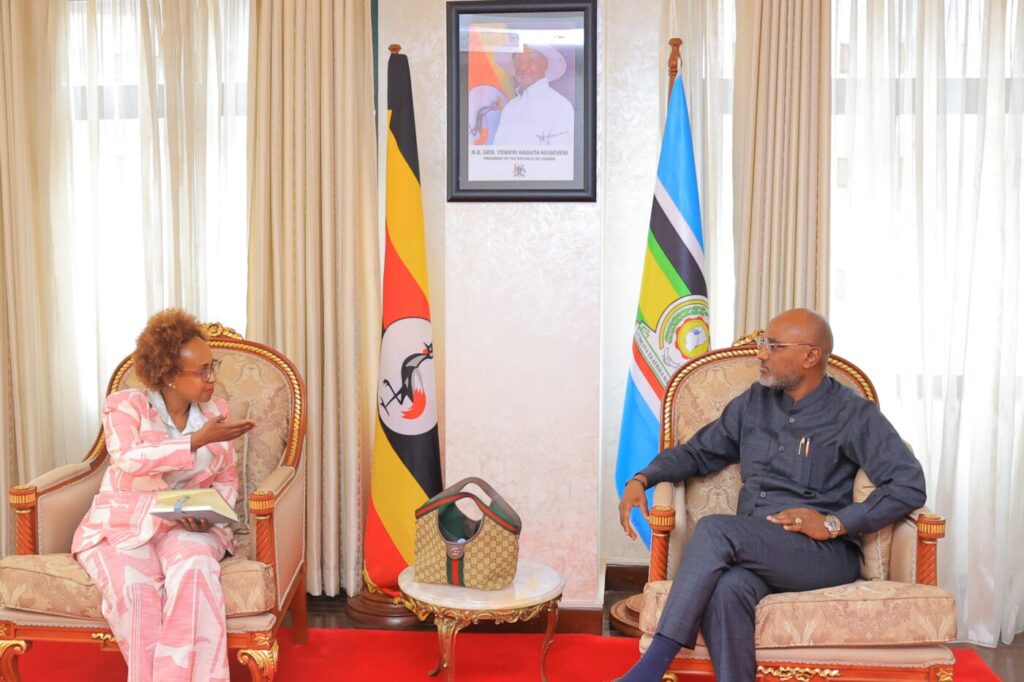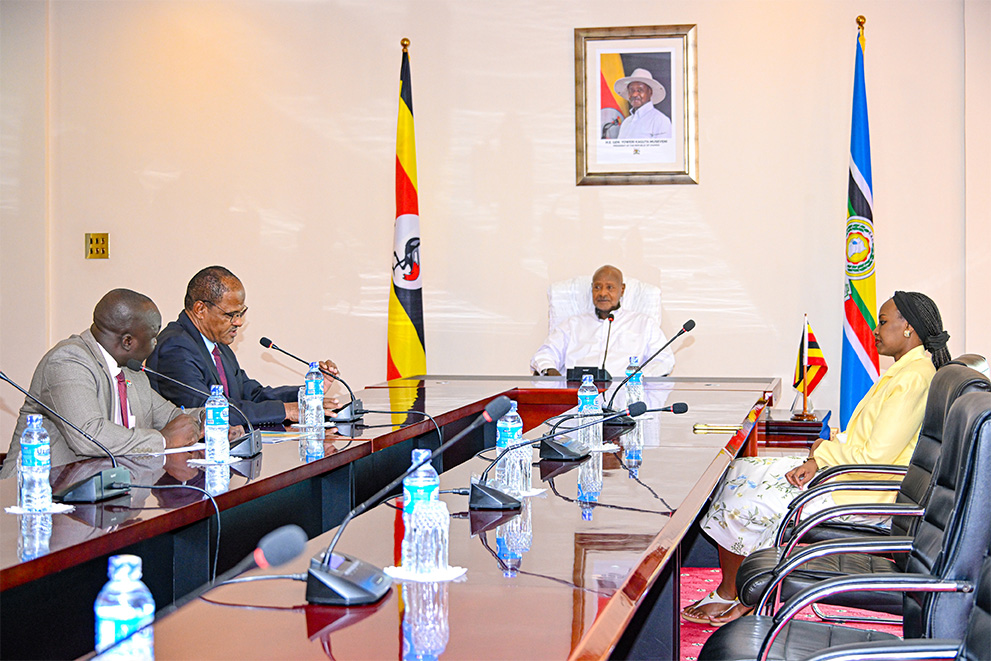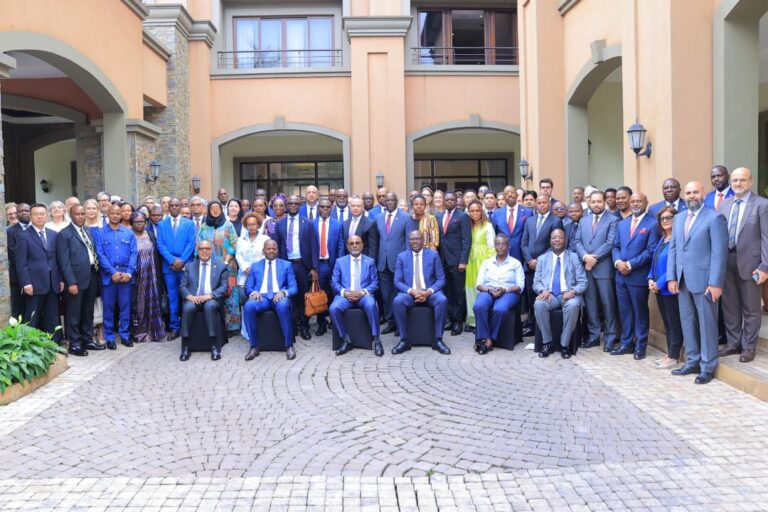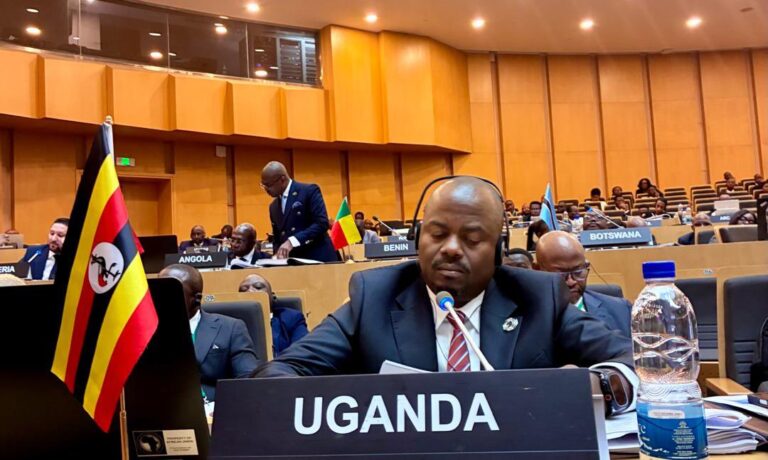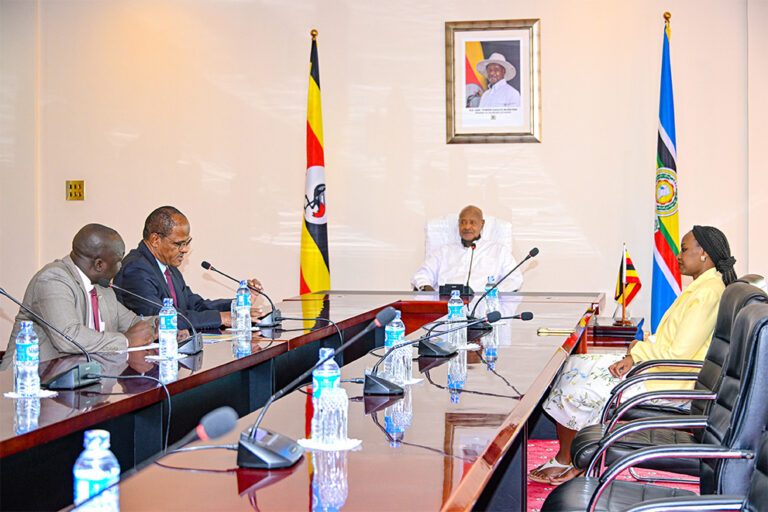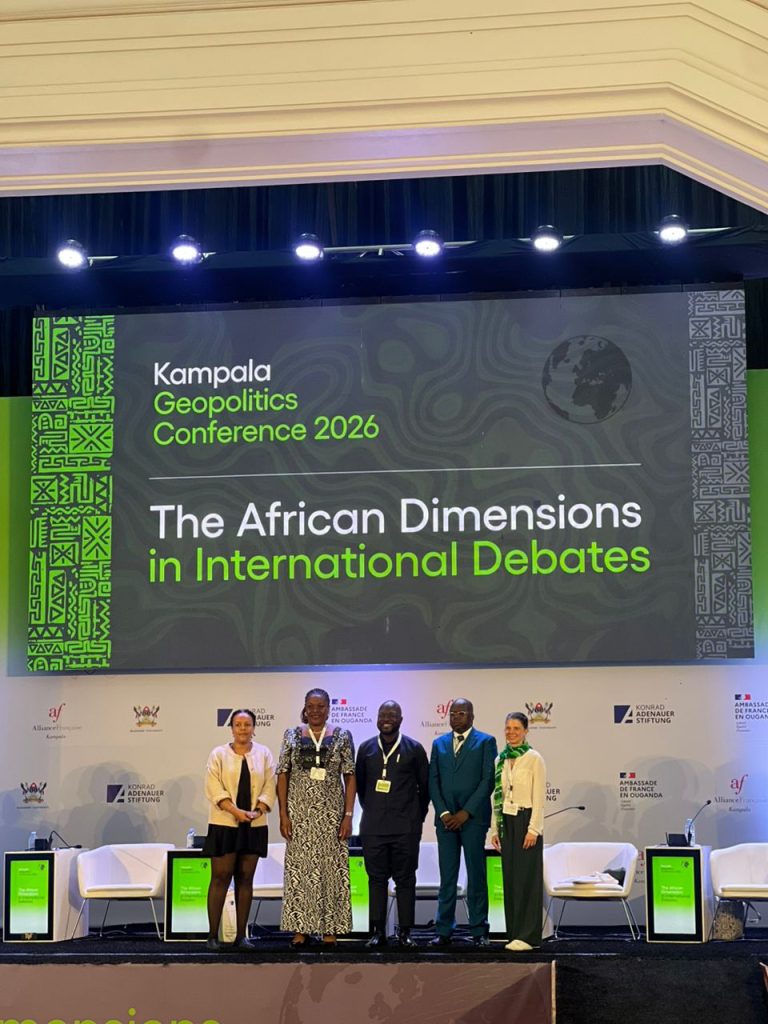
Kampala, Uganda – From 15th–16th April, Makerere University hosted the ninth edition of the Kampala Geopolitics Conference, reaffirming its commitment to fostering rigorous intellectual exchange on shifting global dynamics and identifying adaptable solutions aligned with Africa’s contemporary realities. Since its launch in 2018, the conference has evolved into a key platform for open dialogue, bringing together researchers, policymakers, civil society, international organisations, UN representatives, political actors, technical experts, and students. Discussions consistently center African perspectives within regional and international debates, positioning the continent not as a passive actor but as an active shaper of global discourse.
Africa’s external engagement is undergoing a structural shift from aid dependency toward partnership-driven diplomacy anchored in sovereign equality. As traditional Official Development Assistance and foreign direct investment decline and multi-polarity deepens, African states are redefining engagement moving from transactional relationships to transformational partnerships that prioritise value addition, regional integration, and strategic autonomy. This transition reflects a growing determination to renegotiate Africa’s contribution to the global system, ensuring that external cooperation aligns with domestic priorities and long-term development objectives.
Dr. Edith Namutebi, Head of Regional Peace and Security at the Ministry of Foreign Affairs, highlighted Africa’s shift towards a multipolar world, urging stronger regional cooperation and more diverse partnerships to advance shared interests. She emphasised holistic engagement across economic, institutional, and diplomatic levels as key to navigating global challenges. For Uganda, this means turning this shift into tangible gains by strengthening resource mobilisation, improving financial management, and positioning itself as a credible investment destination anchored in partnerships built on trust, mutual benefit, and strategic engagement.
At the bilateral and multilateral levels, the rise of multiple external actors—including China, India, Russia, and Turkey has expanded Africa’s strategic options while reinforcing the role of bilateralism in shaping targeted, interest-driven partnerships. At the same time, regional and continental platforms such as the East African Community, African Union, and Group of 77 remain essential for consolidating African positions and upholding sovereign equality in global forums, including the United Nations Security Council. From an African vantage point, these blocs reflect a growing insistence on setting the agenda and terms of engagement, ensuring that global competition is leveraged to advance inclusive and sustainable development.
Africa’s advantage in a multipolar world will ultimately depend on its ability to align bilateral initiatives with multilateral strategies. Coherent partnerships, strengthened institutions, and coordinated regional action will be critical to delivering sustained, sovereign-led development—transforming Africa’s expanding strategic options into long-term, inclusive growth.