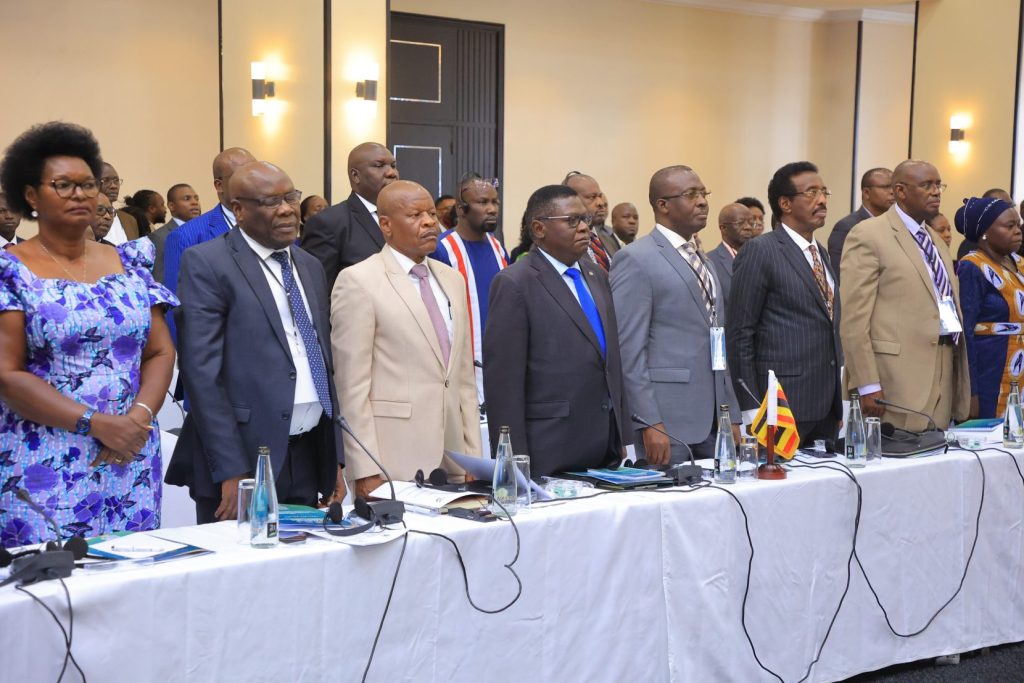
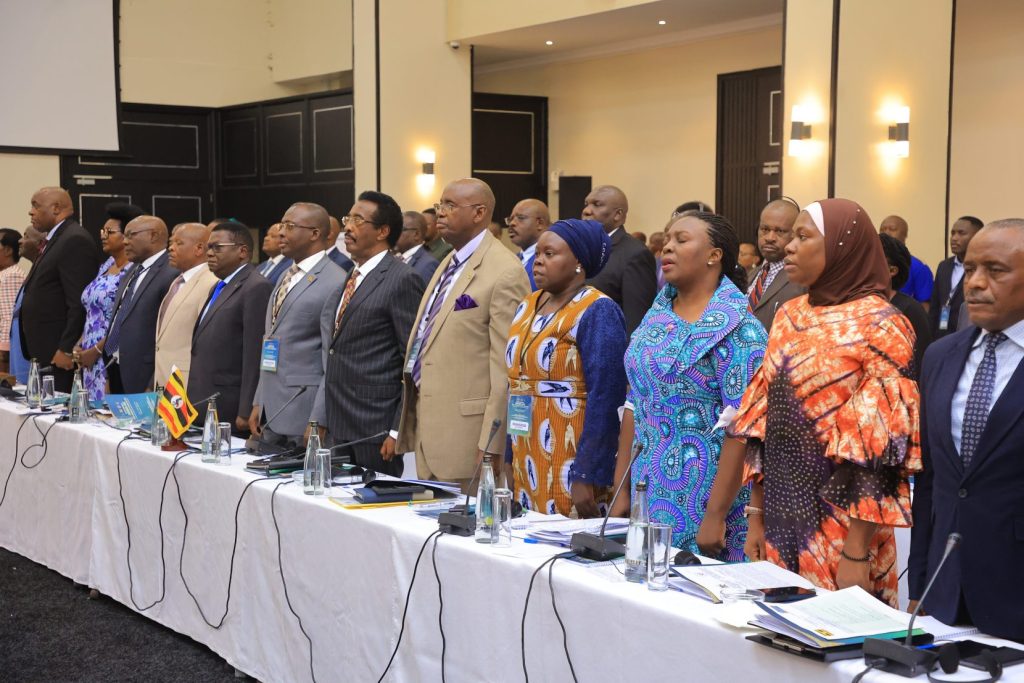
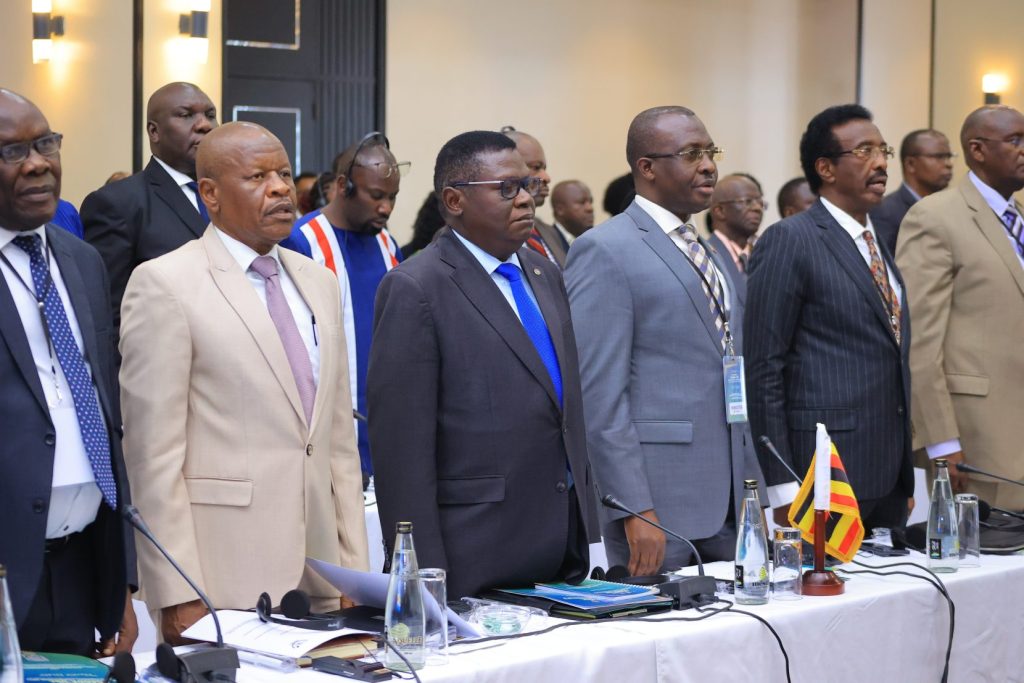
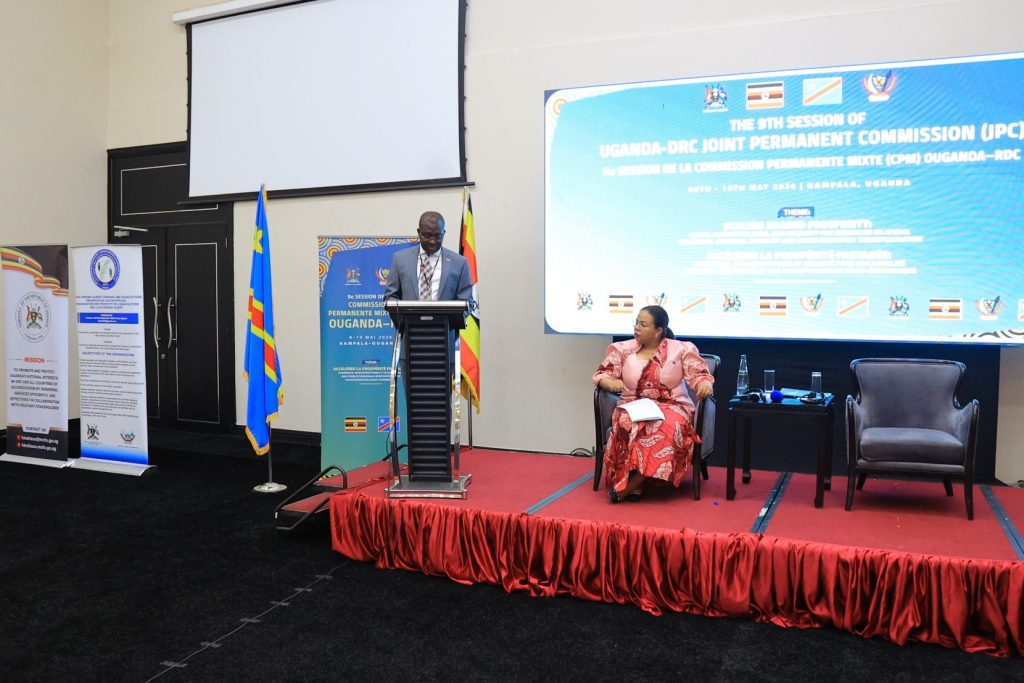
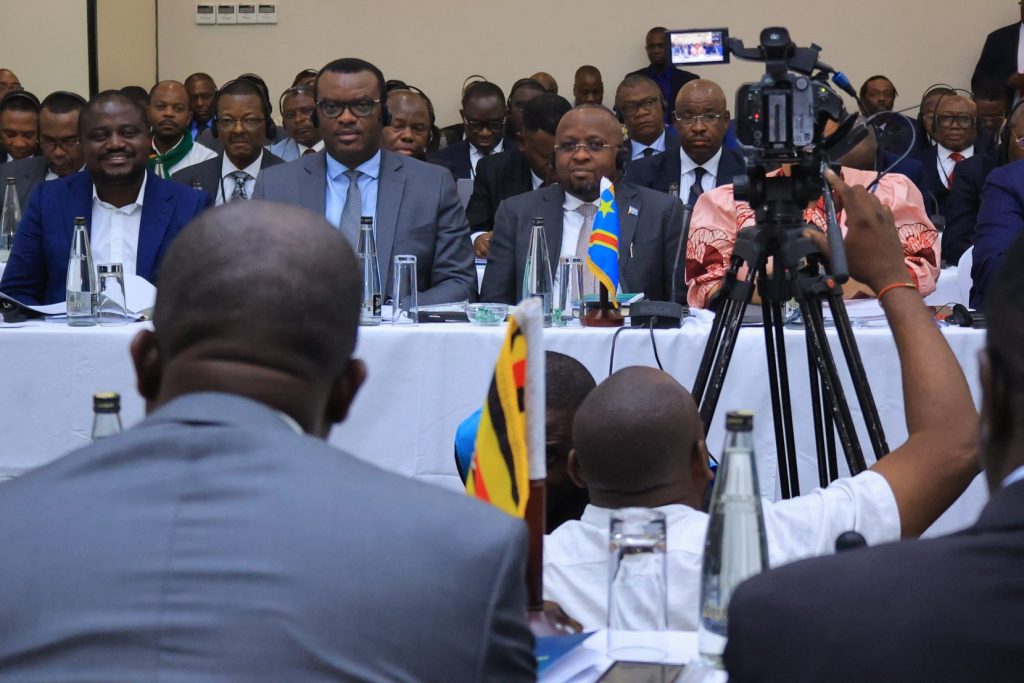
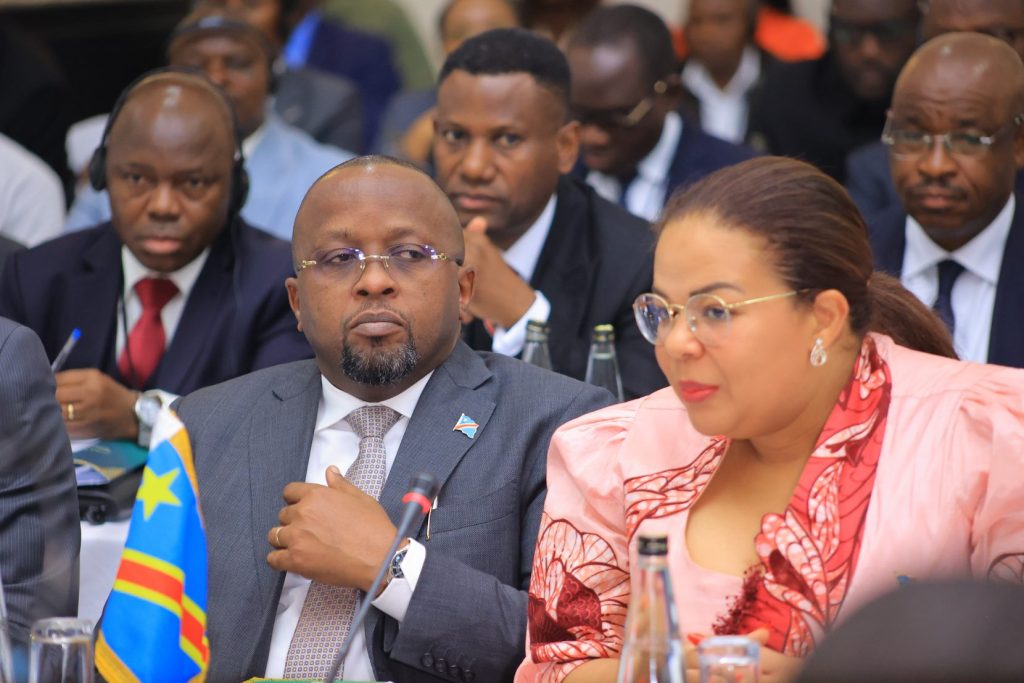
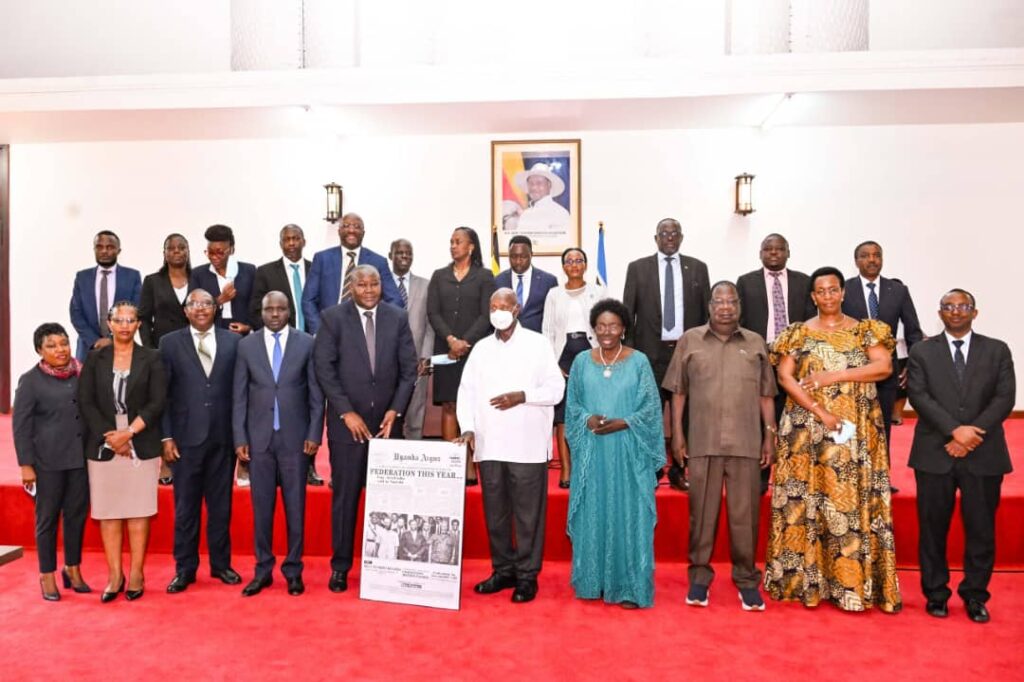
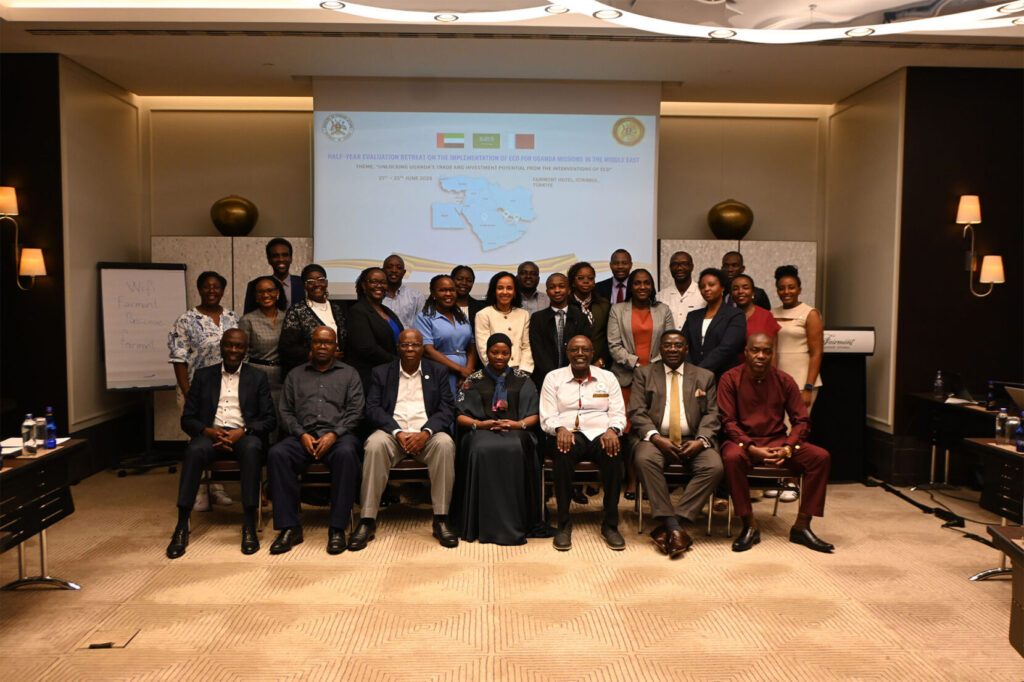
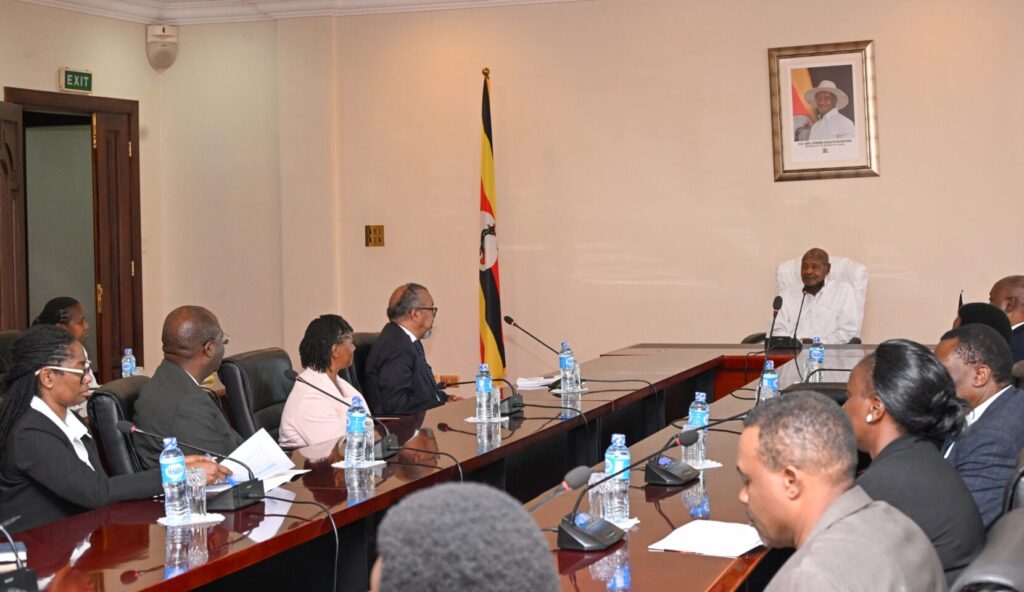
Kampala, Uganda – Uganda and the Democratic Republic of Congo convened the 9th Session of the Joint Permanent Commission Framework at Mestil Hotel, to review the status of bilateral cooperation and strengthen the historical ties and solidarity between the two nations.
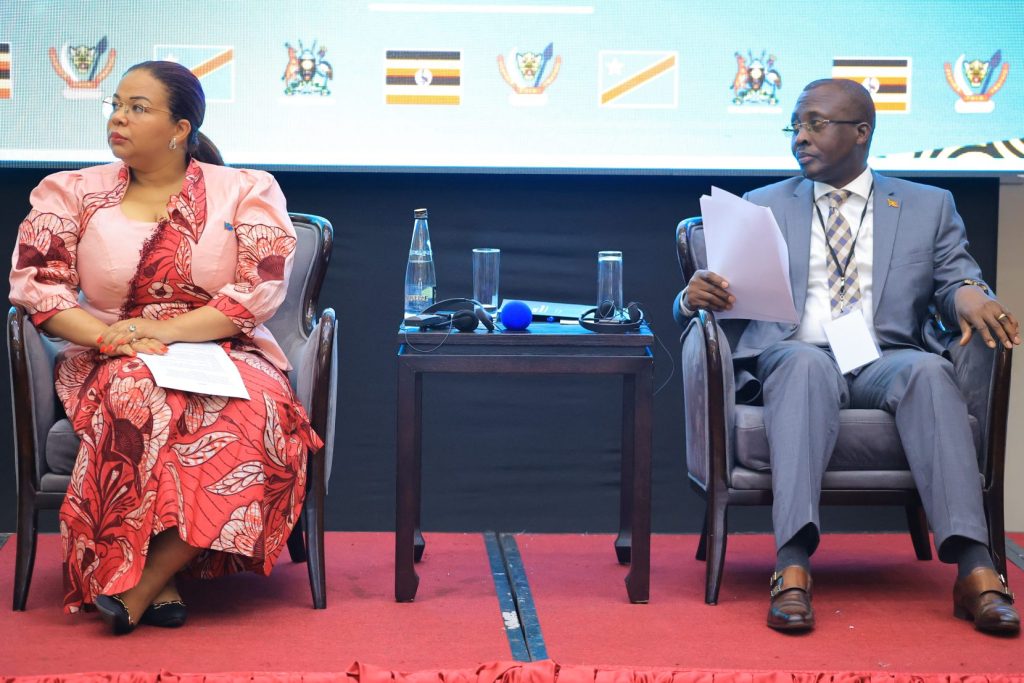
Hon. John Mulimba, Minister of State for Foreign Affairs/Regional Affairs officially opened the Joint Ministerial Session of the 9th JPC and in his opening remarks, reaffirmed the two countries’ shared commitment to peace, regional integration, trade, infrastructure development, and cross-border cooperation.
He highlighted key milestones including the operationalisation of the Mpondwe–Kasindi One-Stop Border Post, construction of the Kasindi–Beni–Bunia Road, and the transformative Ruzizi III Hydropower Project, while emphasising the need to strengthen border security, remove trade barriers, and promote prosperity for communities on both sides of the border.
In her opening remarks, Thérèse Kayikwamba Wagner reaffirmed the strong ties of friendship and fraternity between Uganda and the Democratic Republic of the Congo. She emphasised the importance of accelerating joint projects in trade, infrastructure, security, agriculture, health, education, transport, and border management, while calling for constructive dialogue and stronger implementation mechanisms to ensure the success of cooperation agreements between Uganda and the DRC.
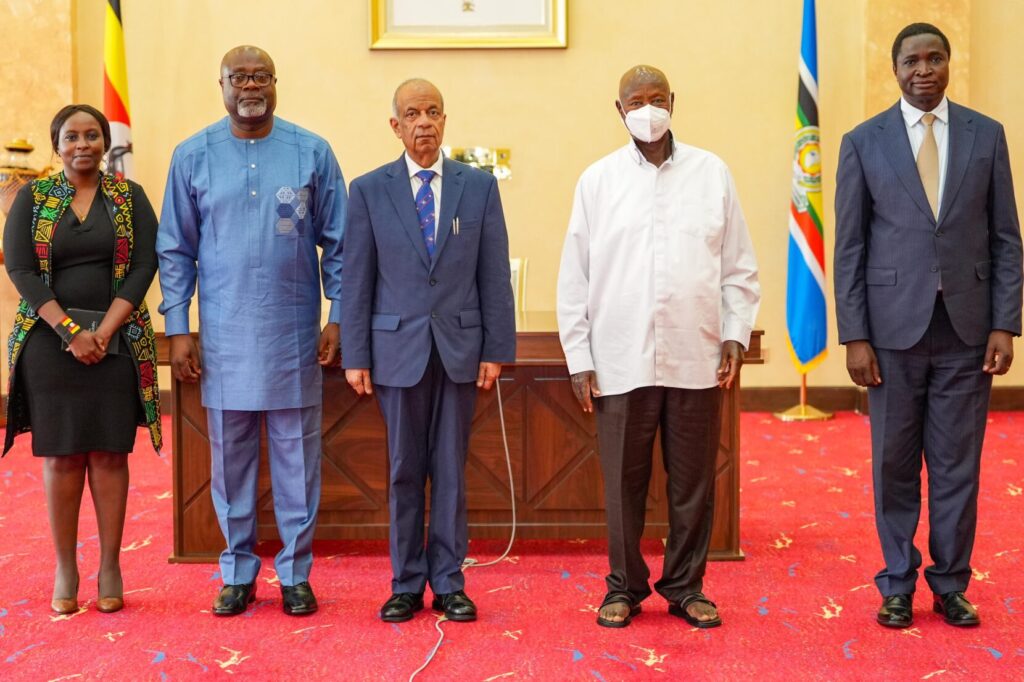
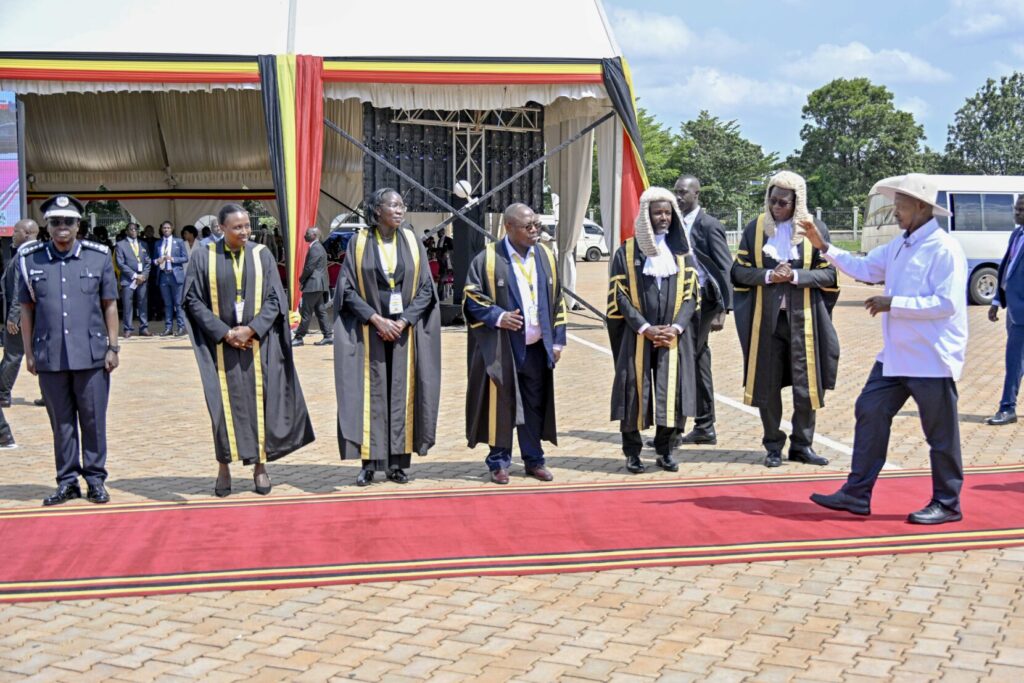
The 9th Session of the JPC was followed by a one-day official visit by President Tshisekedi to Uganda, at the invitation of H.E Yoweri Kaguta Museveni on 11th May, 2026 at State House Entebbe. The two Heads of State held cordial and productive talks that focused on Defense and Security, Economic Integration and Infrastructure Development. On Defense and Security, the Presidents commended the success of joint military operations, specifically Operation Shujaa, in neutralising negative forces and restoring peace in Eastern DRC.
They reaffirmed the continued cooperation and emphasised support for the peace process led by the African Union, noting their respective roles as Chair of the Regional Oversight Mechanism (ROM) and the International Conference on the Great Lakes Region (ICGLR). On the economic front, the Presidents expressed satisfaction with the progress of joint road infrastructure projects including the Kasindi-Beni-Butembo Axis, noting its vital role in connectivity and trade.
To further bolster integration within the East African Community (EAC) framework, they directed the elimination of Non-Tariff Barriers and the streamlining of customs procedures at the Mpondwe and Goli border posts, as well as the acceleration of discussions aimed at eliminating visa requirements between the two countries, with the objective of achieving substantial progress within the next three months.
On reciprocal visa waivers, the Government of the Democratic Republic of Congo appreciated the visa waiver granted by the Government of the Republic of Uganda to Congolese nationals in January 2024 as agreed at the 8th Session of the Uganda-DRC JPC. The government of the DRC committed to fast track the procedures for the reciprocal visa waiver to Ugandan nationals by 31st August, 2026.
The Heads of State further deliberated on the sustainable management of transboundary natural resources along the Albertine Graben, including Lakes Albert and Edward. They discussed joint ventures in energy, hydrocarbons and cross-border electrification to drive industrialisation while underscoring agricultural cooperation for food security and value addition.
The Presidents witnessed the outcomes of the 9th Session of the JPC including signing of several Memoranda of Understanding and an Agreement in the sectors of Trade, ICT, Tourism and Transport (Search and Rescue), Public Administration and Cooperation between Uganda Freezones and Export Promotions Authority and Agence Nationale de Promotion des Exportations for Development, Coordination and Promotion of Trade. The two leaders directed their respective Ministers to ensure the immediate and effective implementation of the signed MoUs as well as the decisions of the 9th Session of the JPC, through the establishment of the Joint Permanent Committee of Experts of the two countries.