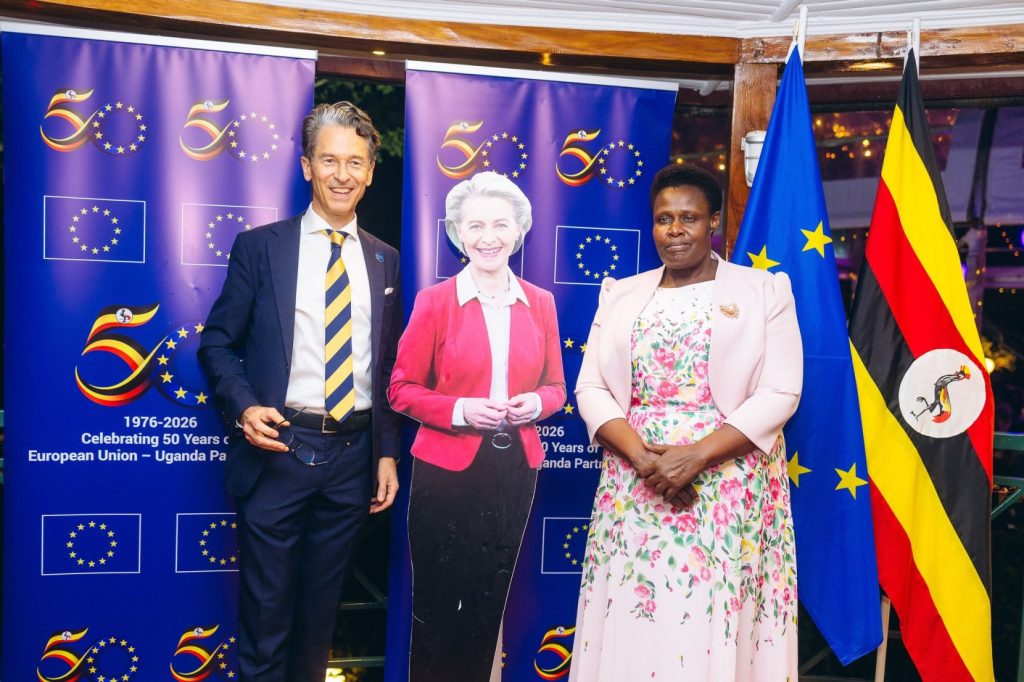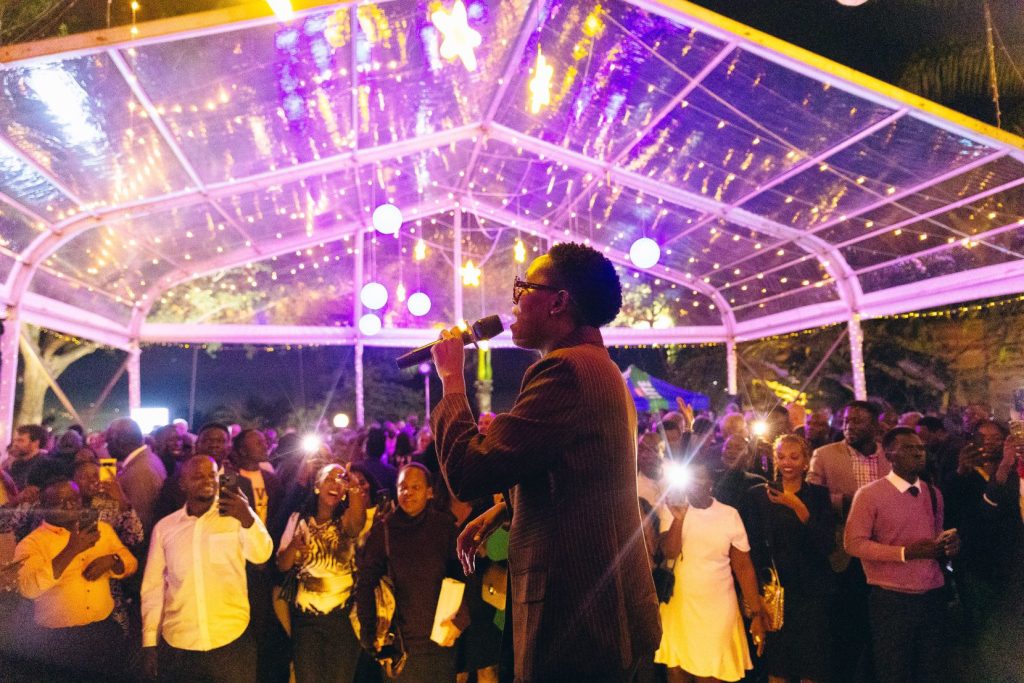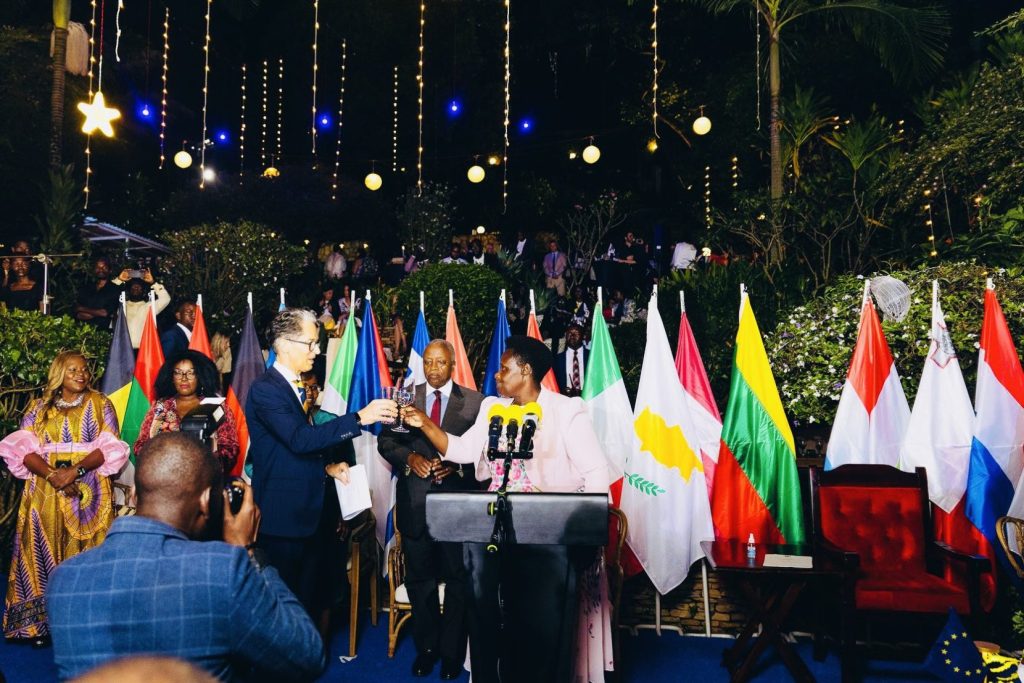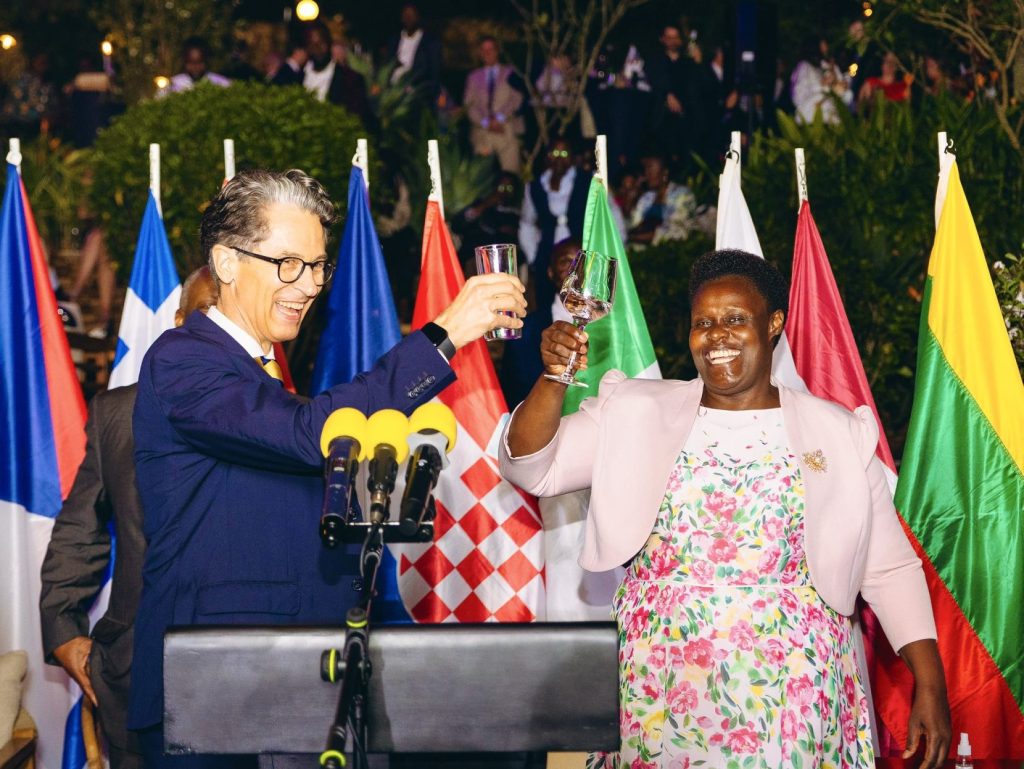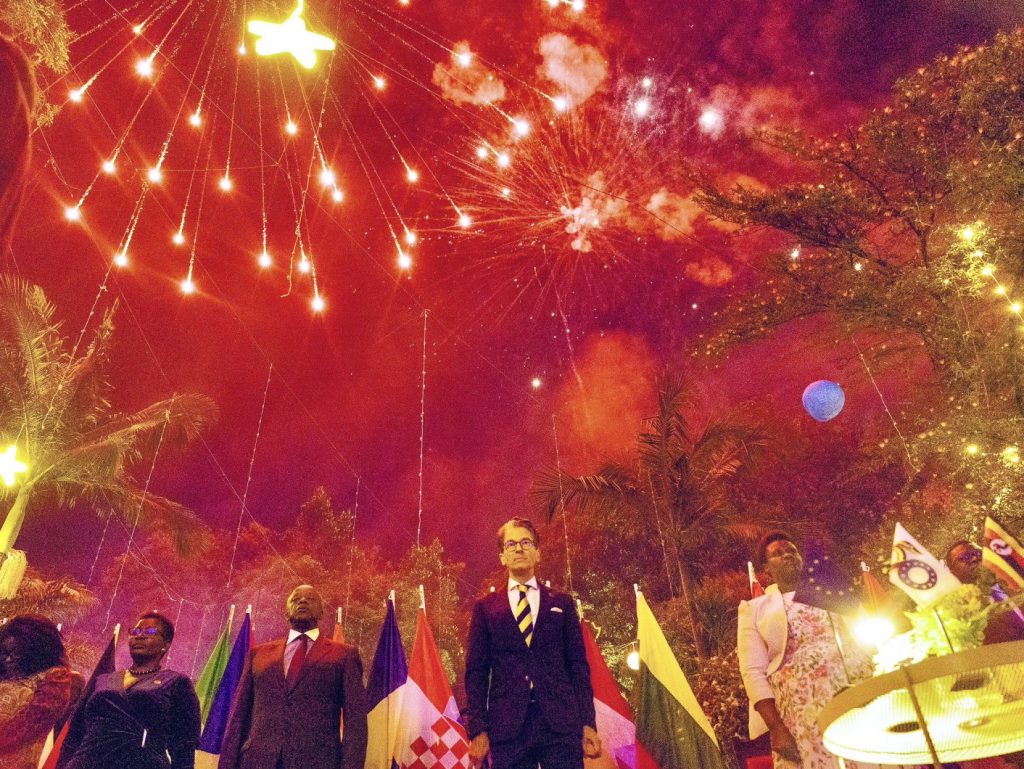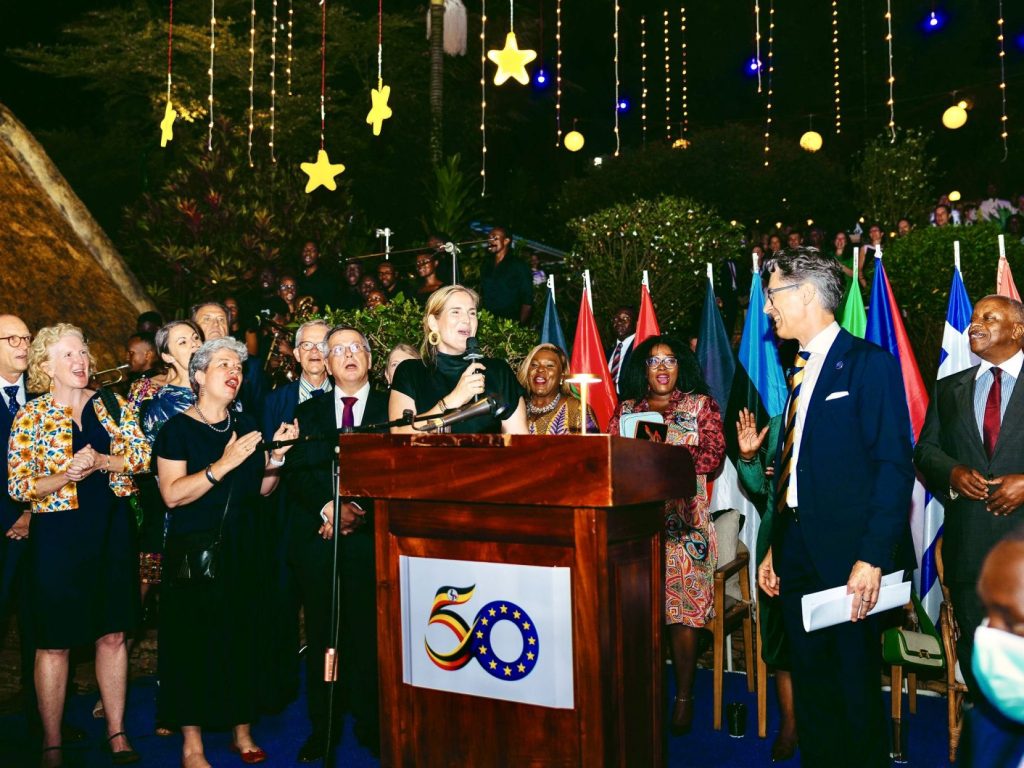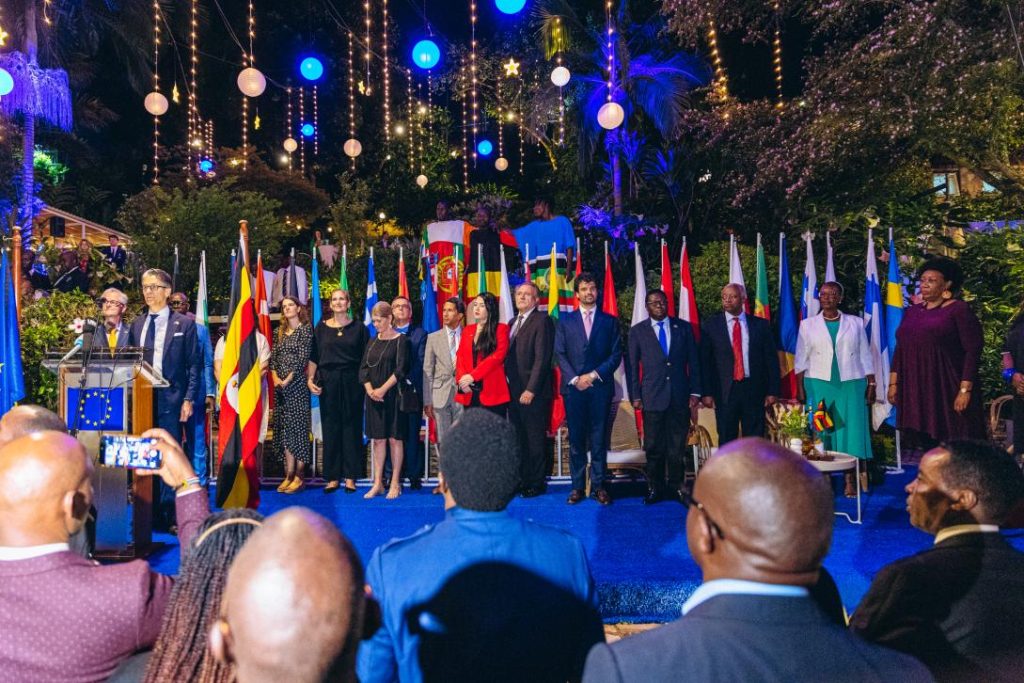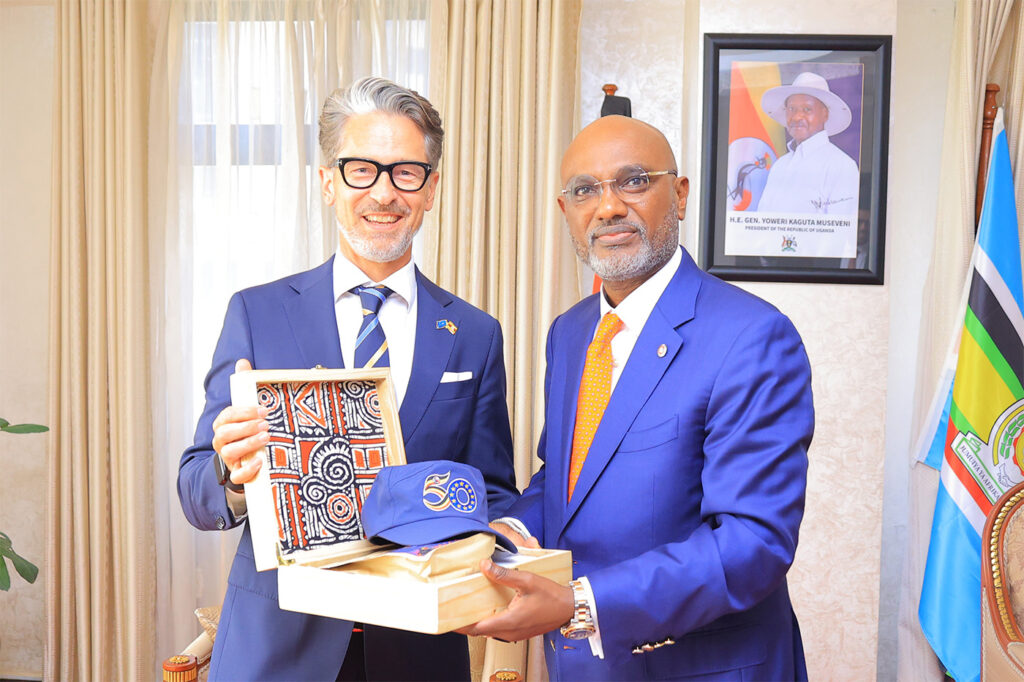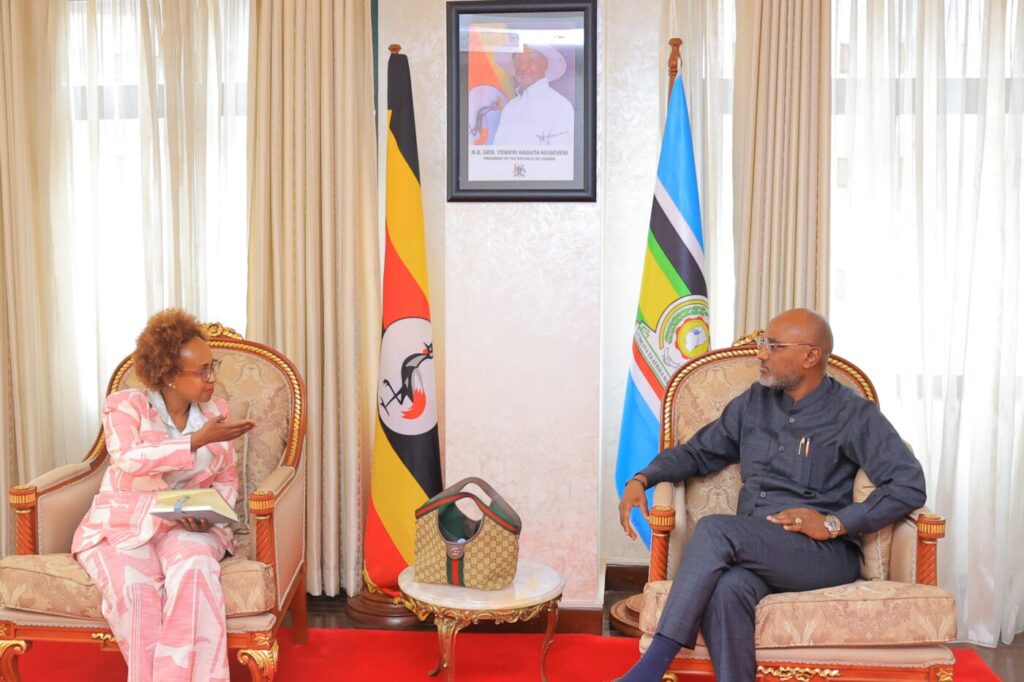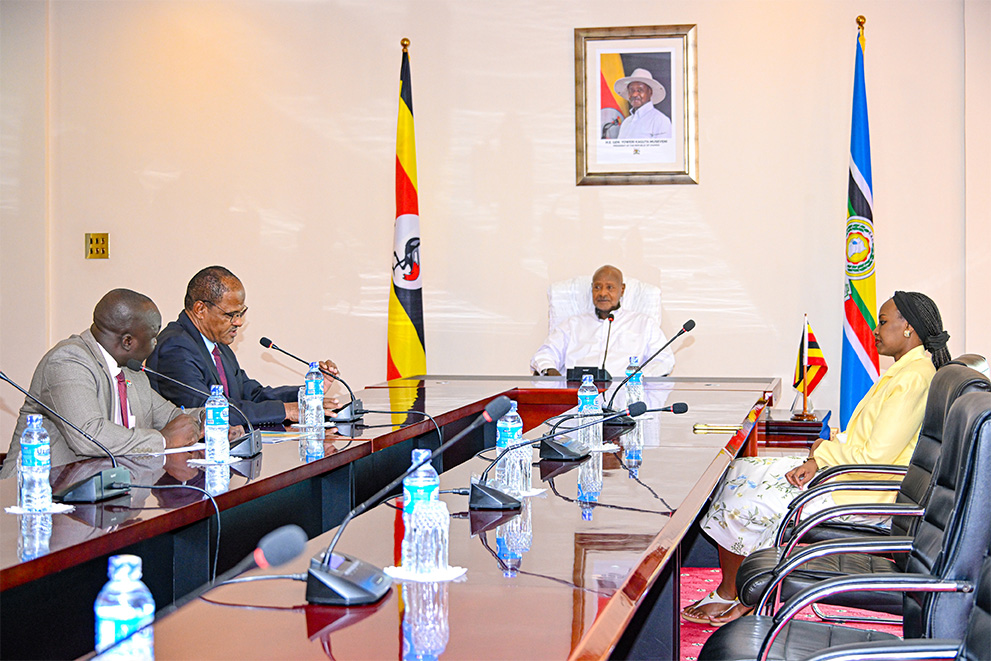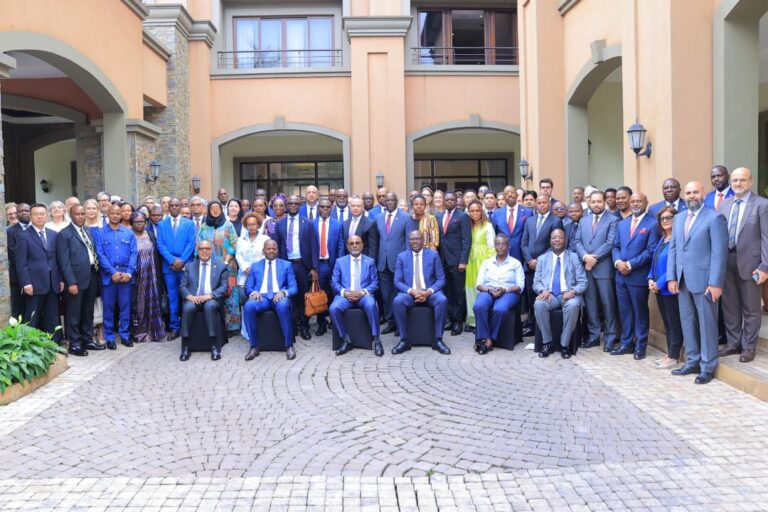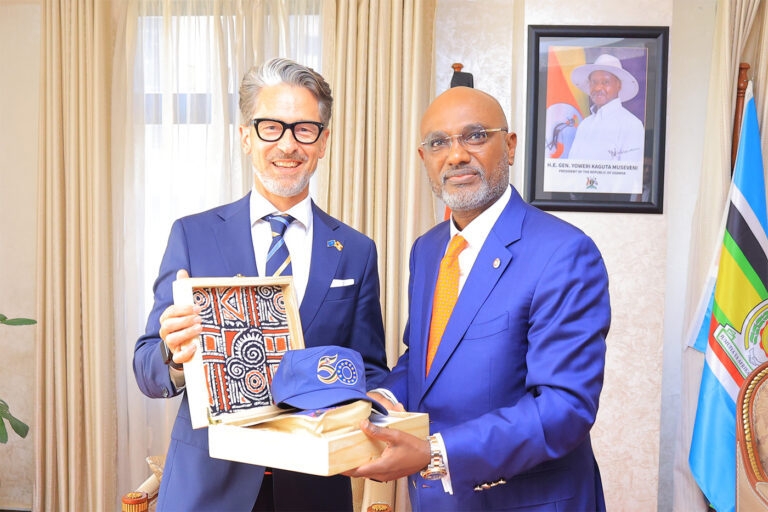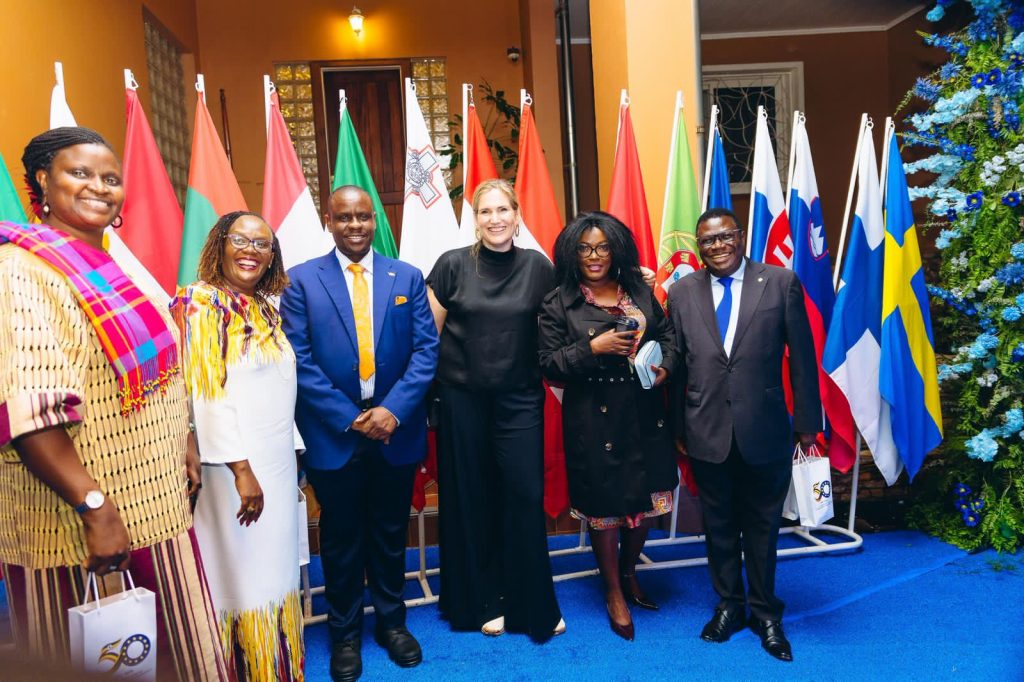
Kampala, Uganda – As the international system continues to navigate geopolitical uncertainty, economic realignments, climate pressures and emerging security challenges, the commemoration of 50 years of diplomatic relations between Uganda and the European Union carried significance far beyond protocol. Marked during the Europe Day celebrations in Kampala on 7 May 2026, the occasion reflected the evolution of a partnership that has steadily transformed into one of strategic cooperation anchored in mutual respect, shared interests and global engagement.
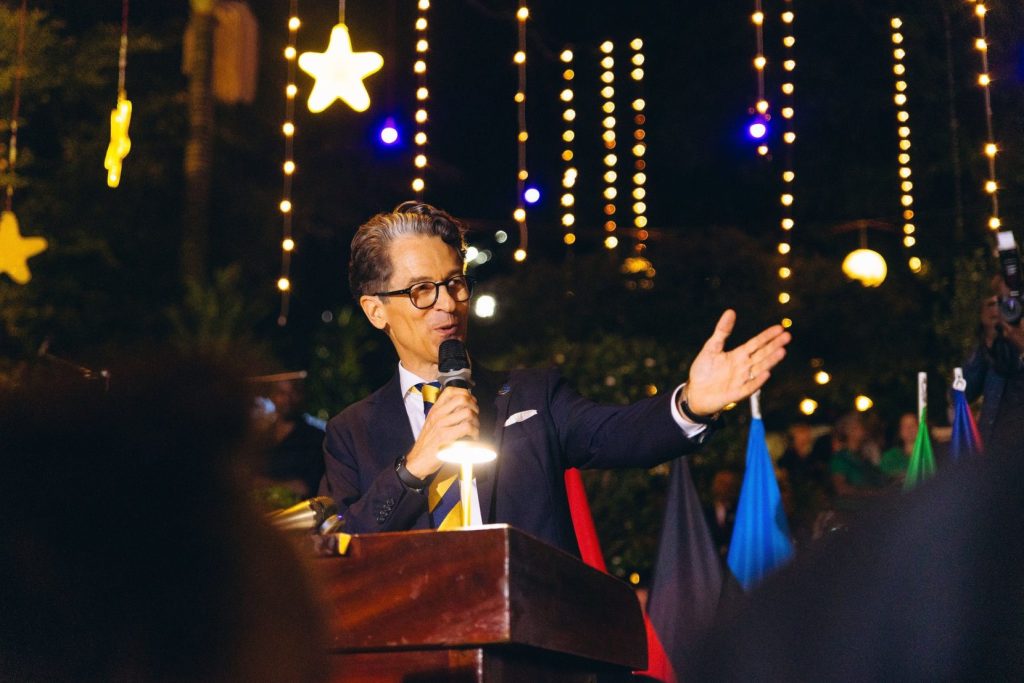
Hosted by the EU Ambassador to Uganda, Amb. Jan Sadek official residence in Uganda, the event convened senior government officials, diplomatic Corps, EU member states accredited to Uganda, private sector leaders, development actors and civil society representatives from both Uganda and Europe. The gathering served not only as a celebration of diplomatic milestones, but also as an opportunity to assess how both partners can respond collectively to contemporary global challenges.
In his address, Ambassador Jan Sadek reflected on the historical significance of Europe Day, rooted in the 1950 Schuman Declaration that laid the foundation for European integration after the devastation of the Second World War. He noted that the European project remains a testament to the enduring value of diplomacy, cooperation and multilateralism in preserving peace and advancing prosperity. Equally important was the recognition of five decades of formal engagement between Uganda and the European Union since diplomatic ties were established in 1976. Over the years, the relationship has expanded from conventional development assistance into a broader framework encompassing trade, investment, infrastructure development, energy, education, climate resilience and regional peace support initiatives.
European support to Uganda, estimated at nearly five billion euros over the decades, has contributed significantly to national development priorities. Investments in transport infrastructure, agriculture, refugee response mechanisms, water systems and renewable energy continue to strengthen livelihoods and institutional resilience across the country. Trade has increasingly emerged as a defining pillar of the partnership. Uganda’s exports to the European market, particularly coffee and other agricultural commodities, have grown steadily under preferential market access arrangements. European support toward value addition, standards improvement and industrial competitiveness aligns closely with Uganda’s ambitions under its Tenfold Growth Strategy and broader economic transformation agenda.
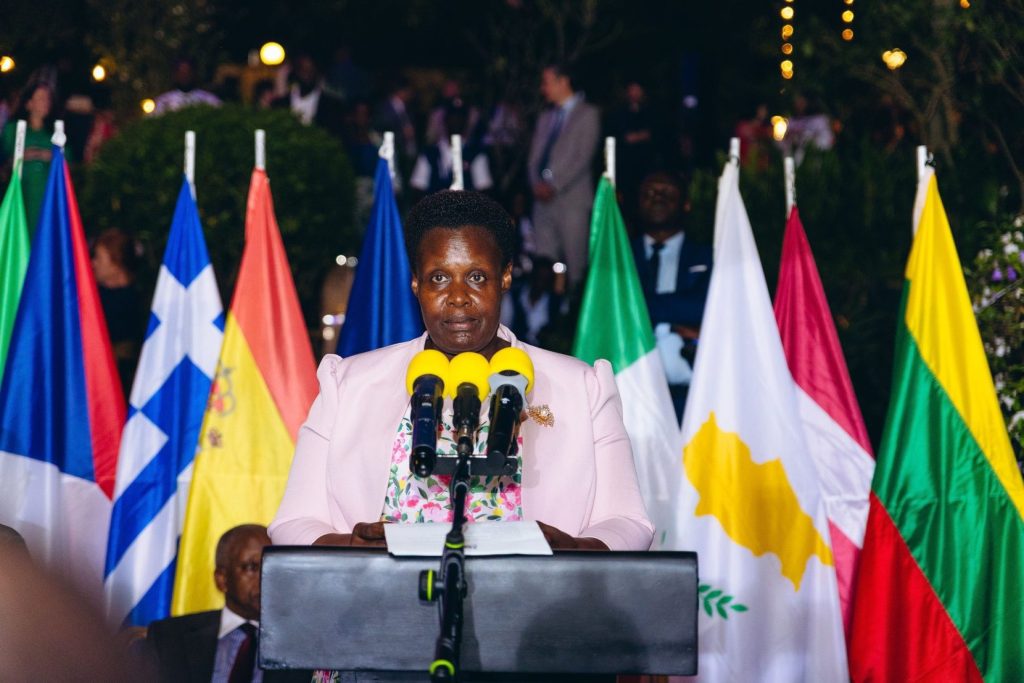
Uganda’s regional role was also acknowledged during the celebrations, particularly its contribution to peacekeeping efforts and its globally recognised refugee-hosting policy. These efforts continue to position Uganda as an important factor in regional stability and humanitarian diplomacy. In her remarks, Vice President H.E. Rtd. Maj Jessica Alupo reaffirmed Uganda’s appreciation for the European Union’s longstanding partnership and emphasised the need to deepen future cooperation in areas such as industrialisation, digital innovation, youth empowerment and sustainable investment. As Uganda and the European Union look toward the next phase of engagement, the partnership increasingly reflects a modern diplomatic model defined not solely by aid, but by shared responsibility, strategic investment and collective pursuit of sustainable development. In an era where international partnerships are being tested by shifting global dynamics, the Uganda–EU relationship stands as an example of how enduring cooperation can continue to shape inclusive and resilient global futures.