Kampala, Uganda – The upcoming 5th Uganda–Kenya Coast Tourism and Innovation Summit, scheduled for 26–27 October 2026 in Mombasa, was set to strengthen one of East Africa’s important tourism and commercial partnerships by advancing discussions beyond destination promotion towards connectivity, technology, policy reform, trade and investment. Held under the theme, “Unlocking Tourism Opportunities: Resolving Policy Bottlenecks through Technology, Youth, and Seamless Mobility across East Africa,” the summit was expected to bring together public institutions, private-sector actors, tourism operators, innovators and other stakeholders.
The engagement came as tourism assumed a growing role in Uganda’s economic diplomacy. Uganda recorded approximately 1.64 million international tourist arrivals in 2025, up from 1.37 million in 2024, while tourism receipts reached about UGX 5.83 trillion (US$1.62 billion) and the sector supported more than 876,000 jobs. Kenya remained an important tourism partner, with more than 460,000 Kenyans visiting Uganda and approximately 235,000 Ugandans travelling to Kenya, representing almost 700,000 movements between the two countries.
At the summit’s launch in Kampala, Stephen Asiimwe, Executive Director of the Private Sector Foundation Uganda, identified costly air travel as a major constraint to deeper tourism and commercial ties. “The cost of flying between Entebbe and Kigali, a 40-minute trip, is $450. Similarly, the distance in terms of time between Entebbe and Nairobi is 50 minutes, yet it is $800,” he said. Asiimwe argued that affordable connectivity would stimulate economic activity. “If we reduce the cost of flying between the two capitals, it then means that we shall have more travel, more stay, more spend, and our GDP performance on tourism is going to improve,” he said, calling for the issue to be addressed urgently. He noted that a return flight to Mombasa could cost about US$700, potentially discouraging travel and repeat visits.
Ambassador John Leonard Mugerwa, Head of the International Legal and Social Affairs Department while representing the Permanent Secretary at the Ministry, emphasised the scale of the untapped market. “If we collaborate, we should be able, at least, for each of our countries to get five million tourists,” he said. Reflecting on the nearly 700,000 existing movements, he added: “That tells us there is already a strong relationship between our two countries, but there is still enormous room for growth.”
The summit consequently promoted a “one opportunity, two destinations” approach. Mr David Kabata, Minister Counsellor at the Kenya High Commission in Kampala, observed: “Uganda does not compete with the coast. Uganda complements the coast.” Kenya’s Indian Ocean beaches, marine experiences and coastal culture could therefore be combined with Uganda’s source of the Nile, wildlife, mountains, forests and adventure tourism to create stronger multi-destination packages. Technology and seamless mobility were also expected to feature prominently. Kabata said, “Our intention is to move the conversation from simply promoting destinations to examining the systems, policies and partnerships that determine how effectively tourists and tourism businesses can access and benefit from these destinations.”
Hon. Susan Nakawuki Nsambu, State Minister for Tourism, situated the initiative within East African integration. “People are already moving, interacting and doing business, and our responsibility as governments is to make that movement easier, smarter, more innovative and more rewarding,” she said.
For Uganda’s Economic and Commercial Diplomacy, the summit represents an opportunity to translate strong bilateral people-to-people relations into greater tourism flows, trade, investment and innovation. Addressing aviation costs, non-tariff barriers and mobility constraints could strengthen the wider East African market while creating opportunities across hospitality, transport, agriculture, technology, creative industries and financial services.
The summit therefore represents more than a tourism event. It offers Uganda and Kenya an opportunity to position their destinations as complementary gateways to a more connected East African economy turning tourism connectivity into commercial opportunity and diplomatic goodwill into measurable economic value.

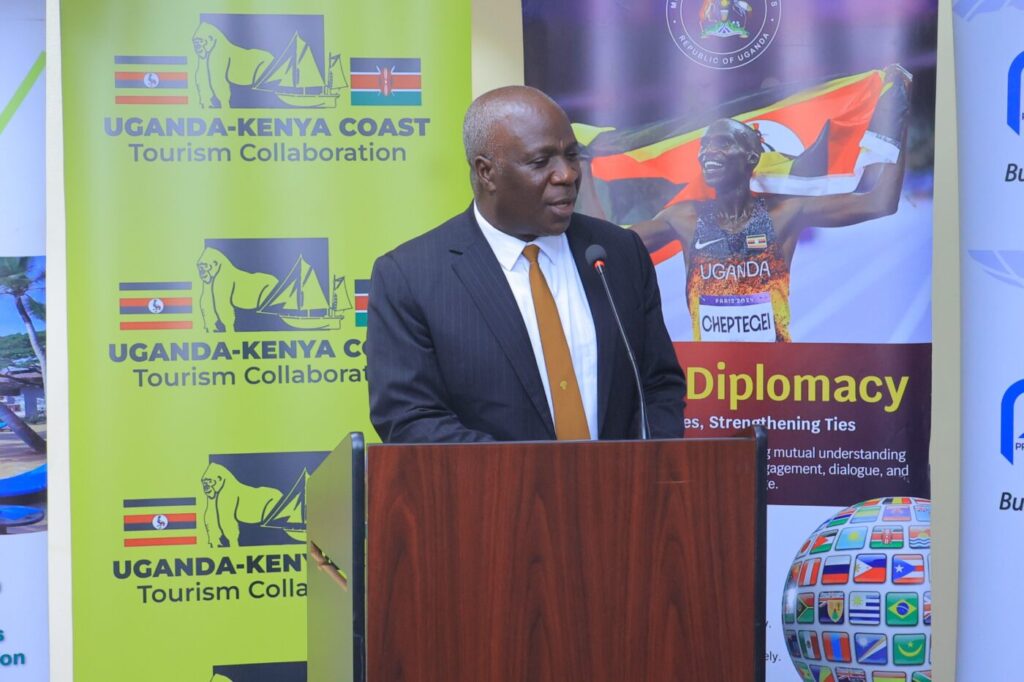





Photo Credit: Herbert Ssekatawa