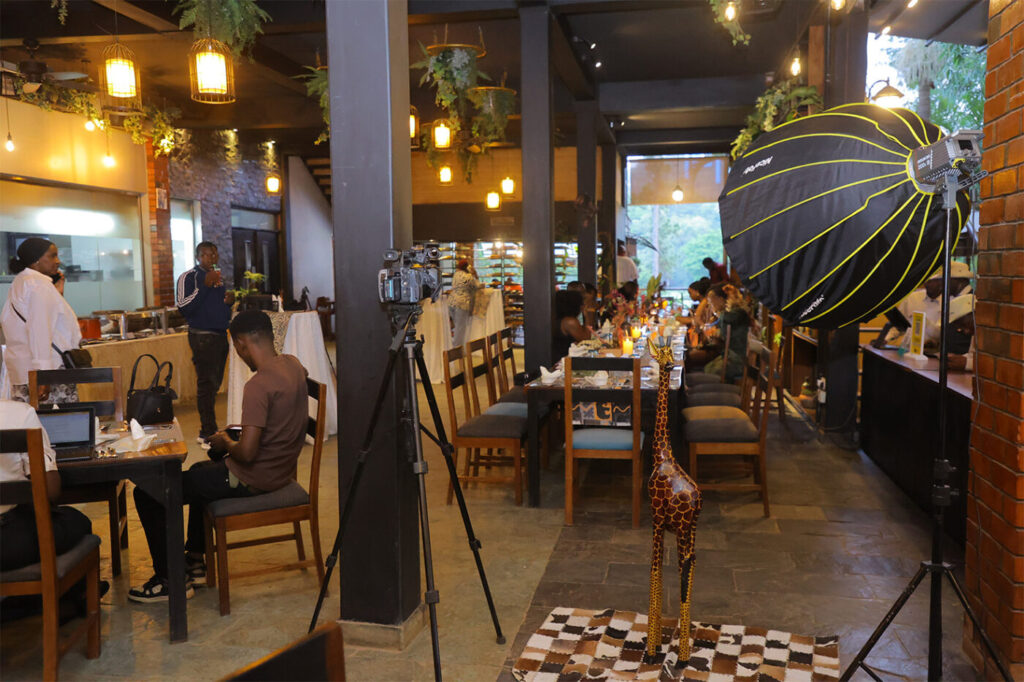
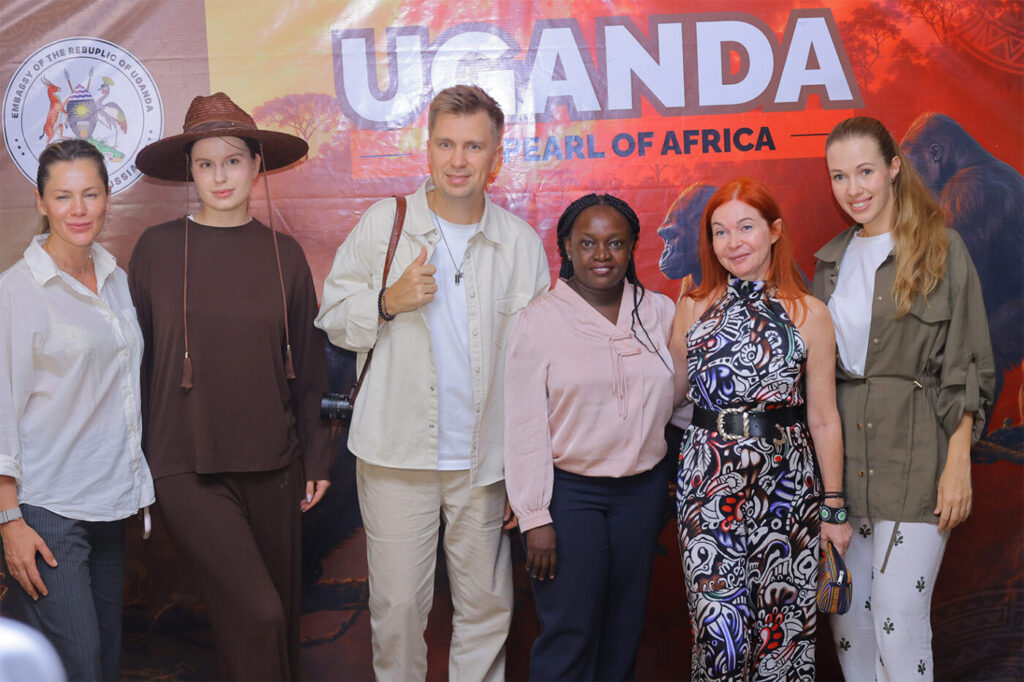
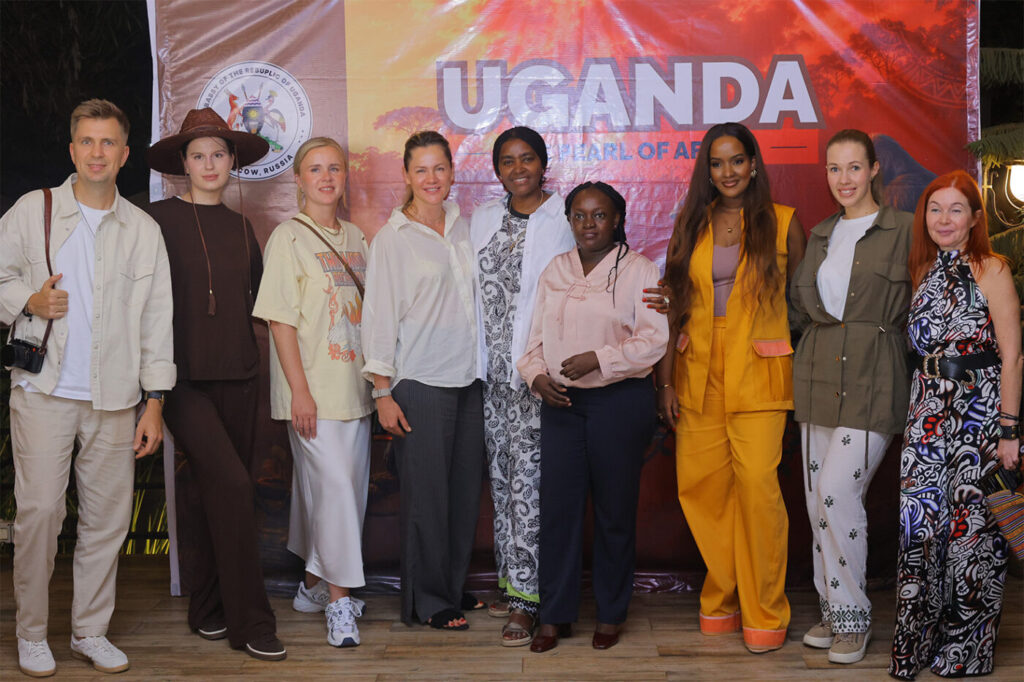
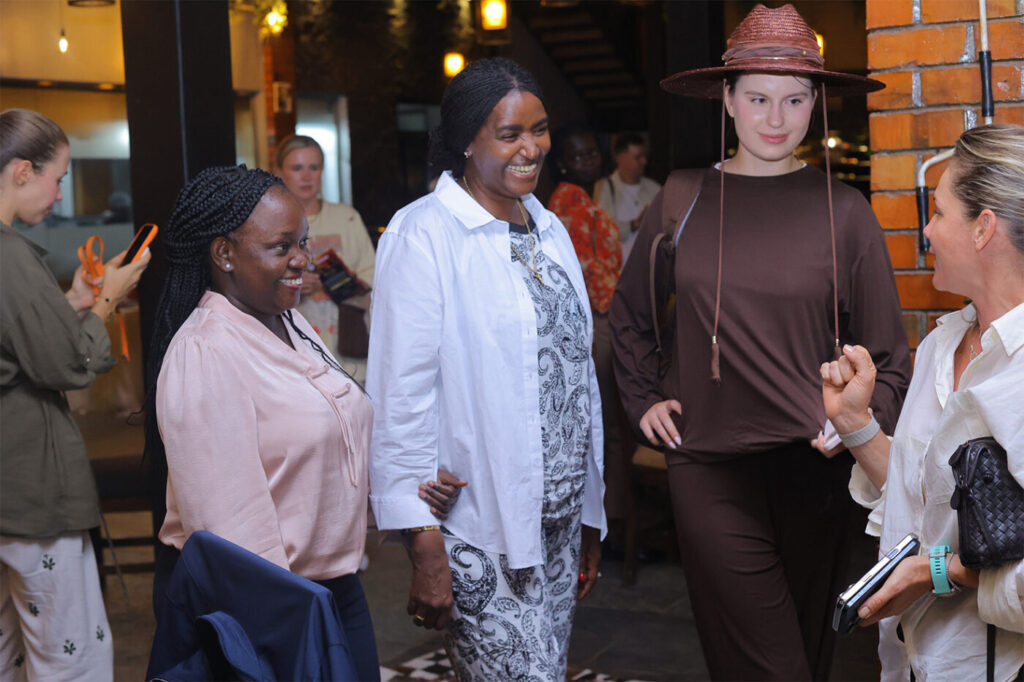
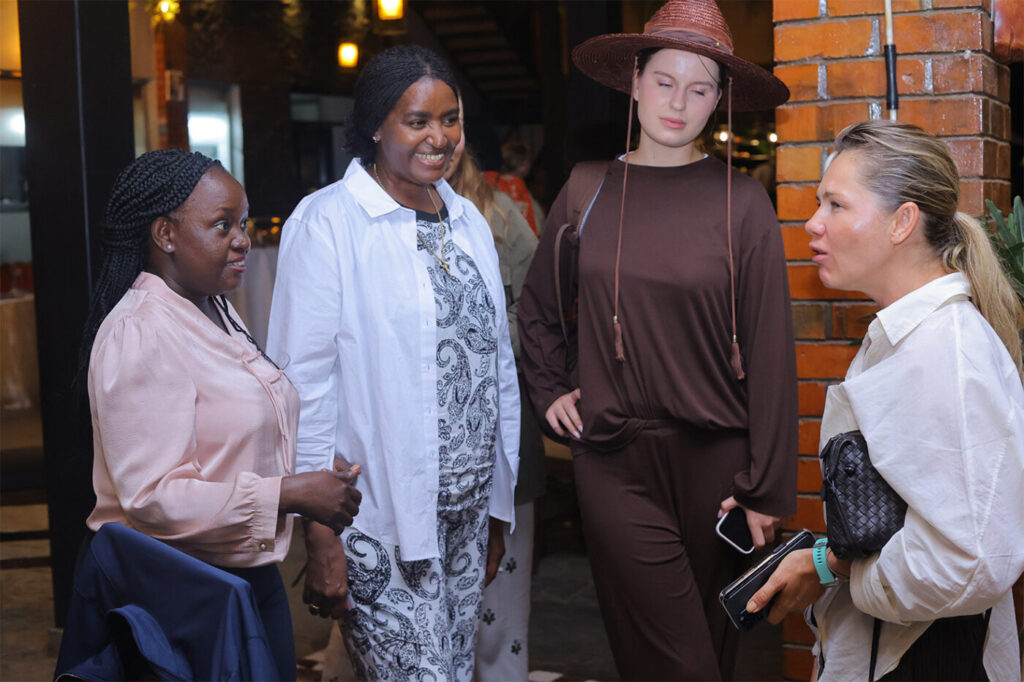
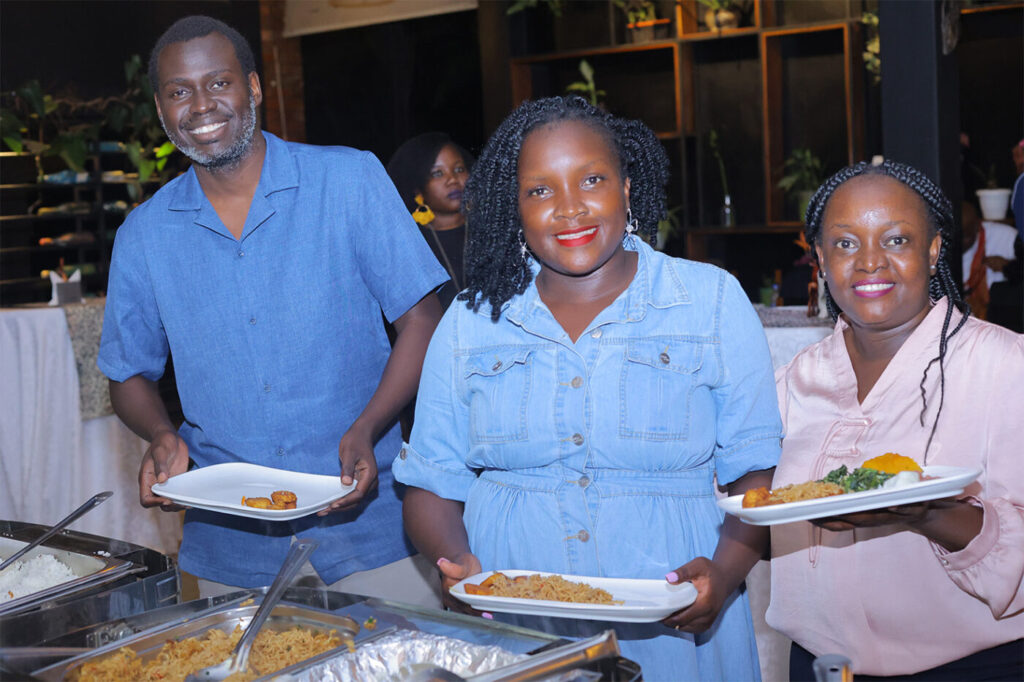
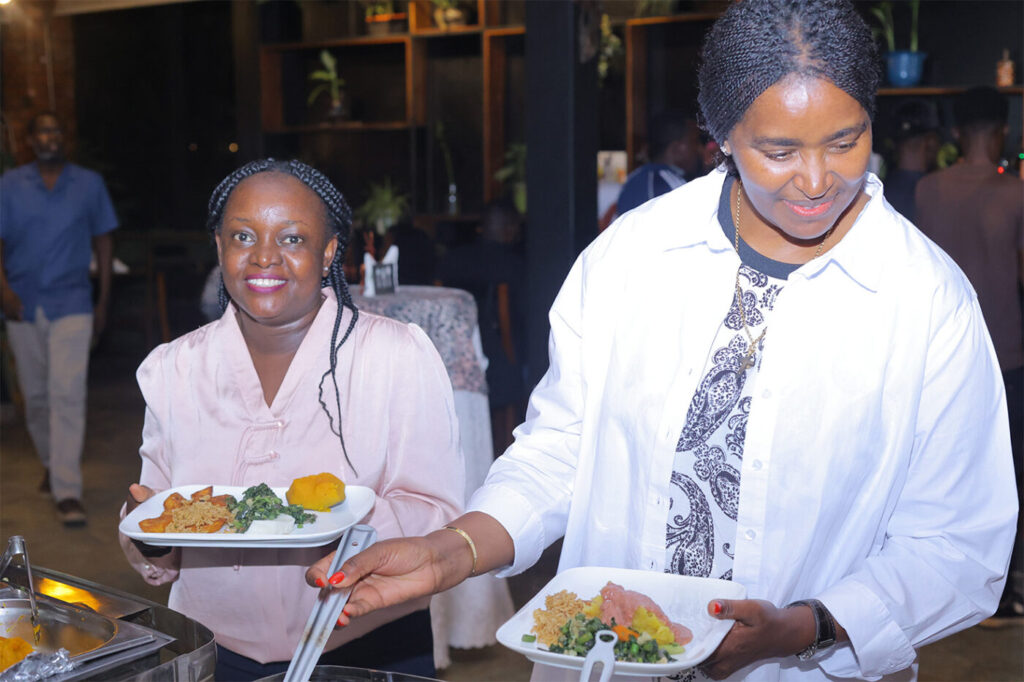
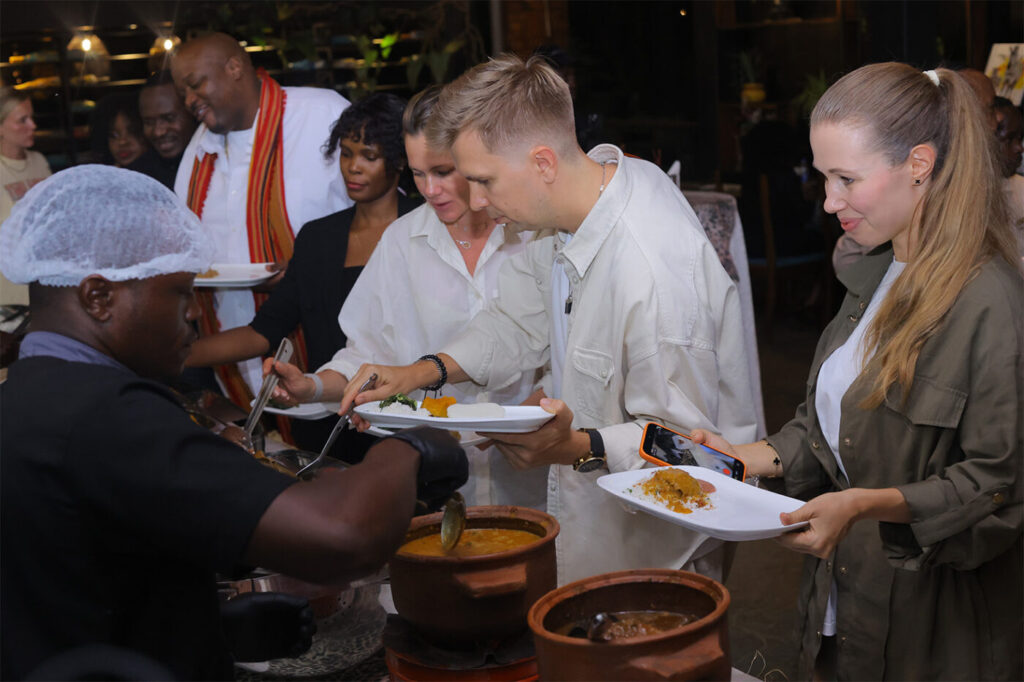
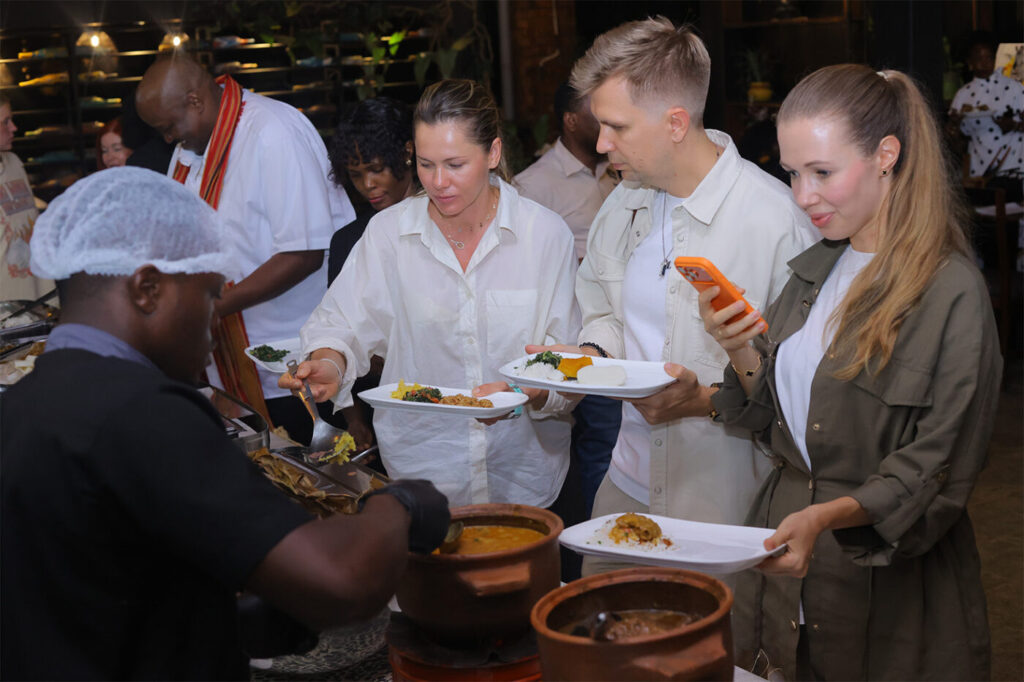
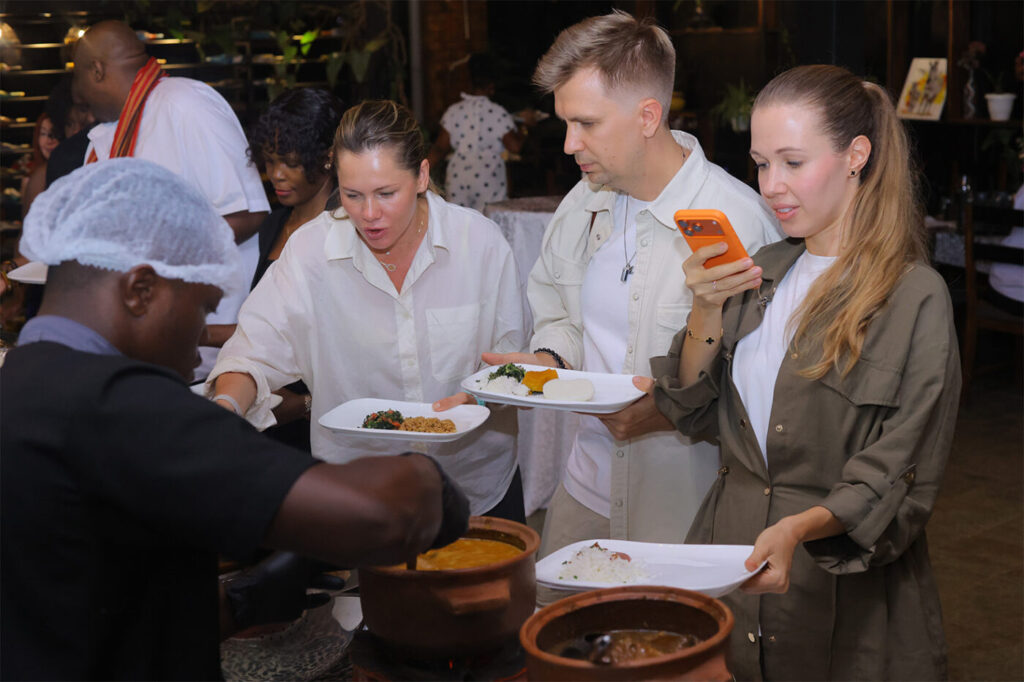
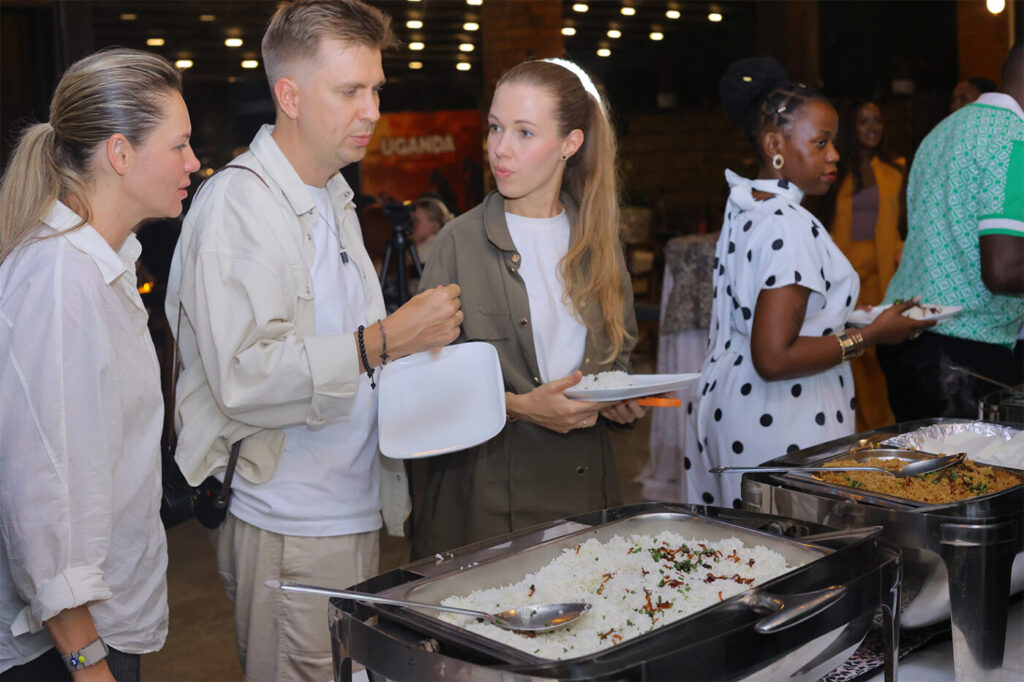
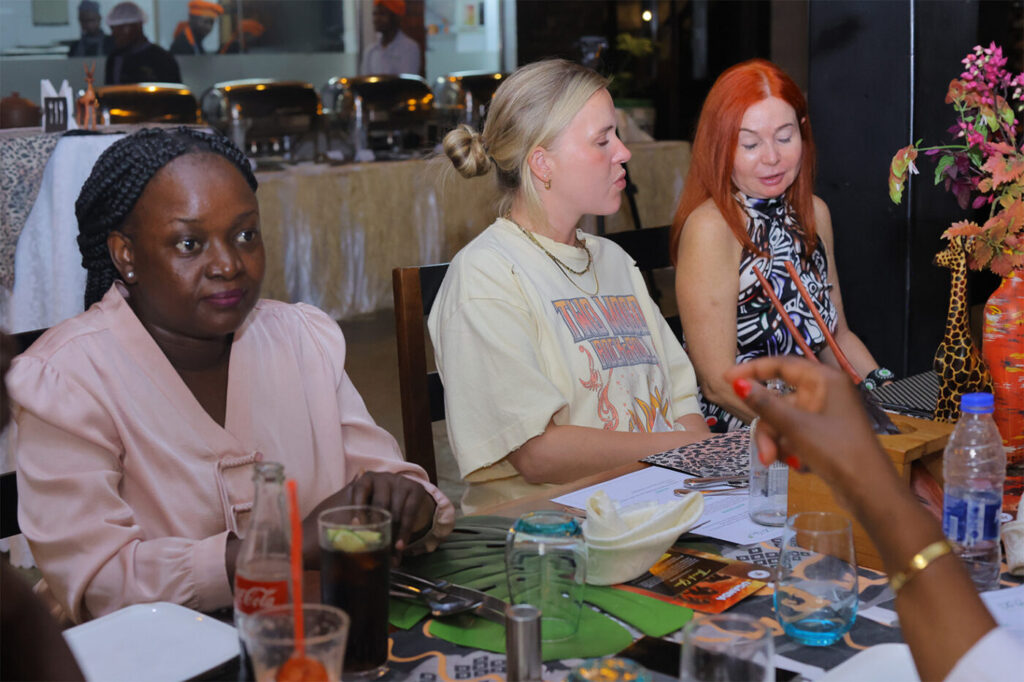
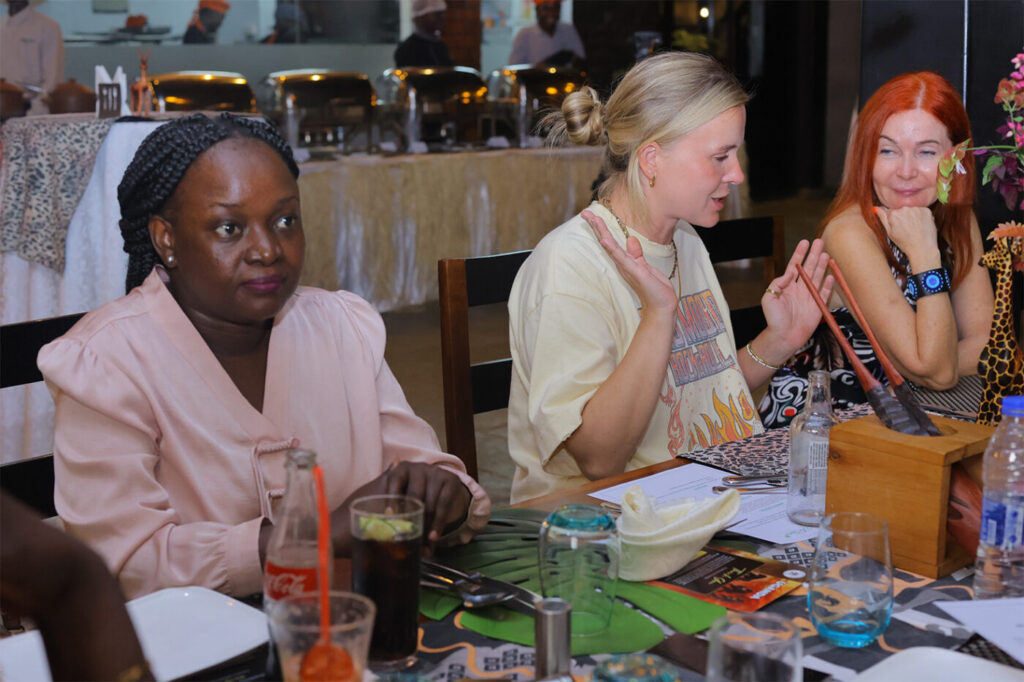
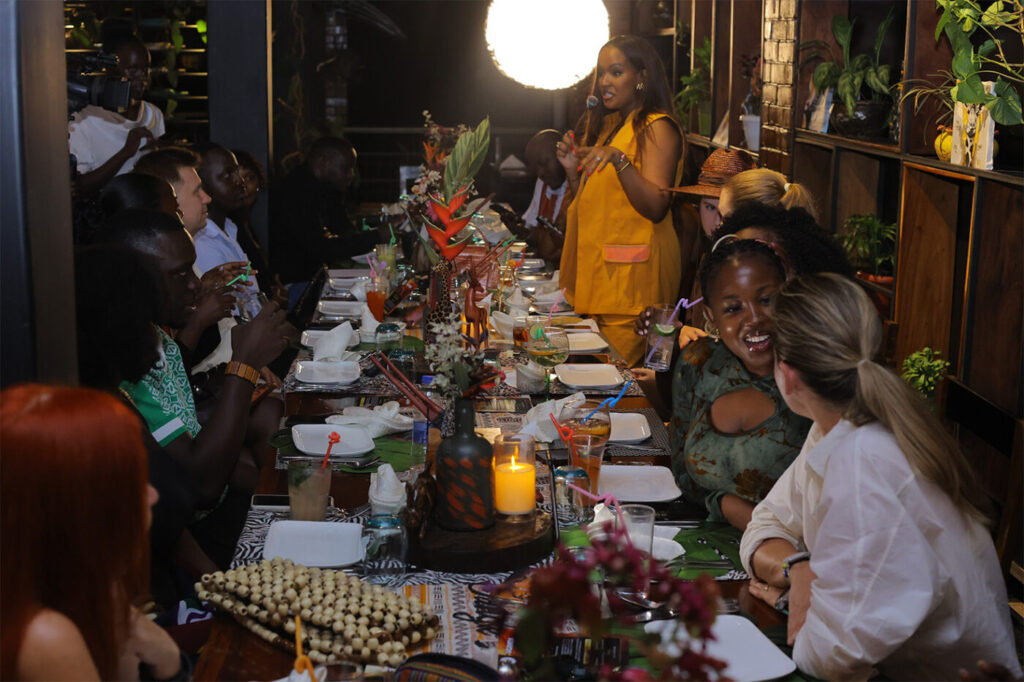
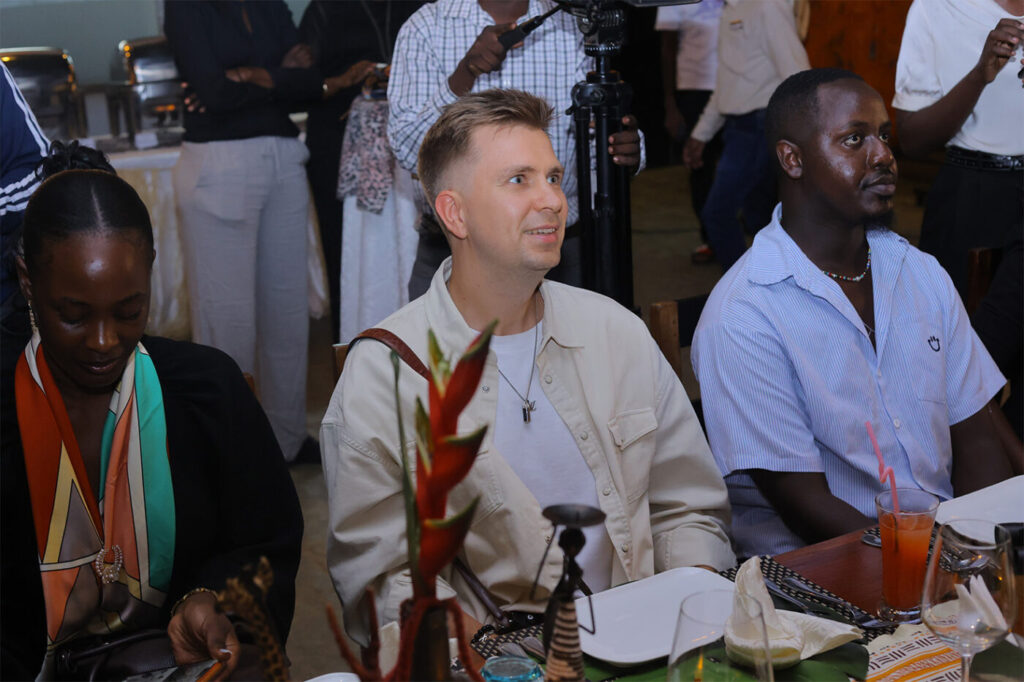
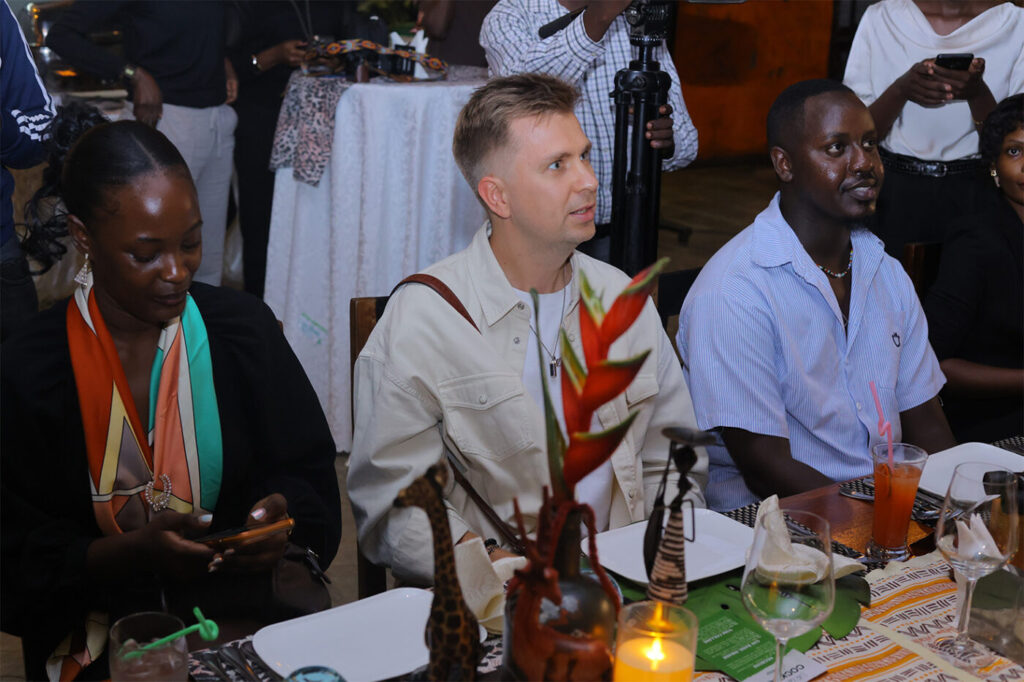
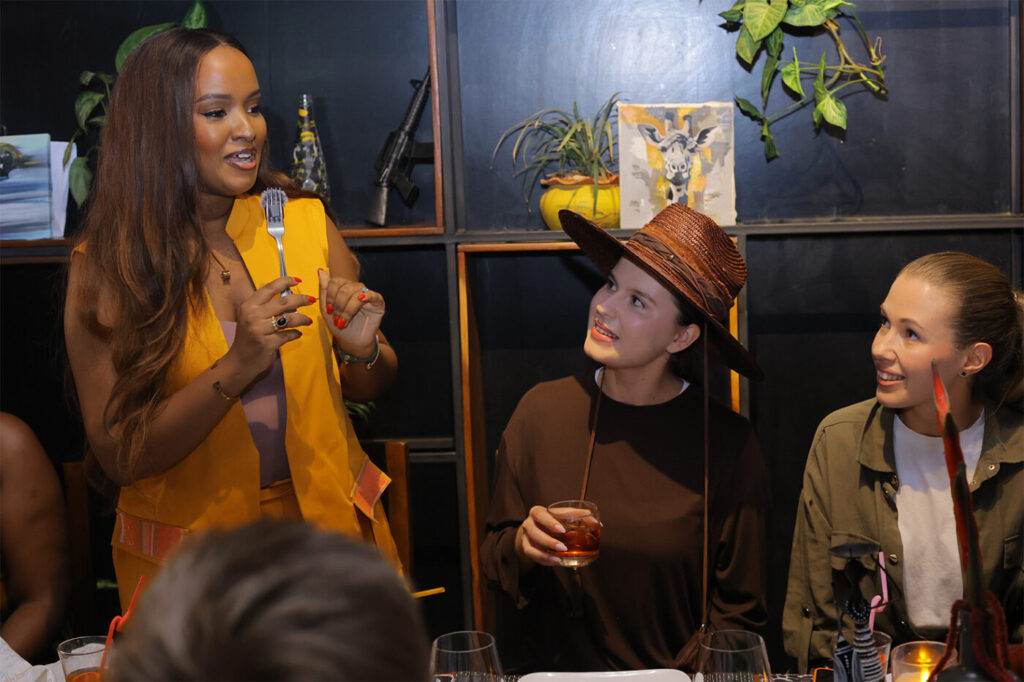
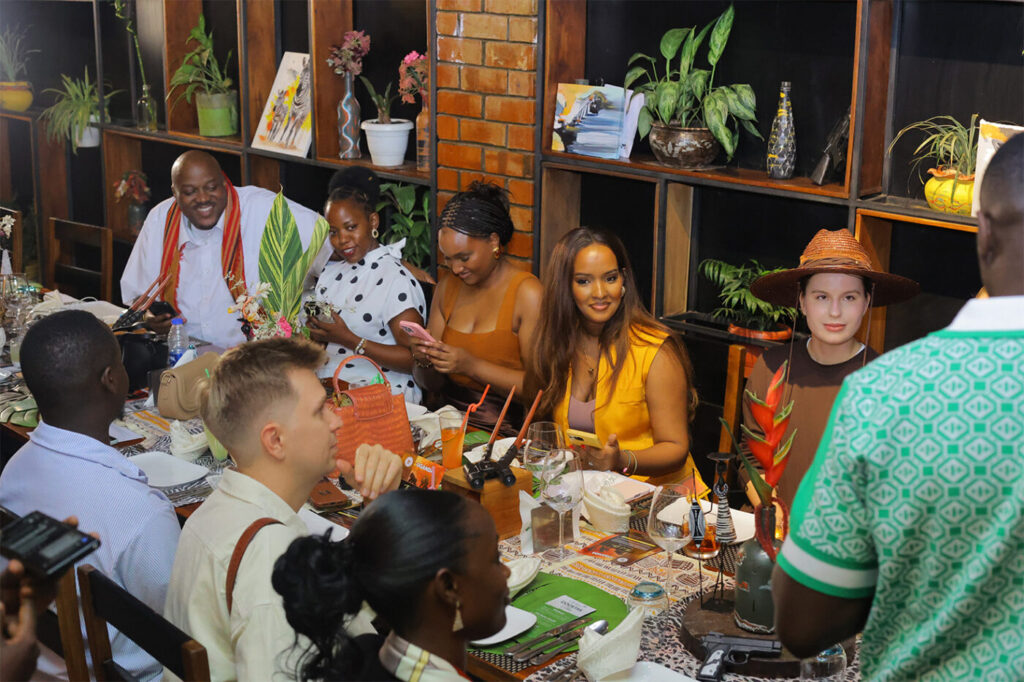
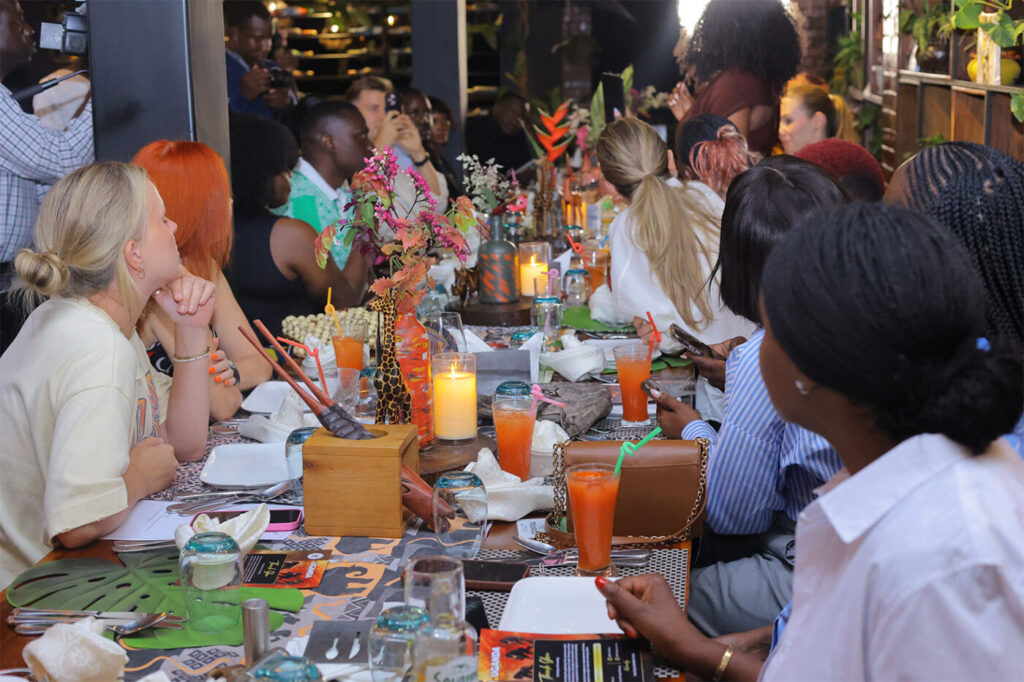
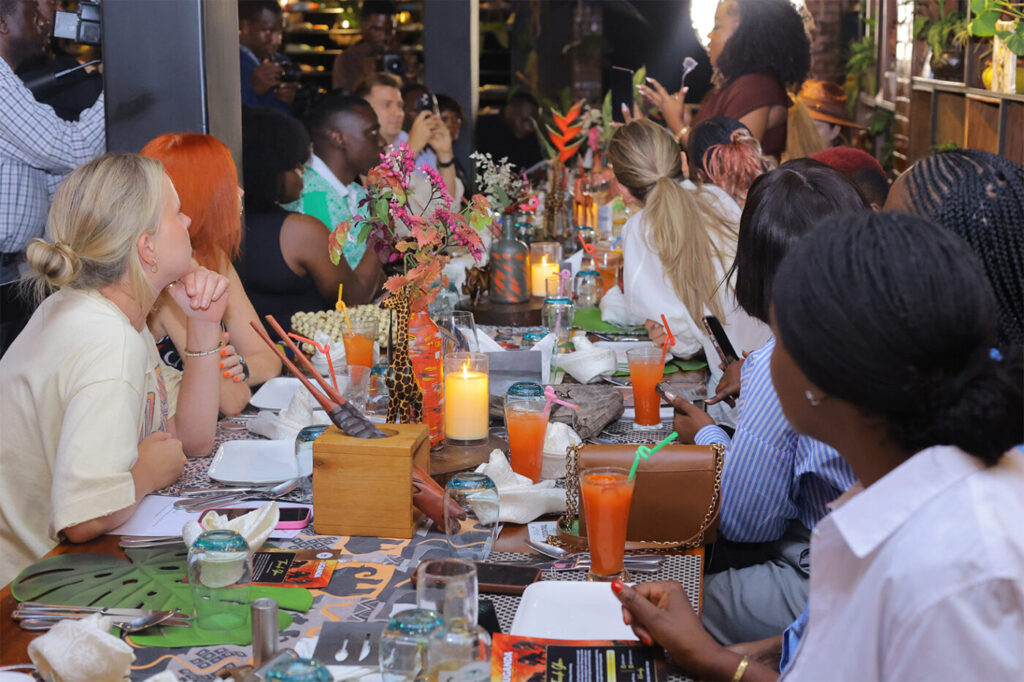
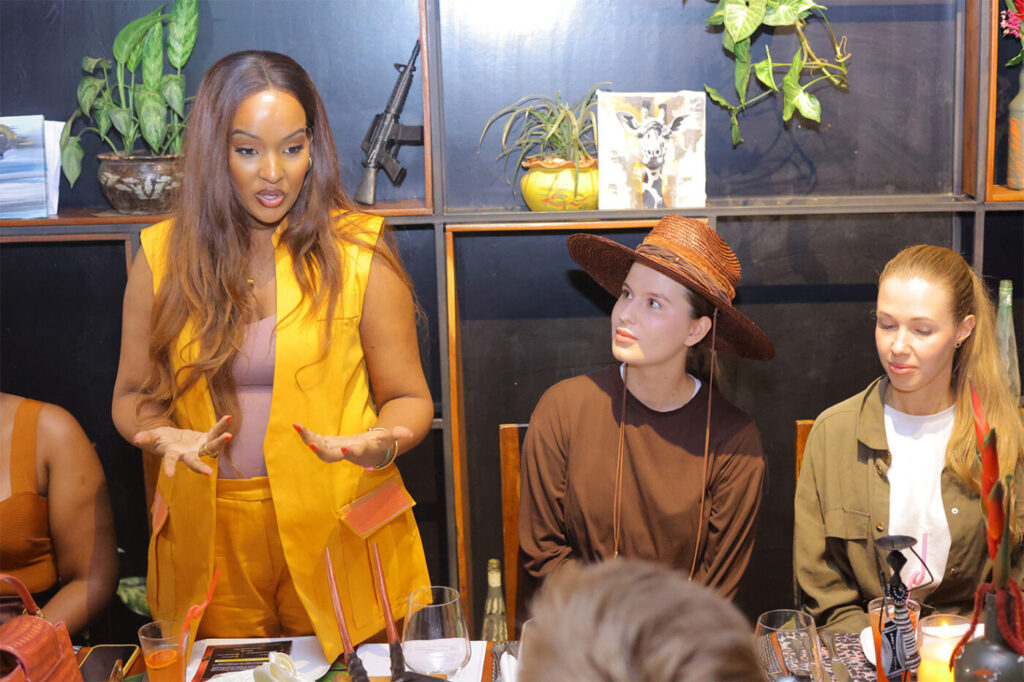
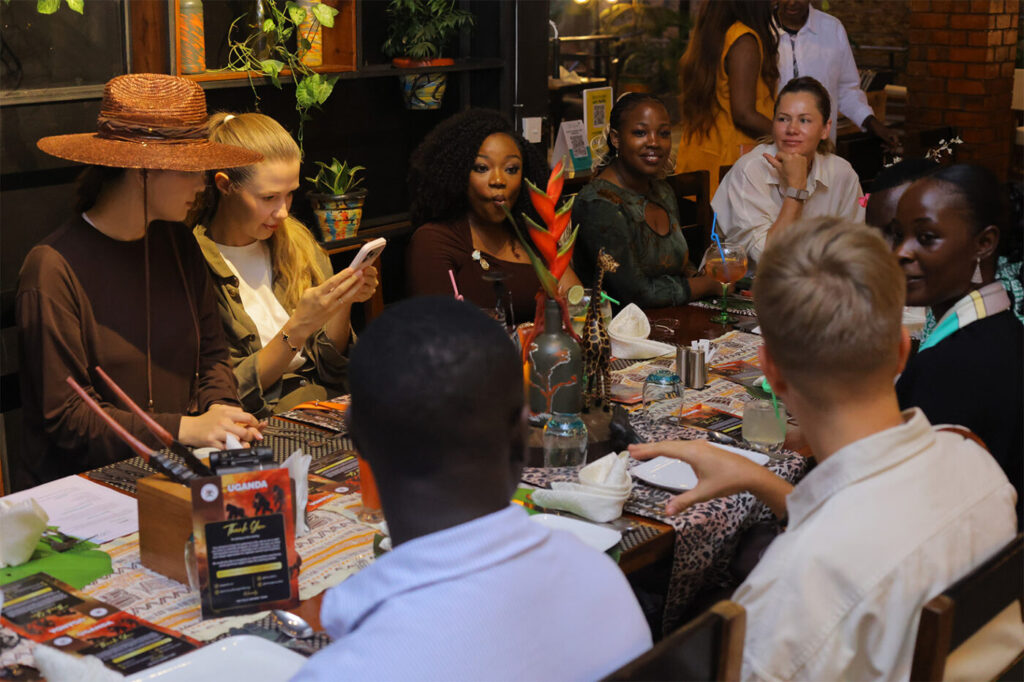
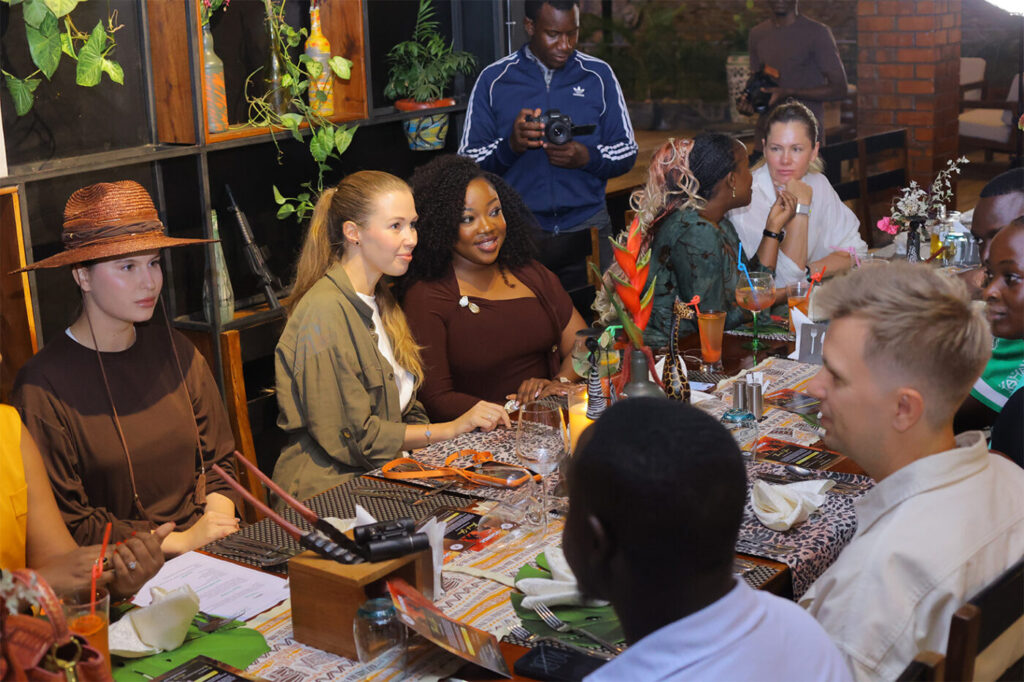
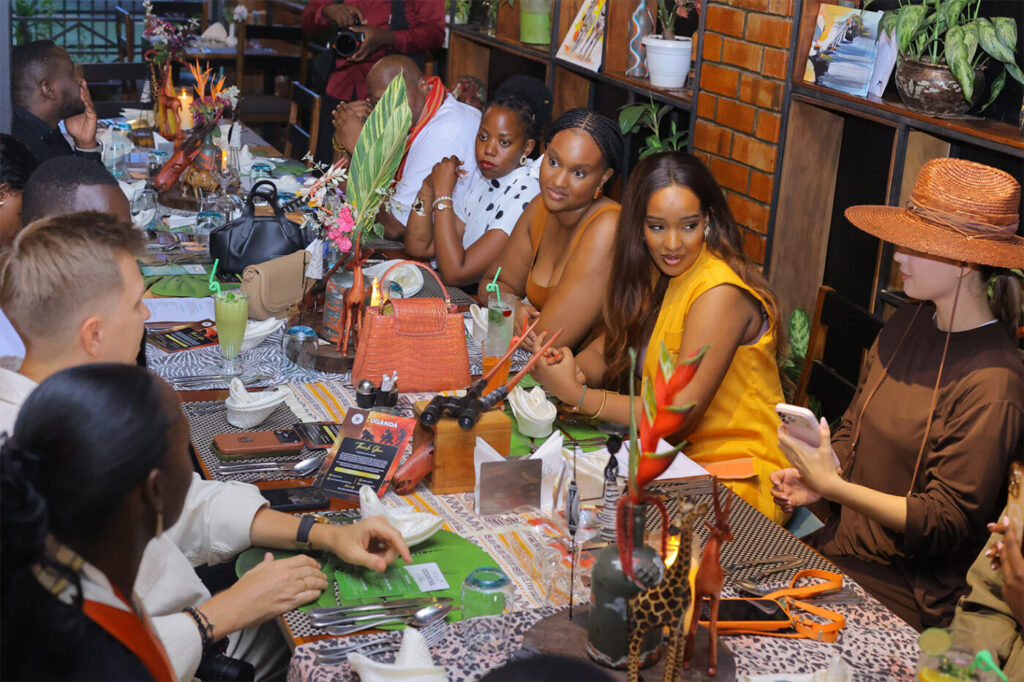
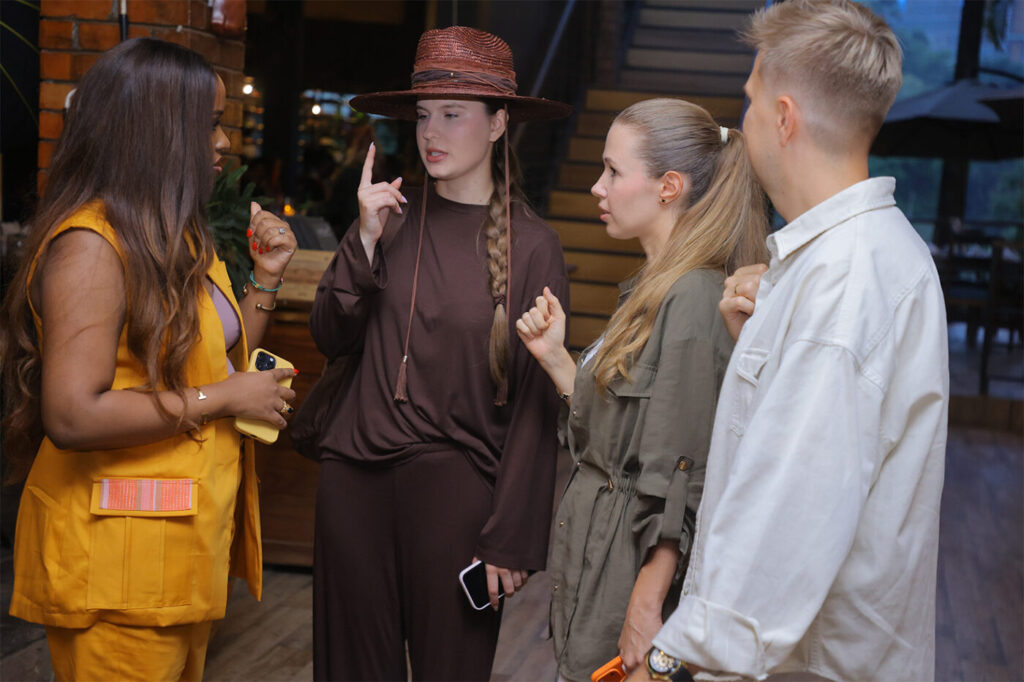
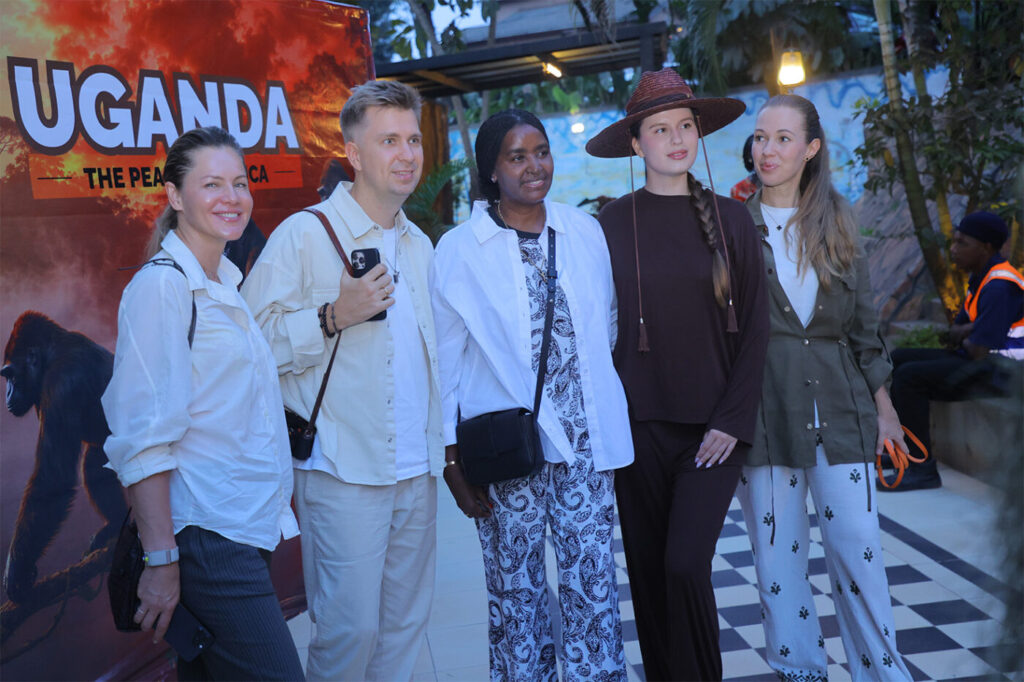
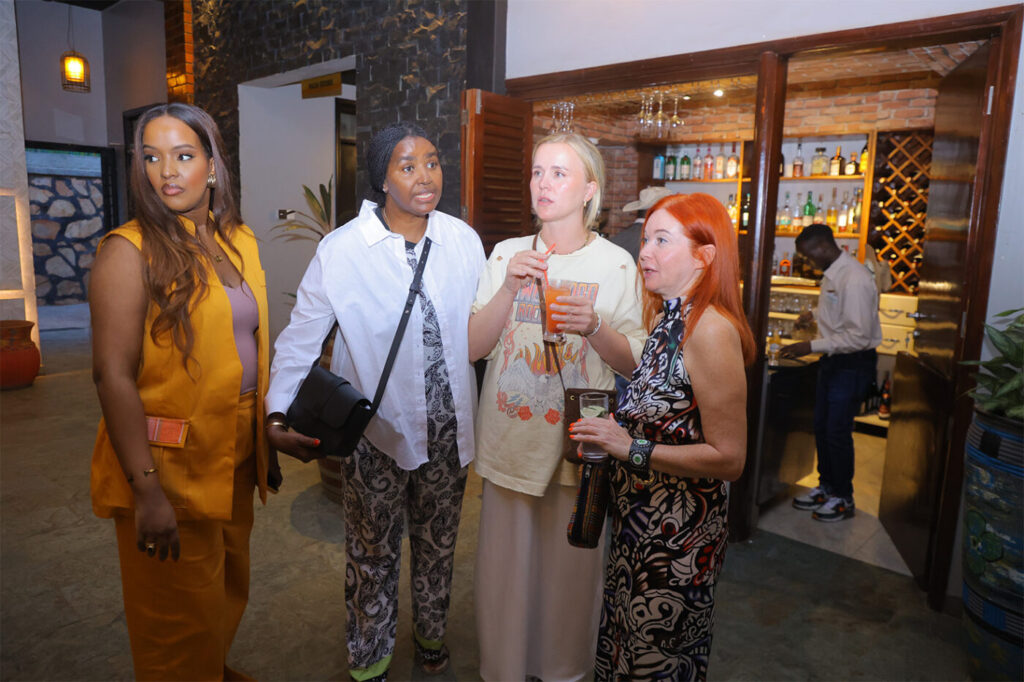
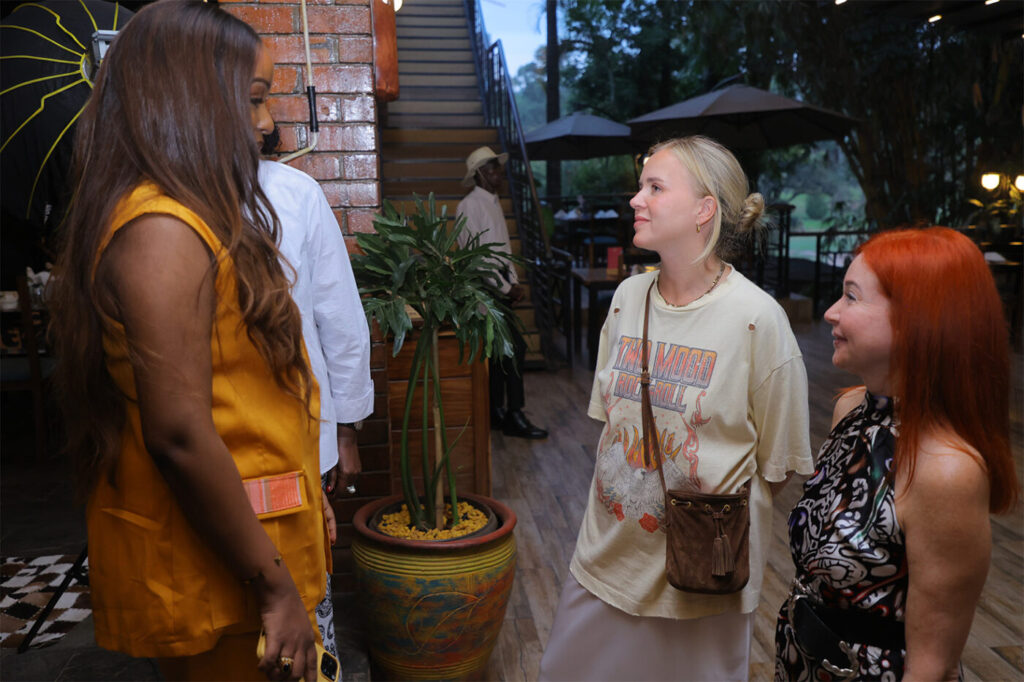
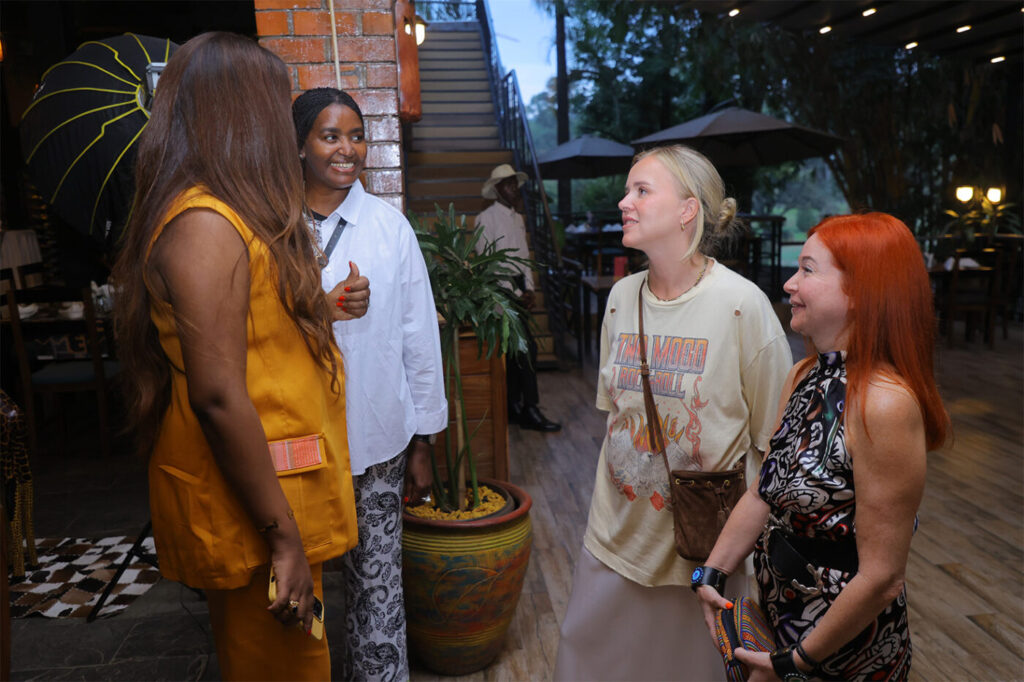
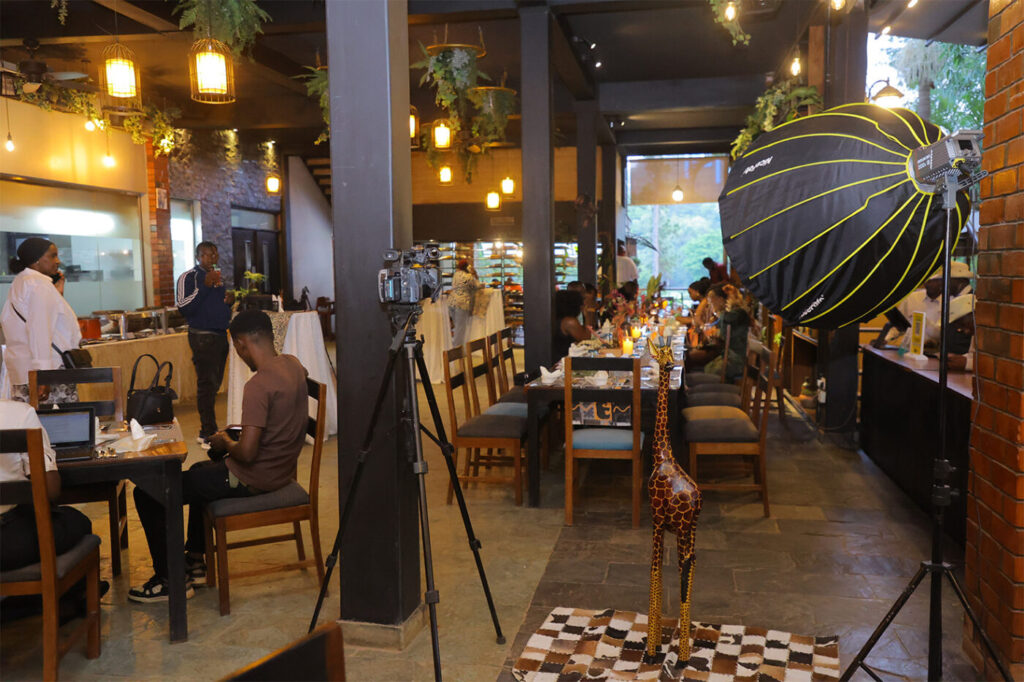
Kampala, Uganda – Diplomacy has traditionally been associated with negotiations, official visits and communiqués, but contemporary Public Diplomacy increasingly operates through experiences that allow foreign publics to encounter a country through its culture, products, people and places. The Uganda–Russia Experience, hosted by the Uganda Embassy in Moscow in partnership with the Ministry of Foreign Affairs and ‘Forking Around Kampala’, demonstrated how such engagements connect cultural diplomacy with tourism, trade and investment.
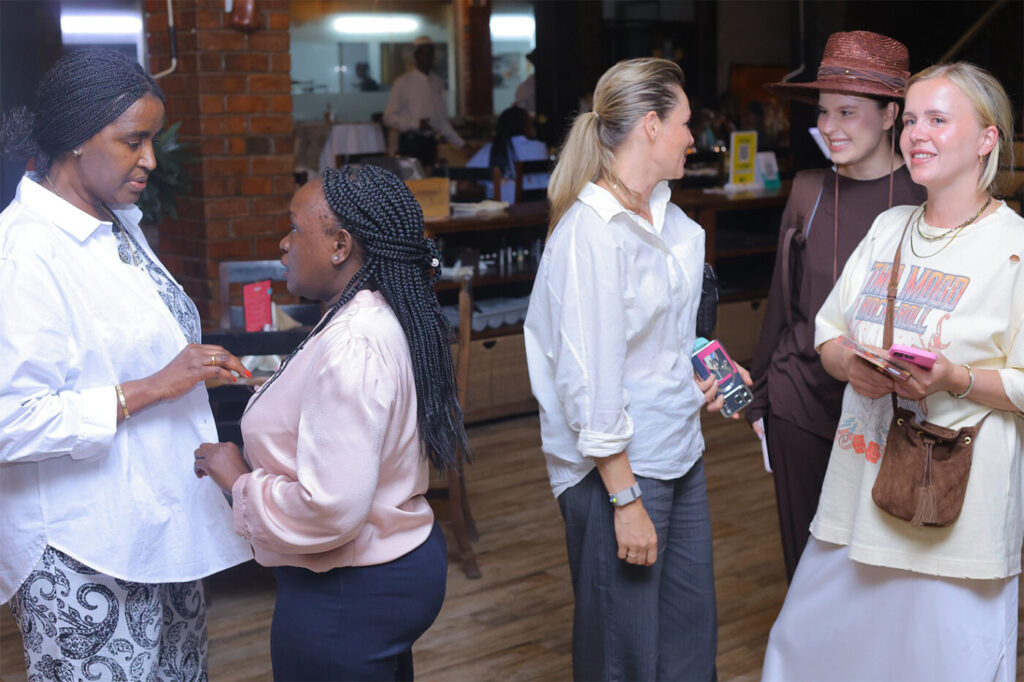
The culinary and cultural evening brought together Russian tour operators and media influencers, creating an informal platform through which Uganda’s cuisine, heritage and hospitality were presented as part of the country’s wider tourism and economic proposition. The engagement subsequently moved beyond the dinner table. The delegation undertook a farm familiarisation visit, connecting the experience of Ugandan food with the tourism, producers and value chains behind the country’s agricultural economy.
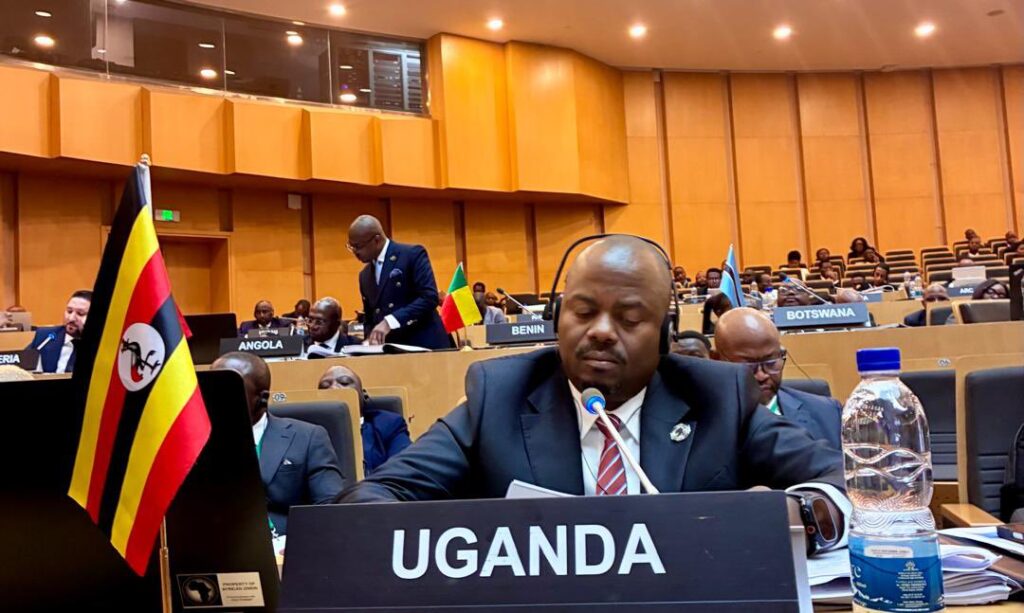
That progression from cuisine to tourism and from experience to enterprise reflected the broader objectives of Uganda’s Economic and Commercial Diplomacy (ECD) agenda. Uganda and Russia have maintained diplomatic relations since 13 October 1962, shortly after Uganda attained independence. In 2025, the relationship entered another phase of institutional consolidation, with the 3rd Session of the Uganda–Russia Intergovernmental Commission on Economic, Scientific and Technical Cooperation examined cooperation in trade, investment, science and technology, agriculture, education, energy, health and other strategic sectors. Both sides recognised the need to translate longstanding political relations into tangible economic outcomes.
The commercial figures demonstrate both the importance of the relationship and the opportunity ahead. Uganda exported approximately US$39.3 million in goods to Russia in 2024, with coffee, tea, spices and related agricultural products accounting for about US$35.18 million. At the same time, Uganda imported approximately US$190.69 million from Russia, principally cereals and other products. The figures illustrate a relationship with substantial commercial activity, but also considerable room for diversification and value addition.
Investment represents an even more important frontier. Uganda had not publicly established a single authoritative aggregate figure for Russian investment stock in the country, and it would therefore have been misleading to present prospective interest as realised investment. Instead, official Ugandan sources indicated that several Russian companies had expressed interest in establishing a presence in Uganda, while Russia had shown readiness to support agricultural machinery supply and servicing arrangements. Uganda had also specifically invited Russian investors and technical experts into oil and gas, agro-processing, industrialisation, science, technology and human-capital development.
Uganda’s proposition to Russian investors is not simply access to a domestic market, but to the wider East African Community and African Continental Free Trade Area markets, supported by Uganda’s investment incentives and growing regional integration. Tourism provides another natural bridge. During the 2025 Intergovernmental Commission, the Russian side identified tourism as an area with considerable untapped potential, while Uganda sought to attract more Russian visitors.
The farm familiarisation visit therefore carried significance beyond hospitality. It demonstrated that Ugandan diplomacy could present the country simultaneously as a destination, producer, investment location and commercial partner. A Russian tour operator could discover a tourism circuit; a media influencer could influence destination perceptions; an investor could see opportunities in agro-processing; and a visitor could experience the story behind Ugandan coffee and agricultural products. This was the practical value of culinary and agritourism diplomacy: Taste Uganda → Understand Uganda → Visit Uganda → Trade with Uganda → Invest in Uganda.
As Uganda and Russia prepared for further engagement, including the Third Russia–Africa Summit scheduled for Moscow in October 2026, the opportunity had been to convert diplomatic goodwill into measurable outcomes greater tourism flows, higher-value exports, technology partnerships, productive investment and skills development. The Uganda–Russia Experience had therefore illustrated a wider principle of modern diplomacy: the diplomatic table could open the conversation, but farms, enterprises, tourists, investors and products could determine where that conversation ultimately led.