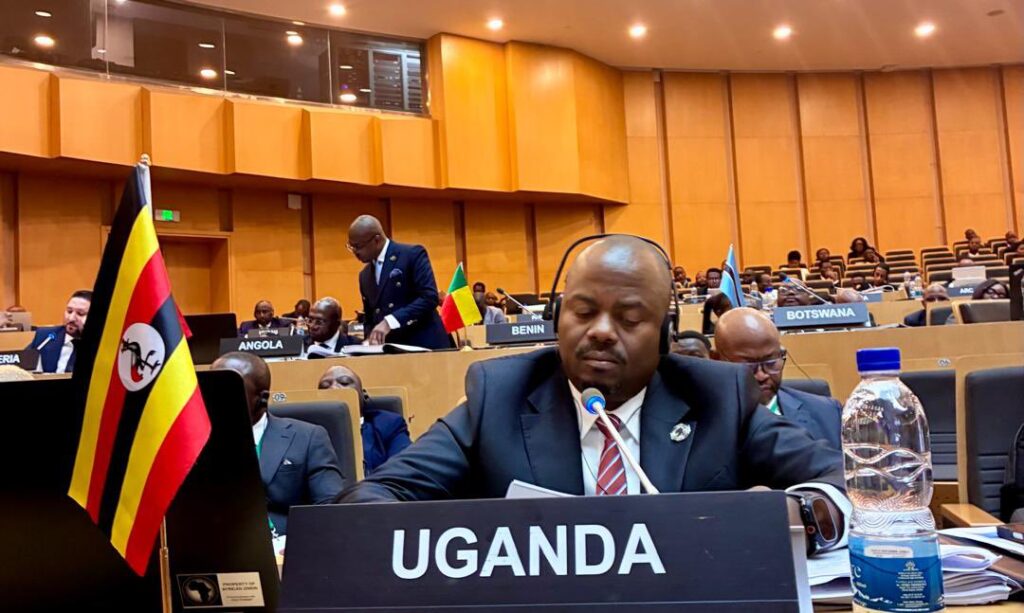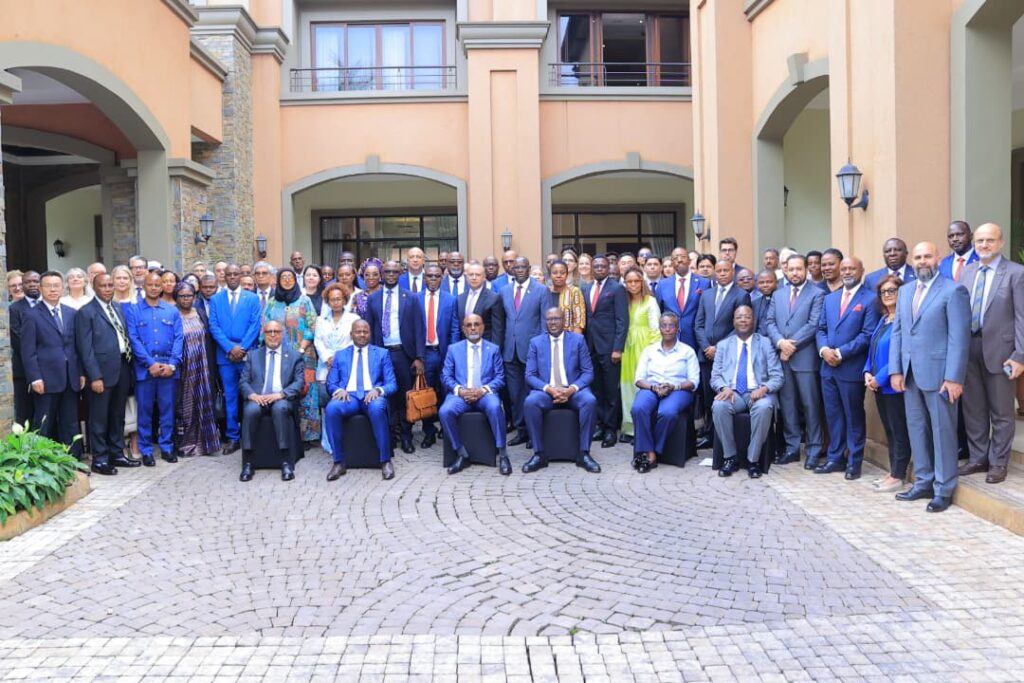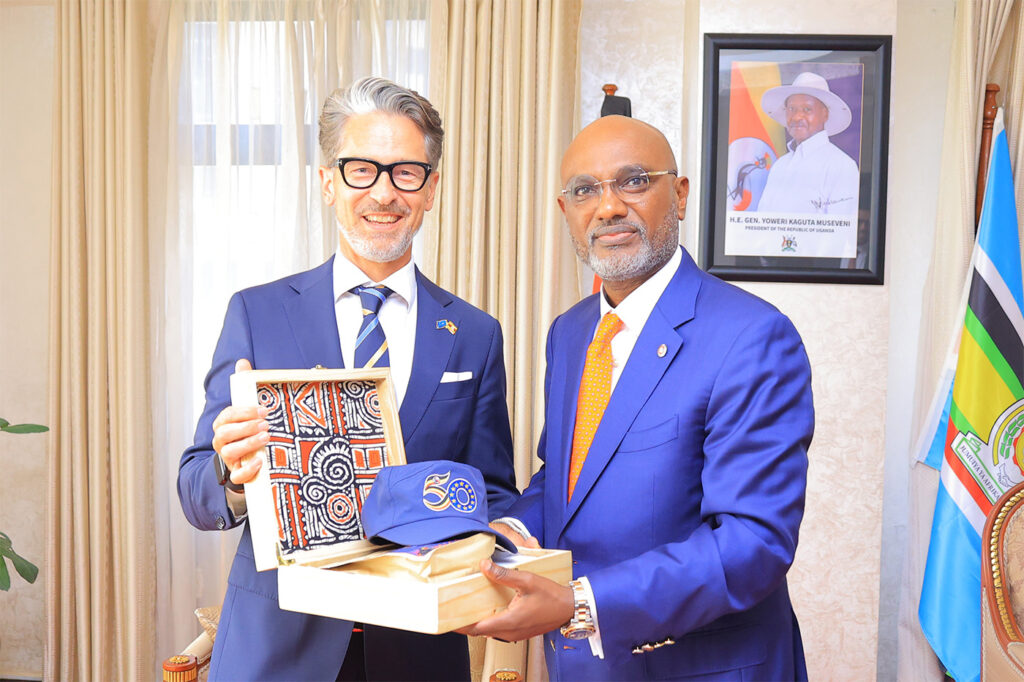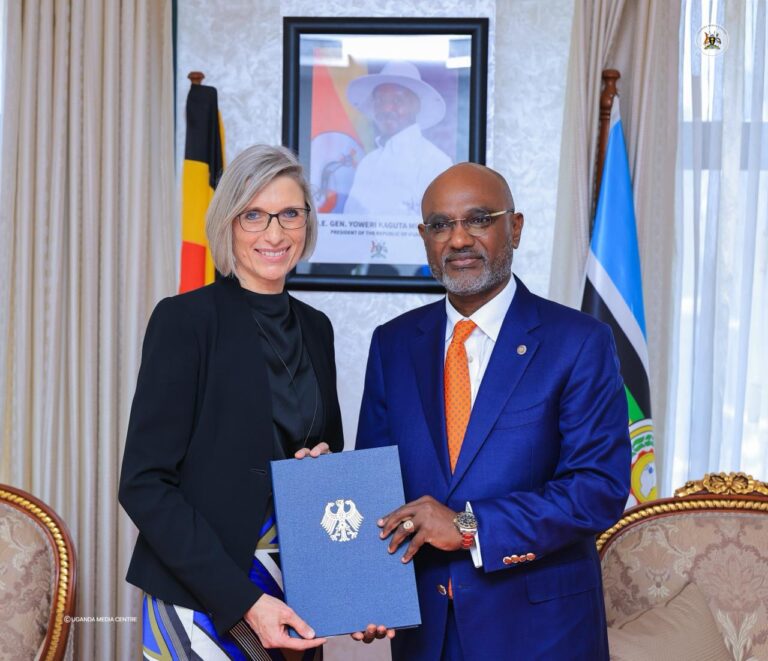
Kampala, Uganda – Uganda and the United Arab Emirates have moved their economic relationship into a more commercially focused phase, with the 5th UAE–Uganda Business Forum that is scheduled for 26–29 October 2026 in Abu Dhabi, Dubai, Sharjah and Fujairah. Announced during a media briefing in Kampala, the Forum is expected to bring together government officials, investors, and financial institutions, chambers of commerce, exporters and private-sector leaders, with a central objective: converting diplomatic goodwill and rapidly expanding commercial relations into trade, investment, market access, value addition and employment.
H.E. Zaake Wanume Kibedi, Uganda’s Ambassador to the UAE said the Forum has been designed to move economic diplomacy beyond conversation. “We intend to use the Forum to move beyond dialogue and generate concrete business transactions, investment commitments, partnerships and market-access opportunities.” The shift reflects the changing role of Uganda’s Foreign Service under its Economic and Commercial Diplomacy agenda. Rather than treating diplomatic engagement as an end in itself, Missions abroad have increasingly been positioned to identify markets, attract capital, facilitate business connections and support Ugandan enterprises seeking international opportunities.
The scale of the Uganda–UAE relationship illustrates why that approach has become increasingly important. According to Uganda’s Embassy Abu Dhabi, bilateral trade has risen from approximately US$600 million in 2018 to US$4.7 billion, while UAE investment in Uganda has reached approximately US$3.5 billion. Uganda’s official reporting in 2025 had already recorded bilateral trade at US$2.85 billion by September, with UAE investment valued at US$3.5 billion across sectors including energy, infrastructure, agribusiness, oil and gas, manufacturing, real estate and tourism.
The trajectory has been reinforced by Uganda’s export performance, in April 2026, the Middle East accounted for 54.2 percent of Uganda’s merchandise exports, with the UAE receiving 99.1 percent of Uganda’s exports to the region, according to the Ministry of Finance, Planning and Economic Development. The figures placed the UAE at the centre of Uganda’s efforts to expand export markets and connect domestic production to global value chains.
Amb. Kibedi said the Forum would therefore place particular emphasis on the private sector and market access. “A major objective of the Forum is to promote Uganda as a competitive investment and business destination and to connect Ugandan producers and exporters to the highly dynamic UAE and wider Gulf markets.”
For Uganda, the strategic opportunity extended beyond increasing the volume of exports. The policy challenge was to improve value addition, product quality, standards, packaging, logistics and market intelligence, enabling Ugandan agricultural and manufactured products to capture greater value in international markets. Agriculture and agro-processing were consequently expected to feature prominently, alongside mining and minerals, tourism, infrastructure, energy, logistics, manufacturing, financial services and technology.
The investment dimension was equally significant, The UAE has also become a significant source of investment in Uganda, At the Fourth Uganda–UAE Business Forum in Kampala in October 2025, Rt. Hon. Robinah Nabbanja, Prime Minister of the Republic of Uganda, stated that UAE investment in Uganda’s energy, infrastructure, agribusiness, oil and gas, manufacturing, real estate and tourism sectors had reached US$3.5 billion. UAE capital had increasingly entered sectors aligned with Uganda’s development priorities. The Uganda Investment Authority reported that UAE investment had grown from approximately US$300 million in 2018 to US$3.5 billion in 2024, with investments spanning infrastructure, construction, real estate, transport, energy, manufacturing and hospitality. The relationship therefore provided a practical platform for Uganda’s Tenfold Growth Strategy, which seeks to accelerate structural transformation by expanding productive capacity, investment, exports and employment.
Speaking during the Kampala briefing, Amb. Henry Mayinga, Head of International Economic Cooperation at the Ministry of Foreign Affairs, emphasised that the Forum required coordinated national participation. “We are walking around to make sure that this Forum is organised as well as possible. We are mobilising all stakeholders from our country and ensuring that the business community is fully engaged because most of the opportunities that have been mentioned require coordinated participation.”
His remarks underscored an important policy principle: economic diplomacy could not be delivered by the Foreign Service alone. Its effectiveness depended on coordination between government institutions, the private sector, financial institutions, exporters, investors and other actors across the economy. For the Embassy in Abu Dhabi, the mission had increasingly extended beyond representation to market intelligence, investment facilitation and business matchmaking. Engagement with the Sharjah Chamber of Commerce and Industry in 2026 had further strengthened preparations for business-to-business connections and investment opportunities.
The Fifth Forum is therefore conceived as an outcomes-oriented diplomatic platform. As Amb. Kibedi stated: “We are particularly keen to see increased participation by the private sector.” He added: “The success of this Forum will ultimately be measured not only by the number of meetings held, but by the contracts signed, investments secured, exports generated, partnerships established and jobs created as a result of the engagements.” That formulation captured the emerging direction of Uganda’s economic diplomacy: diplomatic activity had to produce measurable economic value.
The UAE relationship also carried an important people-to-people dimension. Uganda’s Embassy estimated that approximately 160,000 Ugandans lived and worked in the UAE, making the diaspora an important bridge between the two economies through skills, enterprise, remittances and professional networks. Ultimately, the Fifth UAE–Uganda Business Forum had represented more than another bilateral gathering. It had reflected Uganda’s broader attempt to make foreign policy directly responsive to national economic transformation.
Amb. Kibedi summed up the strategic ambition: “The UAE–Uganda relationship is built on strong and growing ties, and we believe that the 5th Edition of the Business Forum will further elevate these relations from cooperation to greater trade, investment and shared prosperity.” From Kampala to Abu Dhabi, Dubai, Sharjah and Fujairah, the message had been clear: Uganda’s economic diplomacy was increasingly being judged not by the number of diplomatic engagements it generated, but by the markets it opened, investments it attracted, enterprises it connected, exports it expanded and jobs it helped create.

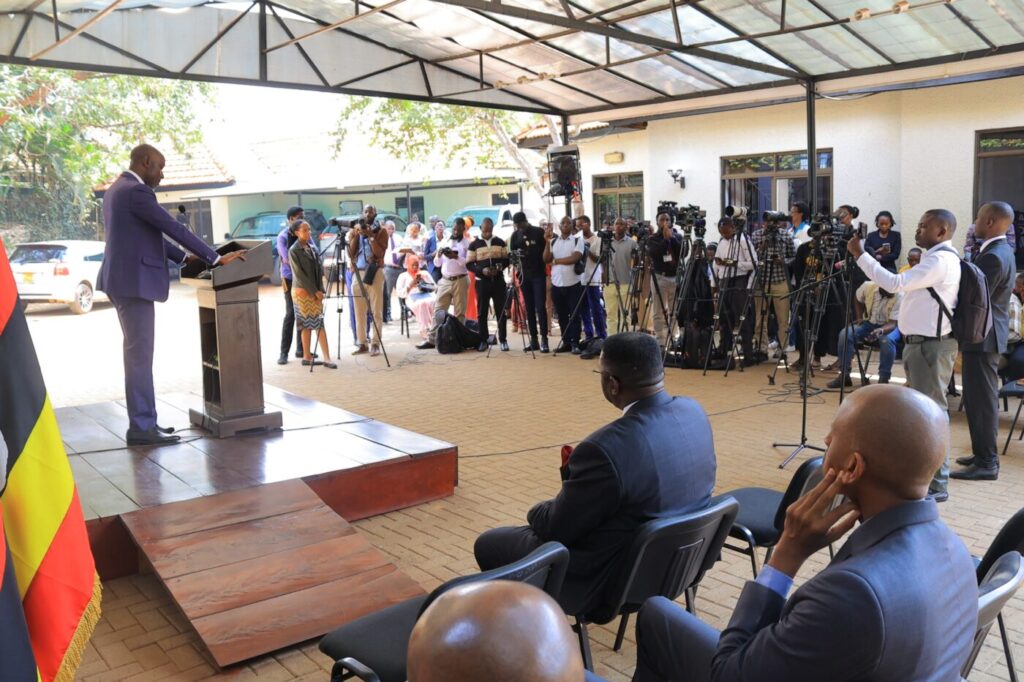
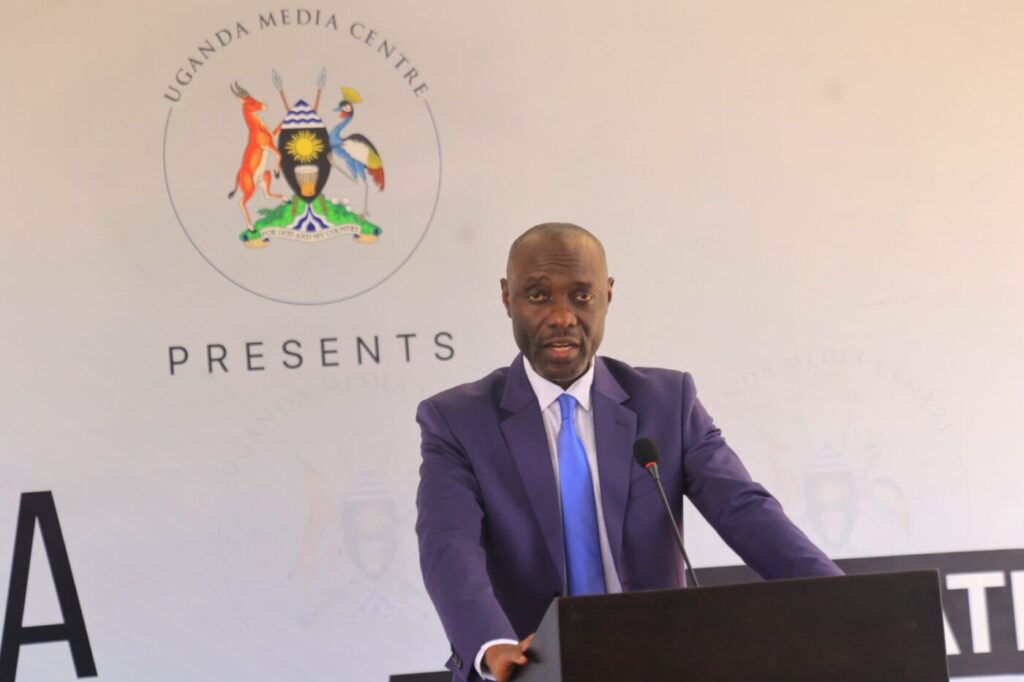
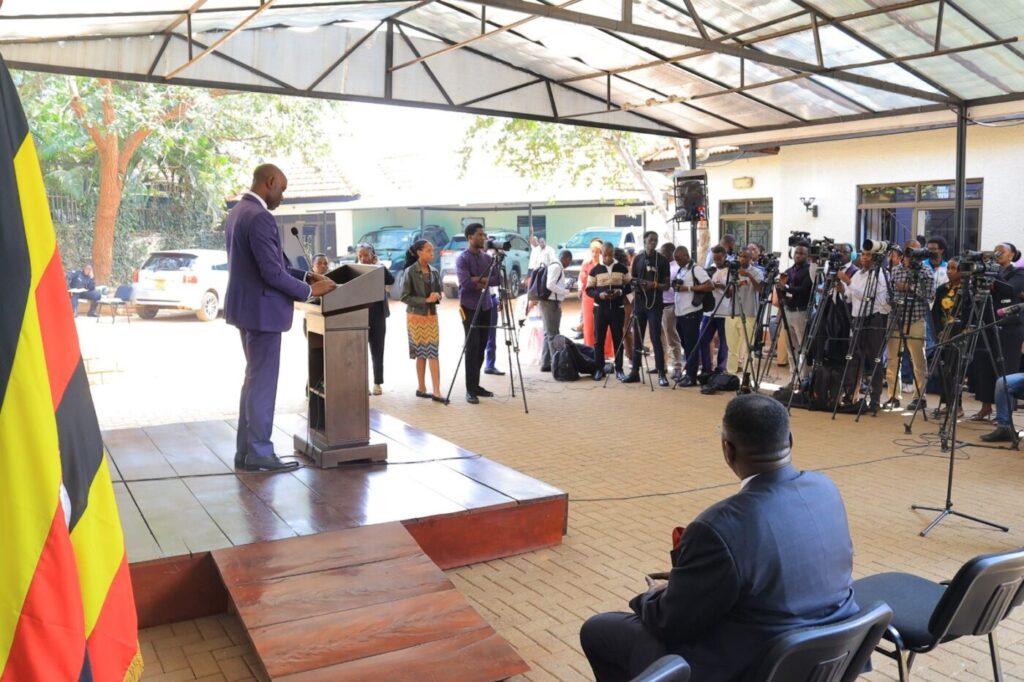

Photo Credit: Denis Mulima