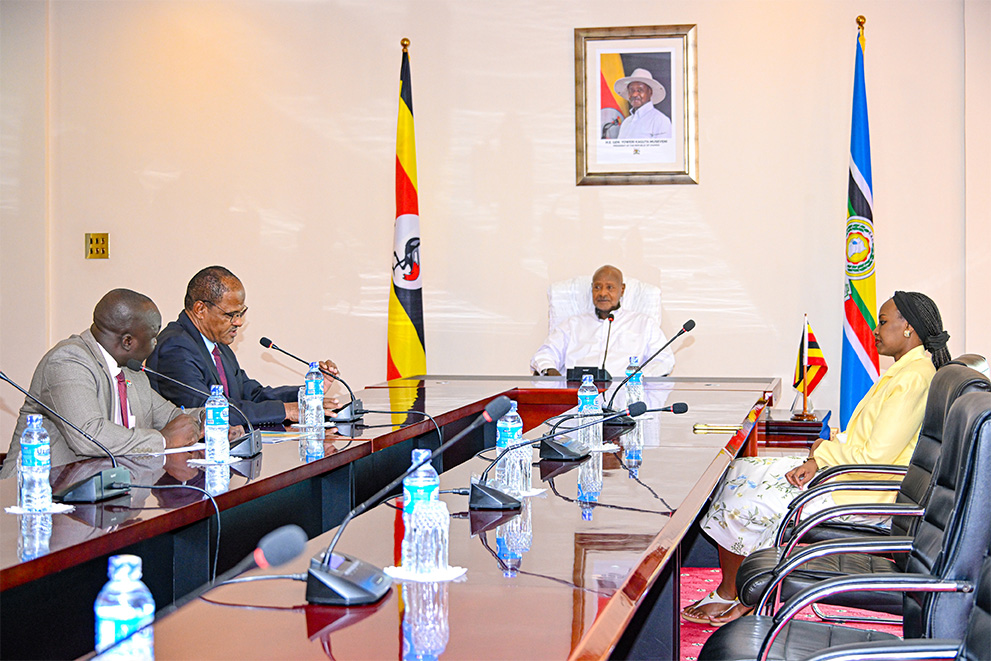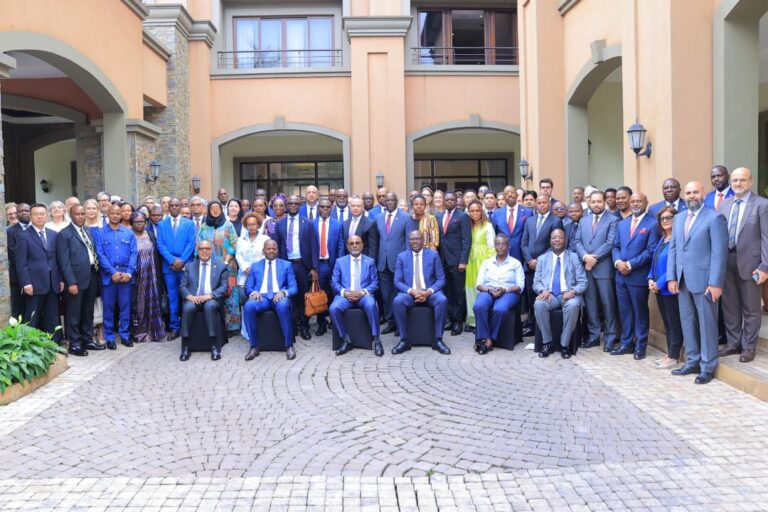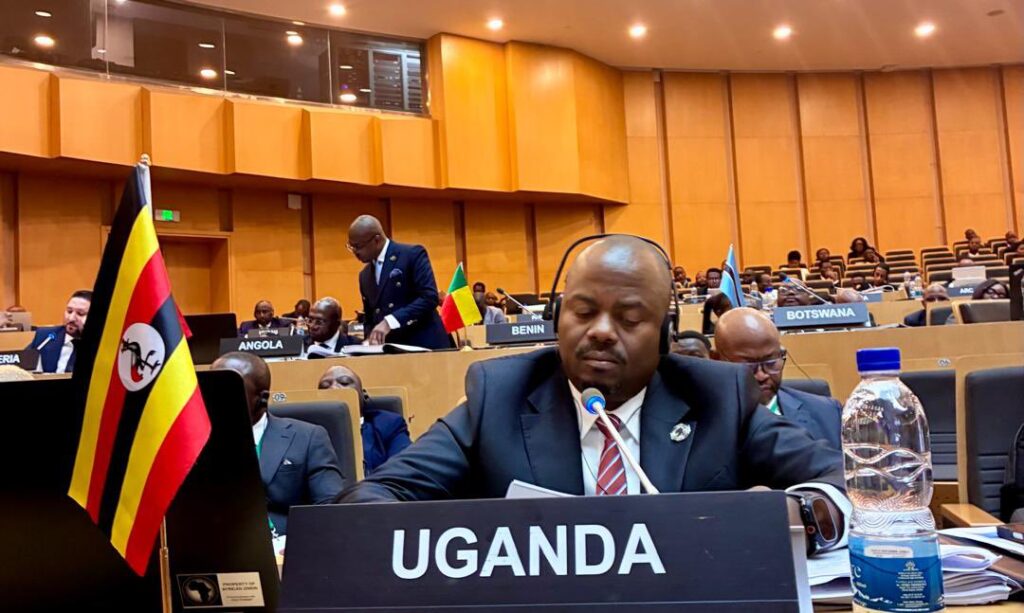
Addis Ababa, Ethiopia – Uganda reaffirmed its commitment to strengthening the African Union (AU) and enhancing the effectiveness of its institutions at the 49th Ordinary Session of the AU Executive Council deliberated on key issues affecting the continent’s governance, development and global economic engagement.
Representing Uganda at the Executive Council, Hon. Haruna Kasolo Kyeyune backed the recruitment of 74 new positions within the African Union system, equivalent to 40 percent of the Union’s priority rationalised staffing requirements. The decision is aimed at addressing critical staffing gaps across the AU Commission, organs and offices, which continue to play a central role in implementing the Union’s continental agenda. Uganda’s support for the recruitment initiative reflects its recognition that a well-resourced and efficient AU institutional structure is essential to translating continental commitments into tangible outcomes for African citizens. The additional positions are expected to strengthen institutional capacity and improve the ability of AU bodies to effectively deliver on their mandates, including advancing peace and security, economic integration, sustainable development and stronger continental cooperation.
The Executive Council also considered Africa’s position within the global multilateral trading system, with Uganda reaffirming its support for an open, rules-based, transparent, fair, inclusive and development-oriented multilateral trading system.
Hon. Kasolo emphasised the continued importance of the World Trade Organization (WTO) as the central institution underpinning the global trading framework. The position underscores the need for predictable and stable international trade rules at a time when African economies are seeking to expand market access, increase exports and accelerate industrialization. For Uganda, a predictable global trading environment is critical to Africa’s broader economic transformation and sustainable development. Stronger participation in global trade can create opportunities for value addition, investment, employment and increased integration of African economies into regional and international value chains.
Uganda’s interventions therefore underline the importance of building an AU that is adequately staffed, institutionally effective and capable of responding to the evolving priorities of the continent. The country’s position also reinforces its continued advocacy for a multilateral trading system that delivers equitable opportunities for developing economies and supports Africa’s development aspirations. Through its participation in the Executive Council, Uganda reiterated that a stronger African Union, supported by effective institutions and a fair global economic order, remains central to advancing the continent’s shared development objectives.
The discussions at the 49th Executive Council come against the backdrop of the continent’s broader efforts to strengthen African integration and enhance Africa’s collective voice in global affairs.
Courtesy Photo