Nelson Mandela once said, “If you talk to a man in a language he understands, that goes to his head. If you talk to him in his own language, that goes to his heart.” Every year on March 20, the world marks la Journée internationale de la Francophonie (Francophone Day), a celebration of the French language, cultural, and global cooperation. For many Ugandans who attended primary and secondary school in the 1990s and early 2000s, learning French was part of the syllabus, a rite of passage in one’s academic journey. Most of us awkwardly navigated the basics of Je m’appelle and hummed along to the familiar classroom tune Bonjour Madame, Bonsoir Monsieur…. At the time, few imagined that French would one day become a tool for diplomacy, professional growth, and cultural connection.
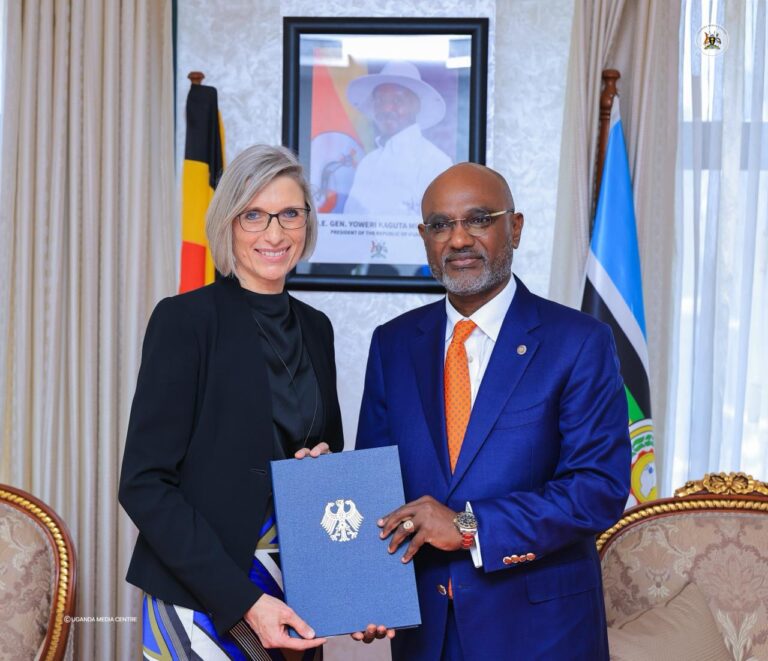
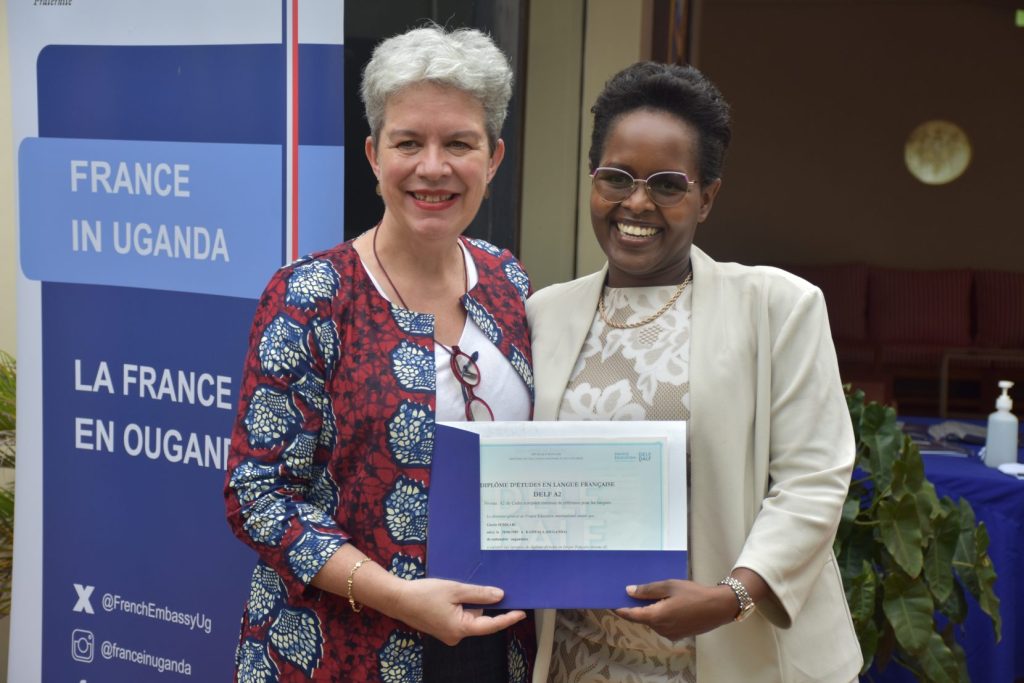
In 2023, I received a scholarship from the Ministry of ICT and National Guidance, in partnership with the French Embassy, to study French at Level A2 and sit for the internationally recognised DELF (Diplôme d’Études en Langue Française) examination. DELF is an internationally recognised French‑language proficiency test awarded by the French Ministry of Education. The experience of learning French, almost 20 years into my professional career, reinforced a truth we often overlook: language is not just spoken; it is lived. Through my French studies, I discovered a deeper appreciation for Francophone music, film, literature, and traditions.
French also matters to Uganda at a strategic level, specifically in the Energy Sector. One of Uganda’s most significant partners in the energy sector is TotalEnergies EP Uganda, a major player whose parent company is headquartered in France. In the oil and gas sector, French companies are investing in training, skills transfer, and capacity building for Ugandan professionals, alongside the large infrastructure projects, such as Uganda’s Tilenga, Kingfisher and EACOP projects. Strengthening Francophone competencies offers both intellectual and economic advantages.
Africa is home to the largest Francophone population in the world, with more than 20 of the 34+ Francophone states. In my travels across seven Francophone countries and in interactions with nationals from many more, I have seen firsthand how French serves as a bridge between diverse cultures. For a country like Uganda, which sits outside the Francophone bloc yet remains deeply connected to it, French offers opportunities to expand diplomacy, trade, and cultural cooperation. Beyond this, learning French has been personally enriching. From attending celebrations like the annual Beaujolais Nouveau Festival to attempting to engage in conversations in French, each moment has allowed me to experience the language beyond the classroom. It has deepened my understanding of how people live, celebrate, and express who they are.
I am therefore proud to have received the DELF, and I express my renewed commitment to continuing to learn the French language and culture. Mastering a language requires continuous practice and courage (especially when nouns are male or female). In a world that demands collaboration across cultures, speaking another language, especially one as globally influential as French, is an asset and an act of connection. As Uganda deepens its ties with the Francophone world, embracing French is a meaningful investment in diplomacy, the economy, and our shared human experience.