The continent, the chaos, the love.
I never possessed the patience for football; the game unsettled my nerves perhaps because my father surrendered every evening to it with ritual devotion. Every match, every cup, every championship. Our household timetable bent around kick-off. Ten minutes stretched into ninety. Our treasured soap operas were sacrificed without appeal, and we were dispatched to bed still debating fictional plot twists while he dissected tactical formations. Football, to me then, felt like an intrusion.
Nearly three decades later, I found myself thousands of miles from home, winter pressing frost against my window. Alone in a quiet apartment, I did something that would have once startled my younger self: I subscribed to watch the Africa Cup of Nations. I told myself it was curiosity. Perhaps, in truth, it was longing a quiet search for the continent through another lens.
For a month, I watched every match between meetings, after work, on weekends I tuned in faithfully. Somewhere between group stages and knockouts, I understood my father. I understood the boys who would postpone celebrations or debate fiercely over results. Football, I realised, was never merely about goals scored or conceded. It was a language of belonging.
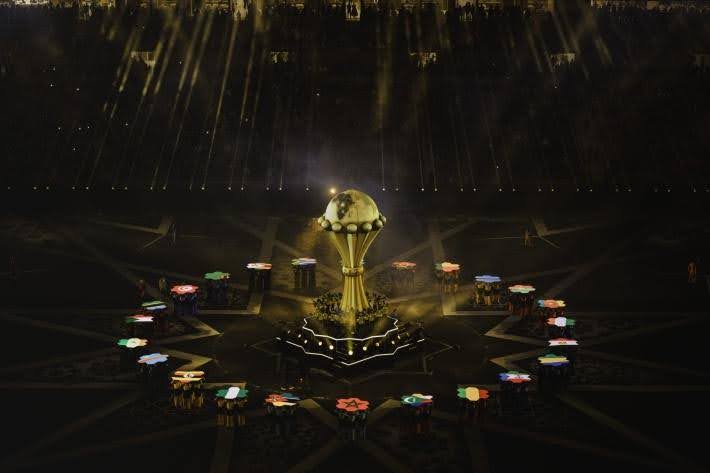
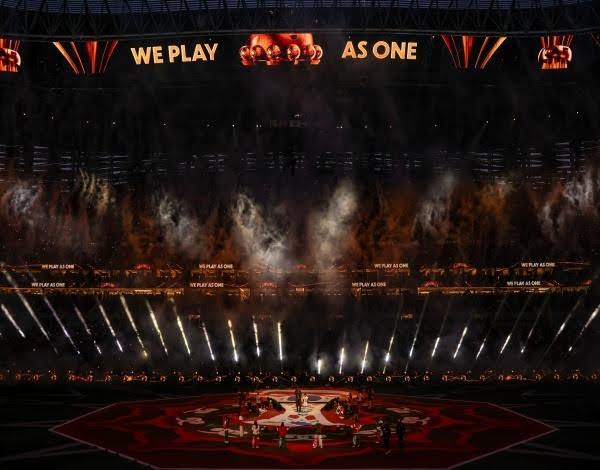
In stadiums pulsing with color, I saw something the world rarely pauses to witness. A continent too often narrated through crisis was narrating itself confidently, joyfully, unapologetically. North met south, Francophone met Anglophone. Arabic chants intertwined with Swahili rhythms. Flags waved not in division, but in pride. It felt less like a tournament and more like a continental convocation.
I cheered for the Uganda national football team (Uganda Cranes), aware that our path against Tunisia national football team would be steep. When elimination came, it carried both disappointment and dignity. Conversations with friends across Africa became playful diplomacy teasing Egyptians about Mohamed Salah, trading banter with Nigerians, consoling South Africans, debating loyalties between neighbors. In those exchanges was something profound: rivalry without rupture, contest without collapse.
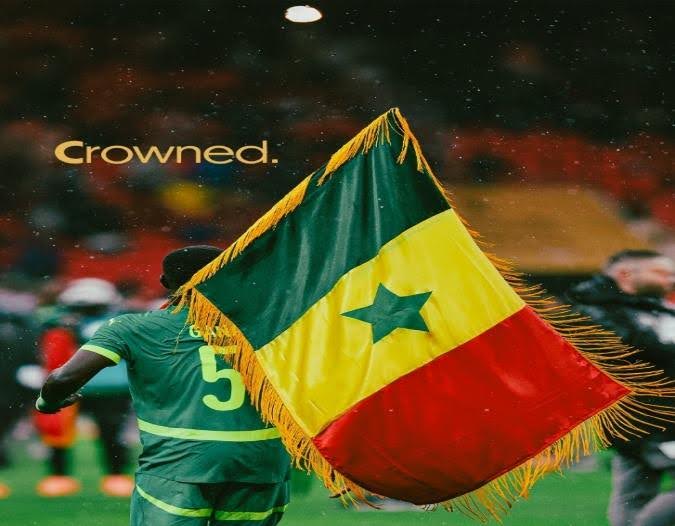
By the final between Morocco national football team and Senegal national football team, I was no longer a reluctant viewer. I was invested emotionally and intellectually. The tension of extra time, the audacity of a Panenka, the eruption of celebration and heartbreak it was theatre, yes, but also testimony. A reminder that passion is not instability; it is vitality.
In the aftermath jubilant messages, wounded pride, spirited debate I recognised something essential. Africa is not indifferent. It is expressive. It argues, celebrates, reconciles, and returns the next day to build again. If football can hold our complexity our diversity, resilience, humor, and fire then surely our diplomacy, our economies, and our shared future can as well.
I began watching to understand a game. I finished understanding a continent.
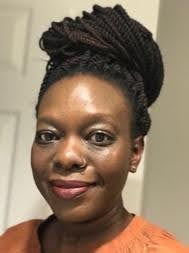
Lucie Chihandae is a multimedia storyteller with more than a decade in radio, television, and print. She is an author, award‑winning podcaster, and co‑founder of 2Sistars Media, LLC. Her work spans poetry, children’s literature, and fiction across multiple genres, with publications in major Ugandan outlets and contributions to collaborative books. She previously served as Vice President of the Spoken Word Billboard Awards and released her debut adult novel, The World Is Ours, in 2022. She lives in Maryland, where she hosts a literary podcast highlighting Black and African authors.