CANBERRA, AUSTRALIA
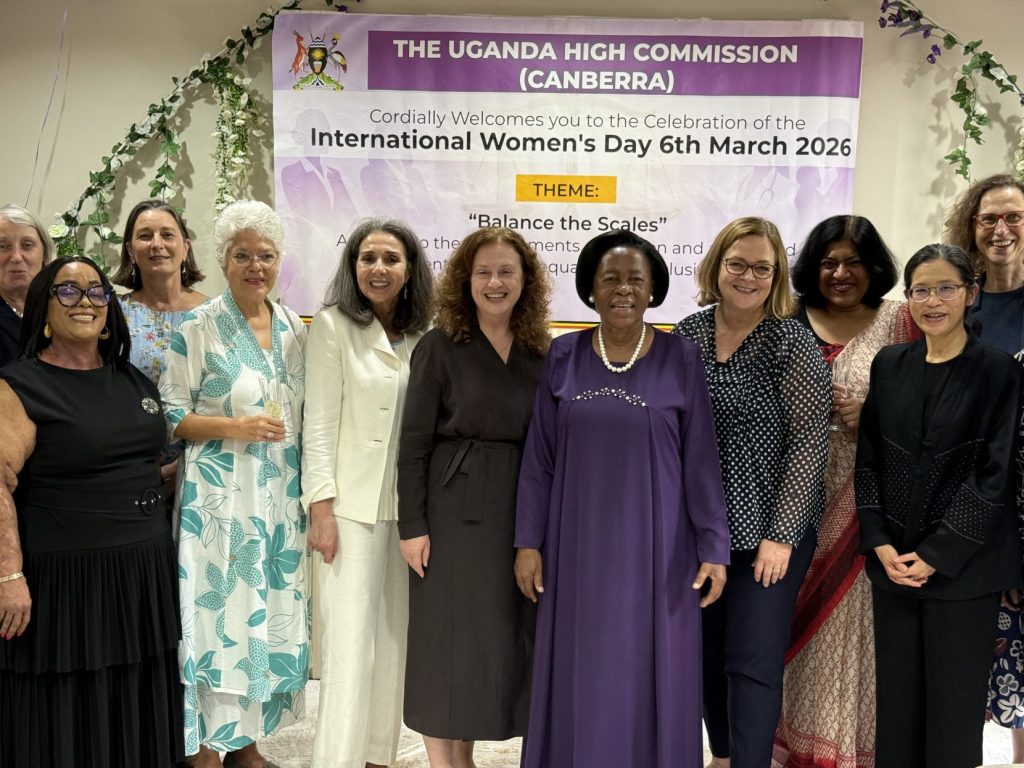
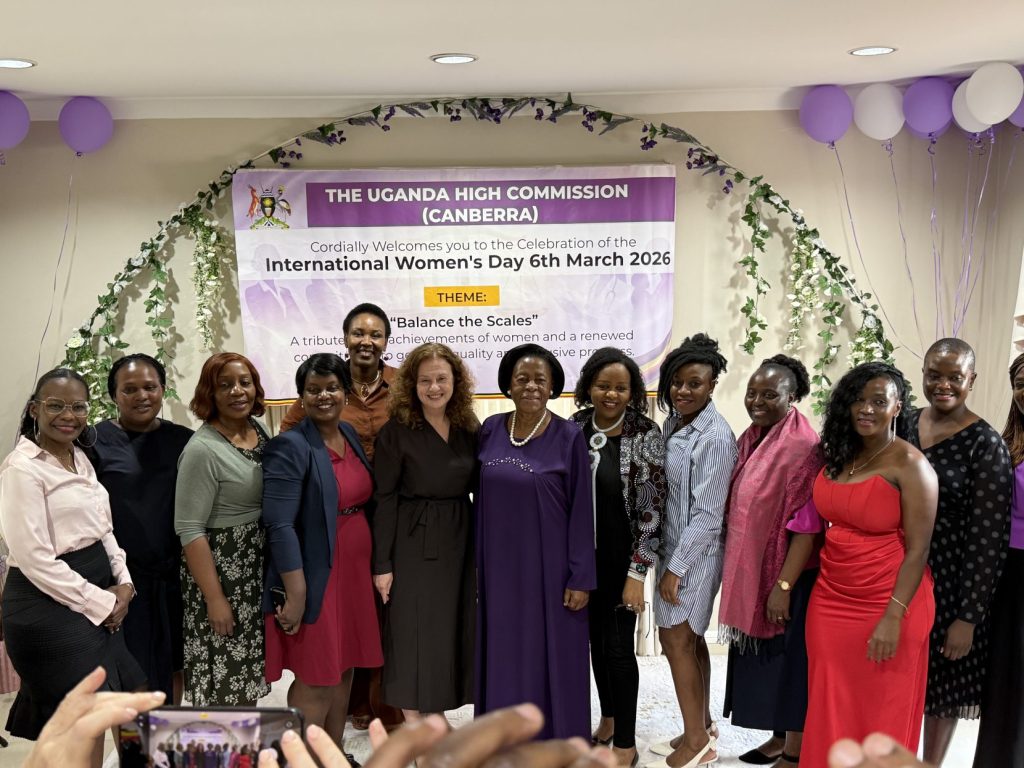
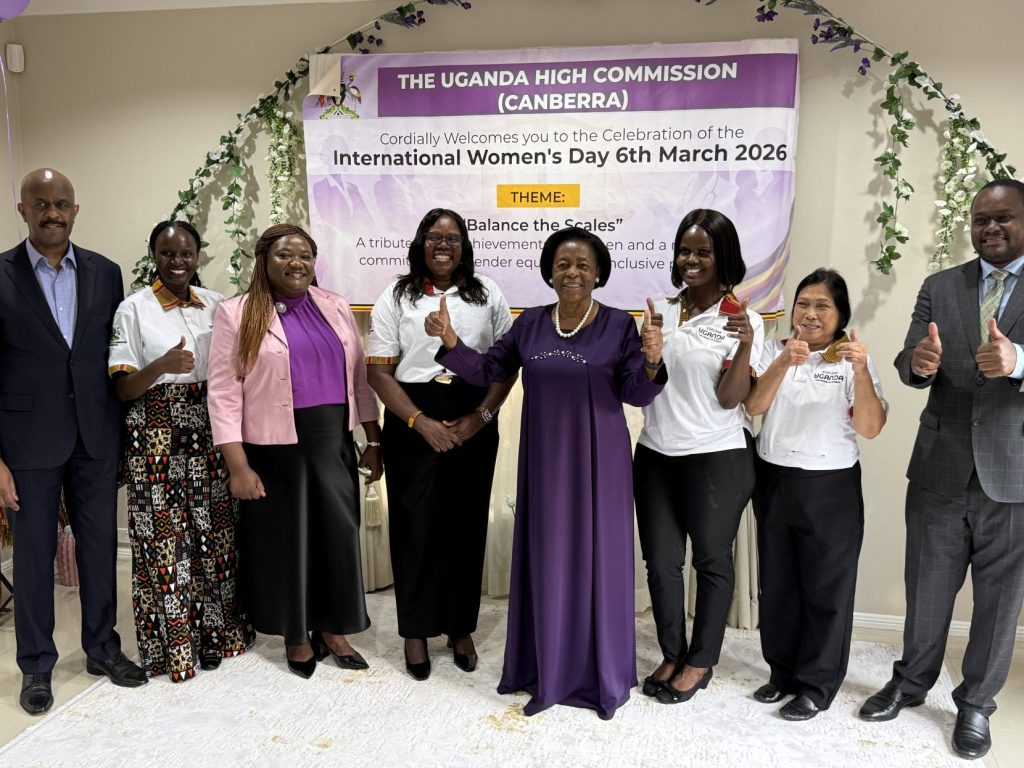
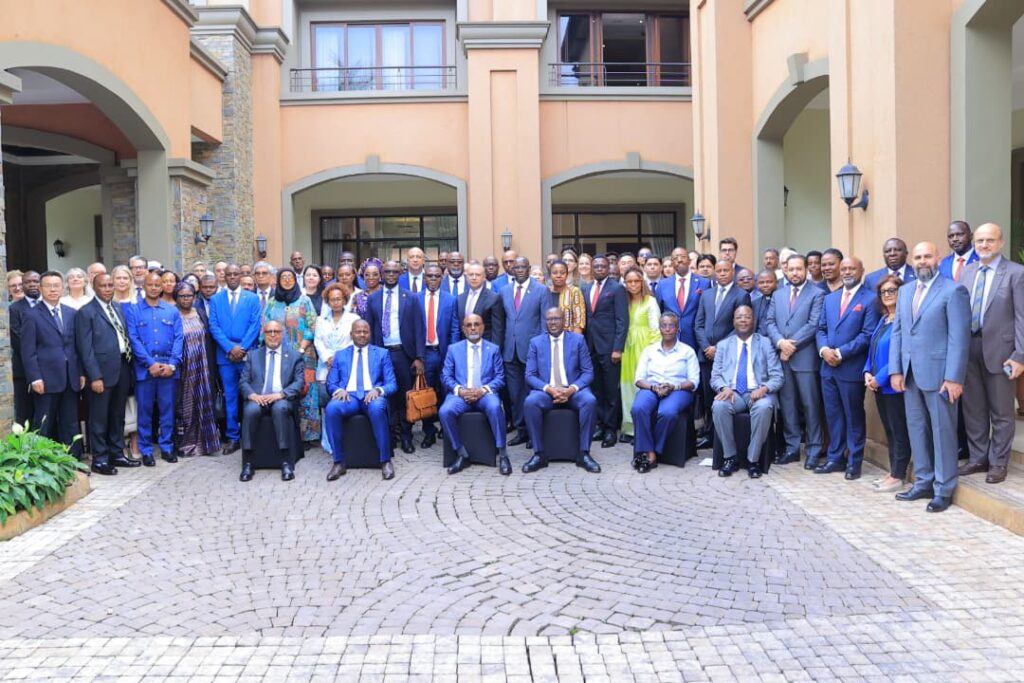
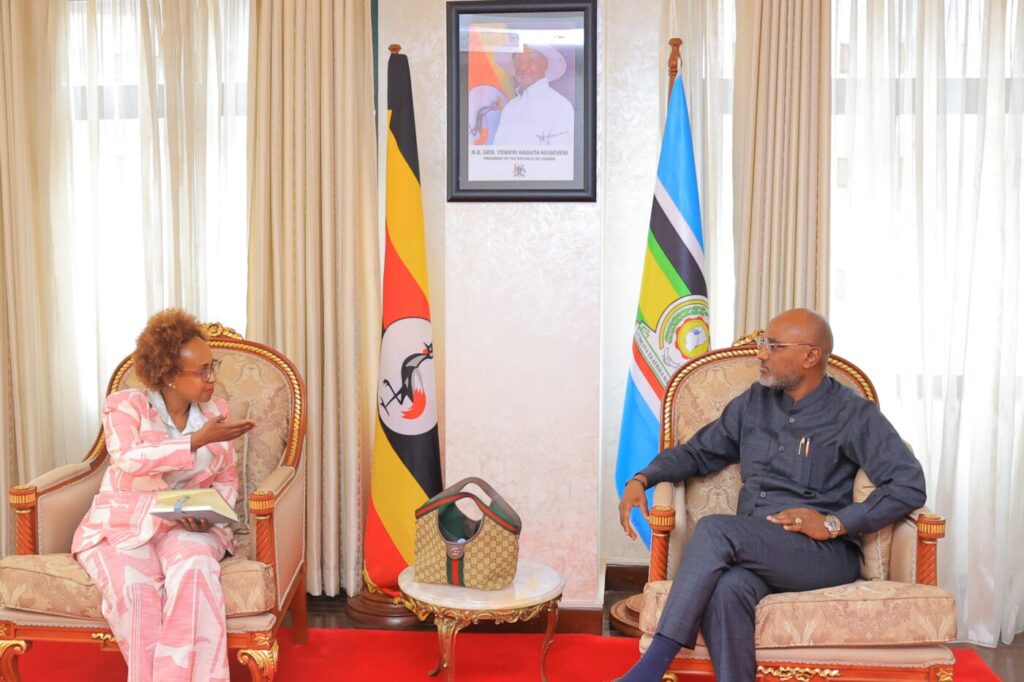
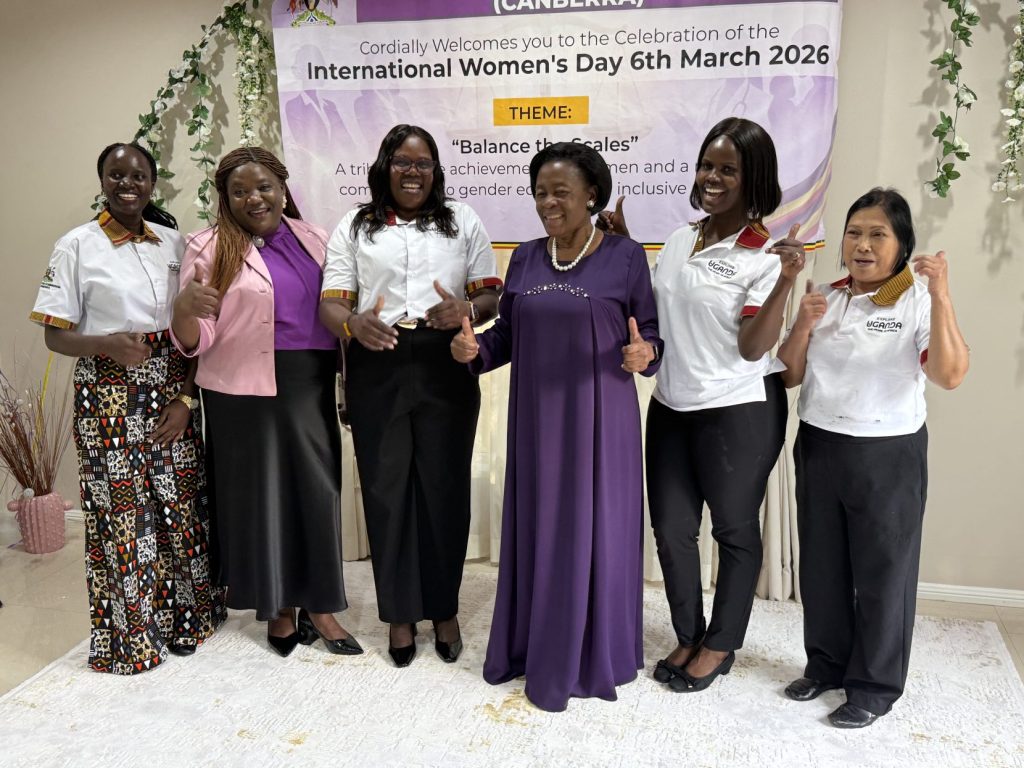
In a world unsettled by climate shocks, protracted conflicts, economic volatility, and shifting geopolitical alignments, diplomacy faces a defining question: Who is shaping the next global order, and whose voices remain absent from the table? At a distinguished reception hosted at the residence of Her Excellency Dorothy Samali Hyuha, the High Commissioner of the Republic of Uganda to Australia, under the theme “Balancing the Scales” evolved into a forward-looking dialogue on rebuilding global trust through inclusive leadership. More than fifteen diplomatic Corps and high commissioners convened in Canberra not merely for ceremonial purposes, but to reflect on the structural foundations of peace, governance, and stability.
In her address, High Commissioner Hyuha framed women not as symbolic participants, but as strategic architects of sustainable systems. She reaffirmed Uganda’s national commitment to affirmative action for the girl child and the advancement of women in leadership, emphasising these policies as integral to the nation’s governance framework. Her remarks challenged the diplomatic community to consider whether current turbulence in global affairs is partly a consequence of structural imbalance. Negotiation tables, security forums, and economic reform platforms that lack diversity of lived experience and perspective risk producing policies that are less durable and less inclusive.
The global context reinforces this insight. Nations are navigating simultaneous pressures from climate transitions, economic restructuring, food insecurity, technological disruption, and regional instability. Leadership rooted in collaboration, social cohesion, and long-term resilience is increasingly recognised as a stabilising force.
H.E. Betty Pavelich, Dean of the Diplomatic Corps in Australia, echoed this view, noting that contemporary instability often reflects the absence of women at critical negotiation tables. Inclusive representation strengthens both legitimacy and the effectiveness of decision-making.
For Uganda, this dialogue reflects a broader national outlook: gender inclusion is not peripheral advocacy, but a strategic instrument in governance, development, and diplomacy. By convening “Balancing the Scales” in Canberra, Uganda demonstrates confidence and thought leadership, signaling a commitment to building a global order that is equitable, resilient, and strategically inclusive.