FRANKFURT, GERMANY
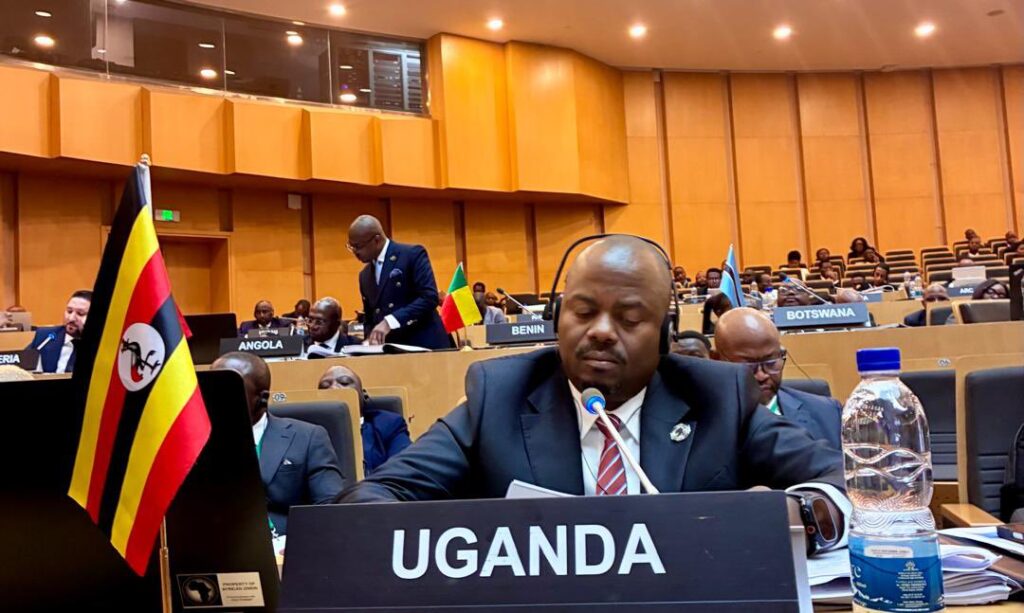
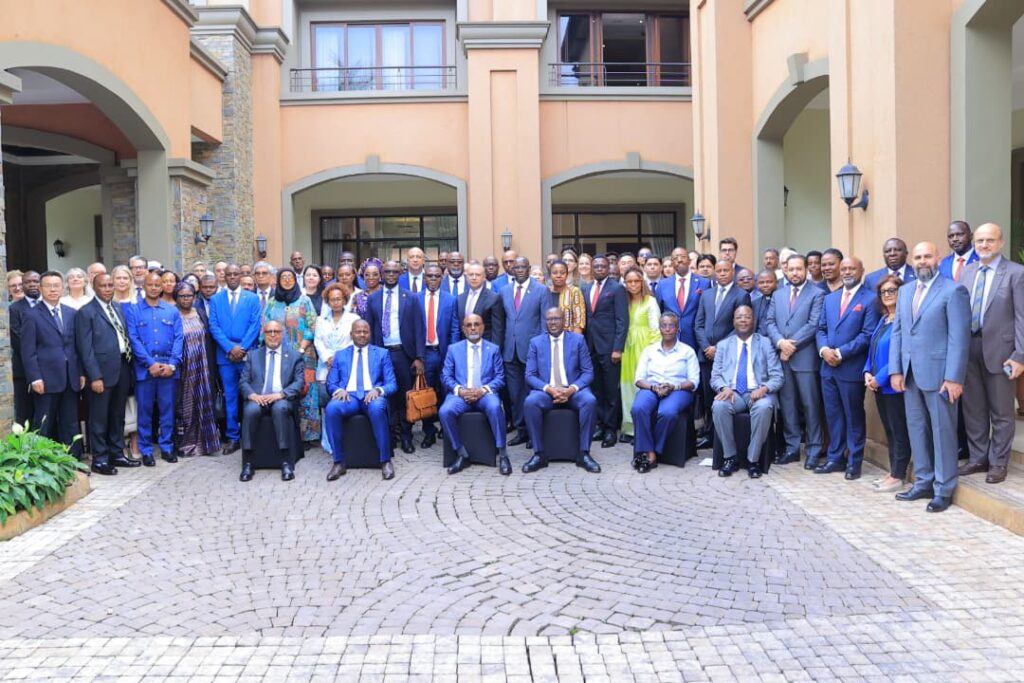
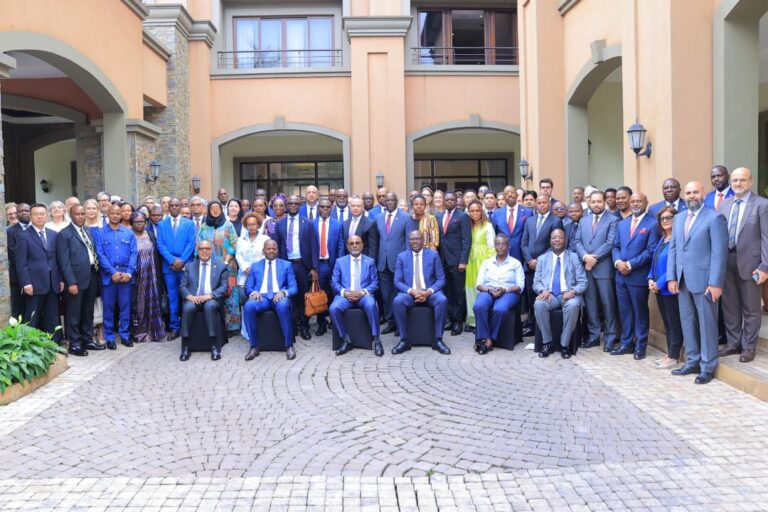
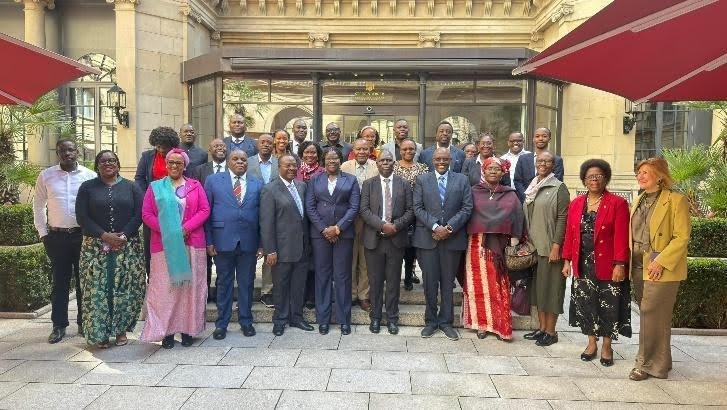
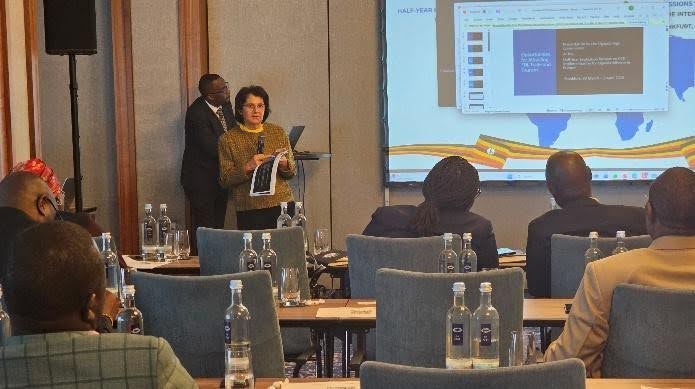
Uganda’s diplomatic missions abroad are increasingly being evaluated based on their contribution to the country’s economic transformation agenda, marking a decisive shift from traditional protocol-driven engagement to results-oriented diplomacy. This direction was underscored by Mr. Vincent Waiswa Bagiire, Permanent Secretary at the Ministry of Foreign Affairs, during the mid-term review retreat for Uganda’s 13 Missions in Europe and the Americas held in Frankfurt from March 29 to April 3. The retreat, convened in collaboration with the Ministry of Finance, Planning and Economic Development under the theme “Unlocking Africa’s Trade and Iinvestment Potential from the Interventions of Economic and Commercial Diplomacy (ECD)”, brought together Heads of Mission to assess progress and recalibrate strategies in line with national economic priorities.
Addressing the delegates, PS Bagiire revealed that 34 Ugandan Missions received Ugx113.25 billion in the Financial Year 2025/26, and emphasised that future funding will be strictly tied to measurable outcomes. He stressed that diplomacy must translate into tangible benefits, including increased exports, foreign direct investment, tourism arrivals, and job creation. “Uganda is at a moment where diplomacy must be felt not only in communiqués and meetings, but in factories opened, tourists received, exports increased, and jobs created back home,” he noted.
The retreat highlighted the operationalisation of Uganda’s Economic and Commercial Diplomacy Strategy launched in Gulu in 2025, which repositions Missions as frontline delivery platforms for trade, investment, tourism, science and technology partnerships, and climate finance. The strategy is aligned with national frameworks including Vision 2040, NPD1V, and the Tenfold Growth Strategy, aiming to make Uganda’s foreign service more commercially focused and accountable. Participants reviewed key economic indicators reflecting both progress and urgency. Uganda attracted approximately US$3.5 billion in foreign direct investment in 2025, while tourism generated US$1.5 billion from 1.64 million international visitors. Discussions also addressed challenges faced by Missions and explored solutions to enhance performance.
Key outcomes of the retreat included the development of a comprehensive ECD reporting framework, standardised performance indicators, and harmonised work plans aligned with national priorities. Additionally, a capacity-building programme was agreed upon to strengthen the ability of diplomats to effectively deliver on economic diplomacy objectives. Amb. Richard Kabonero, Head of the Economic and Commercial Diplomacy Hub, stressed that future funding allocations will be based on evidence-driven assessments, to ensure that resources are directed to Missions with the highest potential to deliver economic returns.
Courtesy Photos