Ayr, Scotland – Fifty-four Para athletes and coaches from 15 Commonwealth nations gathered in Ayr, Scotland, for the final phase of their preparations ahead of the Glasgow 2026 Commonwealth Games, participating in the GAPS Ayr Training Camp from 16–24 July 2026.
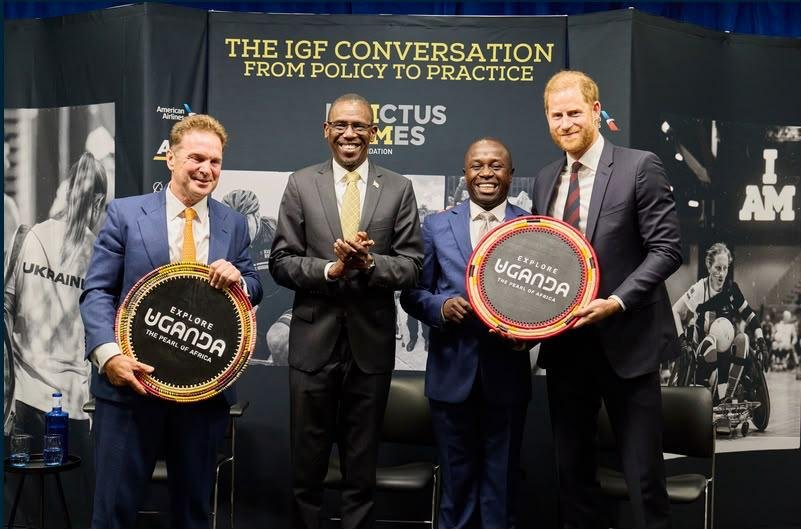
The GAPS (Gather, Adjust, Prepare, Sustain) programme brings together partners from the sports, education, government, and community sectors to promote inclusion and create lasting social impact across the Commonwealth. The initiative reflects the vision of Glasgow 2026 to foster stronger partnerships while advancing equality, accessibility, and opportunity for athletes of all abilities.
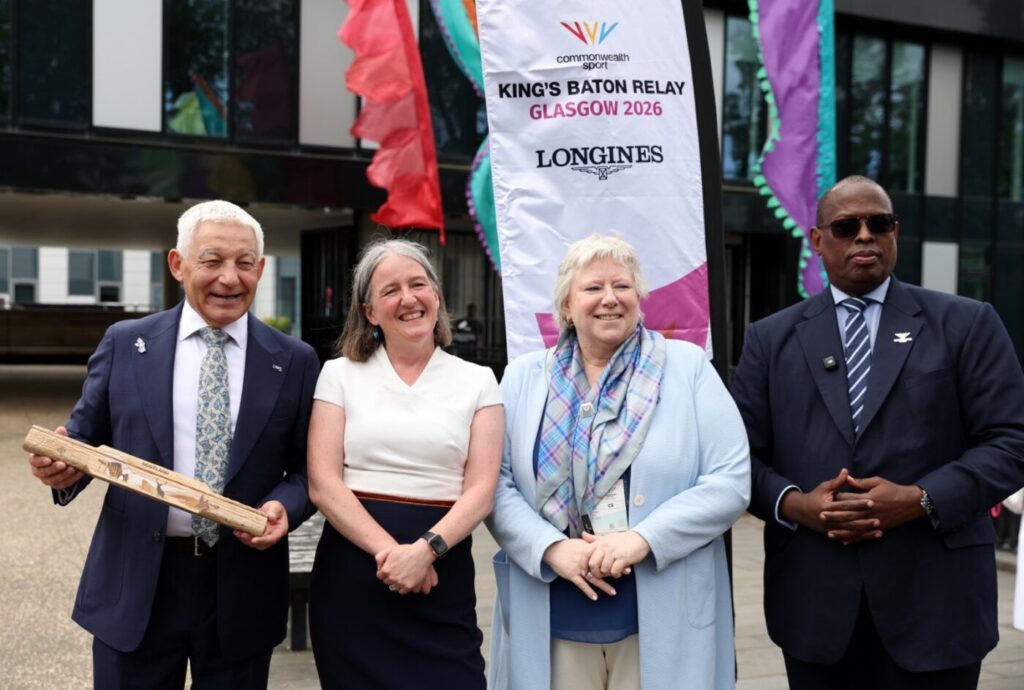
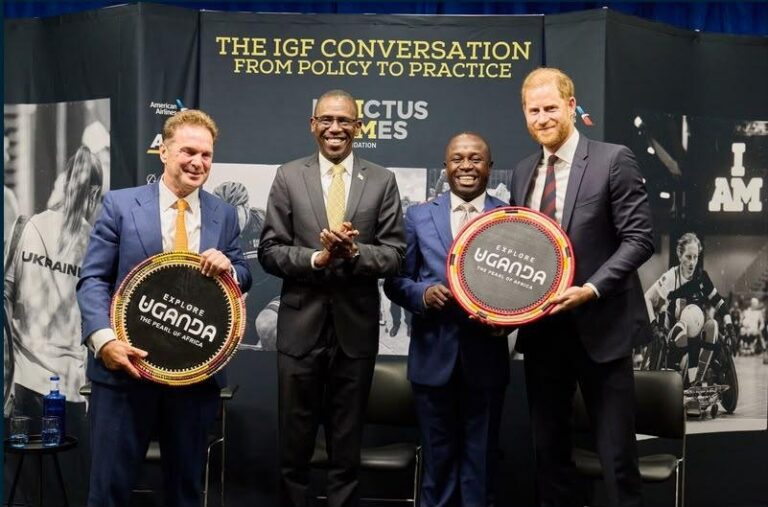
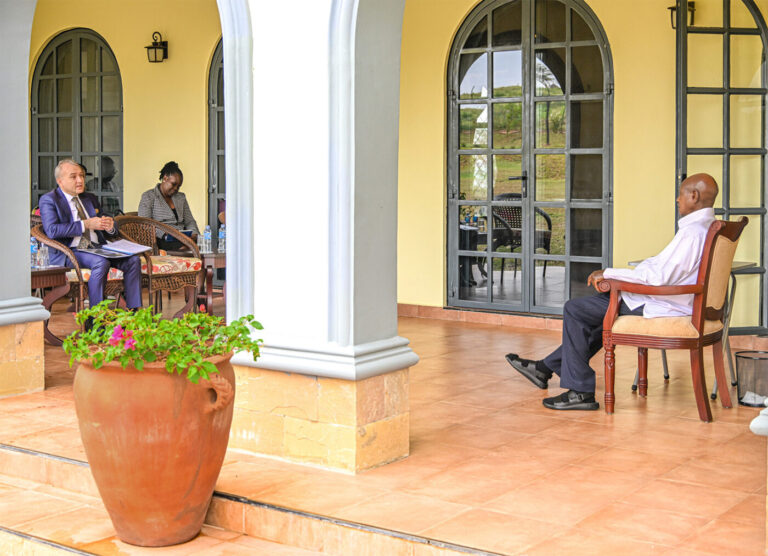
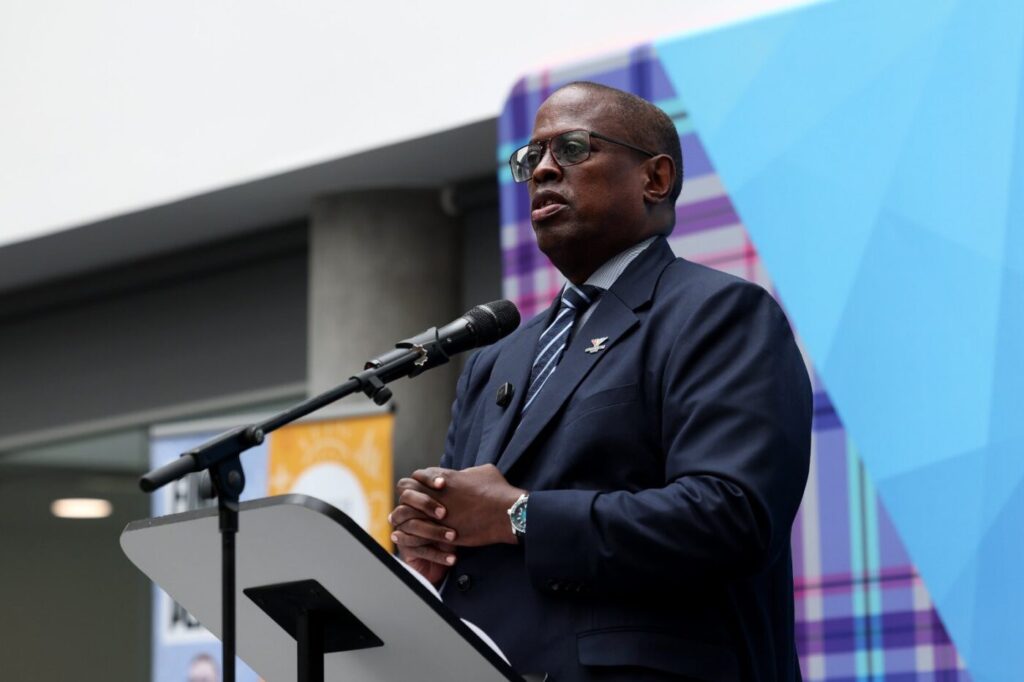
As part of the programme, the First Minister of Scotland, Hon. John Swinney, hosted a reception at Scotland House attended by Dr. Donald Rukare, President of the Uganda Olympic Committee, the Commonwealth Secretary-General, Hon. Shirley Ayorkor Botchwey, Ministers responsible for Sport, High Commissioners, and leaders of Commonwealth Sport Scotland. The reception celebrated the spirit of Commonwealth cooperation and reaffirmed a shared commitment to using sport as a platform for inclusion, friendship, and sustainable development.
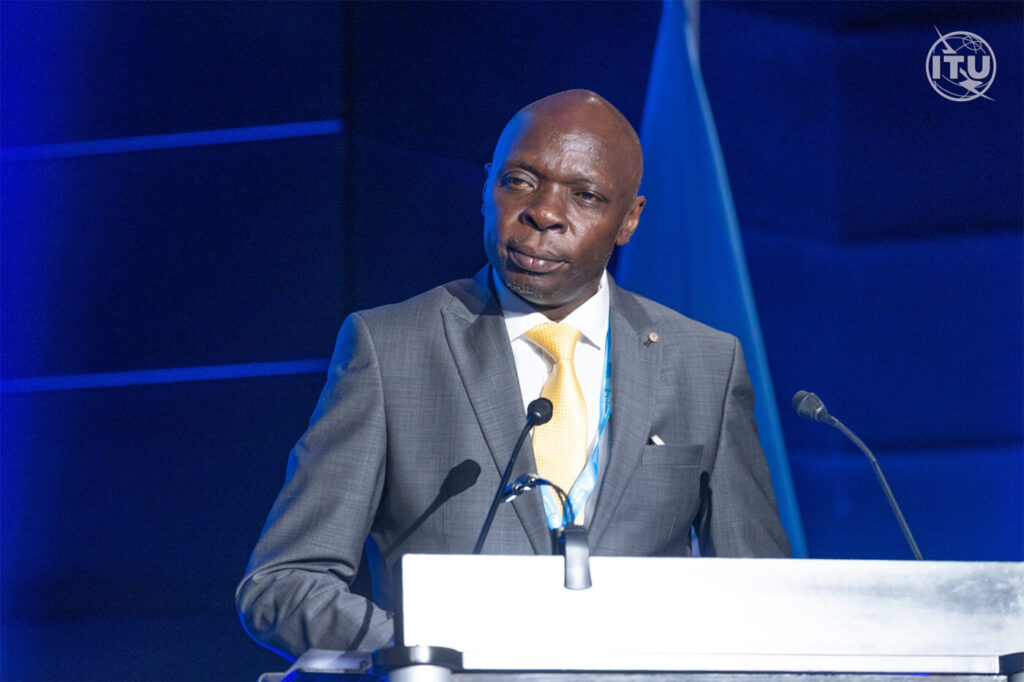
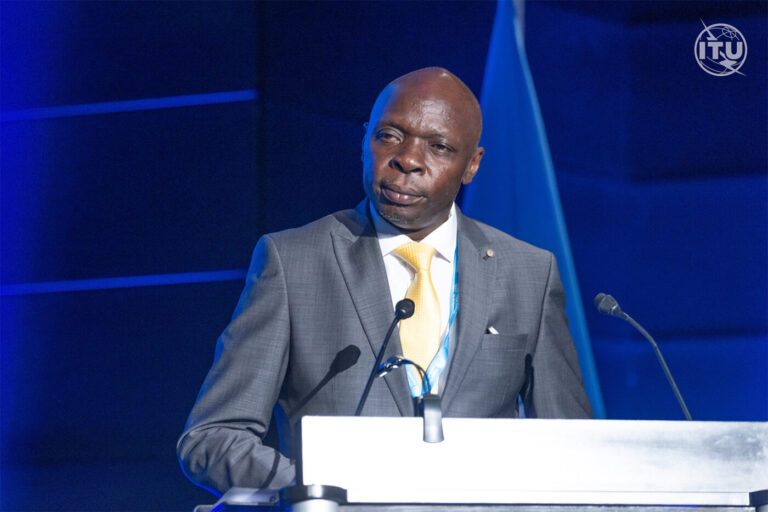
Dr. Rukare also visited the Para athletes at the Friends of GAPS Training Camp at the University of the West of Scotland, where he interacted with athletes, coaches, and programme partners. He commended the athletes for their dedication and resilience and expressed his appreciation for the opportunity to engage with fellow Sports Ministers, High Commissioners, and leaders from across the Commonwealth.
He welcomed the success of the GAPS athletes, many of whom went on to deliver medal-winning performances, emphasizing that Para athletes deserve equal recognition and support as integral members of the global sporting community. He reaffirmed that inclusive sport is fundamental to building stronger and more equitable societies.
Dr. Rukare further observed that the Friends of GAPS Day demonstrated the collective commitment of governments, sporting organizations, sponsors, development partners, coaches, media practitioners, and volunteers to harness the power of sport to create opportunity, break down barriers, and promote social inclusion across the Commonwealth.
He noted that the Glasgow 2026 Commonwealth Games represent more than a major international sporting event. They symbolize a shared commitment to ensuring that athletes with disabilities are provided with equal opportunities to compete at the highest level while inspiring future generations to pursue excellence in sport regardless of circumstance.
Reflecting on the athletes’ preparations, Dr. Rukare described the training sessions as a powerful reminder of the talent, determination, and resilience that underpin the GAPS programme. He emphasized that Glasgow is not the final destination but another important milestone toward a Commonwealth where every nation has sustainable pathways for the development of Para athletes and coaches.
The GAPS initiative continues to demonstrate how sport can serve as a powerful instrument of diplomacy, inclusion, and international cooperation. By strengthening partnerships among Commonwealth member states and investing in inclusive sports development, the programme is helping to build a more connected, equitable, and resilient Commonwealth while empowering athletes to realize their full potential on and off the field of play.