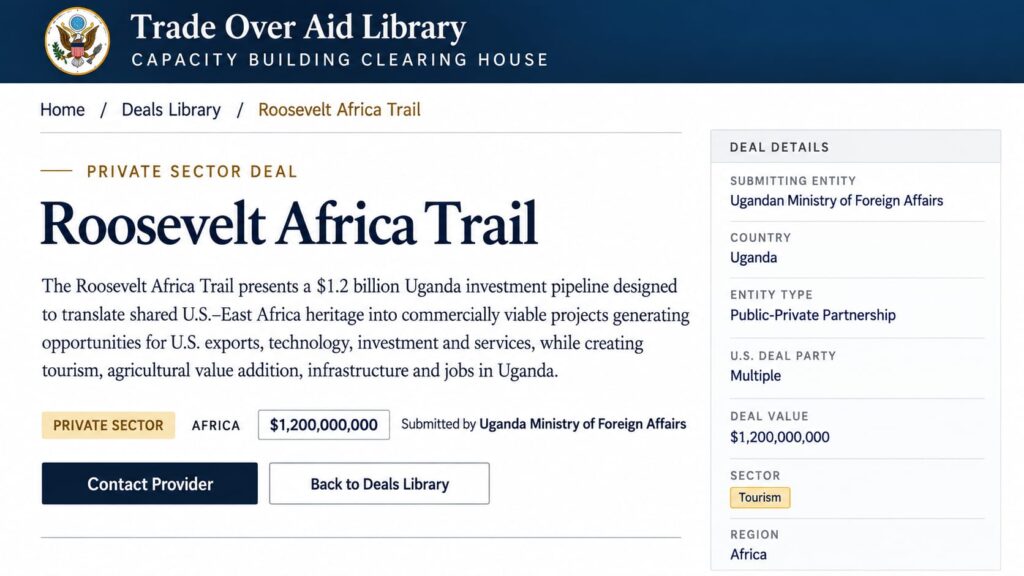
Uganda’s economic diplomacy received a significant boost during the 81st United Nations General Assembly High-Level Week in New York, following the announcement of the Roosevelt Africa Trail as the first deal under the United States’ Trade Over Aid Deals framework, with an indicative US$1.2 billion investment pipeline for Uganda.
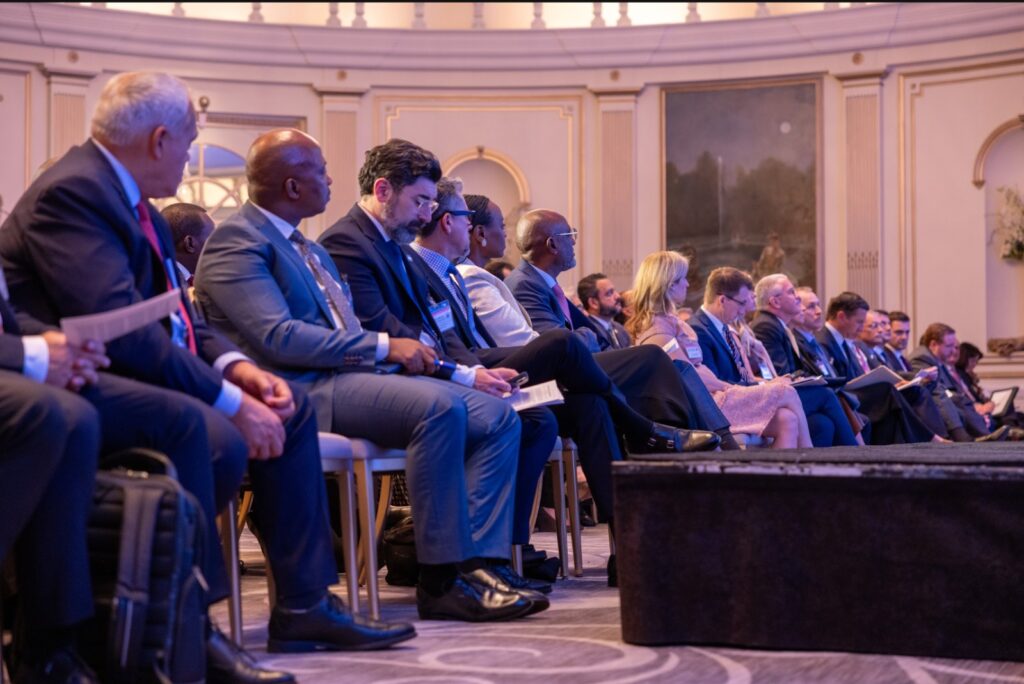
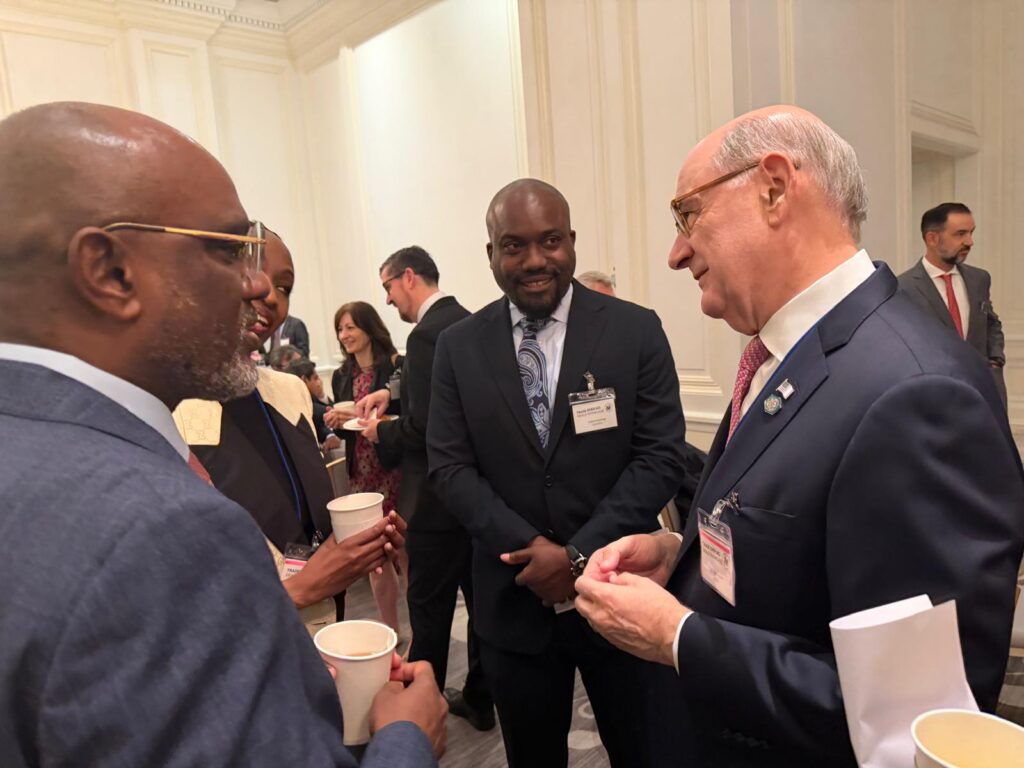
The announcement was made during the high-level Trade Over Aid Deals Showcase at the Lotte New York Palace, hosted by U.S. Deputy Secretary of State Christopher Landau and co-hosted by U.S. Ambassador to the United Nations Mike Waltz and John Jovanovic, President and Chairman of the Export-Import Bank of the United States (EXIM).
This high-level gathering brought together senior government officials, development and financing institutions, businesses and investors, reflecting an emerging approach to U.S.–Africa relations centered on trade, investment, private enterprise and commercially sustainable partnerships.
For Uganda, the announcement elevates the Roosevelt Africa Trail beyond a heritage and tourism initiative, positioning it as a potential economic and investment corridor encompassing tourism, infrastructure, technology, agriculture, hospitality, value addition and job creation.
From Shared Heritage to Shared Opportunity, the Roosevelt Africa Trail is inspired by former U.S. President Theodore Roosevelt’s 1909–1910 expedition through East Africa. In Uganda, the initiative seeks to transform the historical route into an interconnected tourism and commercial corridor stretching from Lake Victoria and Entebbe through Kampala and Buganda, Bunyoro-Kitara, Budongo Forest, Murchison Falls, the Albert Nile and Rhino Camp to Ajai Wildlife Reserve and the wider West Nile region.
Rather than treating these destinations as isolated attractions, the initiative envisions an integrated visitor experience supported by Smart Monuments, digital storytelling, hospitality, transport, cultural experiences, conservation and community enterprises.
A major proposed anchor is the Roosevelt Africa Museum of History and Science, Library, Resort and wider destination development, envisioned as an integrated facility combining heritage, science, research, conservation, hospitality and tourism.
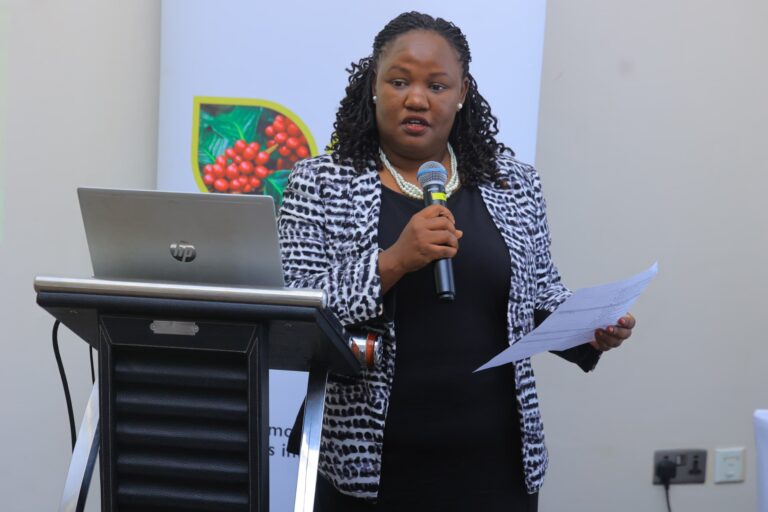
The investment pipeline also extends into agriculture through Roosevelt Africa Safari Coffee, which seeks to connect Uganda’s coffee production with U.S. investment, technology, processing, branding and market access while pursuing a commercially focused value chain capable of moving beyond the export of green beans towards roasting, packaging, branded products and other value-added coffee products for the U.S. market.
Interest from U.S. companies, including Keurig and a partnership pathway with Kahawa 1893, demonstrates the potential for deeper private-sector collaboration for Uganda, the opportunity lies in retaining greater value from one of its major agricultural commodities through processing, manufacturing and exports. For American businesses, the initiative presents opportunities in technology, equipment, packaging, logistics, branding and distribution.
The presence of EXIM and representatives of the U.S. International Development Finance Corporation (DFC) at the Showcase provides potential financing pathways, unlocking investment and financing as individual projects within the Uganda pipeline progress towards feasibility, commercial structuring and implementation.
Importantly, the US$1.2 billion represents an indicative investment pipeline rather than funds already approved or disbursed. Individual projects will be subject to feasibility studies, due diligence, eligibility requirements, commercial structuring and formal financing approvals.
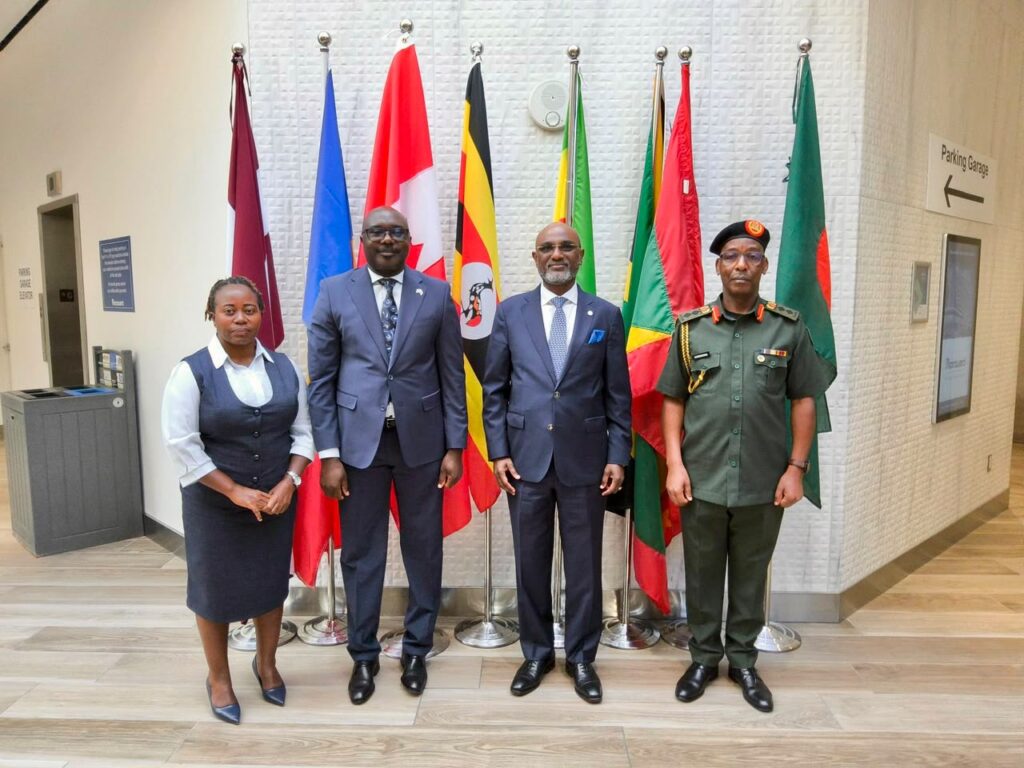
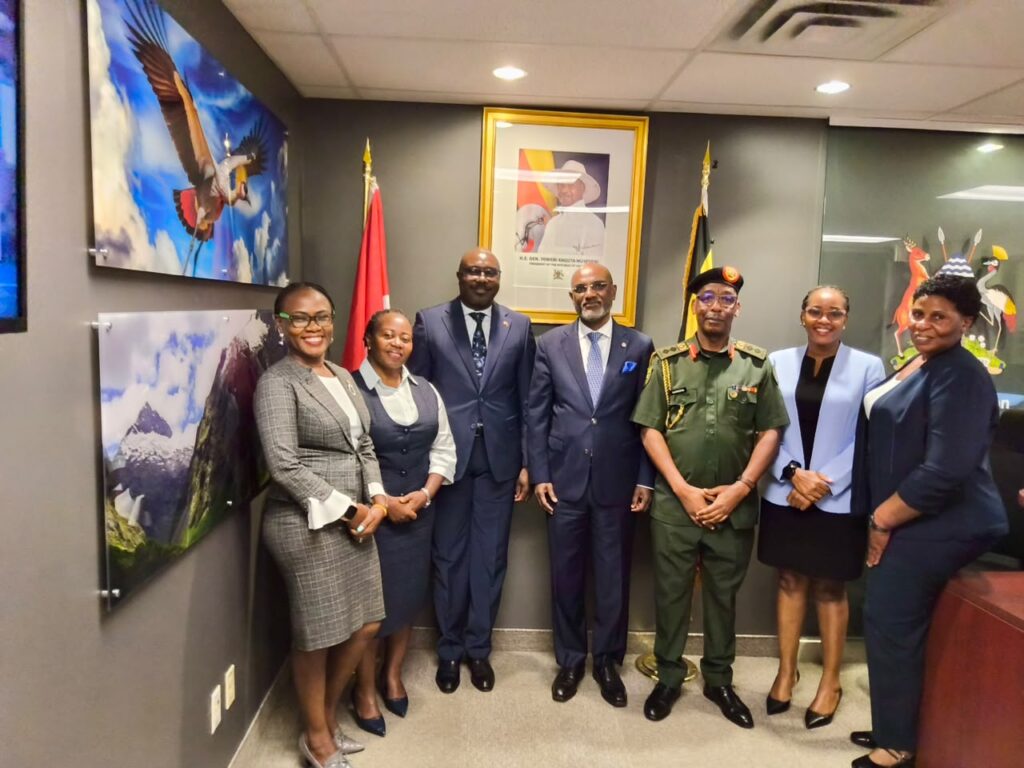
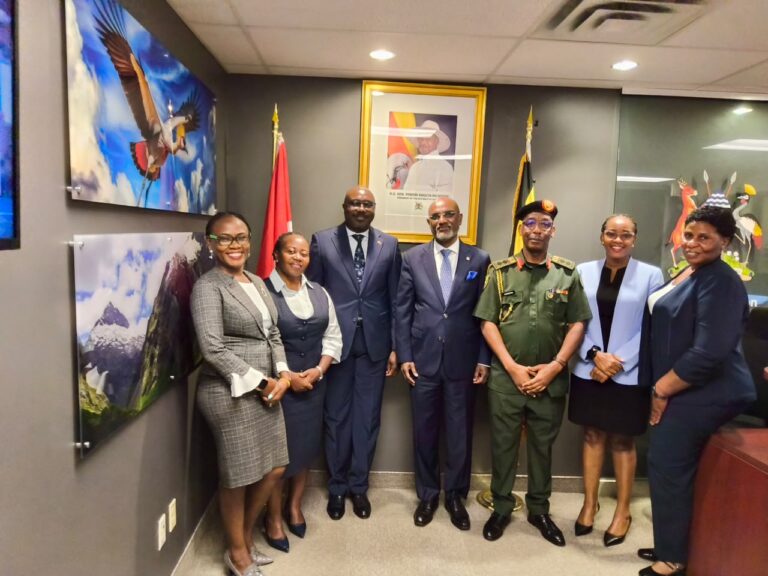
Uganda’s delegation included Hon. Amb. Adonia Ayebare, Minister of Foreign Affairs; H.E. Robie Kakonge, Uganda’s Ambassador to the United States; representatives of Uganda’s Permanent Mission to the United Nations; Diana Kyaremera, CEO of AGE Safaris; and Roosevelt Africa Trail representatives Joshua Sentongo and Dr. Frederick Kiggundu.
The announcement builds on the September 10 “Shared Heritage, Shared Opportunity” engagement at Uganda House in New York, where U.S. Representative to ECOSOC Amb. Dan Negrea supported advancing the Roosevelt Africa Trail through the Trade Over Aid framework. The next phase will focus on translating the indicative pipeline into bankable projects, partnerships and investment transactions, connecting Ugandan opportunities with U.S. companies, investors, technology providers and financing institutions.
With Kenya and South Sudan developing their own nationally defined components of the wider Roosevelt Africa Trail, the initiative also carries broader regional potential, creating a platform through which East African