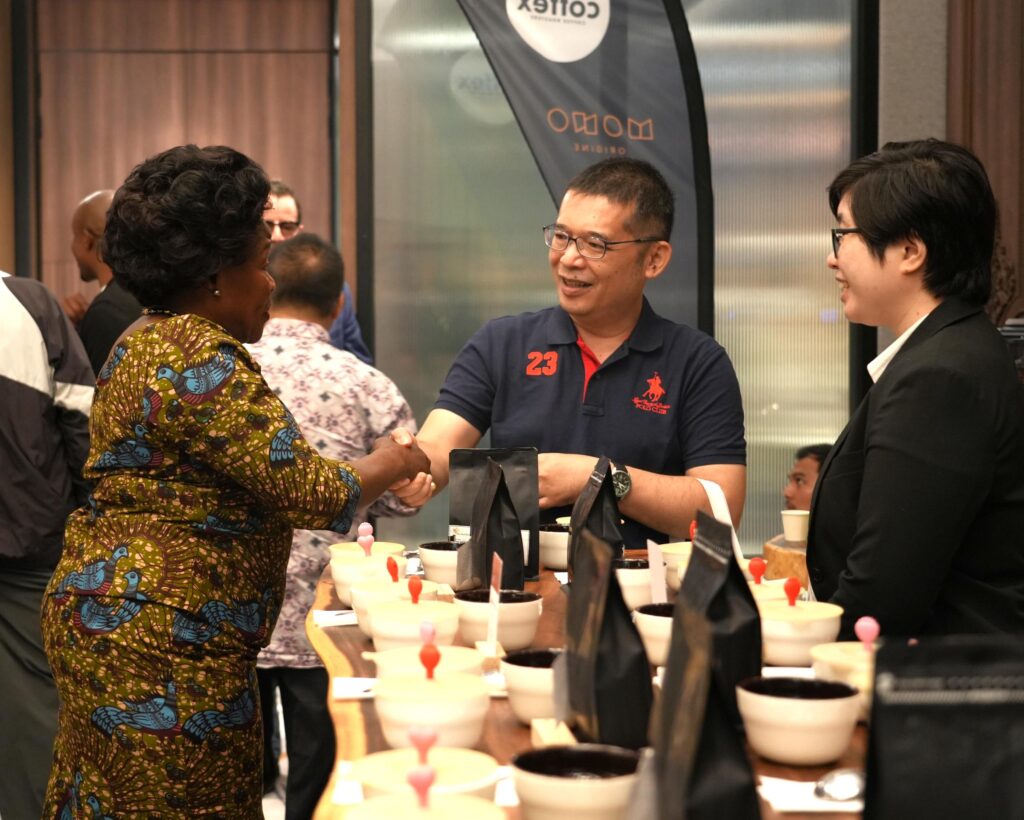
Kuala Lumpur, Malaysia – Uganda’s coffee diplomacy in Southeast Asia gained further momentum following a strategic engagement between the Uganda High Commission in Kuala Lumpur and COFFEX, a Malaysian coffee importer and roaster with a growing presence across the ASEAN market.
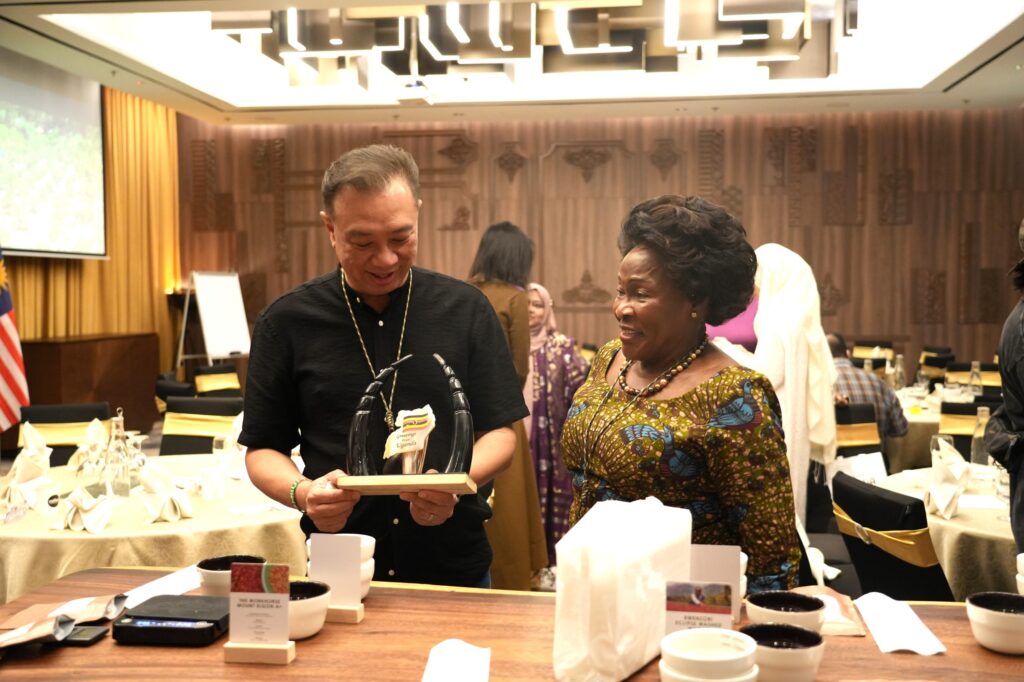
The engagement, held ahead of the Uganda Coffee Cupping Event in Kuala Lumpur, formed part of the Mission’s efforts to translate Uganda–Malaysia diplomatic relations into practical commercial partnerships, while positioning Ugandan coffee more prominently among buyers, roasters and consumers in Malaysia and the wider ASEAN region.
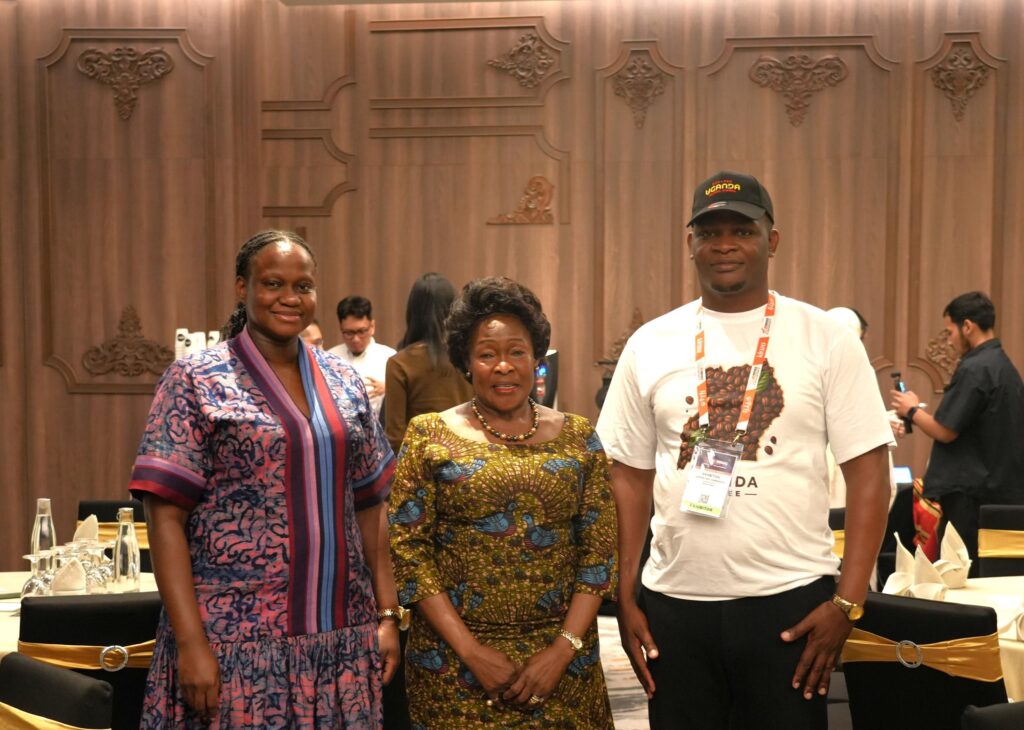
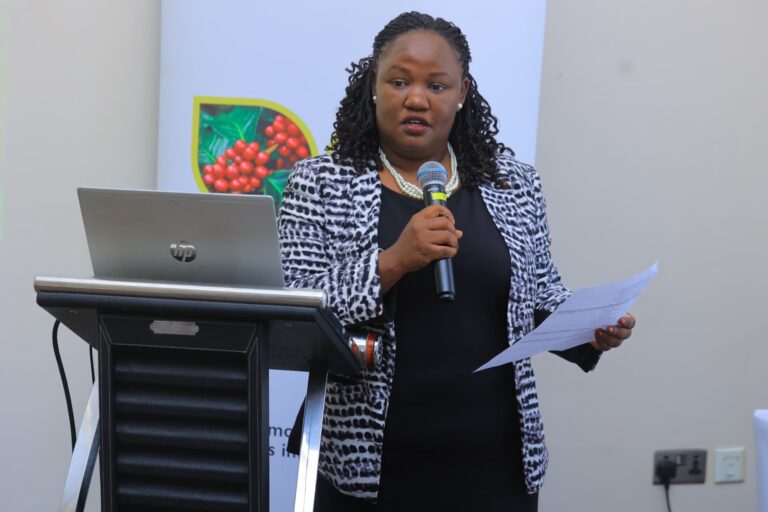
H.E. Ambassador Dr. Betty Bigombe, Uganda’s High Commissioner to Malaysia, welcomed the expanding collaboration with COFFEX, noting that the company’s engagement had contributed to growing exports of Ugandan coffee into the Malaysian market and created prospects for further expansion.
The commercial opportunity was reflected in trade statistics. In 2024, Uganda exported approximately US$1.03 million worth of coffee and coffee-related products to Malaysia. Within the same year, Malaysia imported 277.2 tonnes of unroasted, non-decaffeinated coffee from Uganda, valued at approximately US$1.03 million. The figures also placed Uganda within a substantial and competitive Malaysian coffee market. Malaysia imported approximately 87,362 tonnes of unroasted, non-decaffeinated coffee from global suppliers in 2024, valued at US$395.7 million. Vietnam, Indonesia, Brazil, Colombia and Papua New Guinea were among the leading suppliers, demonstrating both the scale of demand and the competitive environment in which Ugandan coffee was seeking to expand its market share.
COFFEX currently imports Ugandan Robusta coffee into Malaysia and, during the engagement, expressed interest in increasing its import volumes. The company also indicated its intention to use its regional business networks to encourage additional Malaysian and ASEAN importers and roasters to establish direct sourcing relationships with Ugandan suppliers. For Uganda’s commercial diplomacy, such direct business-to-business relationships were significant because they connected producers and exporters with international buyers while creating opportunities to move beyond traditional commodity transactions towards stronger and more sustained market relationships.
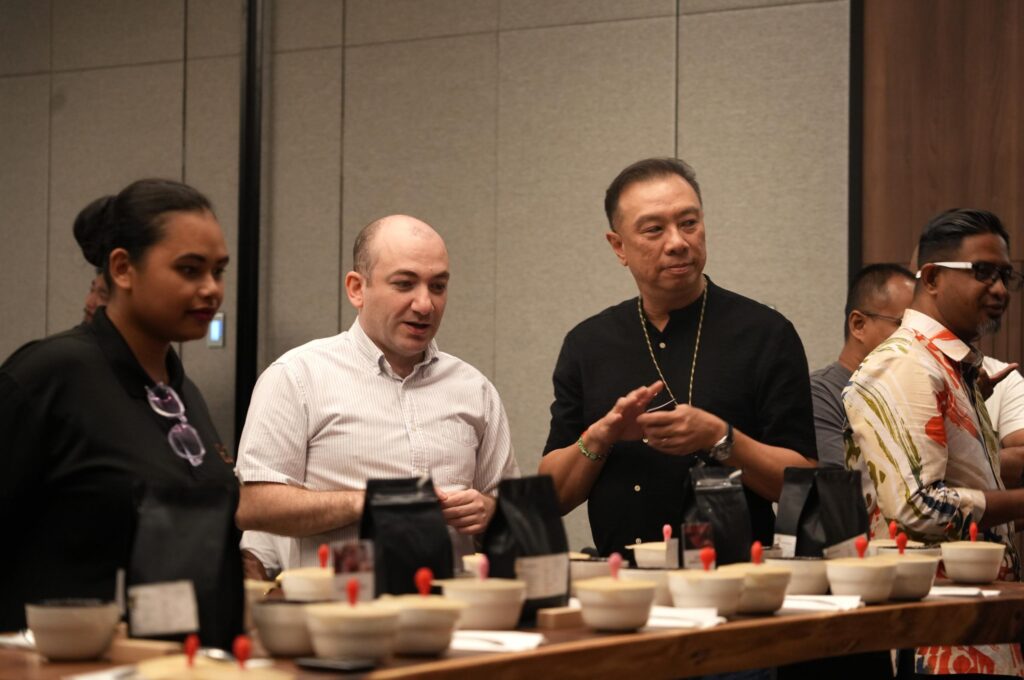
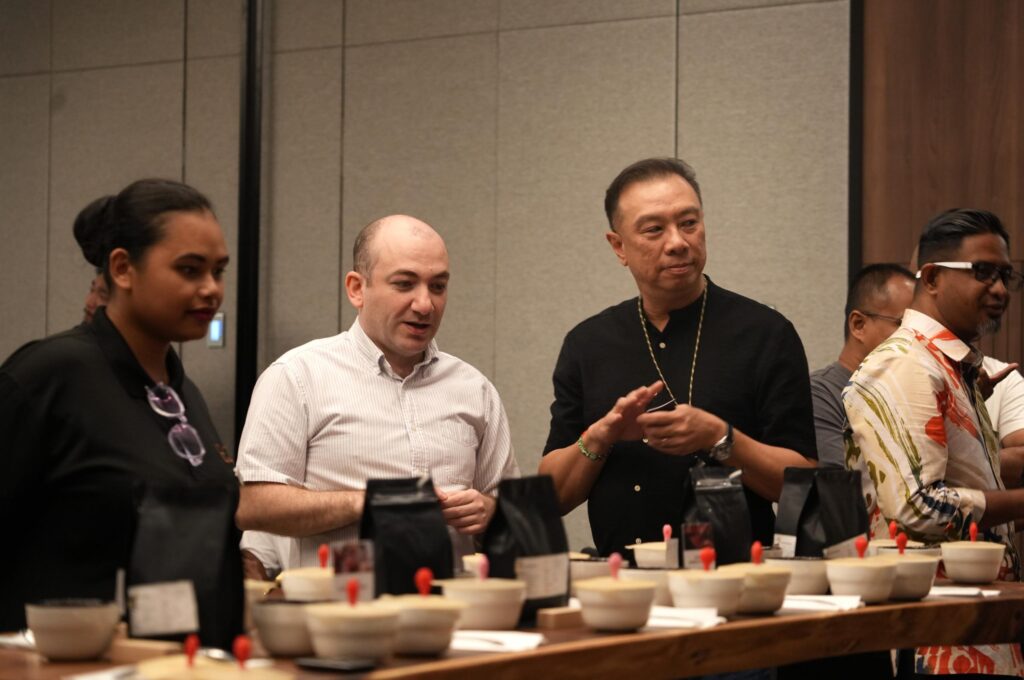
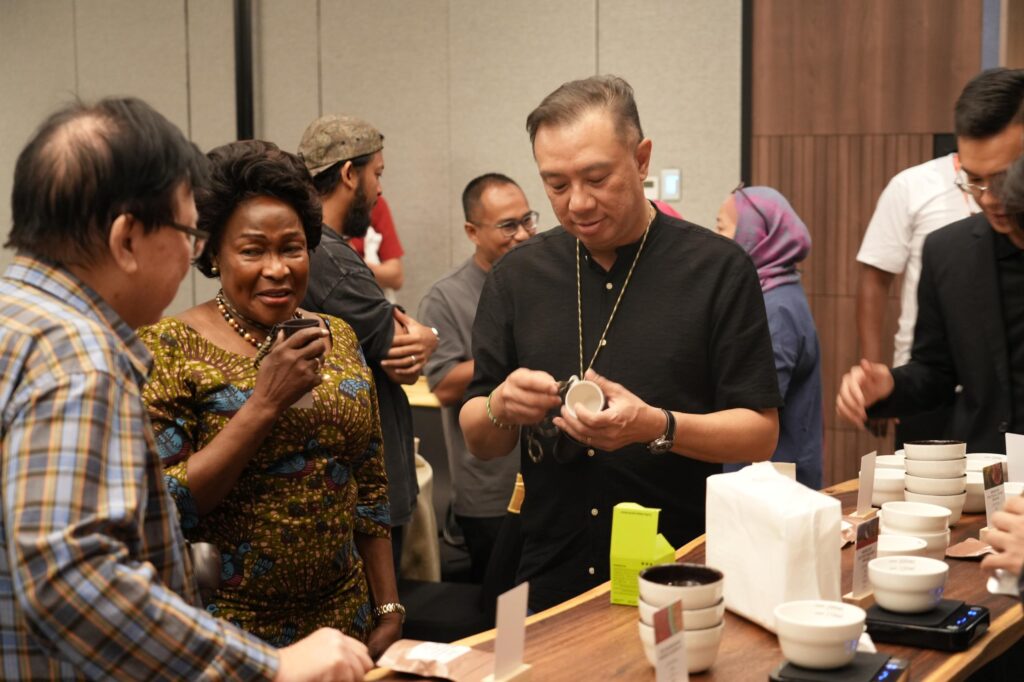
The Uganda Coffee Cupping Event provided a further platform for this engagement. Importers, roasters and coffee professionals were expected to sample and evaluate Ugandan coffee varieties, gaining first-hand exposure to their distinctive profiles, origins and quality characteristics. Coffee has increasingly become an important component of Uganda’s export economy. The Uganda Coffee Development Authority reported that Uganda’s coffee exports for the twelve months from November 2024 to October 2025 reached 8.4 million bags valued at US$2.4 billion, compared with 5.8 million bags worth US$1.3 billion in the preceding twelve-month period. Against this background, the High Commission’s engagement with COFFEX illustrated the practical role of diplomatic missions in opening markets, facilitating commercial contacts and supporting Ugandan exporters.
The growing Uganda–Malaysia coffee partnership therefore represented more than an exchange of a commodity. It demonstrated how economic and commercial diplomacy could connect Uganda’s agricultural production with Asian markets, strengthen private-sector partnerships and create new pathways for Ugandan coffee to reach consumers across Malaysia and the broader ASEAN region.