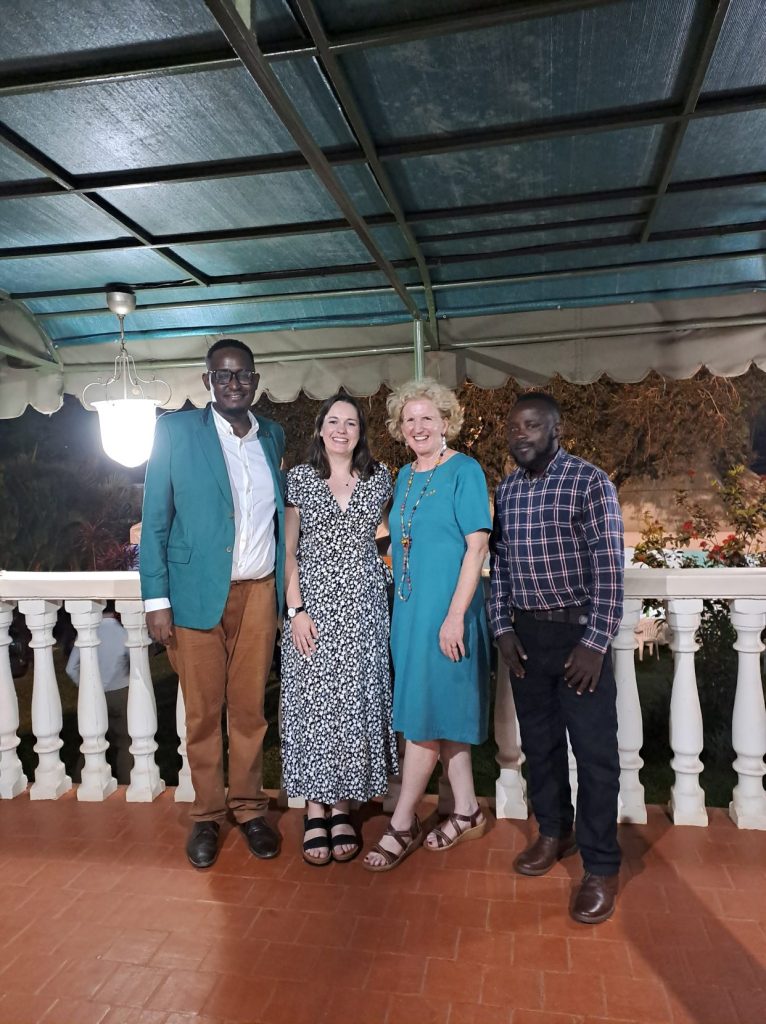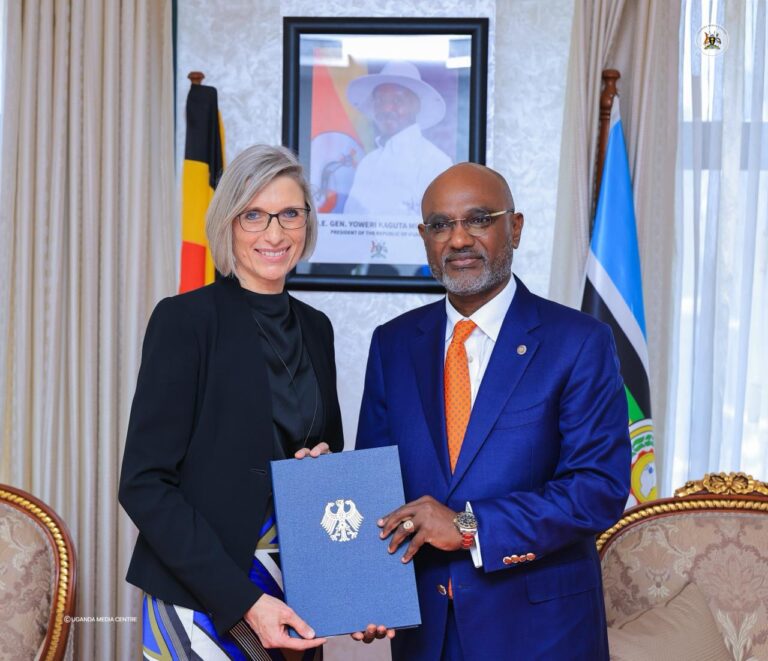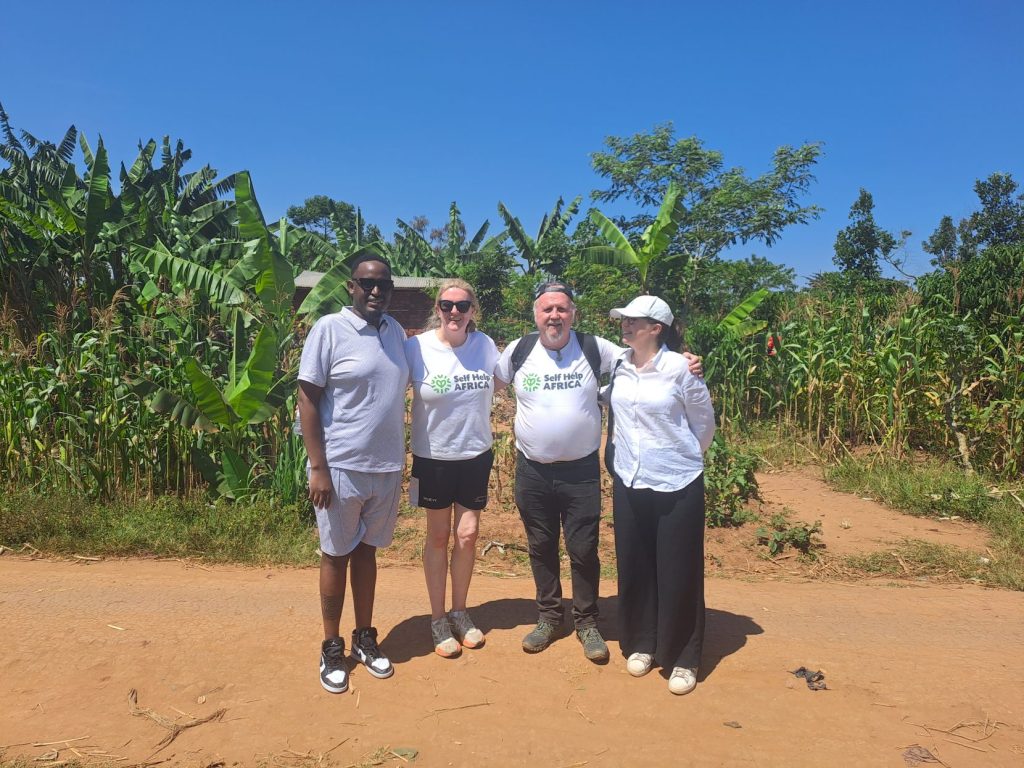
Kampala, Uganda – Uganda and Ireland reaffirmed their shared commitment to peace, sustainable development, and people-centred diplomacy through a high-level engagement that underscored the growing maturity of bilateral relations and their relevance within a broader global policy context. The Ambassador of Ireland to Uganda, Her Excellency Mags Gaynor, hosted officials from Uganda’s Ministry of Foreign Affairs at the Irish Embassy to facilitate an exchange with a delegation of forty-five Irish inter-county Gaelic Athletic Association players who participated in the “Warriors for Humanity” initiative led by Self Help Africa.
The engagement reflected a deliberate use of sport, culture, and climate action as soft-power instruments to advance international cooperation. The Ireland delegation’s programme in Uganda had combined tree-planting, community outreach, skills transfer, and the promotion of Gaelic Games, demonstrating how cultural diplomacy could reinforce shared values of inclusion, equality, and opportunity while supporting national and regional development priorities.
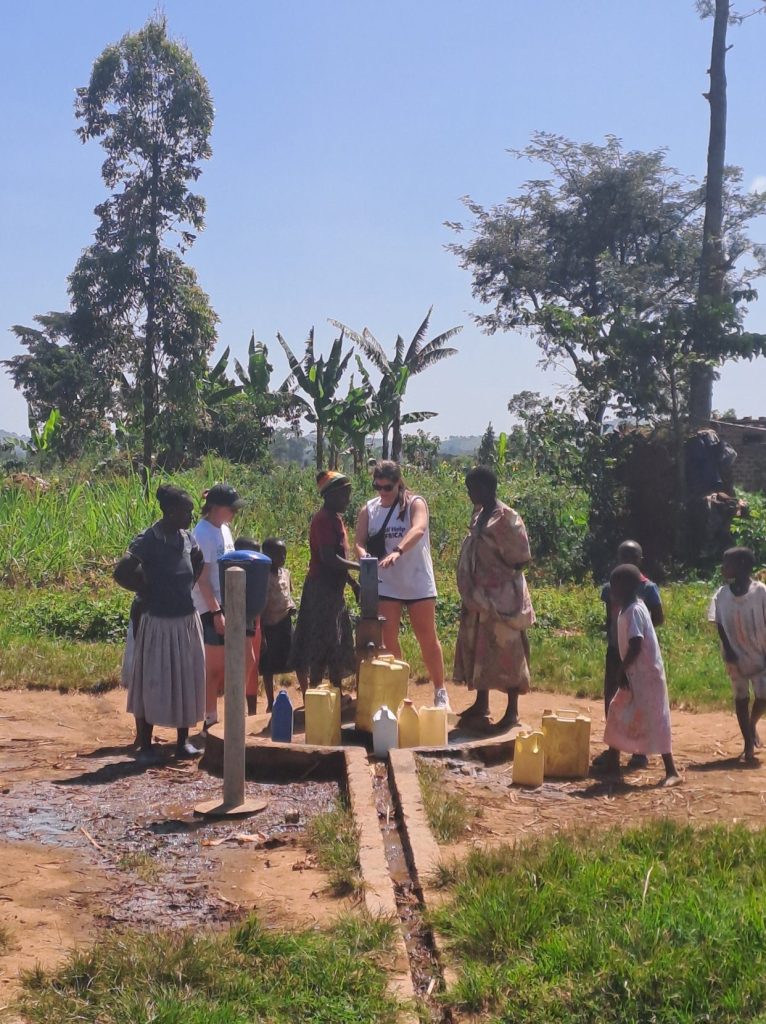
Ambassador Gaynor emphasised Ireland’s readiness to work closely with the Government of Uganda and development partners to support African-led solutions to climate vulnerability, youth empowerment, and community resilience. The discussions recognised Uganda’s stabilising role in the region and its longstanding commitment to multilateral cooperation in pursuit of peace, security, and sustainable growth. Led by Mr. Alan Kerins, the delegation travelled to Jinja between, where activities including environmental restoration, school-based sports engagement, coffee value-chain exposure, and training for young Ugandan mothers in climate-smart agriculture. These initiatives align with Uganda’s national priorities on environmental protection, food security, and women’s economic participation, while also advancing Ireland’s international development and climate objectives.
The Plant the Planet experience offered participants direct interaction with rural communities and ongoing environmental restoration efforts, highlighting Uganda’s leadership in agroforestry, biodiversity conservation, and community-driven climate adaptation. The programme illustrated how reforestation, farmer cooperatives, youth agribusiness, and women-led enterprises contributed to resilience and inclusive growth.
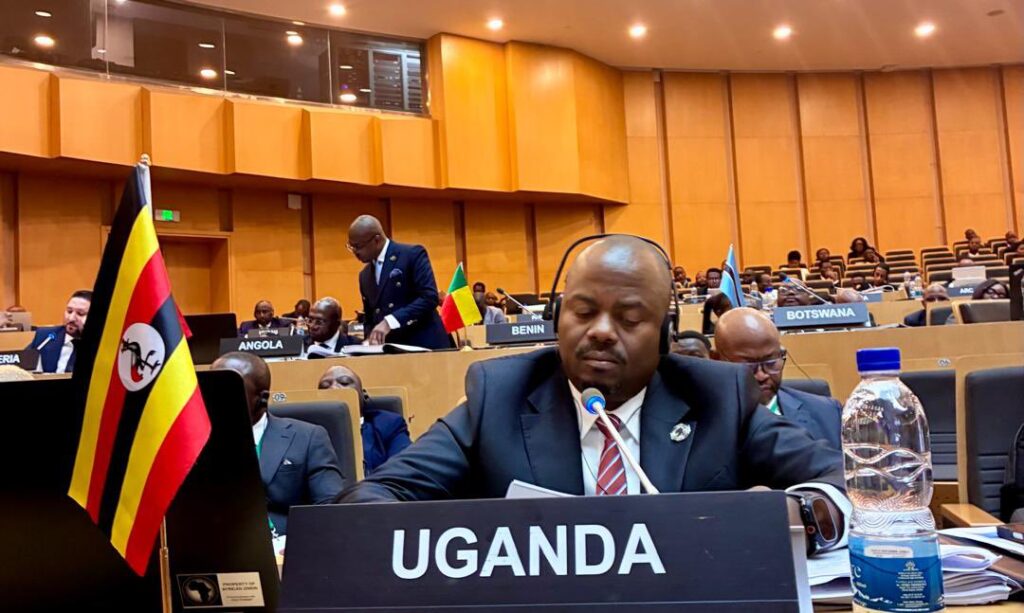
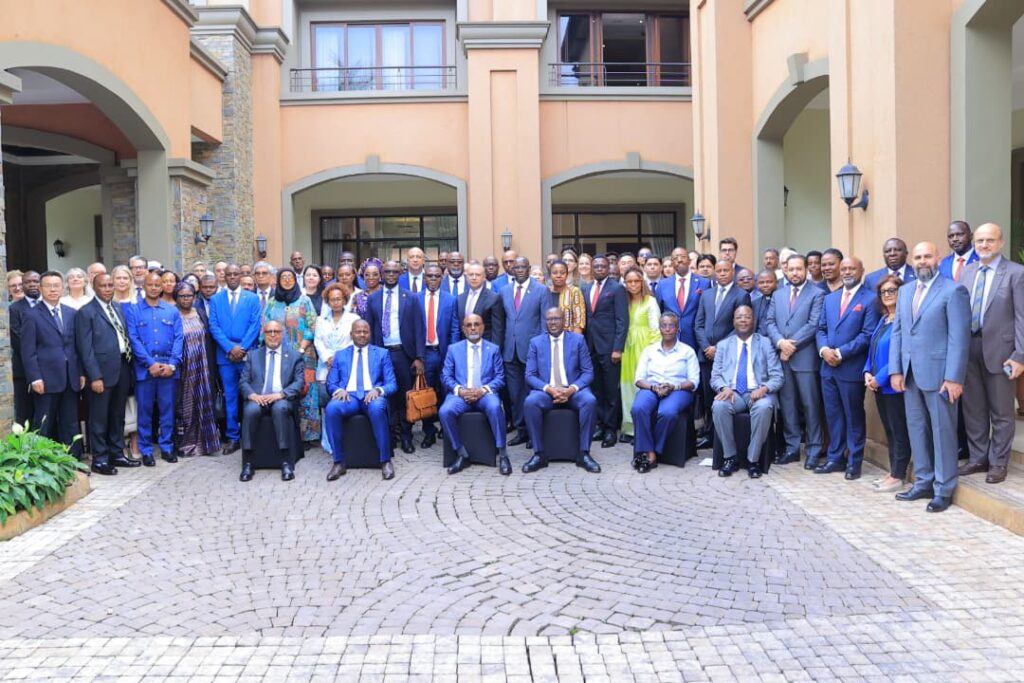
The engagement concluded with a shared understanding to further strengthen bilateral cooperation in peacebuilding, sustainable development, and cultural exchange. Uganda’s Ministry of Foreign Affairs conveyed its appreciation to the Government of Ireland for its continued partnership, noting that such collaborations reinforced collective responses to global challenges while deepening mutually beneficial relations.