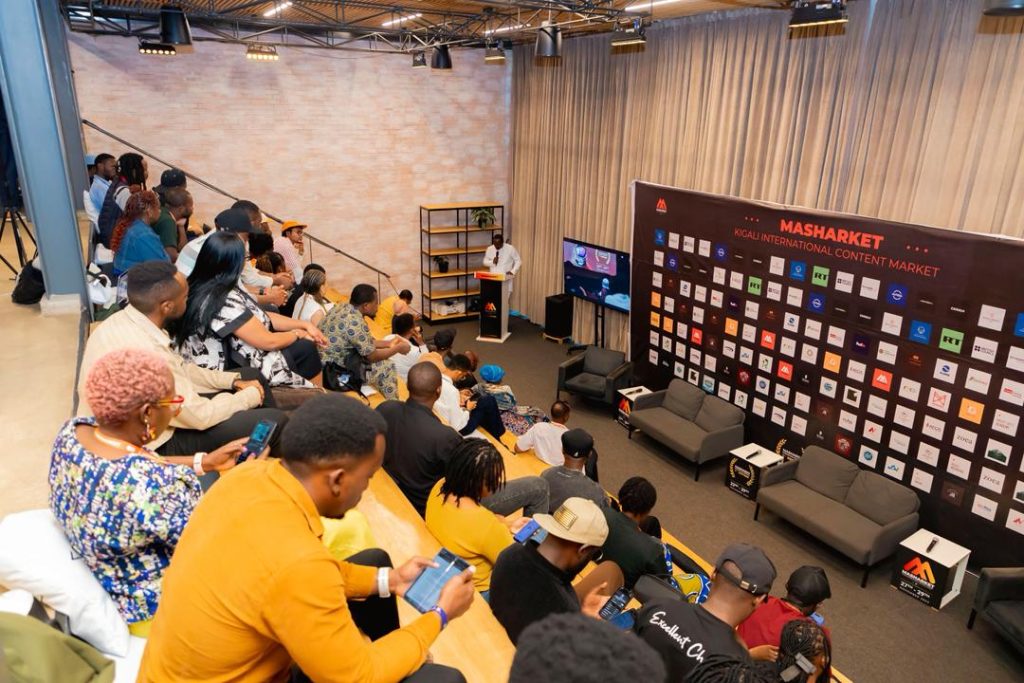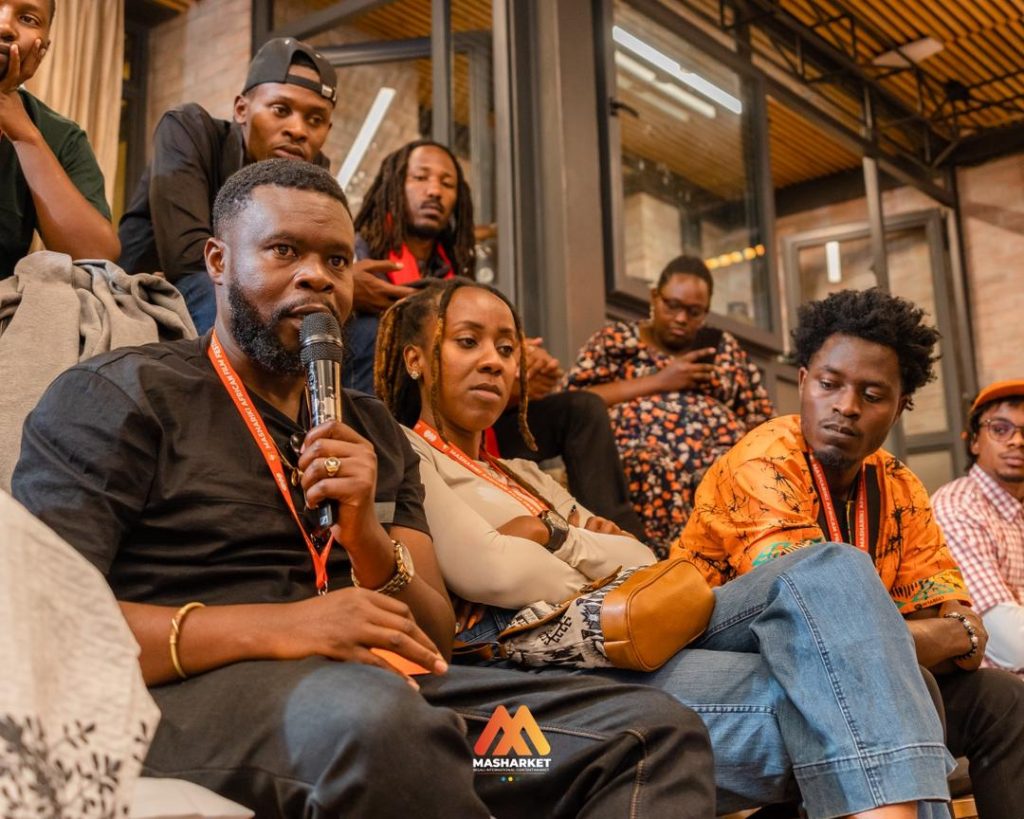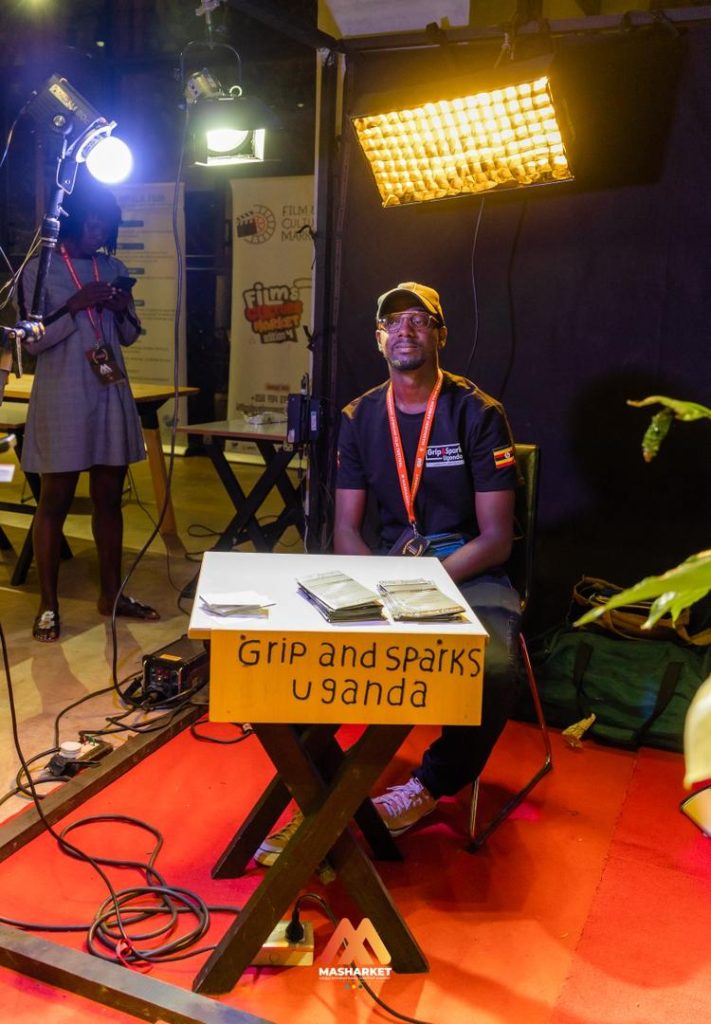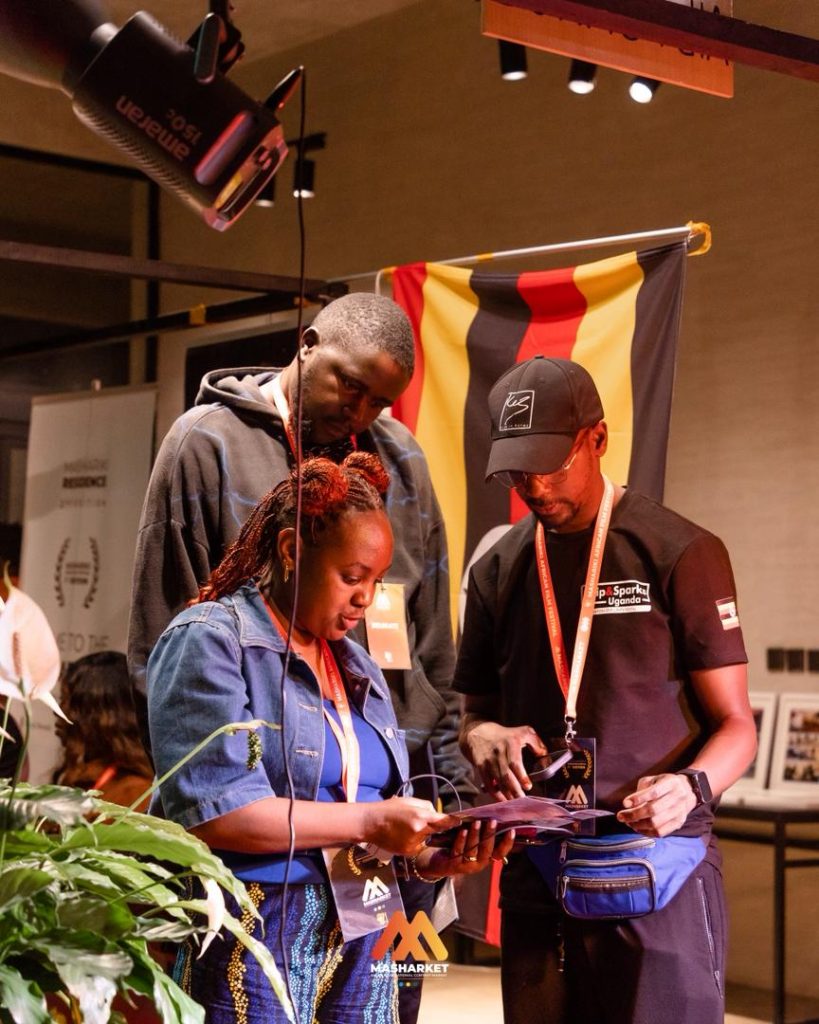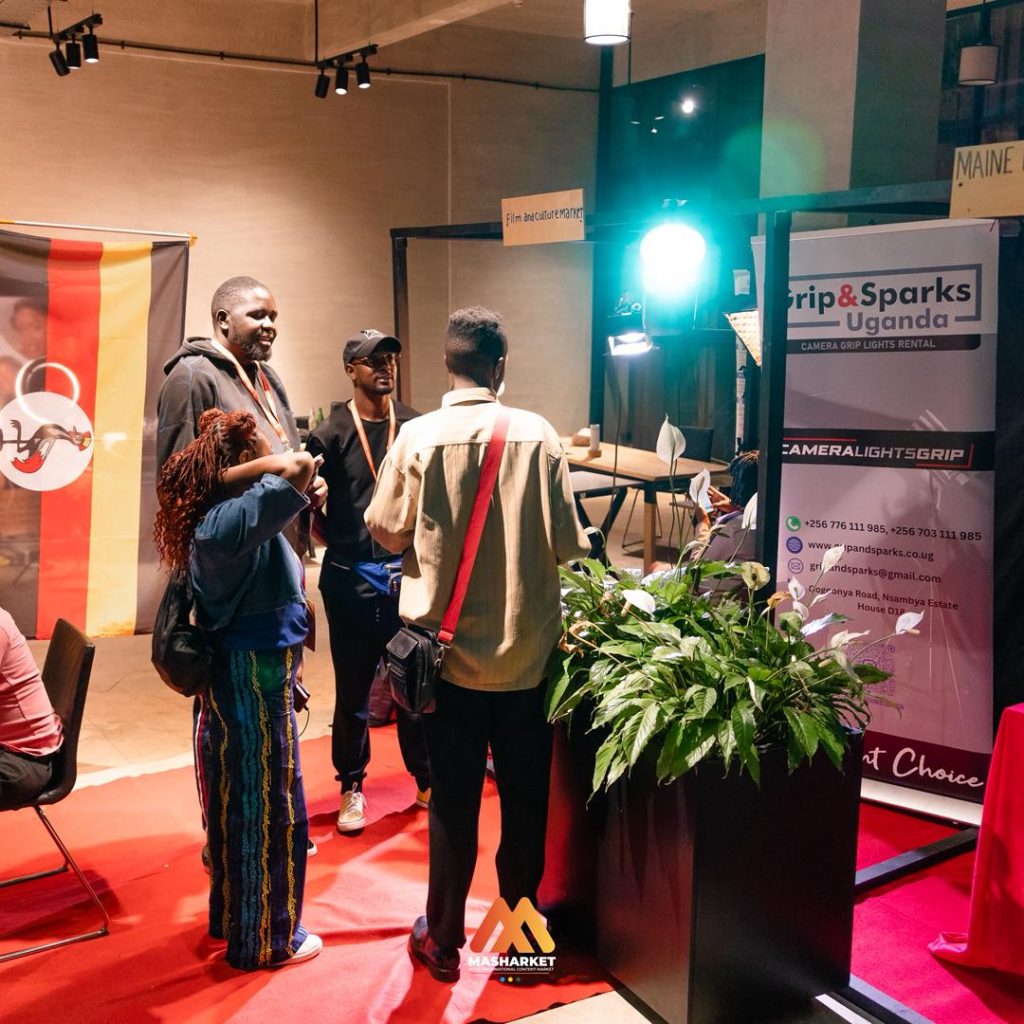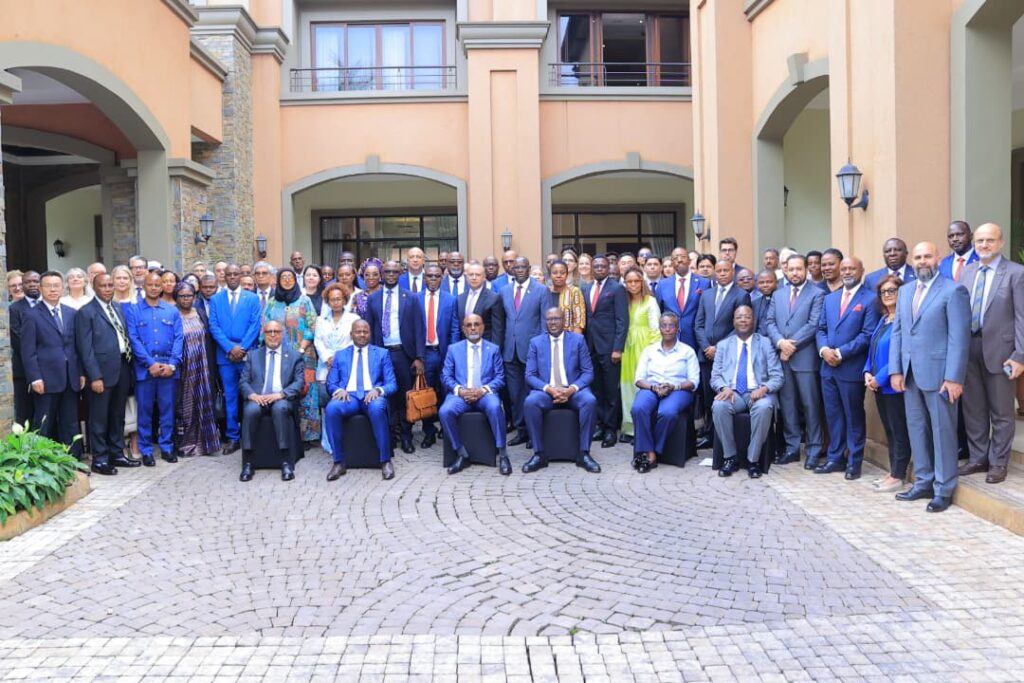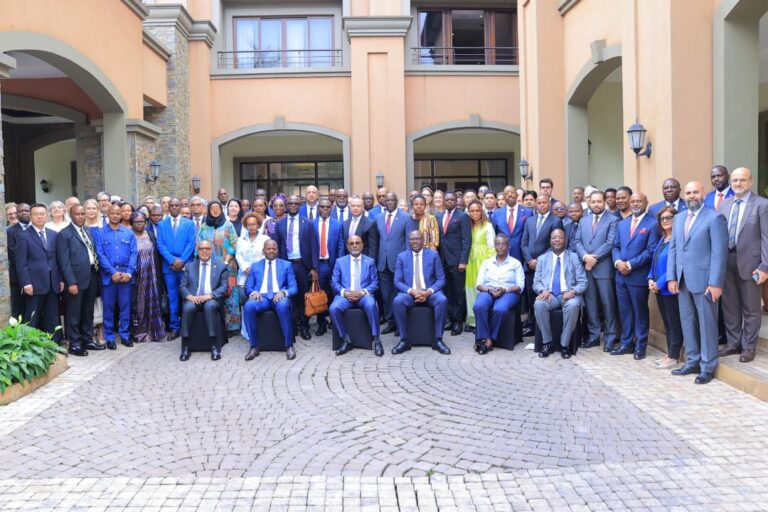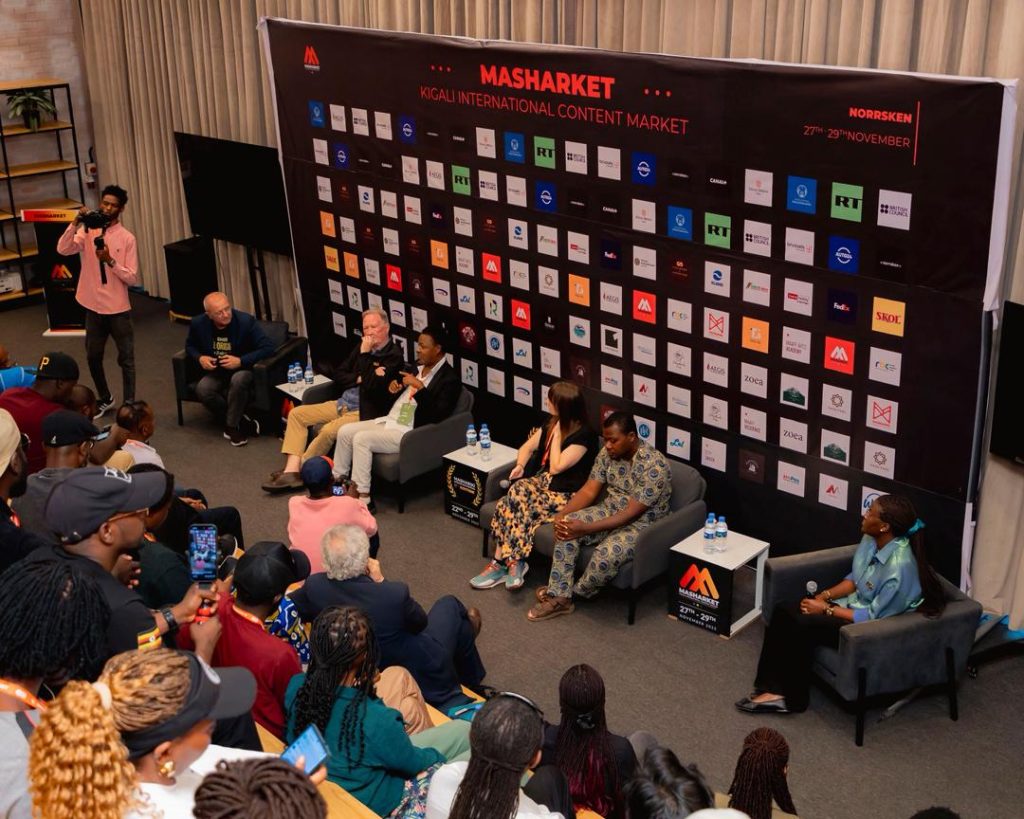
In the heart of Kigali unfolded a remarkable gathering that showcased the vibrancy of East Africa’s creative industries and the growing recognition that film, storytelling, and cultural expression are powerful engines of social and economic transformation. The 3rd Kigali International Content Market (KICM), held alongside the 11th Mashariki African Film Festival, brought together artists, diplomats, cultural workers, educators, and young creatives from across the continent and beyond.
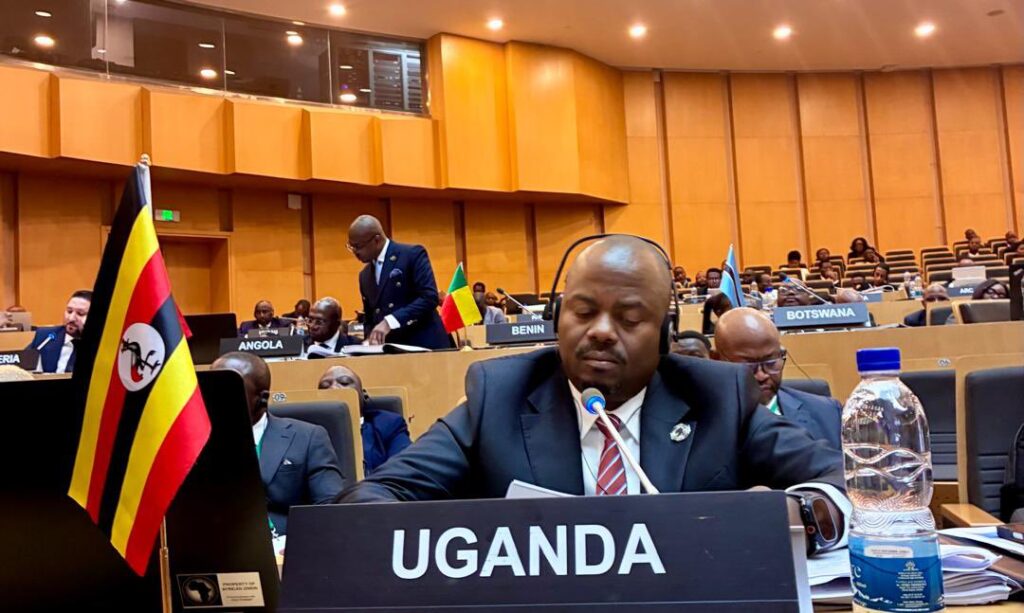
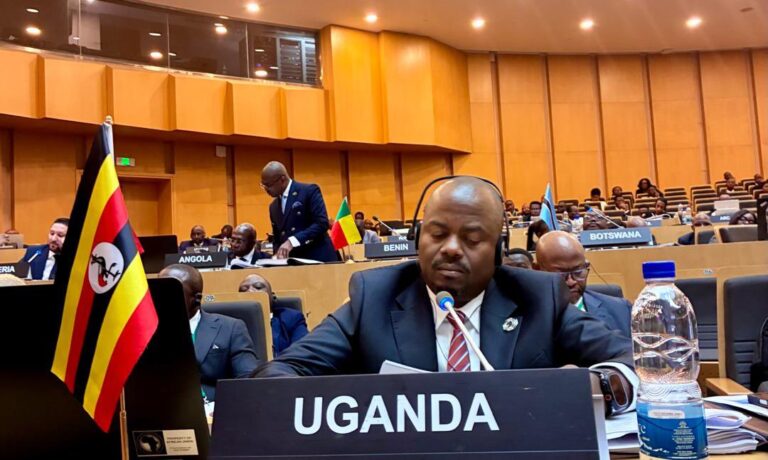
Uganda participated prominently through the Uganda High Commission in Rwanda and the Ministry of Foreign Affairs, reaffirming the country’s commitment to artistic excellence and cultural diplomacy. Many attendees noted that this year’s edition felt bolder and more intentional. The focus extended beyond celebrating film to exploring how cinema can shape nations, empower communities, and inspire future generations.
The opening ceremony set an inspiring tone. Cultural scholar Professor Mhando Martin urged festivals to act as catalysts for long-term change. He emphasized that creative industries are not luxuries but essential drivers of identity, innovation, and economic opportunity. He praised Mashariki’s community-focused activities, tree planting, blood donation drives, and outreach initiatives which illustrate how art can strengthen civic spirit.
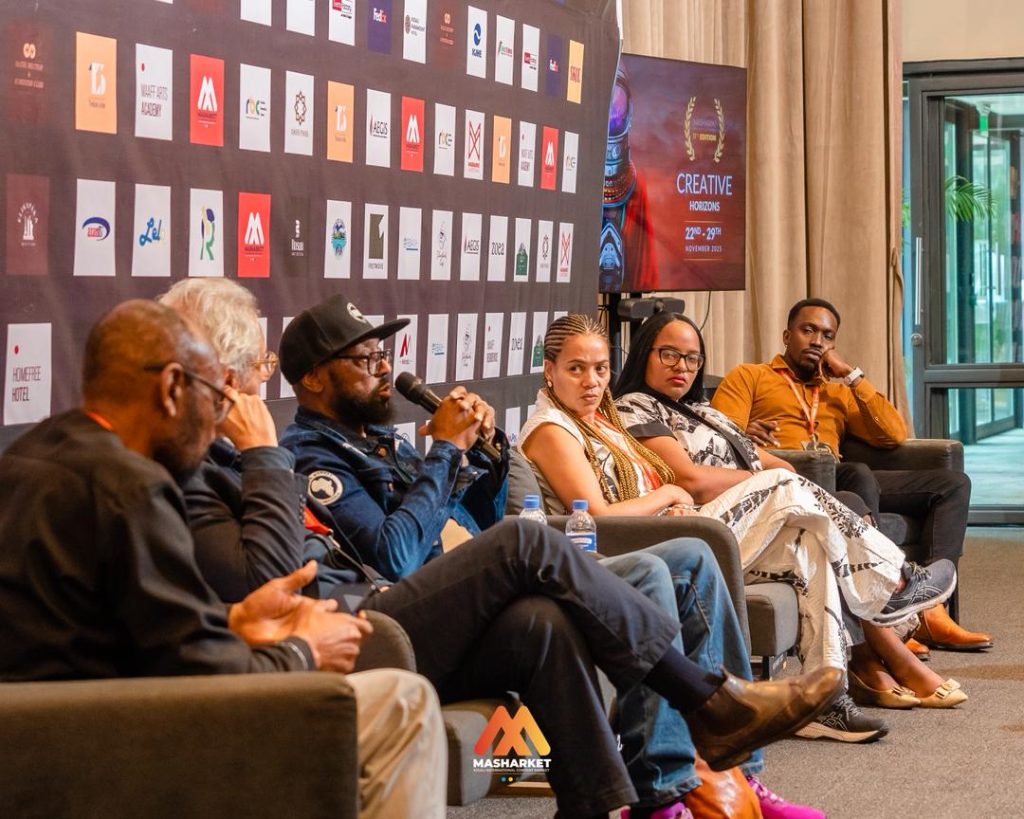
Key moments emerged during the panel on the socio-economic impact of film festivals on local communities. Panelists from Burundi, the UK, Canada, Togo, and across East Africa agreed that for festivals to make a real difference, they must remain accessible to ordinary people. A notable insight came from the discussion on documentary films: many festivals reject previously screened works, limiting their reach. Panelists argued for more flexible rules, retrospective categories, and partnerships with digital platforms to extend films’ lifespans and community impact.
For Uganda, participation in KICM and Mashariki affirmed a promising reality: East Africa’s creative ecosystem is rapidly maturing. Filmmakers are collaborating across borders, accessing regional platforms, and identifying new pathways for funding and distribution. Supported by the Ministry of Foreign Affairs and the Uganda High Commission in Kigali, Uganda continues to position itself as a cultural leader in the region.
What stood out this year was a shared continental purpose. Participants agreed that the future of African storytelling depends on investing in people, nurturing talent, mentoring young creators, and involving communities. Sustainable artistic growth arises not from isolated events but from year-round collaboration, training, and cultural dialogue.
As lights dimmed and screenings began, it was clear that East Africa is on the brink of a creative renaissance bold, dynamic, and unmistakably African.