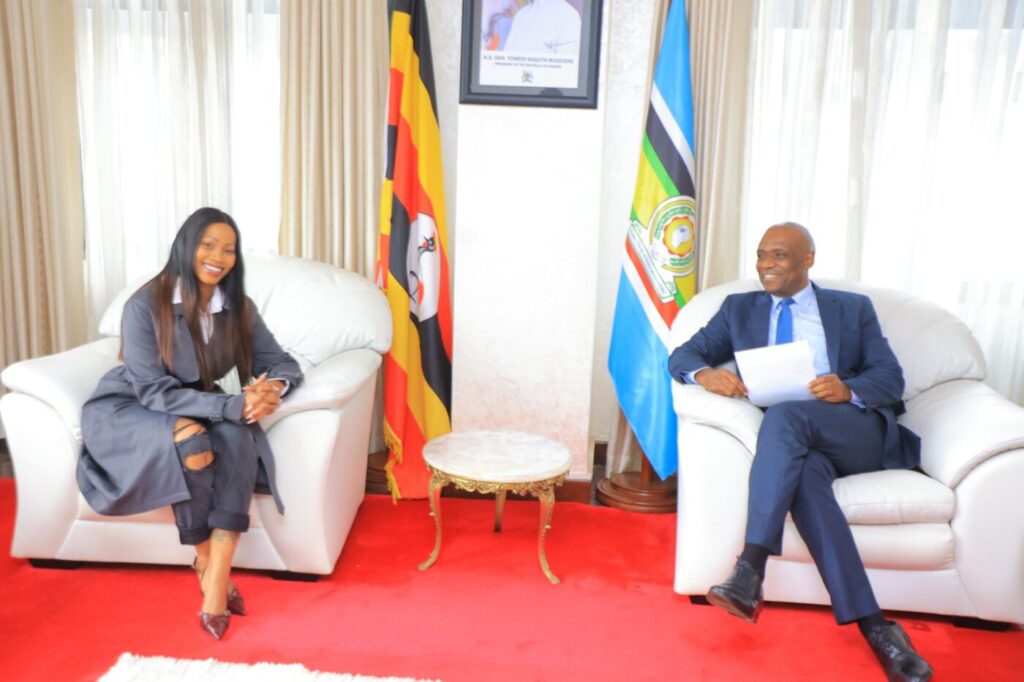
Kampala, Uganda – In December 2025, Uganda recorded a significant cultural-diplomacy milestone when internationally celebrated Ugandan musician Sheebah Karungi was honoured with the ODA Award for Outstanding Artistry and Cultural Influence at the 9th Edition of the ODA Awards in Addis Ababa, Ethiopia.
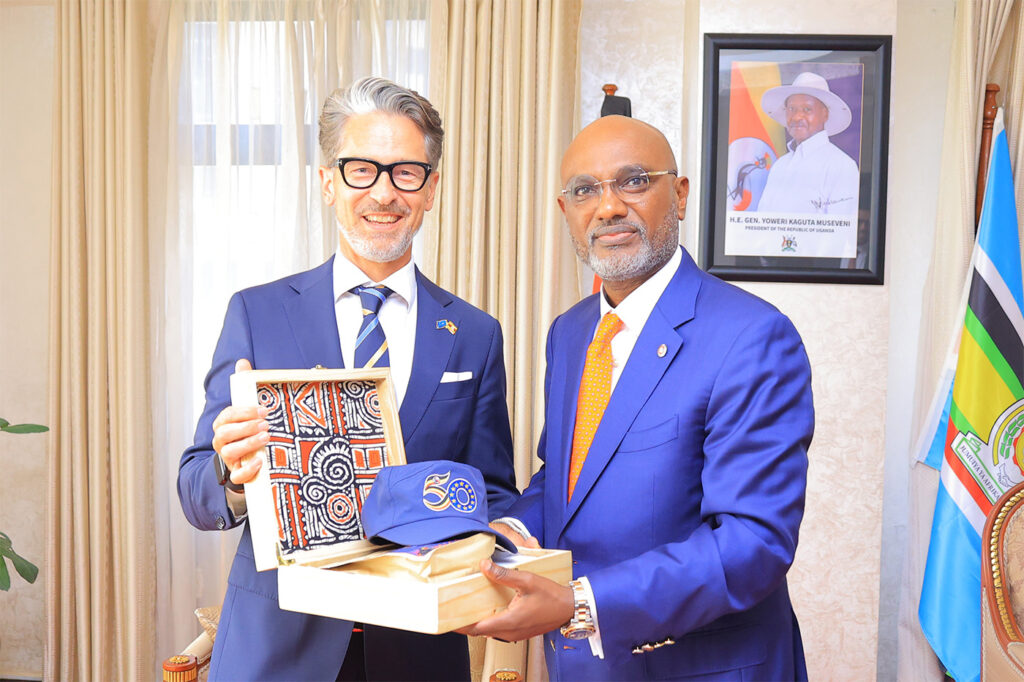
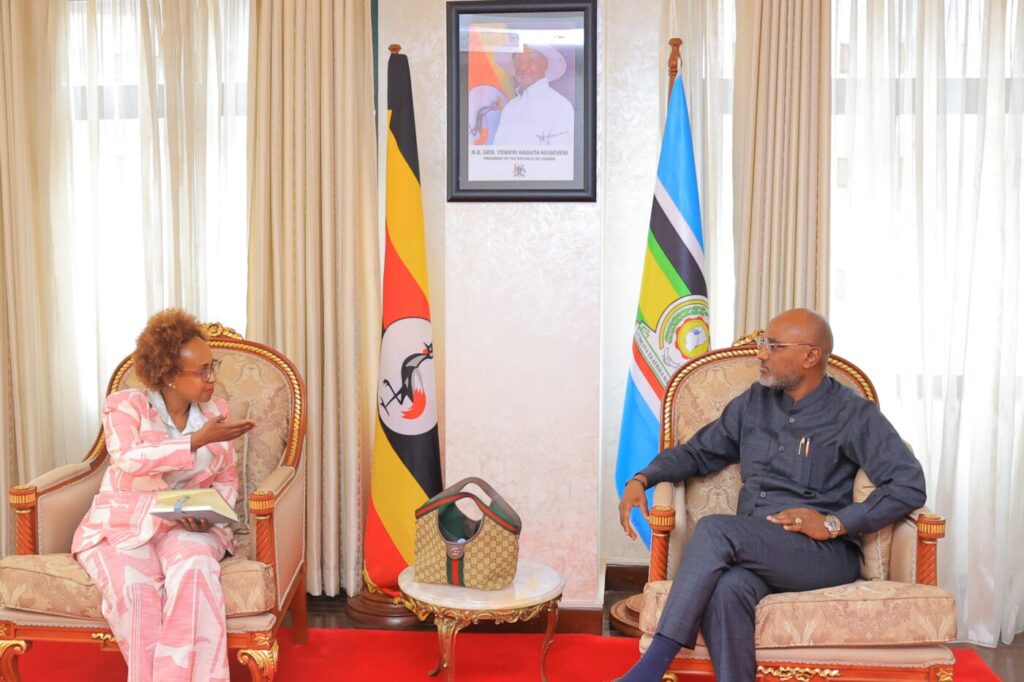
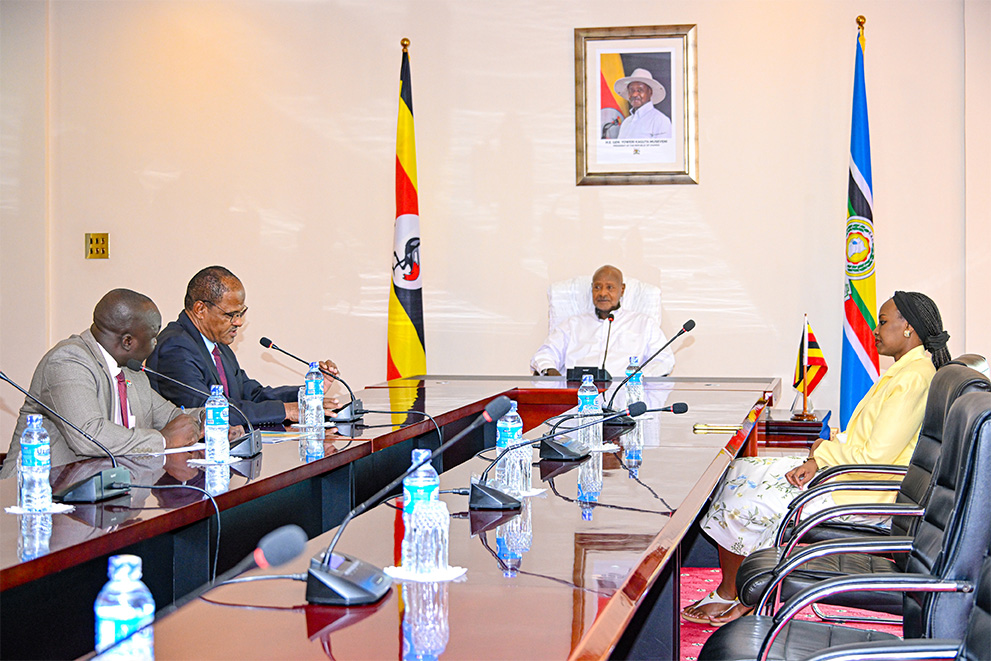
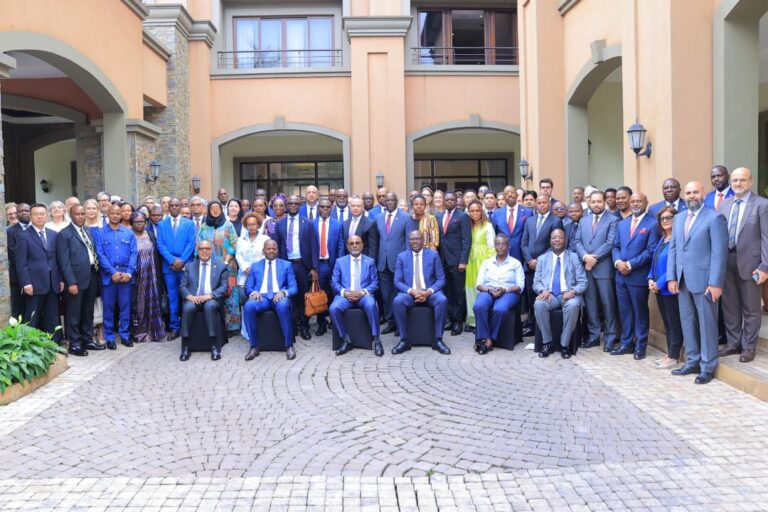
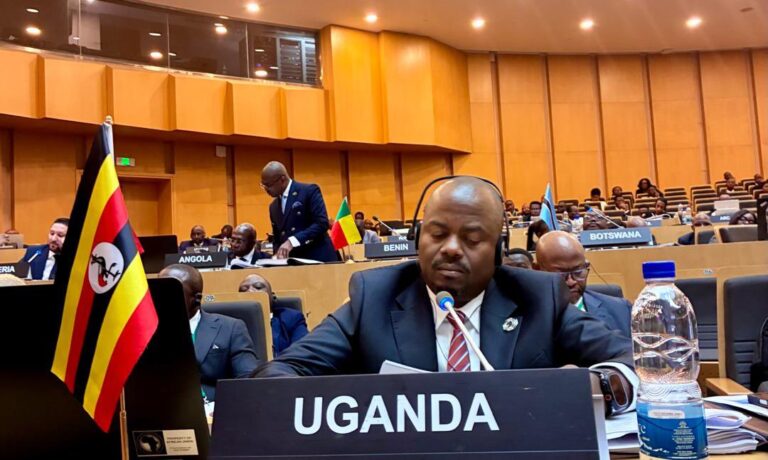
The award, first received on her behalf by Ambassador Rebecca Otengo Amuge, Uganda’s Ambassador to Ethiopia and Permanent Representative to the African Union in Addis Ababa, was presented by Ambassador Charles Ssentongo, Chief of Protocol at the Ministry of Foreign Affairs, in recognition of Ms. Karungi’s contribution to projecting Uganda’s cultural identity across Africa and beyond. The recognition carries significance beyond the achievement of one artist. It provides another illustration of Uganda’s growing soft power the ability to shape perceptions, build relationships and generate influence through culture, values, creativity and people-to-people engagement.
Uganda’s creative sector has increasingly moved from the margins of economic policy towards the centre of the country’s development conversation. According to figures cited in Uganda’s parliamentary budget analysis, the Arts, Entertainment and Recreation sector increased its contribution to GDP from 2.2% in FY2021/22 to 4.1% in FY2022/23, representing an increase from approximately UGX 3.58 trillion to UGX 7.58 trillion. A recent sector study estimated that Uganda’s cultural and creative industries contributed approximately 3% of GDP and supported between 280,263 and 400,000 people directly and indirectly. The study also cautioned that the true contribution was likely understated because much creative activity remained informal and insufficiently captured in national statistics. The scale of the sector has prompted government to strengthen its financing architecture, with UGX 28 billion allocated to the sector for FY2025/26, and the National Revolving Fund for Creatives that is intended to improve access to finance, strengthen creative enterprises and support income generation across the sector. These figures place Sheebah’s recognition within a much larger national story – exporting identity, stories, fashion, language, rhythm, creativity and a distinct African cultural experience.
The ODA Award, derived from the sacred Odaa tree, a symbol associated with unity, dialogue and cultural continuity, carried a particularly appropriate message for cultural diplomacy. Through music and performance, artists often reach audiences that formal diplomatic institutions take years to reach. A song can cross borders without requiring a visa. This is the strategic value of cultural diplomacy, and Ms. Karungi’s career had demonstrated this potential. Her music has travelled across borders, reached vast audiences through digital platforms and has contributed to the visibility of Uganda’s contemporary cultural identity. Her success therefore represents not only individual artistic excellence but also a form of people-centred diplomacy.
Uganda’s international image is traditionally associated with its wildlife, landscapes, hospitality and cultural heritage. Increasingly however, the country’s creative personalities have become important ambassadors of the national brand in an increasingly competitive global environment where countries compete not only for tourists and investors, but also for attention. The creative economy provides Uganda with a powerful instrument in that competition. When international audiences listen to Ugandan music, watch Ugandan films, encounter Ugandan fashion, or followed Ugandan artists, they also encounter aspects of Uganda’s identity.
Tourism creates business opportunities and sustained international visibility creates pathways for investment and commercial partnerships. In this sense, culture had become increasingly connected to Uganda’s Economic and Commercial Diplomacy agenda. Uganda’s development planners recognise that the culture and creative economy can contribute to employment, domestic resource mobilisation and tourism. The Fourth National Development Plan specifically identifies leveraging the sector for employment and domestic resource mobilisation as a strategic priority, an opportunity that is particularly significant for a young country like Uganda, with a large and increasingly digitally connected population. The creative economy encompasses music, film, fashion, visual arts, crafts, photography, design, literature, advertising, architecture, entertainment and other forms of cultural production.
The ODA recognition provides a timely reminder that Uganda’s soft power is not confined to government institutions. Ms. Karungi’s achievement had placed a Ugandan artist within a continental conversation about culture, influence and African identity. Her recognition also demonstrates how cultural excellence can strengthen Uganda’s presence in spaces where conventional diplomatic representation alone cannot achieve the same reach. The Ministry of Foreign Affairs’ role in receiving and subsequently facilitating the handover of the award underscores the growing importance attached to culture as an instrument of foreign policy. The message is clear: Uganda’s creatives are not merely entertainers; they are increasingly part of the country’s international engagement ecosystem.
The challenge ahead is to convert individual success stories into a stronger national creative ecosystem, which requires continued investment in skills, intellectual-property protection, digital monetisation, financing, international distribution, cultural exchange and structured partnerships between government, the private sector and creative practitioners. It will also require Uganda’s Missions abroad to increasingly identify opportunities through which Ugandan artists, filmmakers, designers, fashion houses and cultural entrepreneurs can access international markets. The experience of the ODA Awards demonstrates what such engagement cam achieve.
Sheebah Karungi’s ODA Award is therefore more than an accolade presented to a successful musician, but rather a moment in which Uganda’s cultural identity was recognised on a continental stage. It also reflects a broader transformation in how diplomacy is being understood. In the twenty-first century, national influence is not built only through treaties, summits and official statements. It is also built through the stories a country tells, the art it produces, the people it inspires and the emotions it generates beyond its borders.
Uganda possesses an extraordinary reservoir of cultural creativity. The growing economic contribution of the creative sector, the livelihoods it supports and the increasing attention given to creative financing demonstrates that this is no longer simply a matter of entertainment. For Public Diplomacy, the opportunity is even greater – every song that travelled internationally, every Ugandan film screened abroad, every designer who entered a foreign market and every artist who performed before an international audience expanded the space in which Uganda can be known and understood. Sheebah Karungi received an award in Addis Ababa, but the recognition belongs in a broader sense, to Uganda’s creative spirit. It has shown that Uganda can speak to Africa and the world not only through its diplomatic institutions, but also through the voices, imagination and talent of its people.
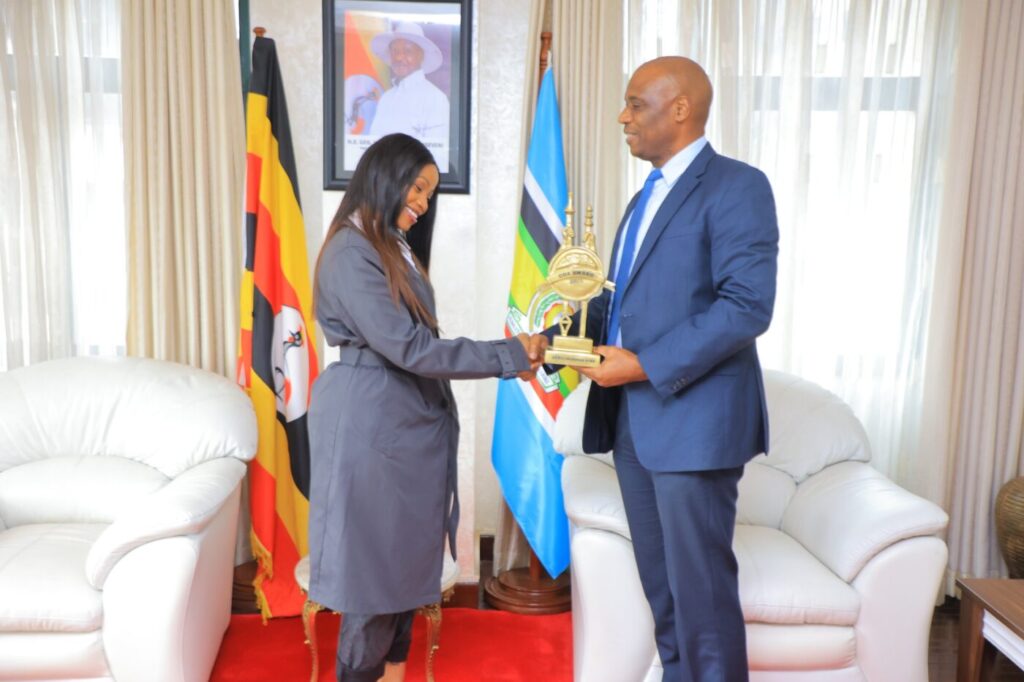
Photo Credit: Herbert Ssekatawa