“If governments and development partners move from symbolic engagement to system-building lowering transaction costs, strengthening trust infrastructure, and recognizing the central role of South–South diasporas DDI can become not an exception, but a normal part of development finance “
~ Dr Jason Gagnon
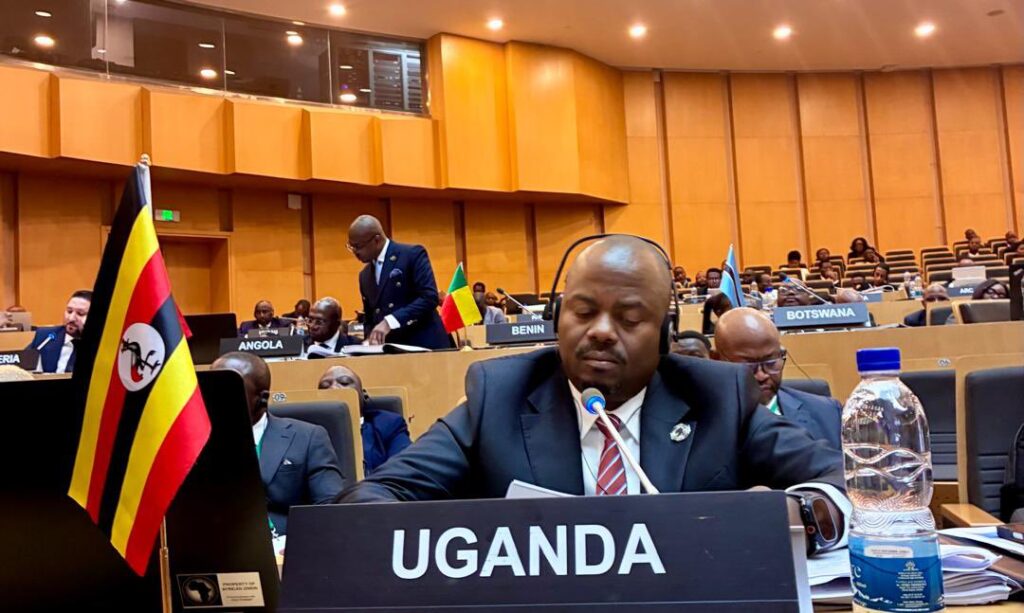
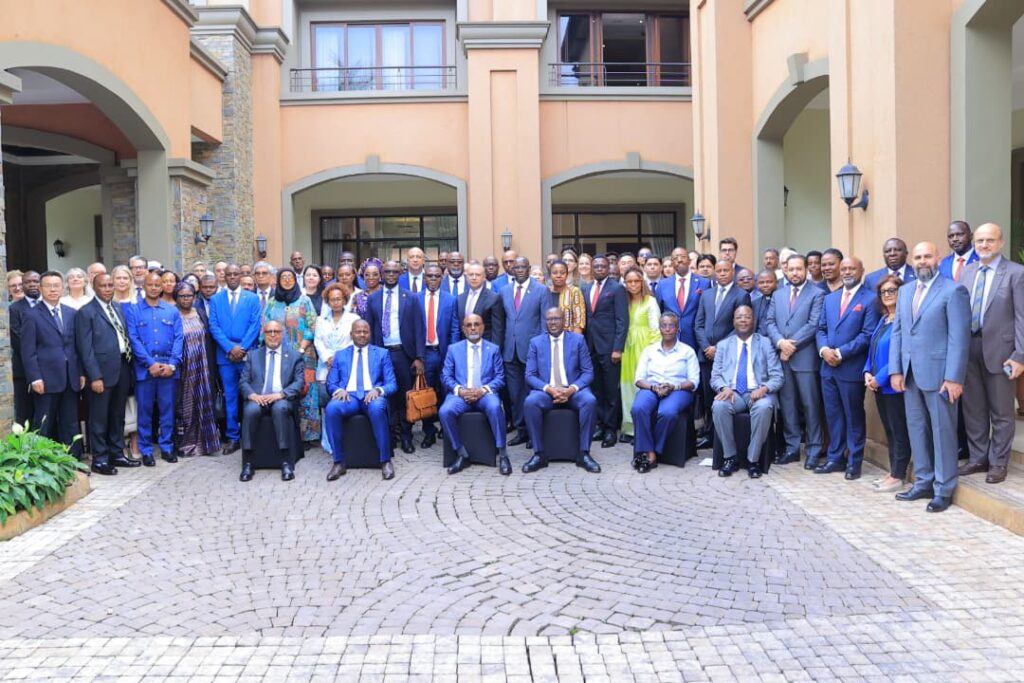
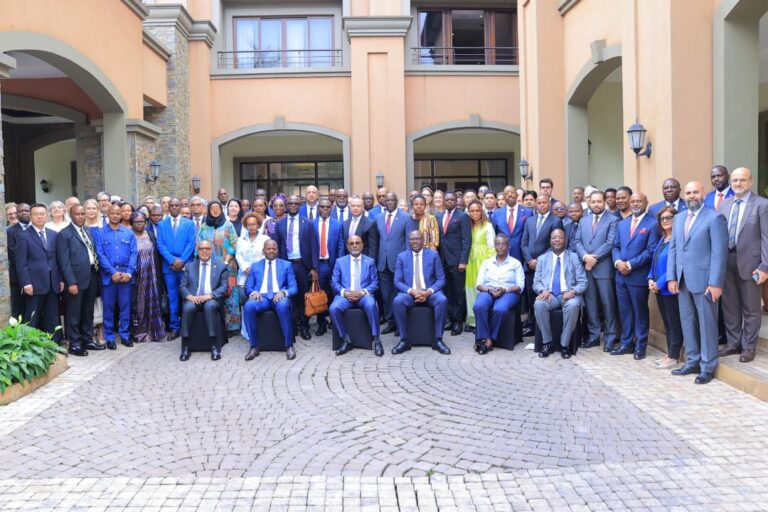
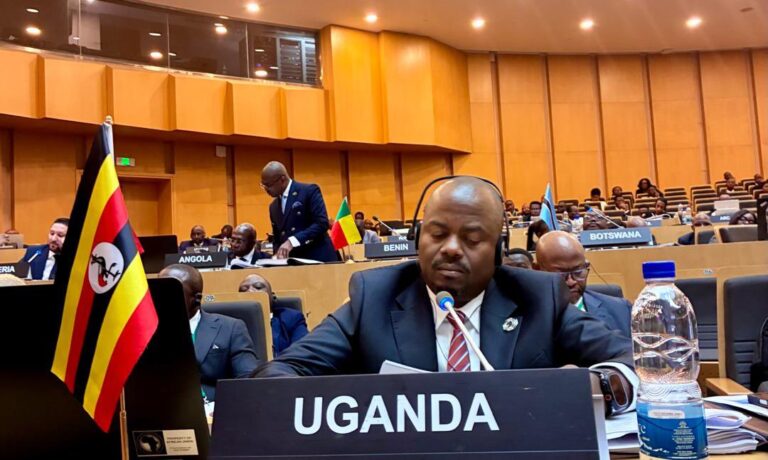
Uganda is entering a new phase in how it relates to its citizens abroad. For years, diaspora engagement mainly meant homecoming, cultural connection, and remittances. That support still matters. But a more serious question is now being raised in policy and diplomatic spaces: how do we turn diaspora capital into long-term assets, productive enterprises, and measurable national value? This shift is unfolding alongside Uganda’s push to make Economic and Commercial Diplomacy (ECD) a real delivery agenda, not just a slogan. The government is strengthening the role of its missions abroad to actively support investment, exports, tourism promotion, and strategic partnerships. And at the recently concluded Second Uganda Diaspora Convention 2025, held under the ECD theme, a clearer message was reinforced: the diaspora is a strategic partner in national development and global competitiveness.
Importantly, Uganda’s emerging direction is also unfolding alongside a wider regional push. The East African Community is developing a regional diaspora strategy to better engage and utilize diaspora potential for the region’s socio-economic transformation. With all this happening, I must say, the stars are aligning: a diaspora ready to invest, a region getting more deliberate, and a government approach increasingly focused on trade, investment, and measurable outcomes. In simple terms, this is the shift toward what I’ll call Diaspora Direct Investment (DDI).
What Diaspora Direct Investment really is (and why it’s different)?
In my view, DDI is best understood as diaspora money that takes ownership and risk, not just diaspora money that “helps.” It’s the difference between sending funds to keep things going and putting capital into something that grows such as housing developments done properly, a business that can scale, a processing facility, a logistics venture, a clinic, a school, a technology service, a tourism product, or even a structured portfolio that has reporting and accountability. It is investment with expectations, safeguards, and a need for systems that make it safe enough to repeat. A useful example is Kenya, cited for the strength of investment clubs and “chama” culture, including among people abroad. Kenya has shown that diaspora investment does not always need to be huge to be meaningful. It needs to be organized and should match the reality of diaspora investing. Investment clubs have worked there largely because they acknowledge the other side of how people invest: not alone, not blindly, and not through informal promises. People pool money, share due diligence, build discipline, and invest as a group. That model is worth noticing for Uganda, not as something to copy exactly, but as a reminder that if we want consistent diaspora investment, we have to make investing feel normal, structured, and protected, especially for people who may not be writing six-figure cheques but can invest steadily when the system is credible.
Beyond the “High-Income Diaspora” Assumption
The bigger point is that Uganda’s diaspora picture itself is changing. Globally, international migration is now estimated at around 304 million people (mid-2024), and a lot of movement happens within low- and middle-income regions, not only “South to North.” Uganda is part of that shift. Many Ugandans are moving to regional and emerging destinations which are nearer, more accessible, often more affordable, while the traditional “North” destinations remain important but are not the only story.
This matters because the diaspora investor Uganda imagines in its head is often someone in a high-income country with large savings, yet the majority of migrants in today’s patterns may not fit that profile. Some are in places where incomes are modest, costs are high, and financial buffers are thinner. They still invest but often in smaller amounts, more frequently, and more successfully through collective vehicles like clubs, pooled projects, and structured pipelines. Uganda already has evidence that diaspora financial flows are significant.
In 2023, remittances were over US$1.4 billion, roughly about 3% of GDP. That is not small. But remittances, by nature, do not automatically become investment. A remittance is usually private household money: school fees, medical bills, building, family support. Investment is a different category, it needs investable opportunities, trustworthy channels, clear rules, and protection from fraud and misunderstandings. So, the right question is not “do diaspora members have money?” The right question is “does Uganda have an investable system that makes people comfortable enough to invest again and again?”
If Uganda wants DDI to be more than a buzz word, we have to talk honestly about what breaks trust. DDI carries a unique vulnerability: it can collapse quickly when early investors have bad experiences. One bad experience becomes a warning story that travels through diaspora networks faster than any government campaign. Trust is the currency. Hence, for DDI to work, structure has to be there such as verification, standard contracts, dispute options, transparent registers, credible intermediaries, and a culture of documentation. I also think Uganda should broaden its definition of who the “target investor” is.
The diaspora in high-income countries will remain important, but if a large share of Ugandans abroad are living in low- and middle-income destinations, then our DDI approach must serve them too. That means designing pathways for smaller and pooled capital such as; investment clubs, diaspora cooperatives, regulated collective schemes, diaspora SME funds, or project portfolios where people can participate in steps, not only through massive, one off commitments.
If Uganda can align its ECD machinery with a clear DDI pathway, one that is coordinated, transparent, and measurable diaspora direct investment can become one of the most practical bridges between today’s migration realities and the kind of national development we keep talking about.