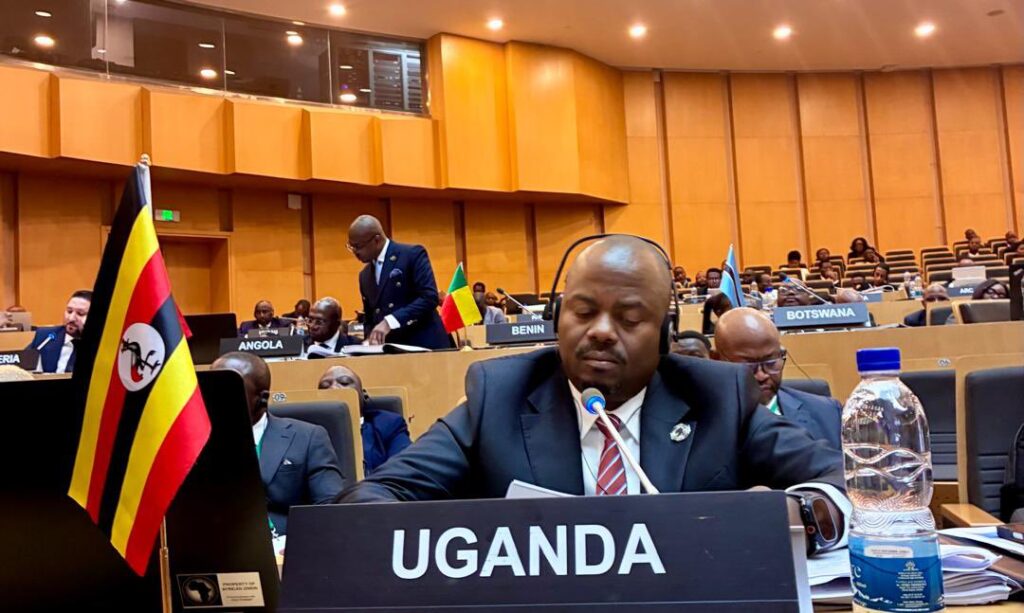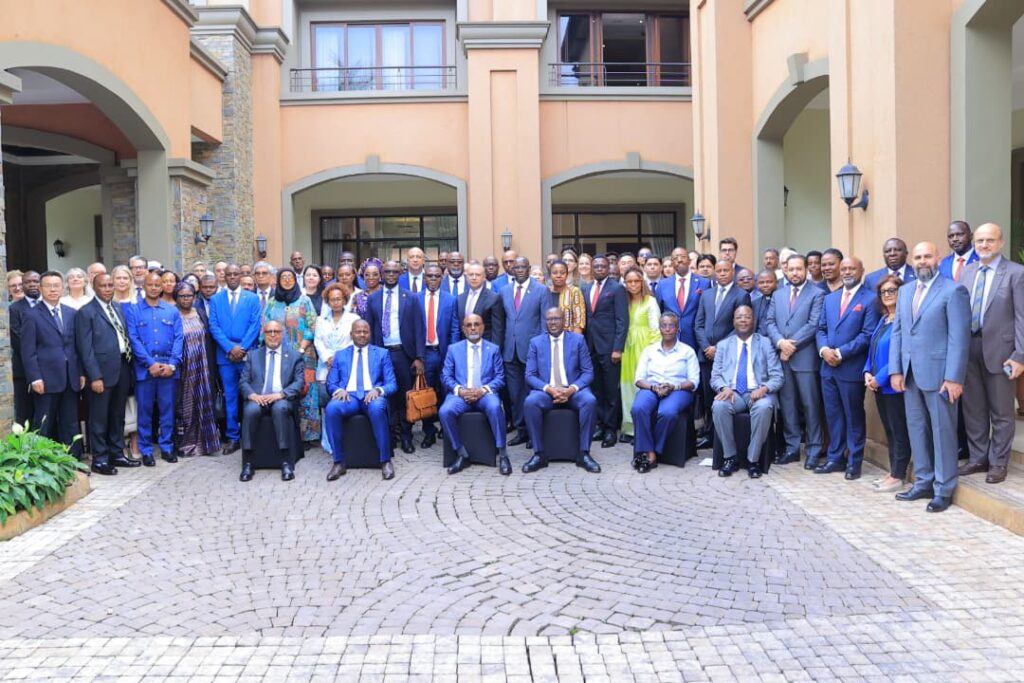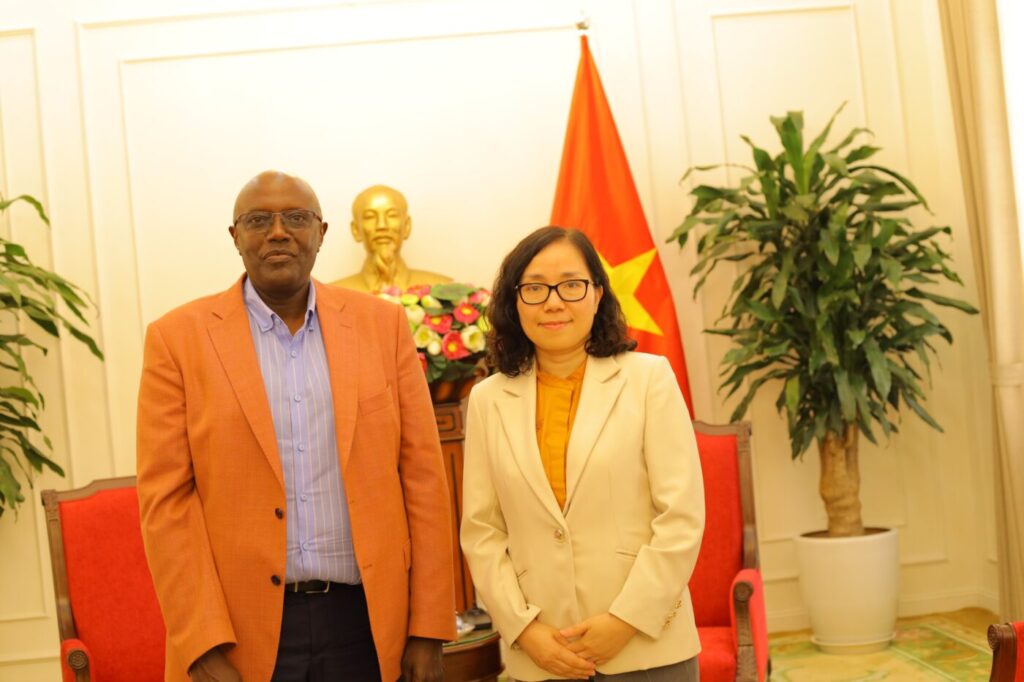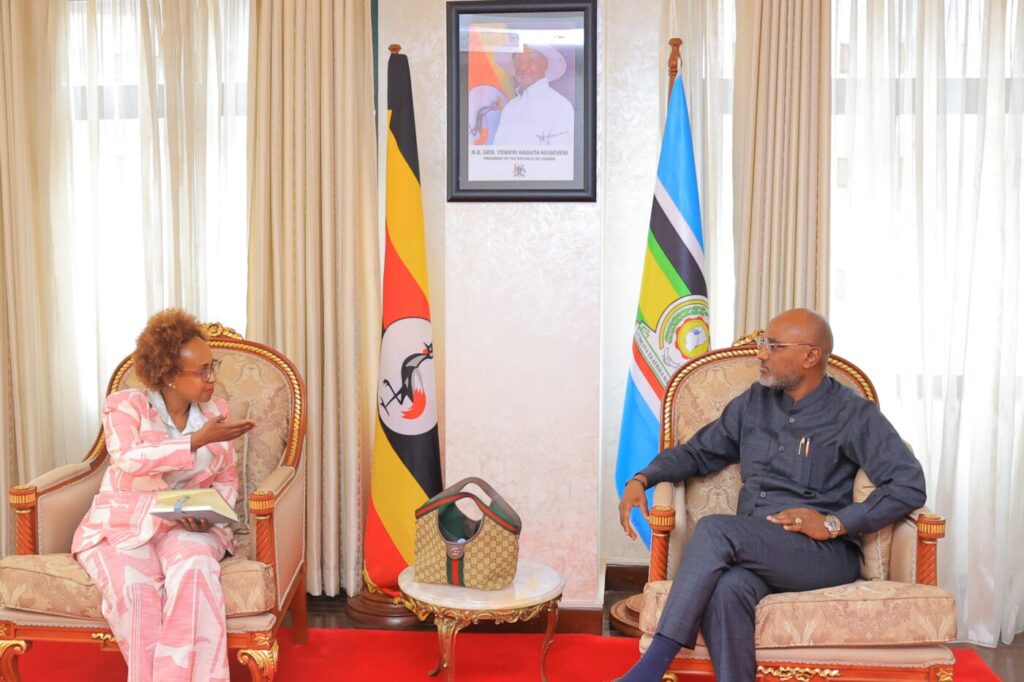
New Delhi, India – In line with its mandate to promote Economic and Commercial Diplomacy as a tool to achieve the national Tenfold Growth Strategy, the Uganda High Commission in New Delhi in collaboration with the Confederation of Indian Industry (CII), embarked on a 3-City Road Show in Ahmedabad, Mumbai and Chennai from 13-17th April, 2026.
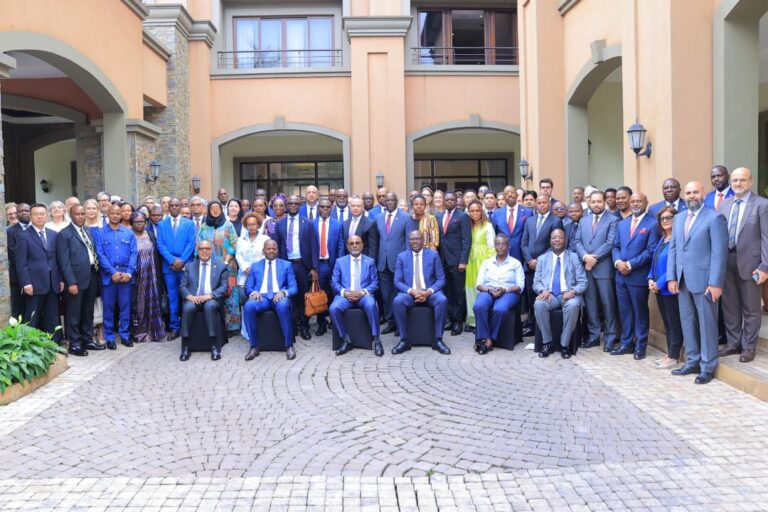
The objective of the road show that encompassed Business Fora across the three States was to create awareness of Uganda’s investment potential and to catalyse the Indian private sector into considering Uganda as a premier investment destination. The Fora brought together policymakers, investors, and private sector leaders to deepen trade and investment linkages between Uganda and India. The Fora also emphasised the enduring bilateral relationship anchored in shared history, democratic values, and growing economic cooperation.
India’s engagement with Uganda continues to expand across pharmaceuticals, agriculture, manufacturing, ICT, education, and renewable energy,” It was noted that he noted that “Africa remains a strategic partner, and platforms such as the India–Africa Conclave are vital in advancing sustainable business partnerships.” The Fora underscored Uganda’s strong economic trajectory, describing the country as “a destination of fast growth and immense opportunity, supported by stability and investor confidence.” Indian businesses were urged to capitalise on Uganda’s untapped potential, noting that “Uganda is rich both in tourism and agriculture and below it in mineral resources,” and highlighted the country’s access to a broader East African market through regional integration frameworks.
Delivering the keynote investment outlook, H.E Prof Joyce Kakuramatsi Kikafunda, Uganda’s High Commissioner to India, reaffirmed the strength of Uganda–India relations and the government’s commitment to creating a conducive investment environment. “Uganda is open for business,” she stated, emphasizing that the country serves as a strategic hub connecting regional markets including Kenya, Tanzania, Rwanda, the Democratic Republic of Congo, and South Sudan. Ambassador Kikafunda further noted that bilateral trade currently stands at approximately USD 1.4 billion, with significant potential for expansion. “Uganda has an export potential of nearly USD 900 million to India, of which about USD 500 million remains untapped. Our focus is to transition from exporting raw materials to value-added products,” she explained. She also highlighted Uganda’s emerging oil and gas sector, with production expected to commence in 2026, creating new opportunities in downstream industries.
The Forum featured technical presentations from key Ugandan institutions, including the Uganda Investment Authority, Uganda Free Zones and Export Promotions Authority, and the Ministry of Agriculture, Animal Industry and Fisheries. These sessions outlined priority investment sectors such as agriculture, agro-industrialization, manufacturing, tourism, science and technology, and mineral development.
Eria Tigatolwa of the Uganda Investment Authority highlighted Uganda’s competitive advantages, including macroeconomic stability, investor incentives, and a one-stop centre facilitating seamless business registration. Meanwhile, Deo Kyomya emphasised Uganda’s access to regional and global markets through frameworks such as the East African Community and the African Continental Free Trade Area.
In the agricultural sector, Paul Wambu called for investment in climate-smart technologies, advanced seed systems, and sustainable production, while Humphrey Asiimwe highlighted opportunities in mining, energy, and Uganda’s transition toward a diversified energy mix. The Forum concluded with a strong call for sustained private sector engagement, innovation partnerships, and long-term investments that align with Uganda’s Economic and Commercial Diplomacy agenda. As Uganda advances toward its Tenfold Growth Strategy, engagements such as the India–Uganda Business Forum underscore the country’s strategic intent to transform diplomatic presence into tangible economic outcomes driving trade, investment, industrialization, and inclusive growth.
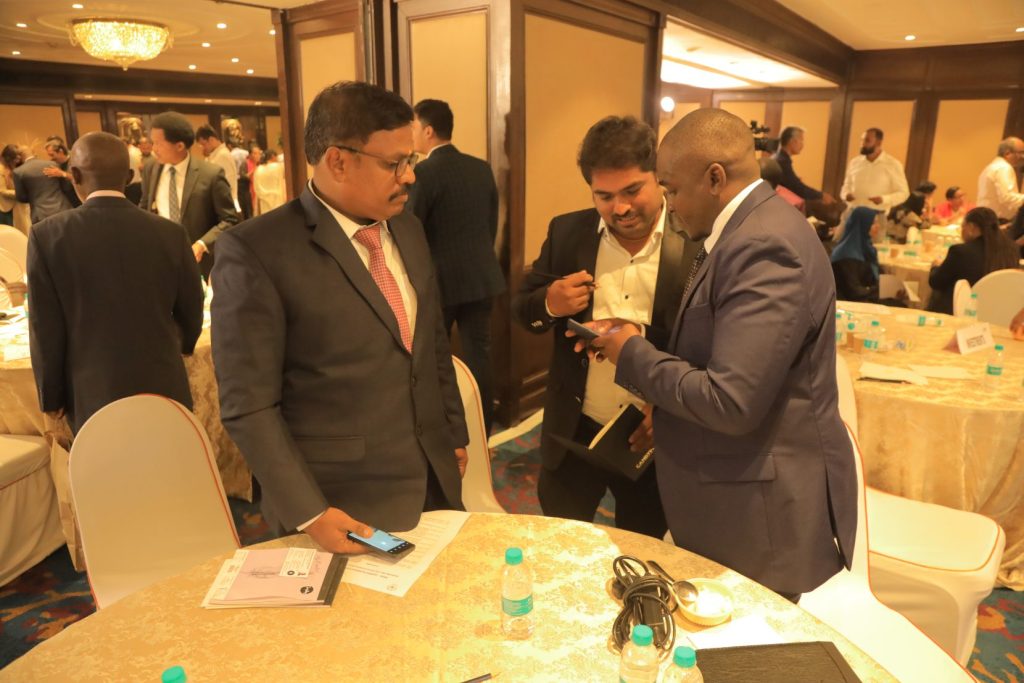
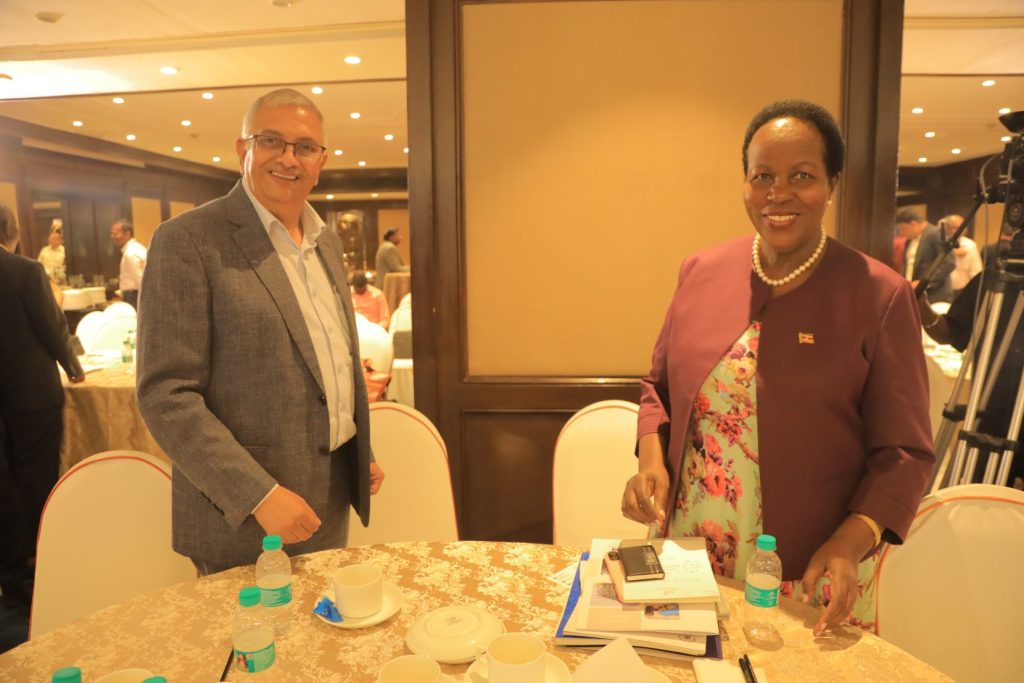
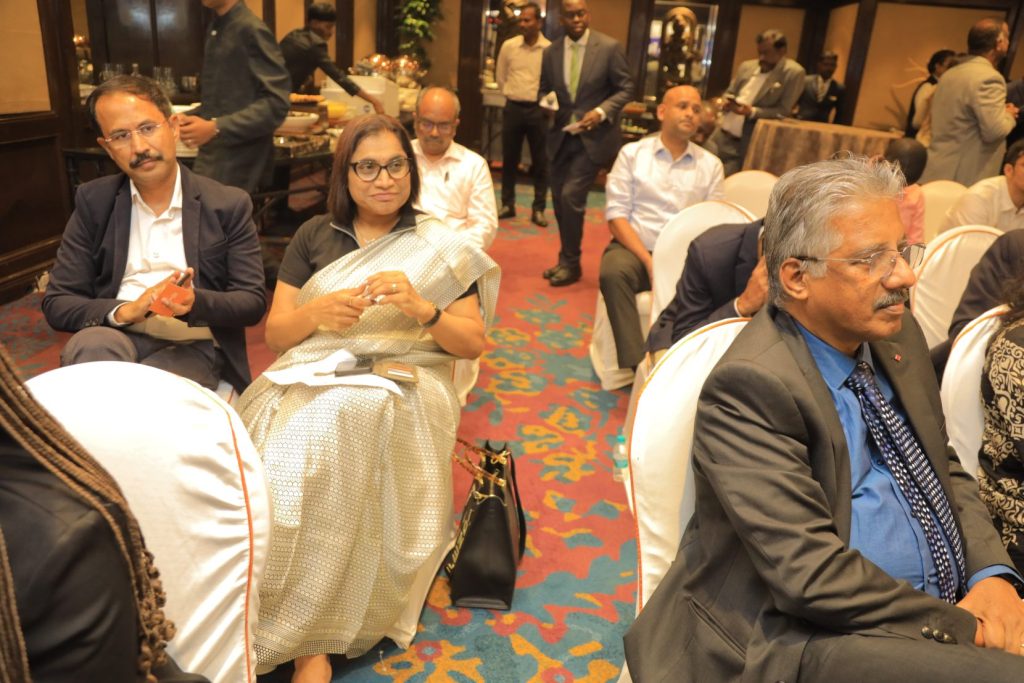
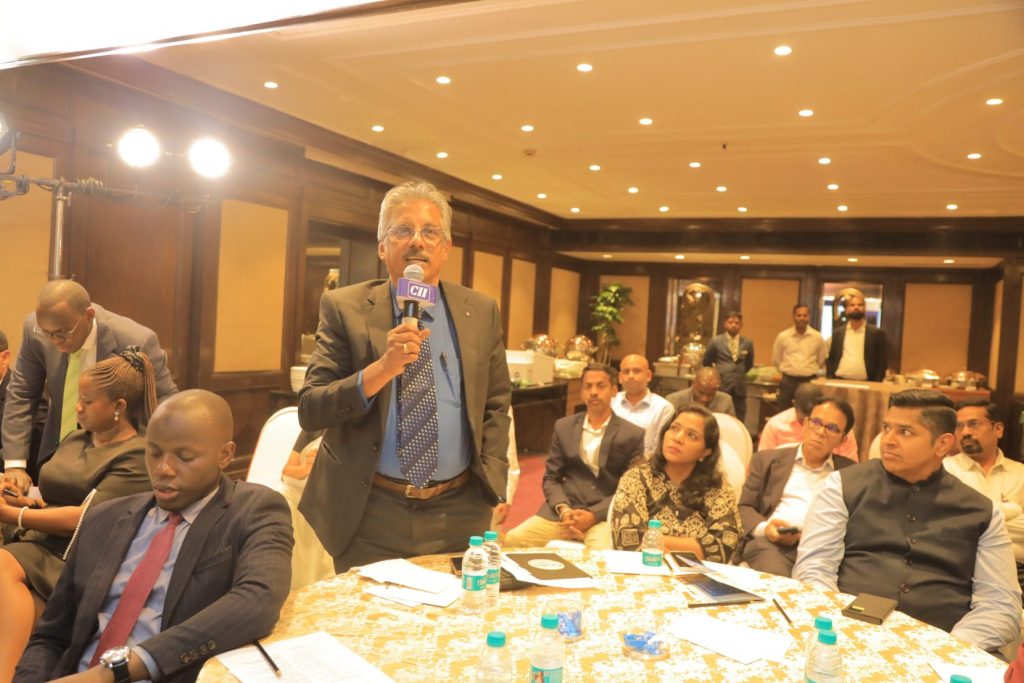
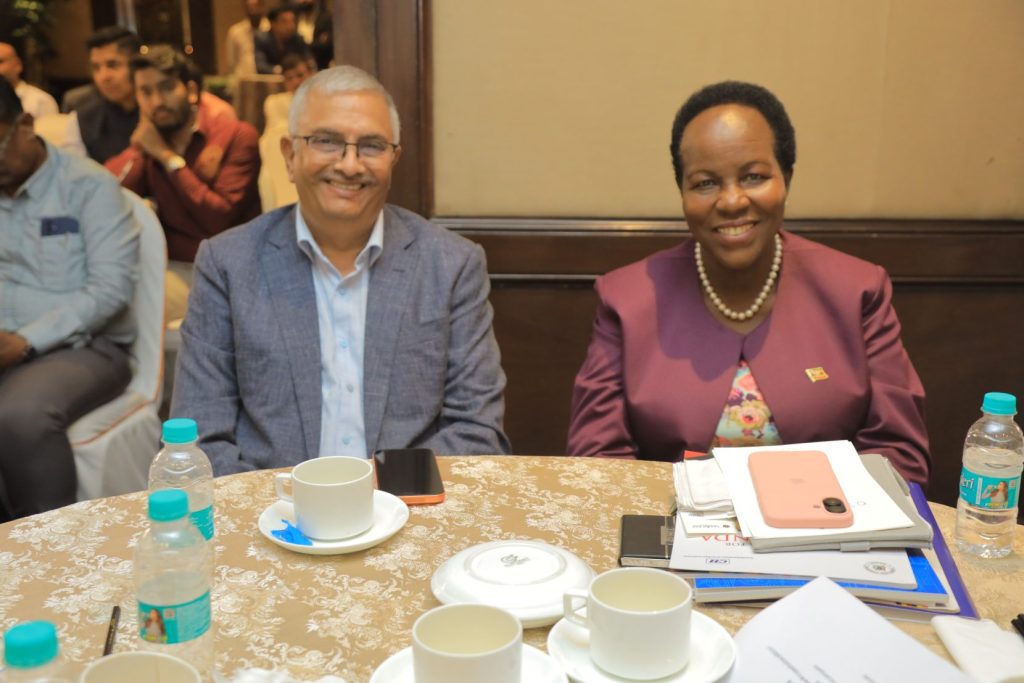
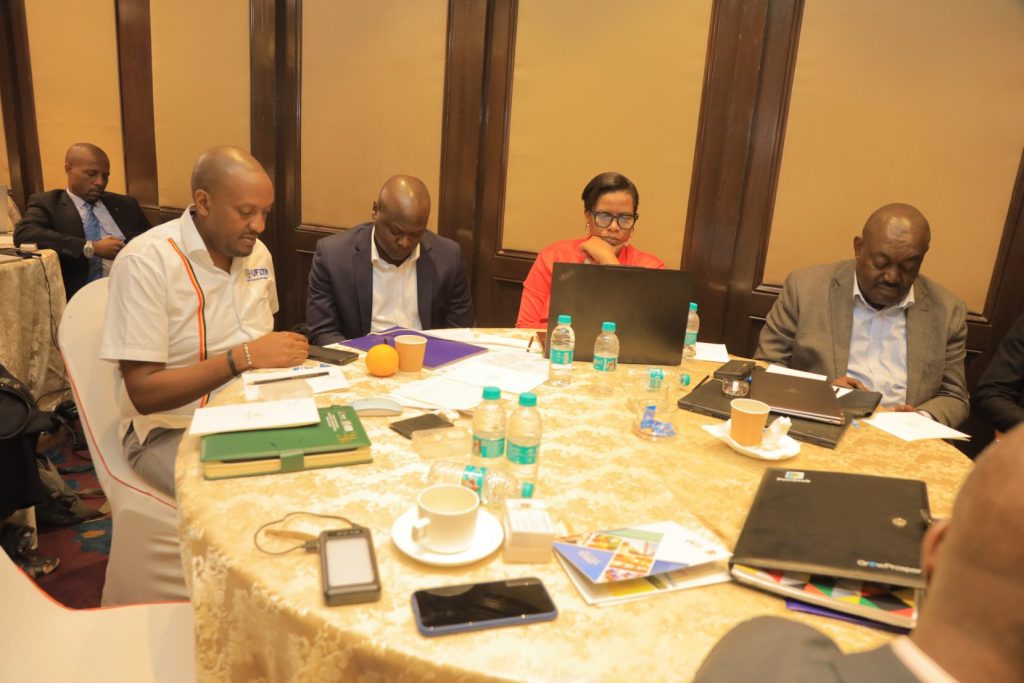

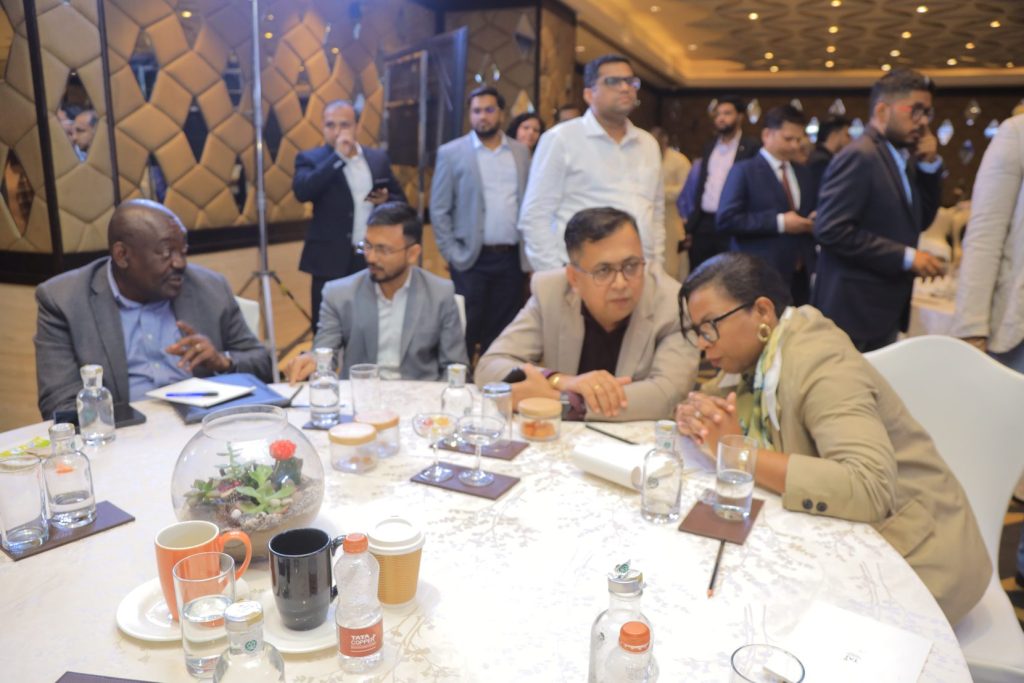
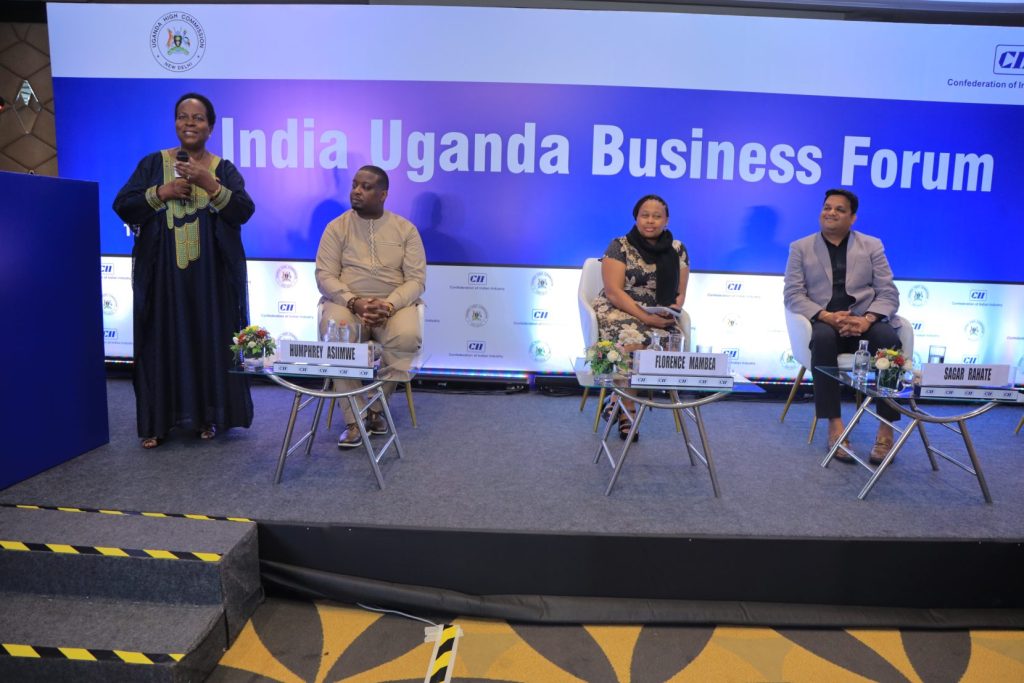
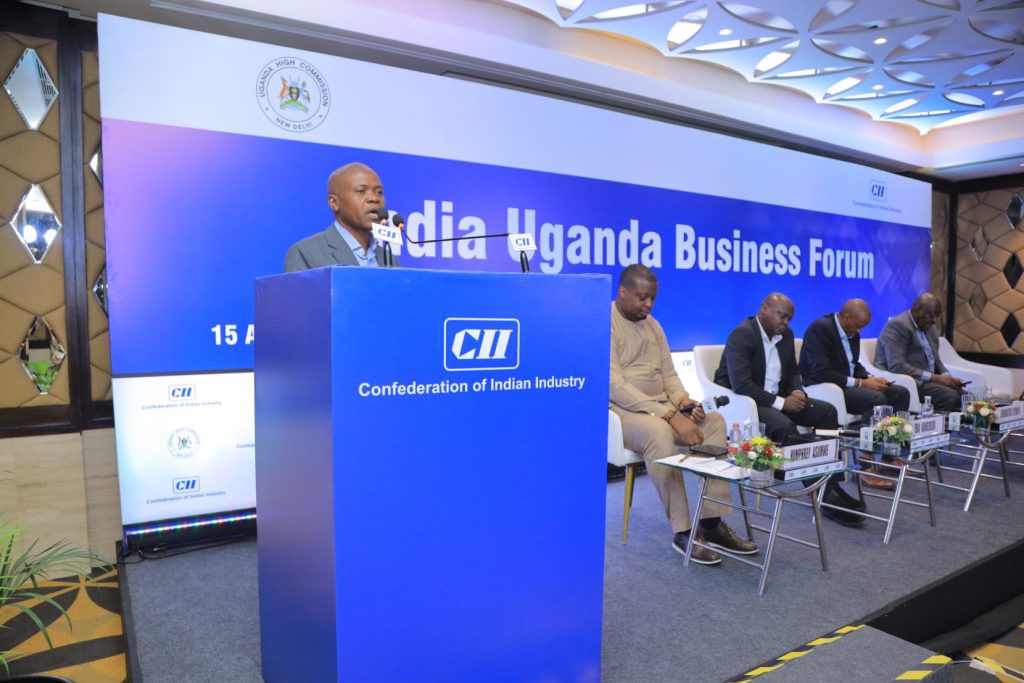

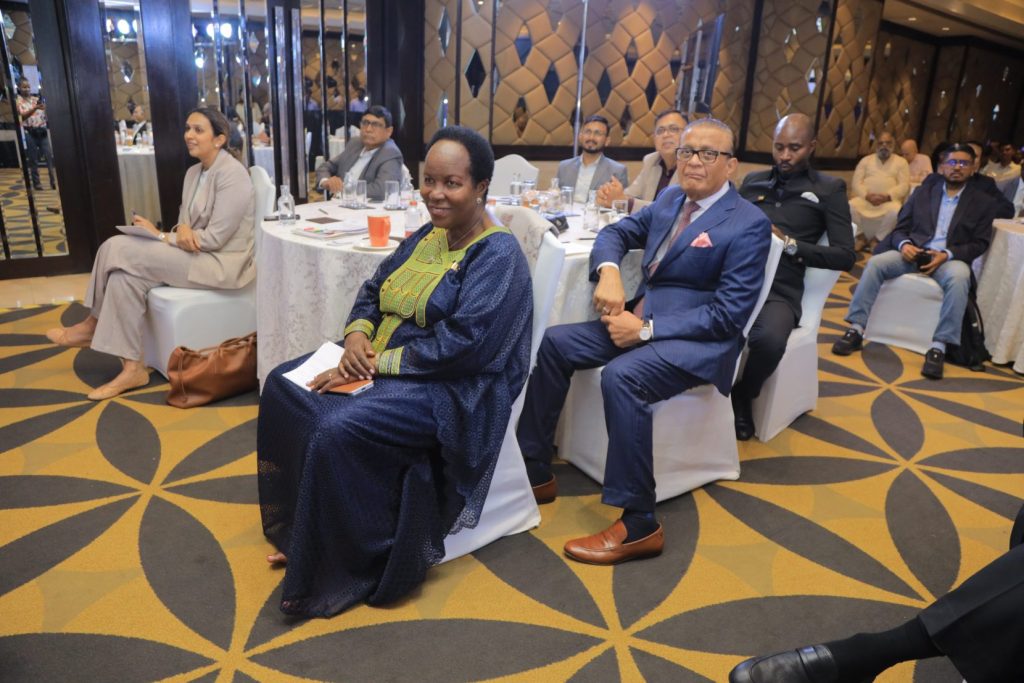
Photo Credit: Sheila Akankwatsa