Kampala, Uganda – Uganda and Iceland are reaffirming a development partnership built over nearly a quarter of a century, with cooperation demonstrating how bilateral diplomacy can be translated into practical interventions at district and community level.
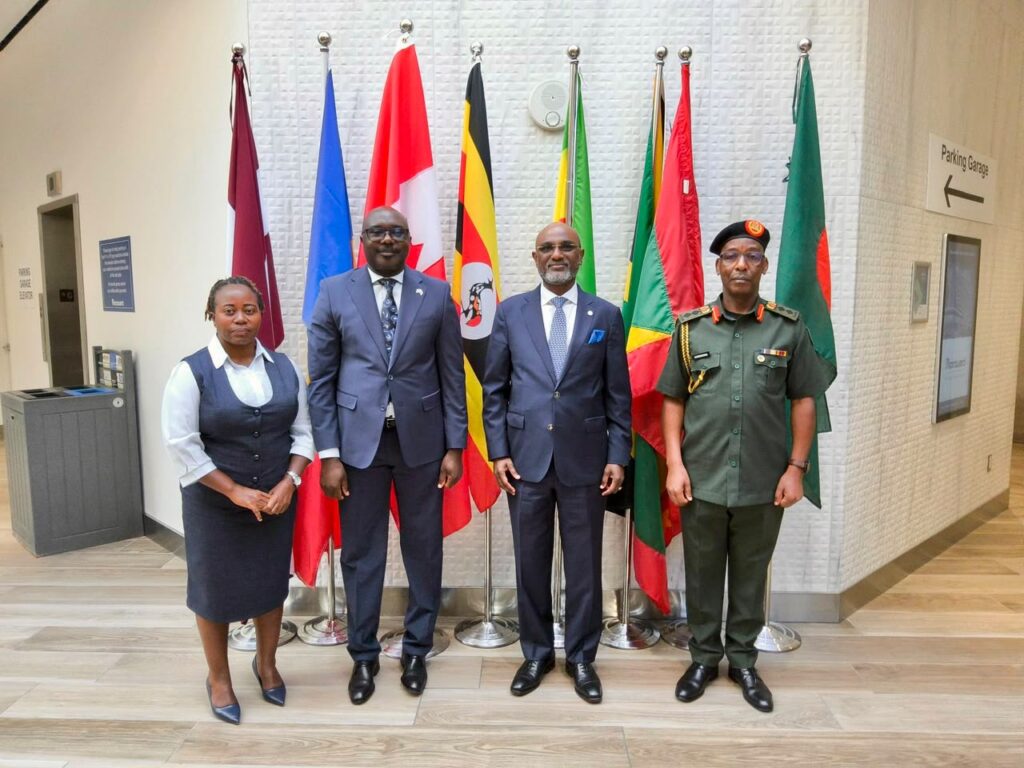
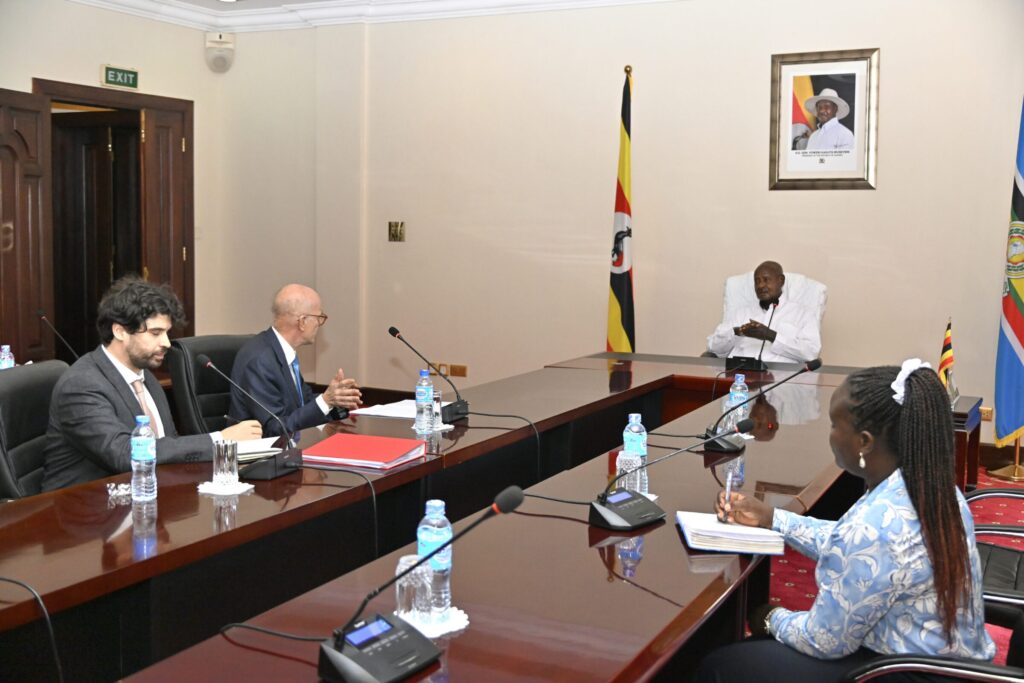
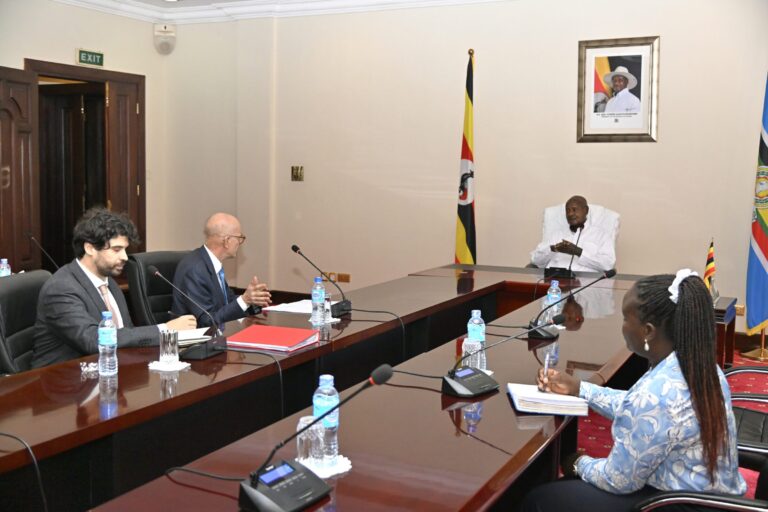
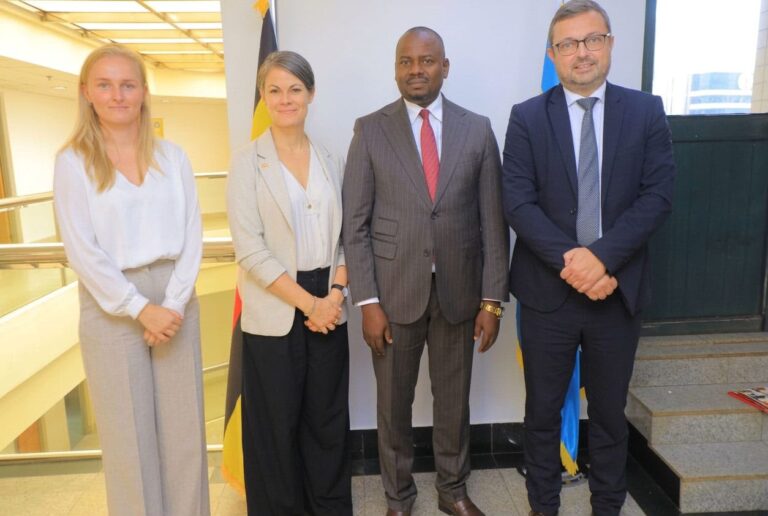
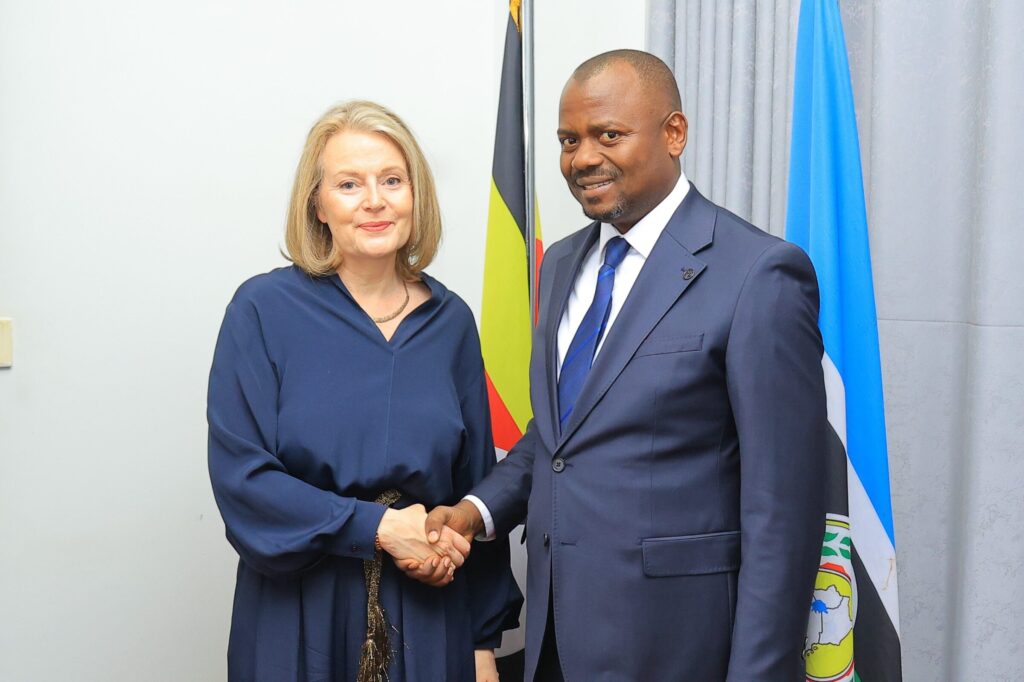
The partnership was highlighted when Hon. Kyeyune Haruna Kasolo the Minister of State for Foreign Affairs in charge of Regional Affairs, received H.E. Ms. Katrin Einarsdottir, Charge d’Affaires of Iceland, who presented copies of her Letters of Credence.
Iceland and Uganda began bilateral development cooperation in 2000, with the partnership subsequently evolving around education, health, water and sanitation, livelihoods, fisheries and local development. Iceland’s government has described the relationship as one centred on empowerment, capacity building and knowledge transfer.
The partnership has particularly focused on district-level programmes. Iceland’s country strategy has identified Kalangala, Buikwe and Namayingo among the principal areas of cooperation, with interventions designed around fishing communities, education, healthcare, water supply and vocational skills. The results offer useful evidence of how development diplomacy can generate measurable social outcomes. According to the Government of Iceland, the Primary Leaving Examination pass rate in Kalangala increased from 75% in 2005 to 96% in 2017. In Buikwe, the primary school completion rate rose from 40 percent in 2011 to 75.5 percent, while safe-water coverage increased from 58% in 2015 to 77%.
The cooperation has also been strongly linked to Uganda’s decentralisation framework. Iceland’s more recent country strategy has continued to use district development programmes as a principal implementation mechanism, including support for fishing communities in Buikwe and Namayingo. The latest engagement also highlighted support that has contributed to the construction and renovation of approximately 50 primary schools, while preparations are underway for the next phase of the Namayingo project.
The significance of the partnership lies partly in its long-term approach. Rather than treating development cooperation as a series of isolated interventions, the Icelandic model has emphasised local government structures, capacity building and community-level implementation. For Uganda, such partnerships complement national priorities in human capital development, education, public health, water and sanitation, livelihood improvement and local economic development. For Iceland, Uganda represents a longstanding development cooperation partner through which technical expertise, financing and institutional partnerships have been applied to locally identified priorities.
The relationship also illustrates an important dimension of contemporary diplomacy: development cooperation does not always make headlines through large infrastructure projects. Its impact can equally be measured in classrooms renovated, communities connected to safe water, children completing school and local institutions gaining capacity to deliver services.
As Uganda and Iceland look ahead, nearly 25 years of cooperation provide a foundation for a new phase focused on sustainability, knowledge transfer, human capital and locally driven development. The presentation of Letters of Credence by H.E. Einarsdottir therefore represents more than a diplomatic formality. It provides an opportunity to renew a partnership whose most visible outcomes have often been experienced not in diplomatic capitals, but in Uganda’s districts and communities.
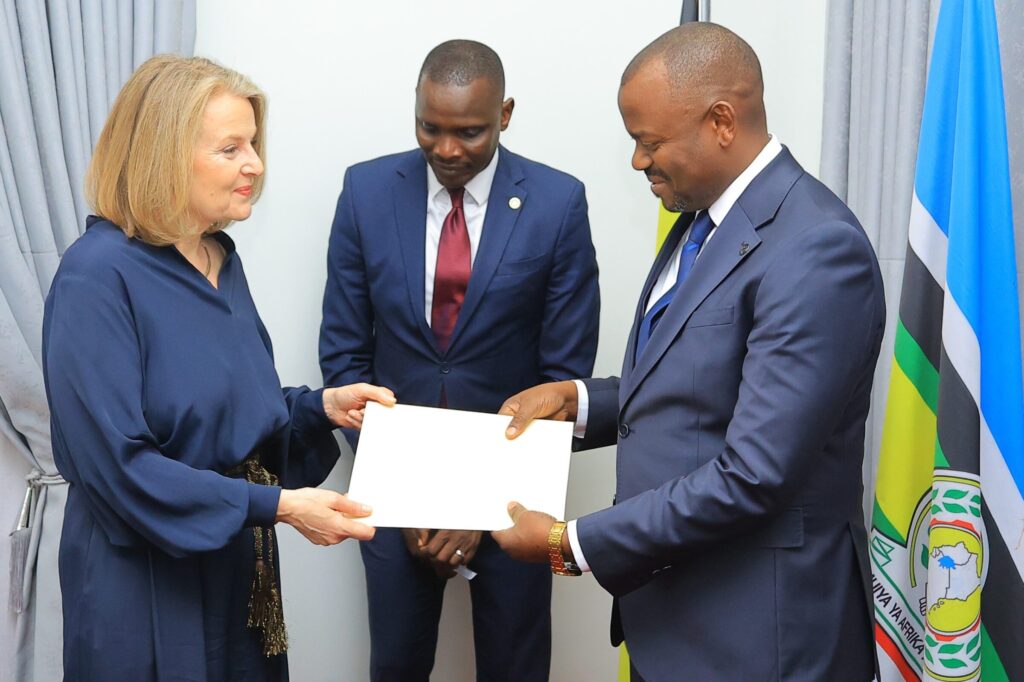
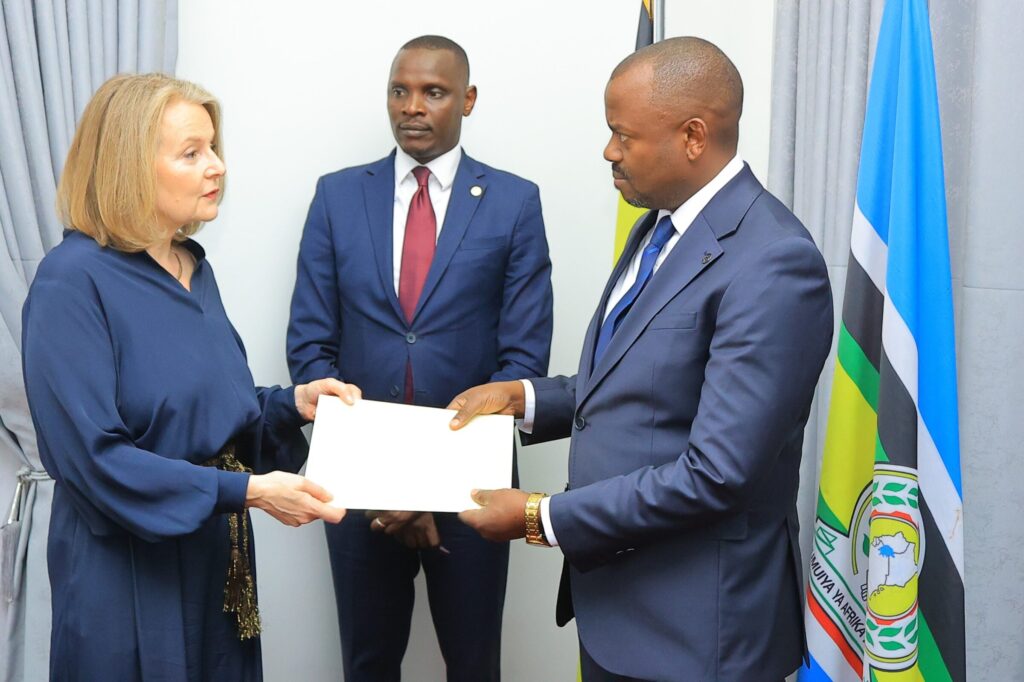
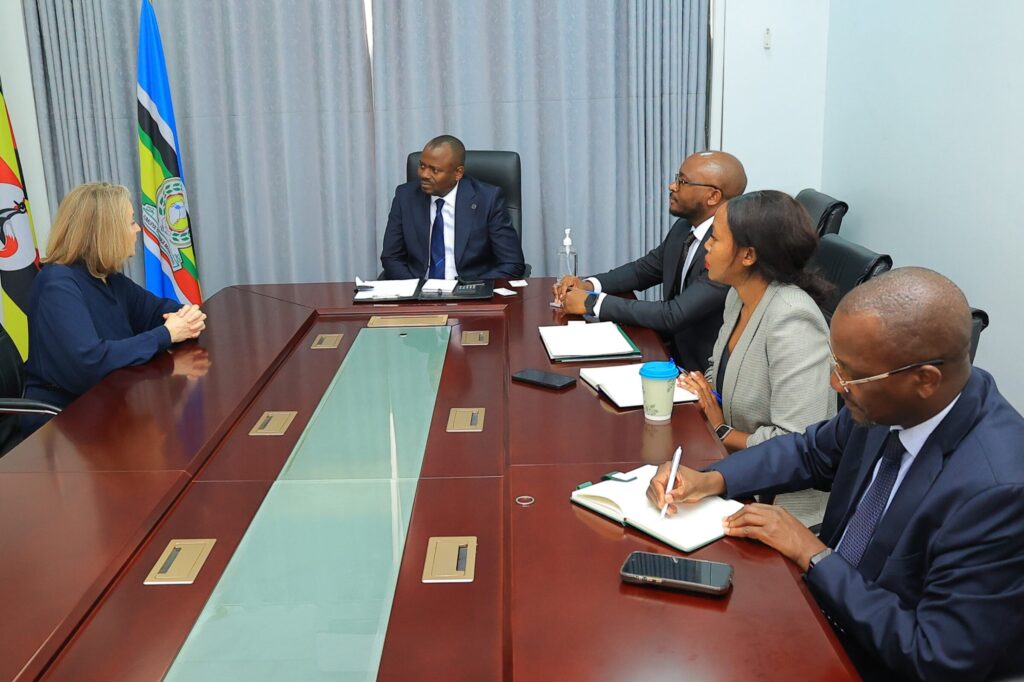
Photo Credit: Dennis Mulima