Kampala, Uganda – Uganda–Egypt relations are increasingly taking on a strong economic dimension, with investment, industrialisation, infrastructure, energy, agriculture and technology transfer emerging as important areas for translating political relations into commercial opportunities.
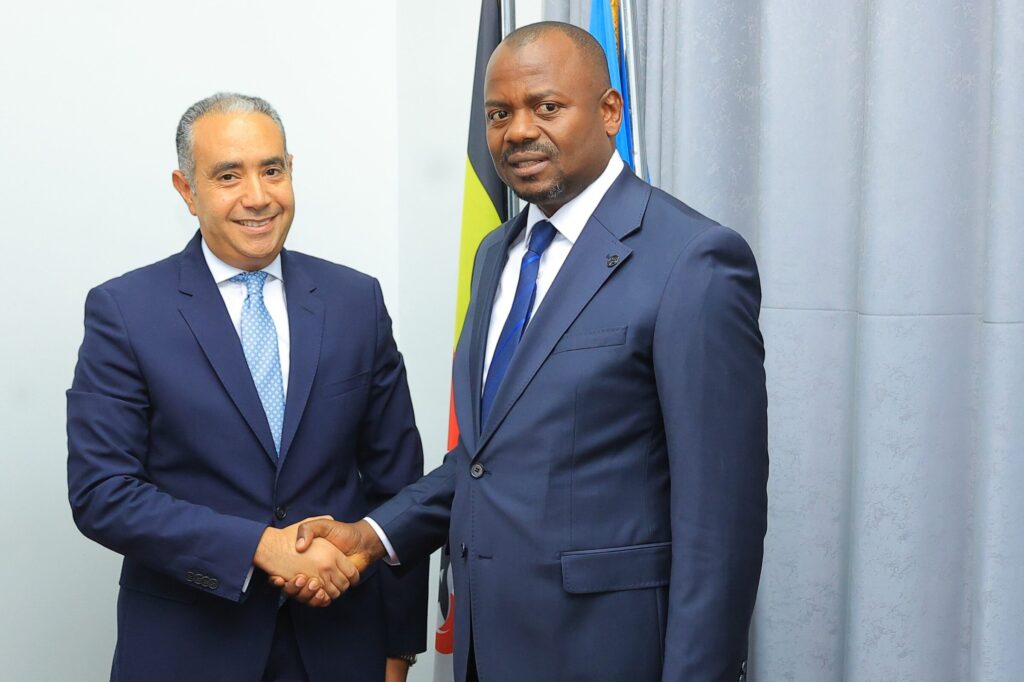
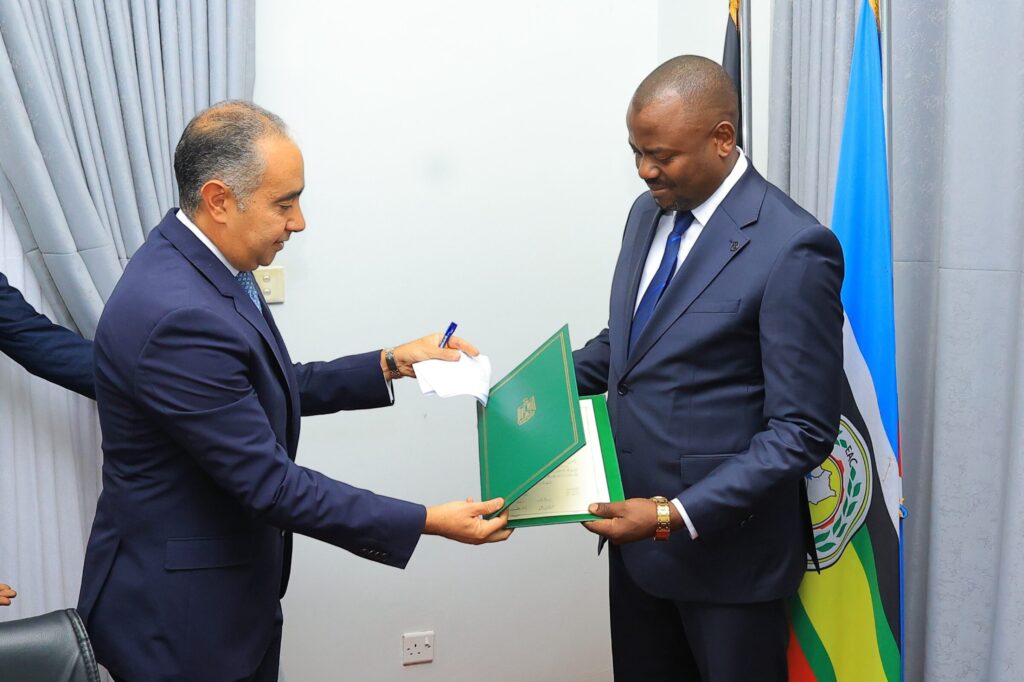
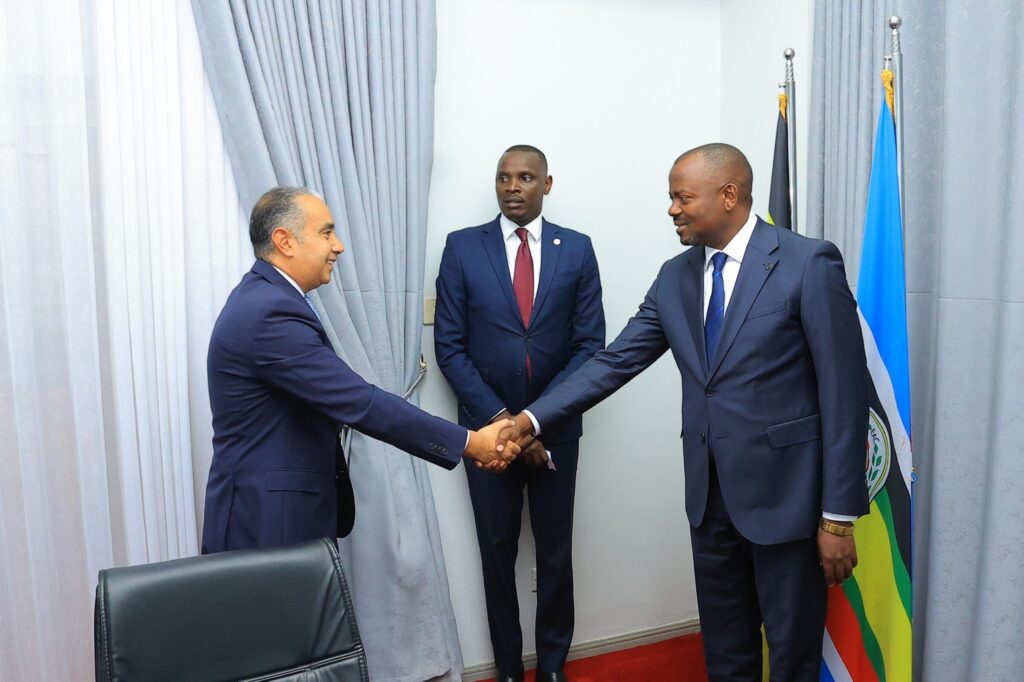
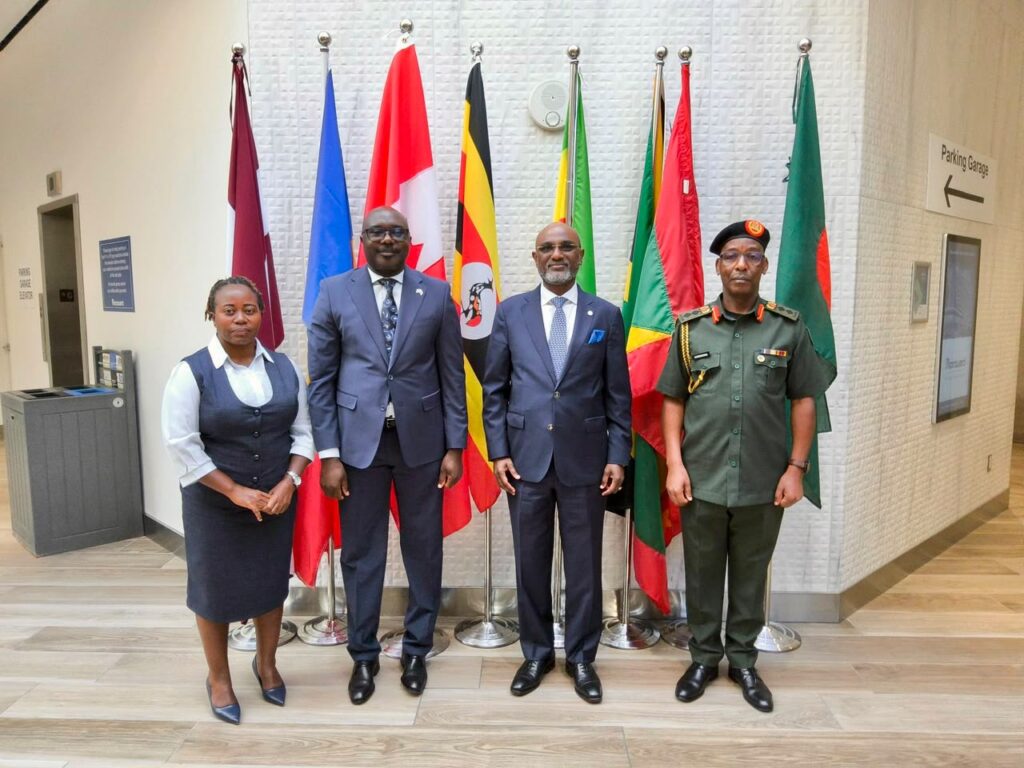
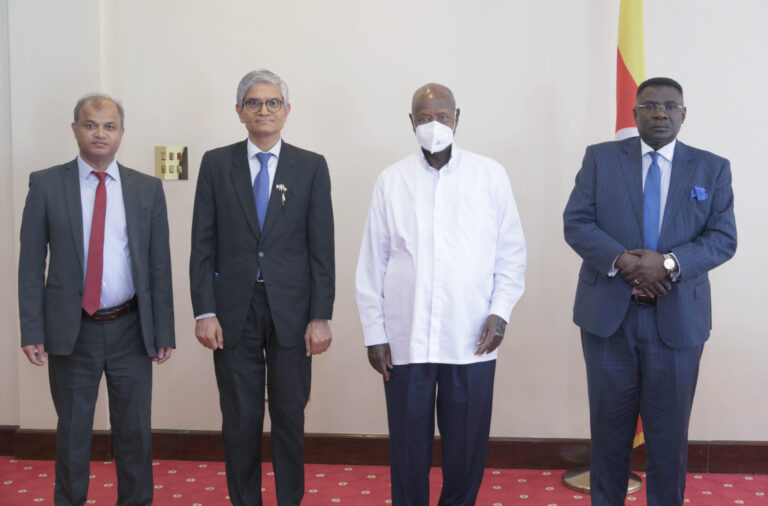
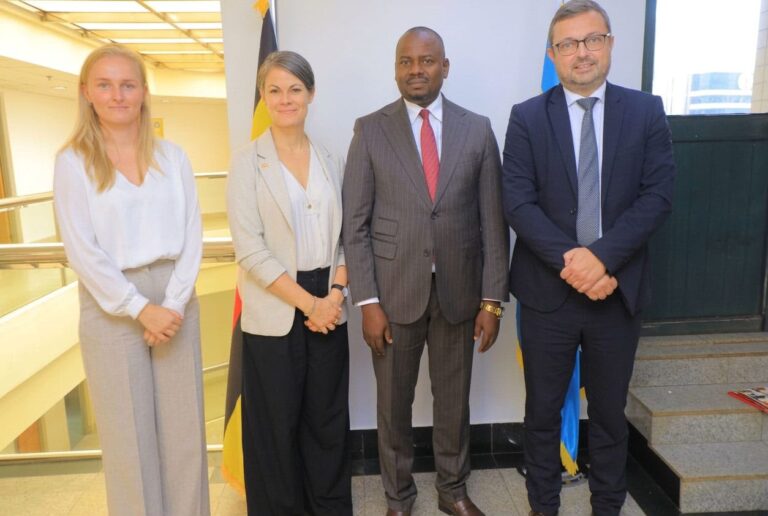
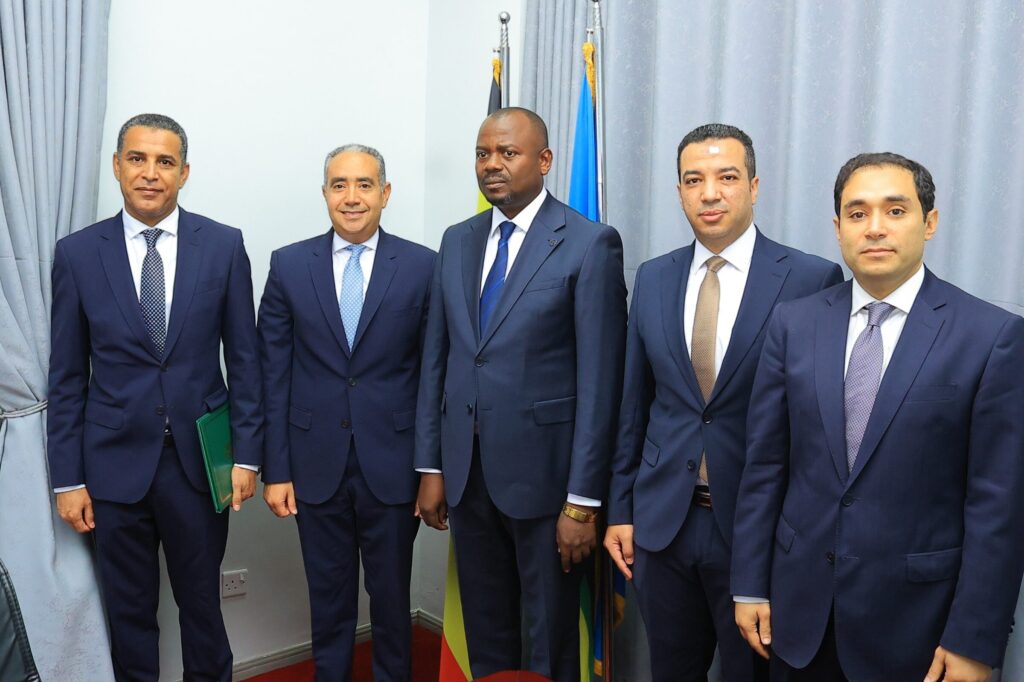
The latest development came when Hon. Kyeyune Haruna Kasolo the Minister of State for Foreign Affairs in charge of Regional Affairs, received H.E. Sherif Mohamed Abdellatif Elgammal, the newly accredited Ambassador of the Arab Republic of Egypt to Uganda, who presented copies of his Letters of Credence.
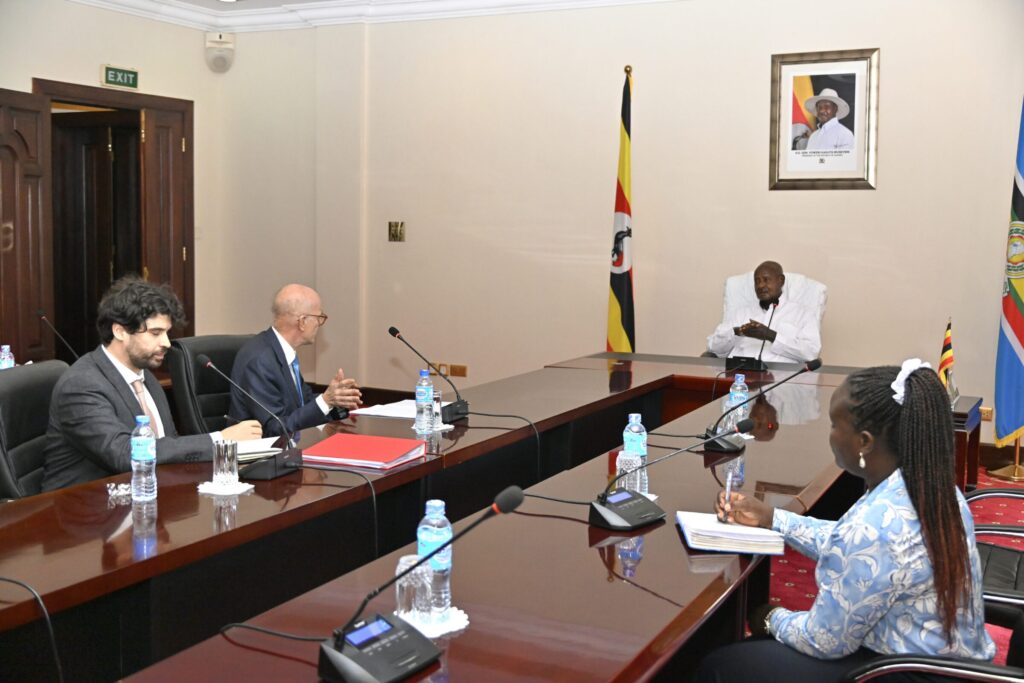
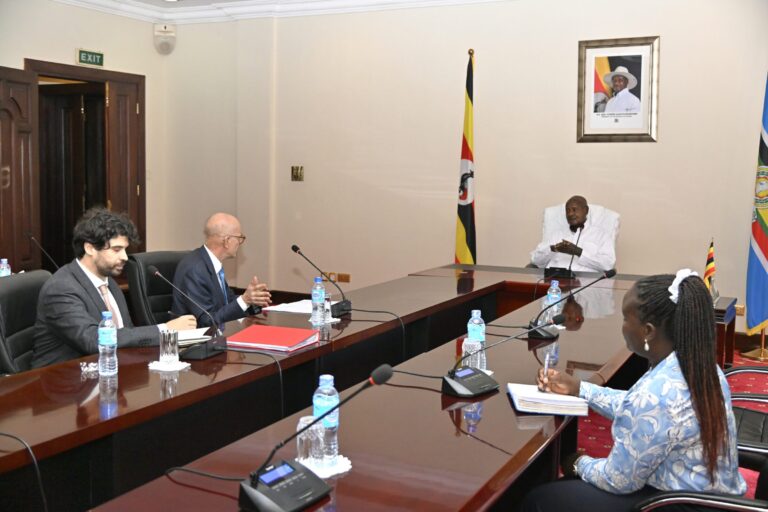
The engagement builds on high-level discussions between President Yoweri Kaguta Museveni and Egyptian President Abdel Fattah El-Sisi in May 2026. The two leaders agreed to deepen cooperation in trade, industrialisation, renewable energy, fish farming and sustainable management of the River Nile. They also called for stronger private-sector partnerships and agreed on the establishment of a Joint Business Council.
Against this background, Minister Kasolo’s call for follow-up on a proposed dedicated industrial park for Egyptian companies gives the bilateral relationship a distinctly economic and commercial dimension.
The proposed investment platform could accommodate Egyptian enterprises in pharmaceuticals and manufacturing, while discussions also identified opportunities in road construction, renewable energy and glass manufacturing.
The potential is broader than any single project. Uganda’s economic diplomacy is increasingly focused on moving from diplomatic contacts to measurable trade, investment and employment outcomes. The Ministry of Foreign Affairs’ 2026 Economic and Commercial Diplomacy review has similarly emphasised converting identified opportunities into tangible economic results.
Recent activity demonstrates the breadth of the Uganda–Egypt commercial relationship. In September 2026, Uganda participated in the Aqua Energy Expo in Cairo, showcasing opportunities in water management, wastewater treatment and renewable energy. The regional water and wastewater treatment market is projected in the cited industry assessment to reach US$44.5 billion by 2030, while desalination is projected to grow from US$20.6 billion in 2024 to US$35.9 billion by 2030. Egyptian companies are also already involved in Uganda’s infrastructure landscape. Recent engagements have included discussions with Orascom Construction regarding potential transport solutions for Kampala’s traffic congestion.
These developments illustrate how economic diplomacy can connect Uganda’s development priorities with foreign capital, technical expertise and international business networks. For Uganda, the objective is not simply to attract investment, but to encourage investments that contribute to industrialisation, value addition, technology transfer and employment. For Egyptian enterprises, Uganda offers access to a growing East African market and opportunities to participate in infrastructure, manufacturing, agriculture and energy.
The accreditation of Ambassador Elgammal therefore arrives at a consequential point in bilateral relations. The task ahead is to convert the existing political goodwill into structured business partnerships, investment projects and stronger trade links. In this sense, Uganda–Egypt relations are increasingly moving from diplomatic dialogue towards economic implementation and evolution at the heart of Uganda’s contemporary Economic and Commercial Diplomacy agenda.