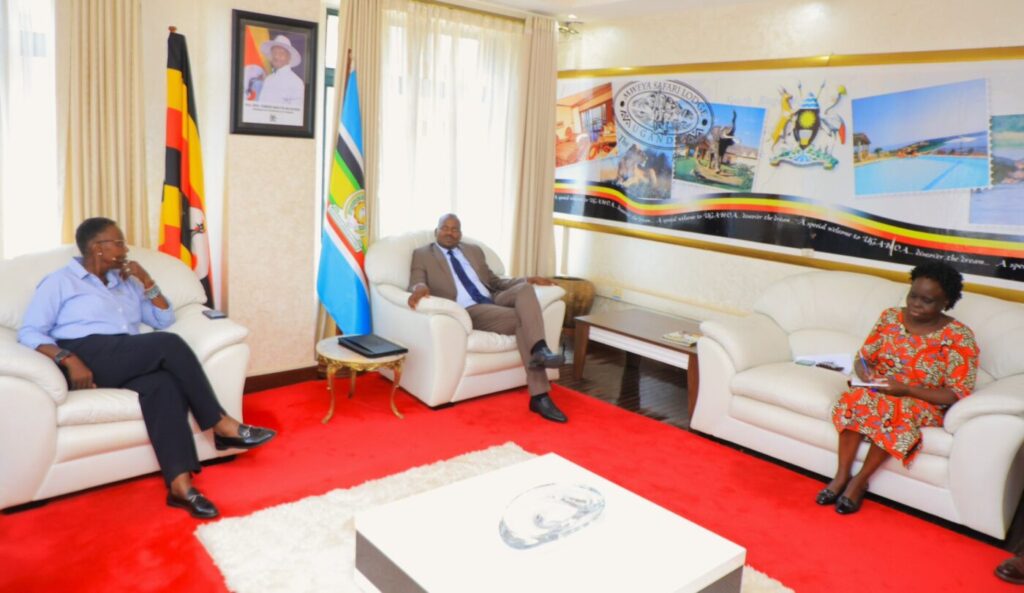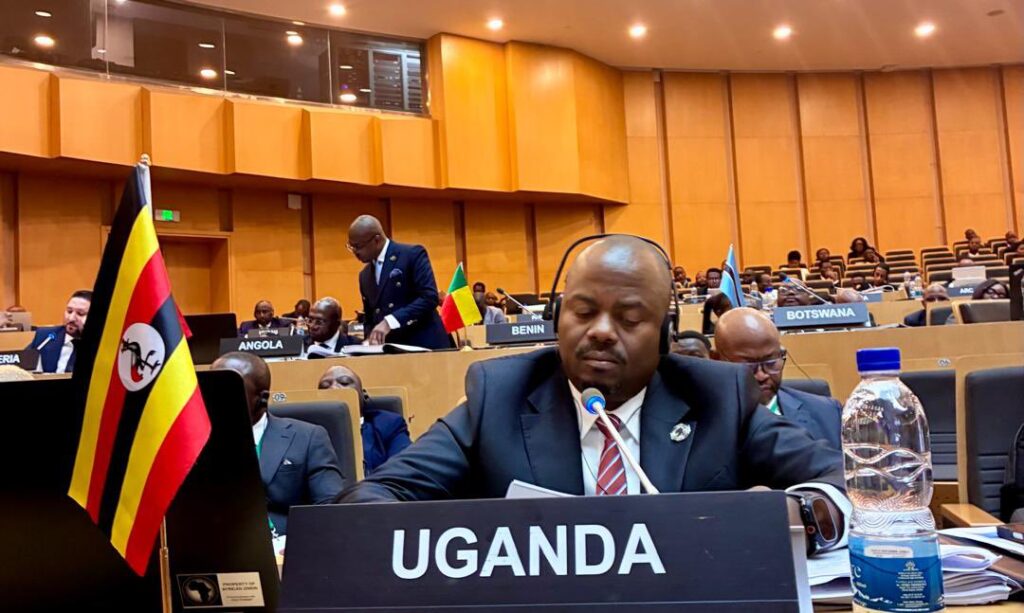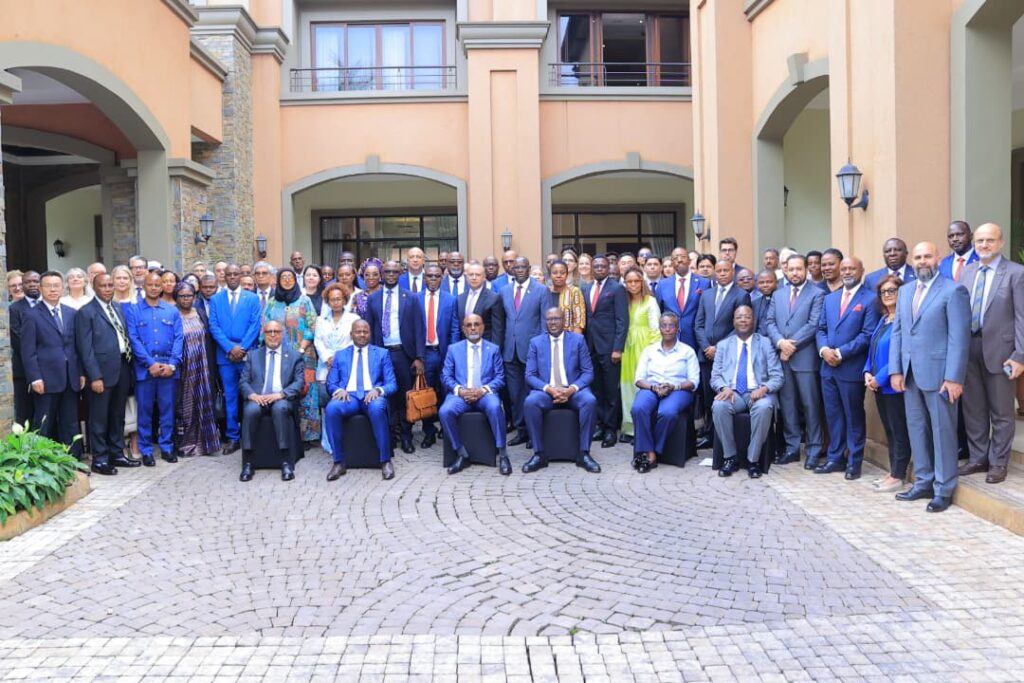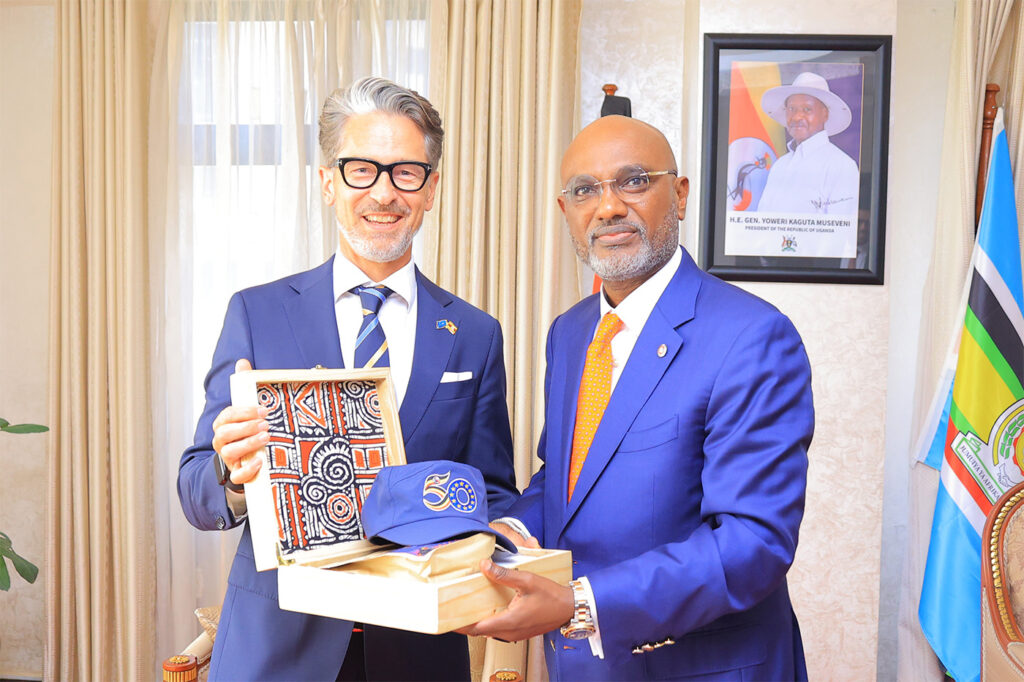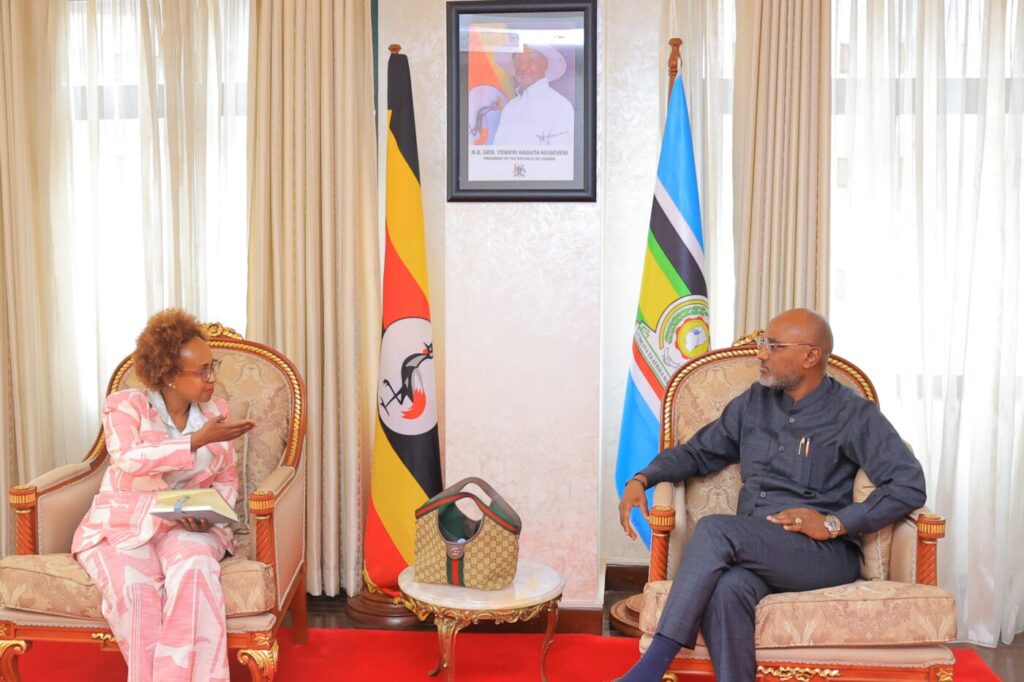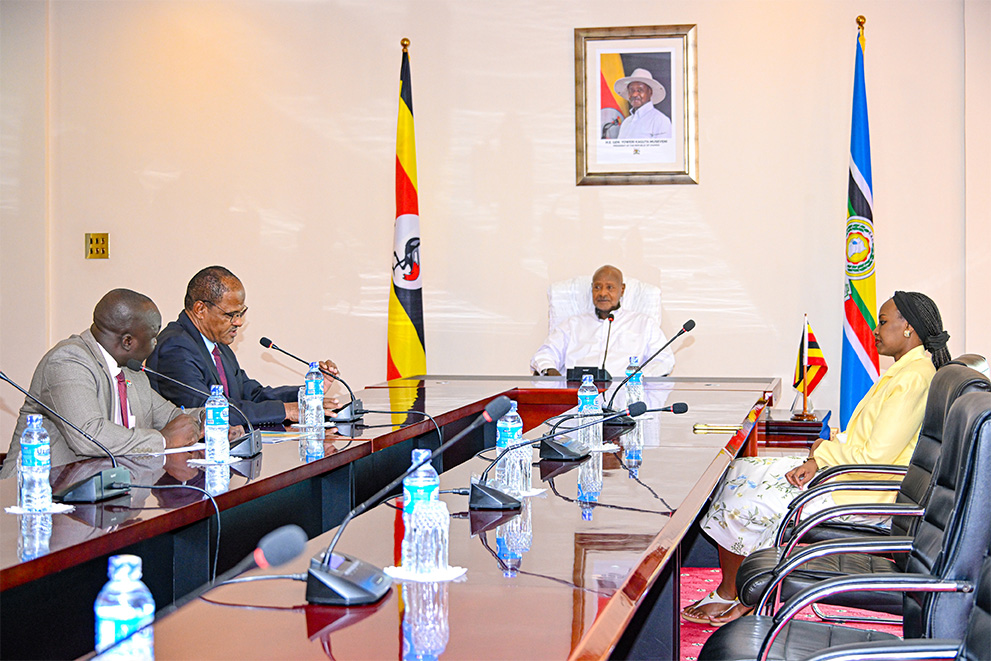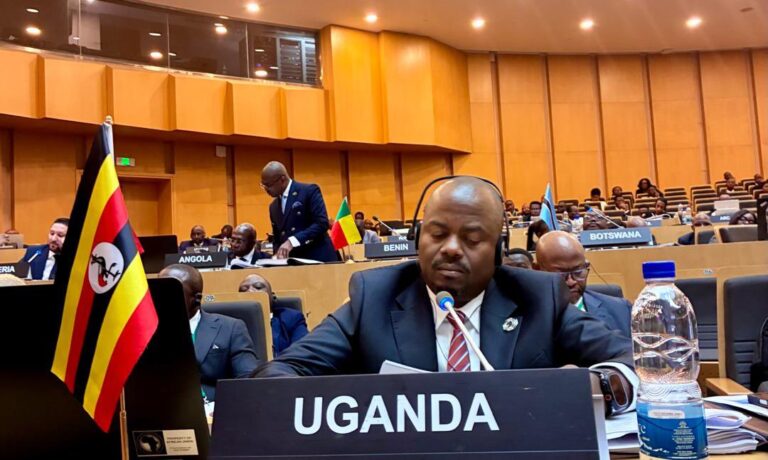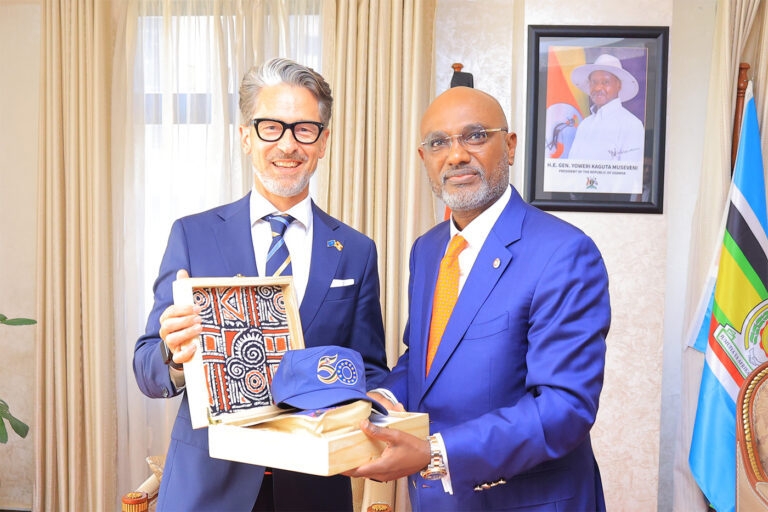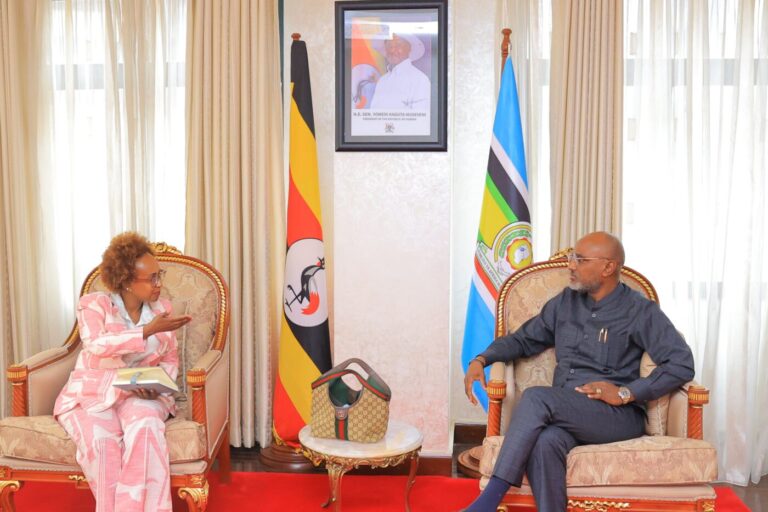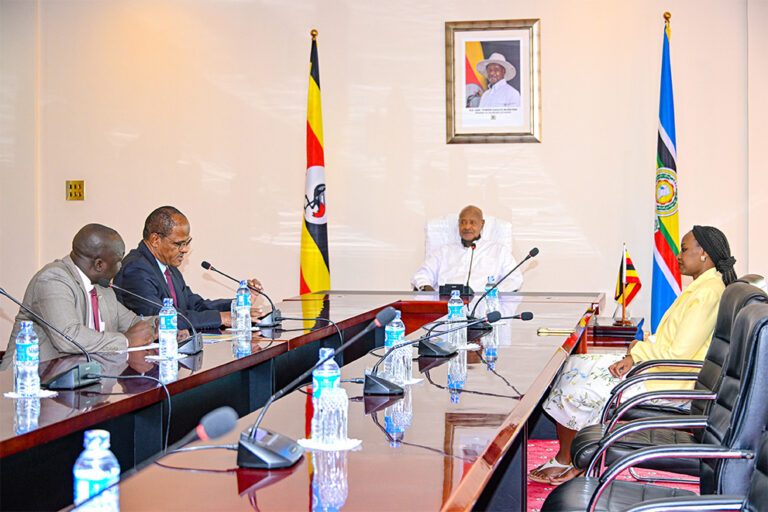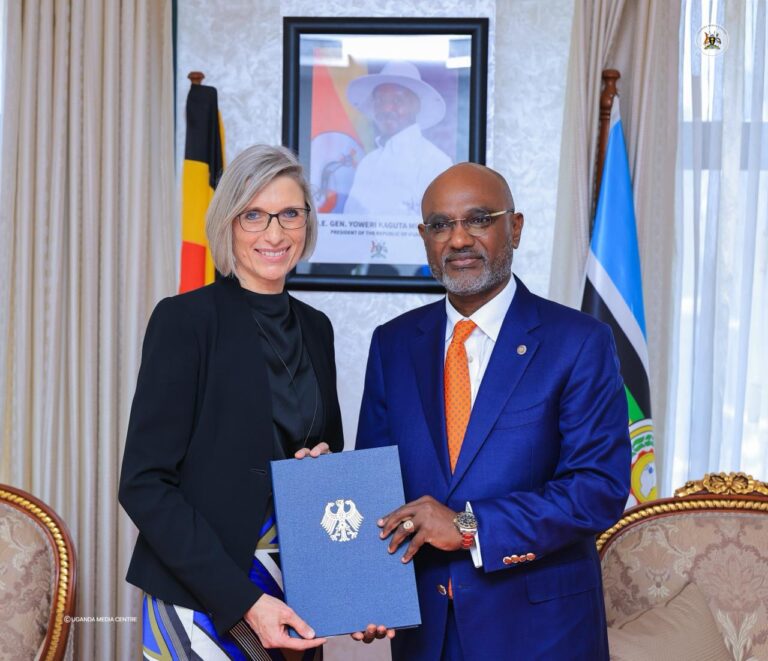
Kampala, Uganda – The longstanding friendship between Uganda and Botswana received renewed diplomatic attention when Hon. Haruna Kasolo Kyeyune, Minister of State for Foreign Affairs in charge of Regional Cooperation, received Ms. Maria Odido, Honorary Consul of the Republic of Botswana to Uganda, for a courtesy call. The engagement provided an opportunity to reaffirm the enduring bonds between the two countries while exploring avenues for strengthening bilateral cooperation across areas of mutual interest. It also reflected Uganda’s broader diplomatic commitment to building partnerships that advance regional integration, economic opportunity and sustainable development.
Uganda and Botswana have maintained cordial relations as fellow African states with shared interests in strengthening continental cooperation and promoting prosperity. Their engagement had also taken place within a changing African economic landscape, in which stronger intra-African trade, investment and private-sector partnerships had become increasingly important to the continent’s development ambitions. The economic relationship, however, has remained modest relative to the potential presented by the two economies. United Nations COMTRADE data showed that Uganda exported approximately US$11,000 worth of merchandise to Botswana in 2024, while Uganda imported approximately US$86,600 from Botswana. The combined recorded merchandise trade was therefore about US$97,600. Uganda’s exports were largely vehicles and related products, while imports from Botswana included vehicles, textiles and other manufactured goods.
These figures highlighted an important diplomatic and economic opportunity rather than defining the limits of the relationship. Botswana’s economy recorded approximately US$4.65 billion in merchandise exports and US$7.18 billion in imports in 2024, demonstrating the scale of its wider participation in international commerce. Uganda, meanwhile, recorded estimated merchandise exports of approximately US$7.9 billion and imports of US$14.2 billion in the same year. For Uganda’s Public Diplomacy and Economic and Commercial Diplomacy, the relatively low level of bilateral trade pointed to considerable room for expansion. Opportunities could include agricultural and agro-processed products, tourism, services, manufacturing, education, technology, pharmaceuticals, logistics and private-sector investment.
The engagement with the Honorary Consul therefore carried significance beyond the courtesy call itself. Honorary consuls could serve as useful bridges between governments, business communities, investors and citizens, helping translate diplomatic goodwill into practical partnerships. At the regional level, stronger Uganda–Botswana engagement could also complement the objectives of African integration by encouraging greater connections between East and Southern Africa. Increased business-to-business engagement, tourism exchanges, cultural diplomacy and institutional cooperation could contribute to a more interconnected continental marketplace.
For Uganda, the relationship with Botswana was consequently not simply about the volume of trade already recorded. It was about the opportunities that remained to be developed. The courtesy call had reaffirmed a shared diplomatic foundation: stronger bilateral relations, deeper African partnerships and practical cooperation could contribute to a more integrated, prosperous and sustainable continent.