Kampala, Uganda – The Ministry of Foreign Affairs, in collaboration with the Ministry of Finance, Planning and Economic Development (MOFPED), called for stronger coordination, accountability and measurable results in the implementation of Uganda’s Economic and Commercial Diplomacy (ECD) Strategy.
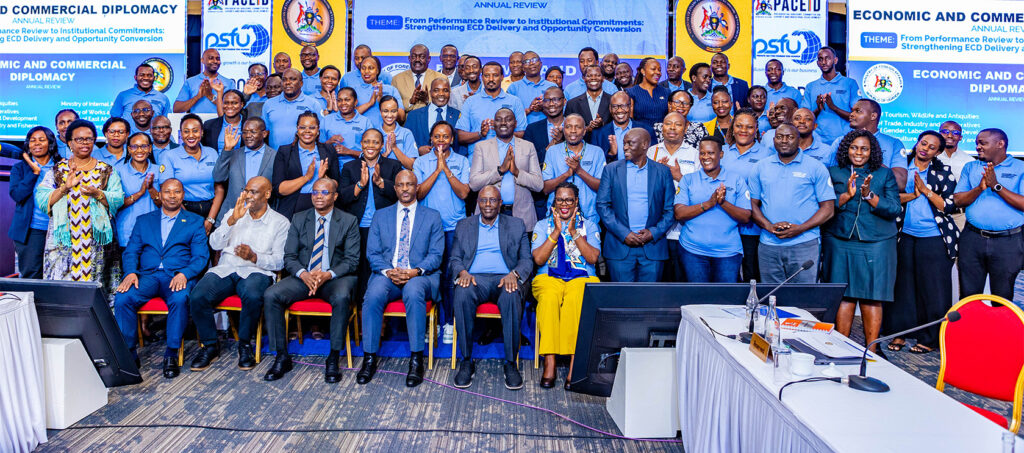
The call was made during the 1st Annual ECD Performance Review Retreat 2026, held from 16–18 September at Lake Victoria Serena Golf Resort & Spa in Kigo, under the theme, “From Performance Review to Institutional Commitments: Strengthening ECD Delivery and Opportunity Conversion.”
The retreat brought together officials from the Ministry of Foreign Affairs, Uganda’s Missions abroad, Ministries, Departments and Agencies (MDAs), and private-sector partners to review the implementation of the ECD Strategy during FY2025/26 and identify measures to accelerate the conversion of opportunities into tangible economic outcomes.
In his remarks, Ramathan Ggoobi, Permanent Secretary and Secretary to the Treasury, said the review should answer four key questions: what has been achieved, where Uganda is now, what needs to be done differently, and who will do what and by when. He stressed that the success of ECD should be measured not by the number of meetings or engagements undertaken, but by increased exports, realised investments, tourism growth, technology transfer and jobs created. “Our main challenge is to convert the opportunities identified by our Missions abroad into actual results,” Ggoobi said, emphasising the need for Missions, MDAs and the private sector to work together to respond quickly to opportunities and address barriers to investment, trade and tourism.
Representing the Permanent Secretary, Bagiire Vincent Waiswa, Amb. Richard Kabonero, Head of ECD and Regional Economic Cooperation, commended Uganda’s Missions and partners for their contribution to advancing the ECD mandate. He noted that approximately US$35 million had been invested in the programme in 2026, while returns presented at the retreat were projected at almost four times that amount.
Amb. Kabonero said Uganda had completed the ECD pilot phase and was now moving into full-scale implementation, with measurable outcomes focusing on tourism marketing, trade promotion, investment attraction and diaspora mobilisation.
The review highlighted growth in key areas, with exports increasing from US$7.82 billion in FY2023/24 to US$15.76 billion in FY2025/26. Foreign Direct Investment increased from US$3.0 billion to US$3.6 billion between FY2023/24 and FY2024/25, while tourist arrivals rose from 1.27 million in 2023 to 1.64 million in 2025. Diaspora remittances also increased from US$1.51 billion to US$2.55 billion during the same period. MOFPED officials Moses Kabanda and Ashaba Hannighton called for a results-oriented approach, stronger institutional responsiveness and financing linked to performance and measurable outcomes.
The review assessed 52 opportunities across more than 10 Missions, covering investment, trade, climate financing and other priority areas. It identified constraints including standards compliance, Non-Tariff Barriers, infrastructure gaps, weak market intelligence, limited bankable projects and slow responses to opportunities.
The retreat concluded with a call to accelerate full-scale ECD implementation through clear institutional commitments, stronger coordination, measurable targets and timely follow-up to transform diplomatic opportunities into exports, investments, tourism receipts, technology transfer.
and jobs.
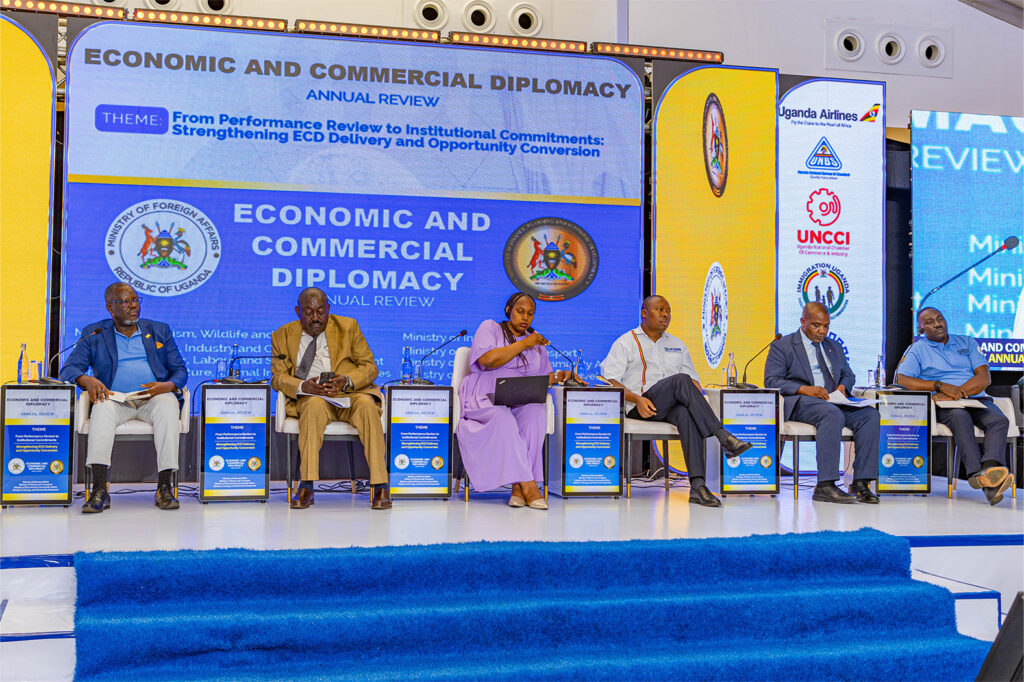
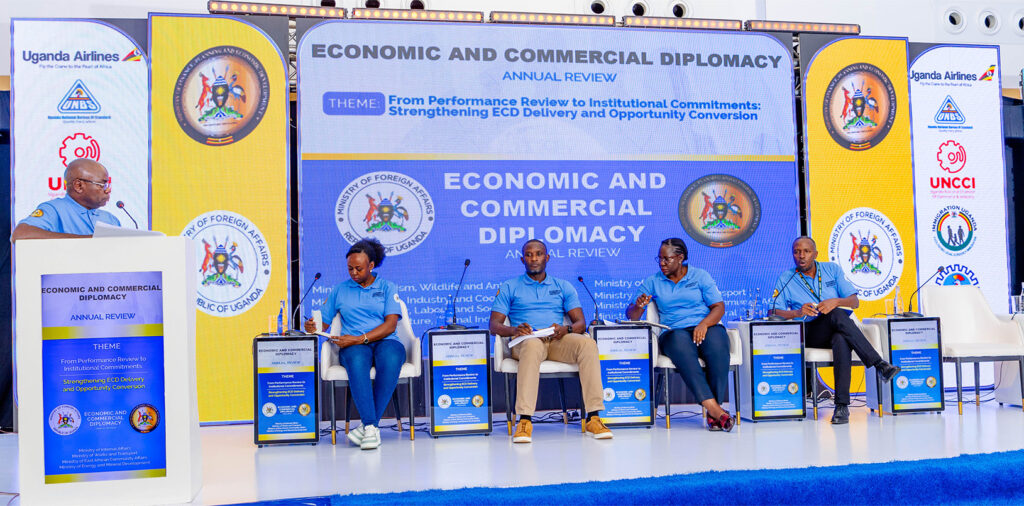
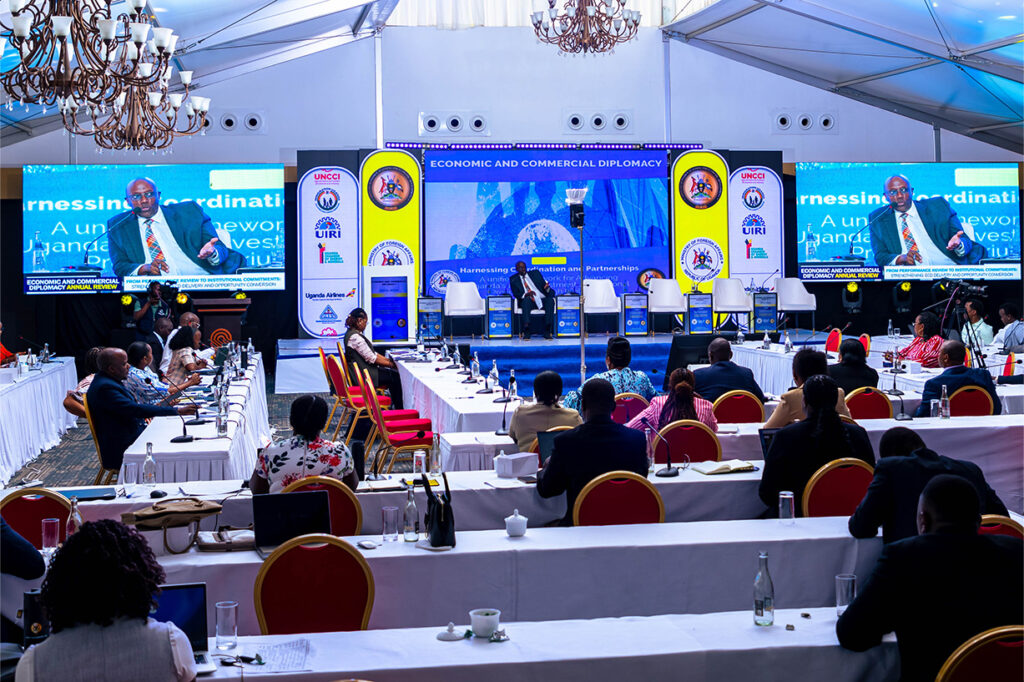
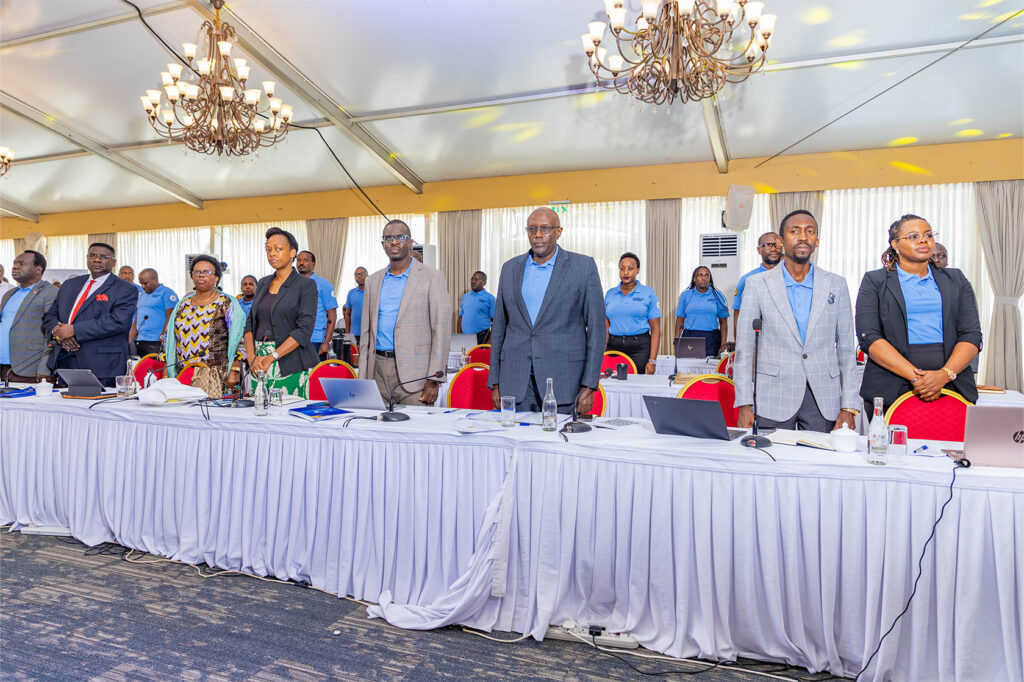
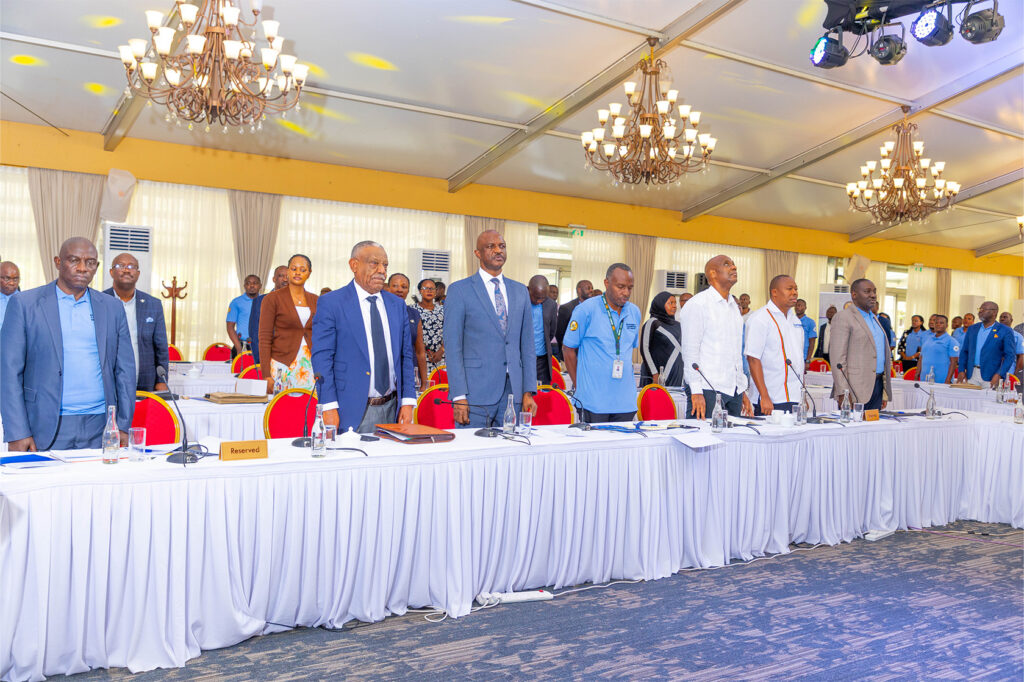
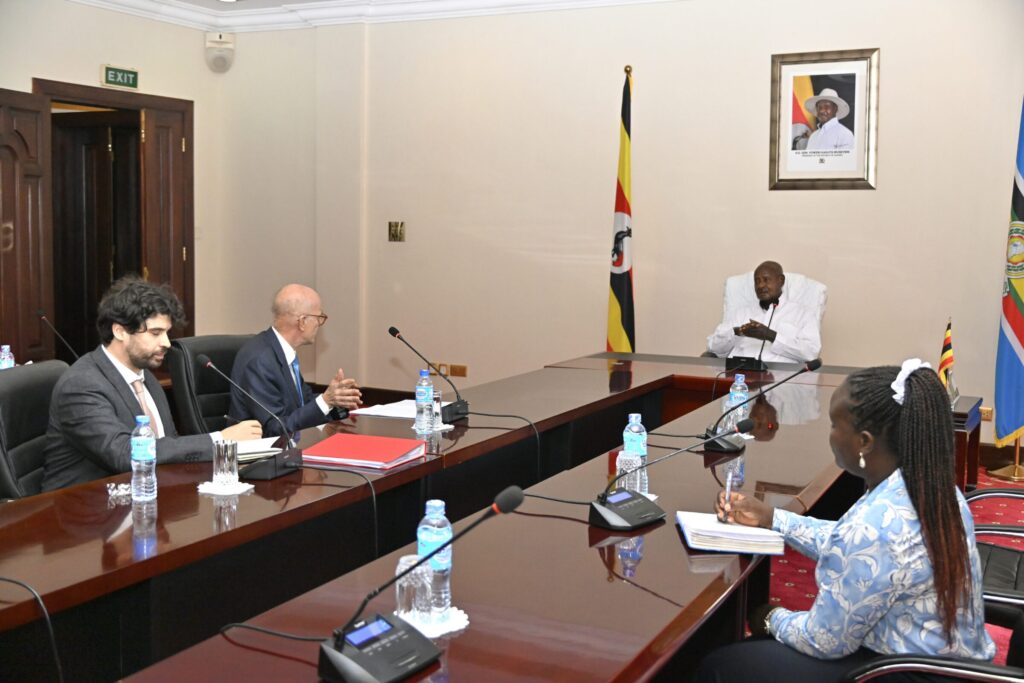
A snapshot of the high level panel discussions at Review
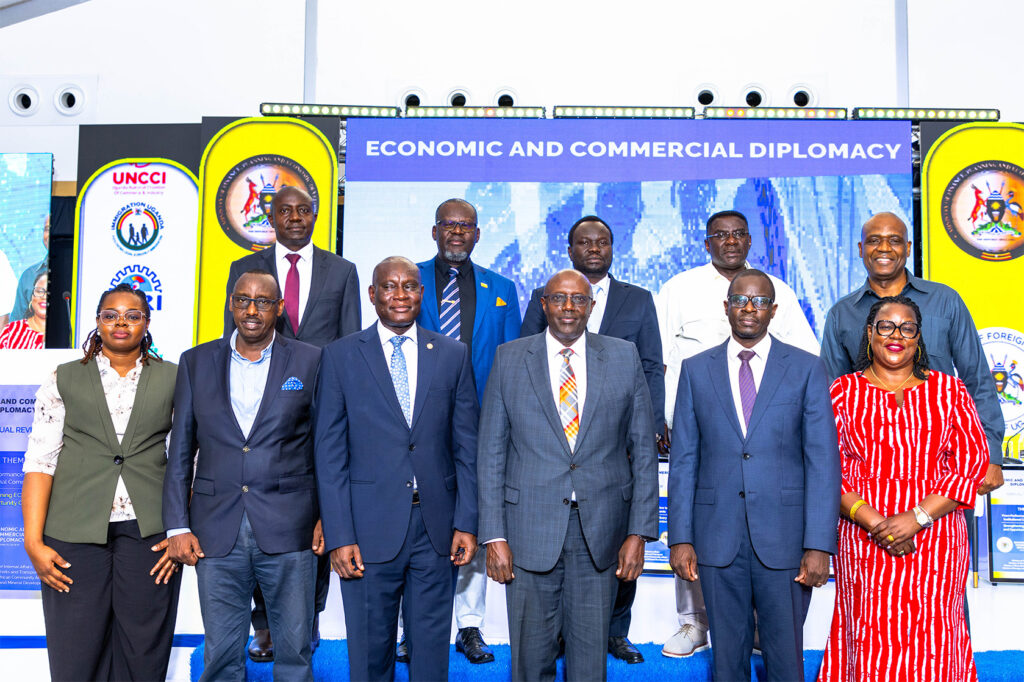
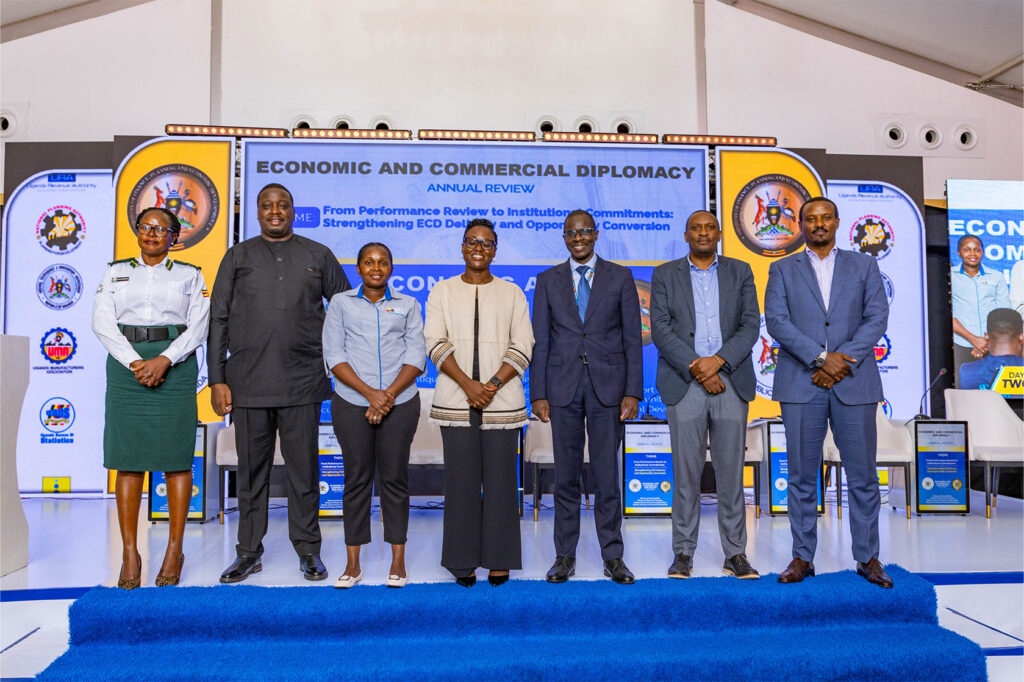
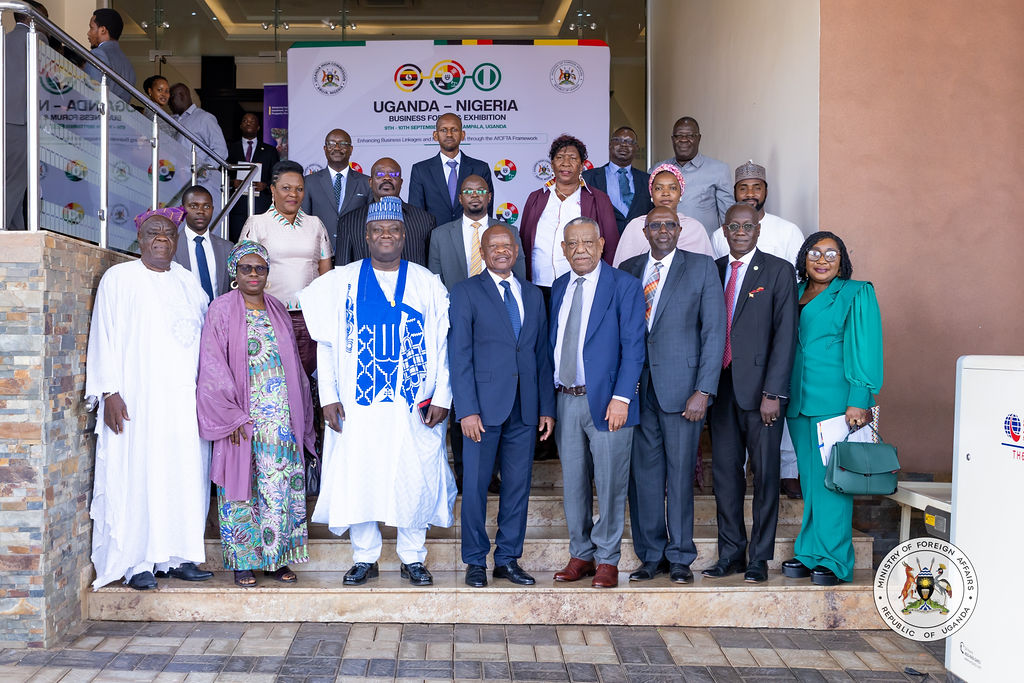
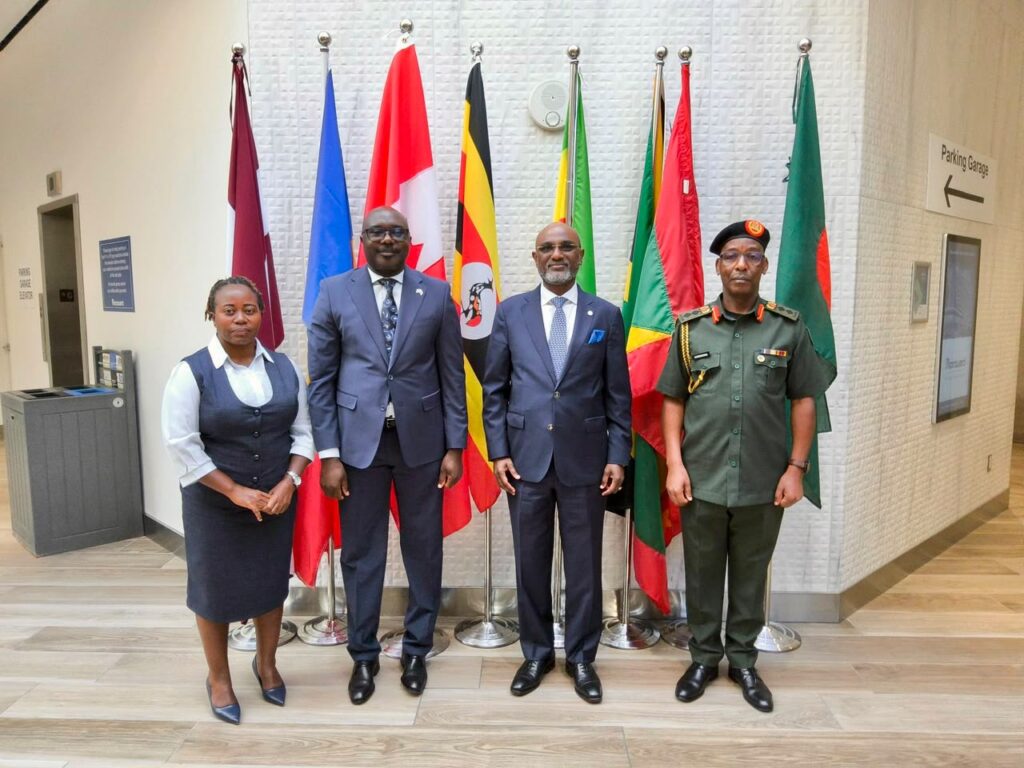
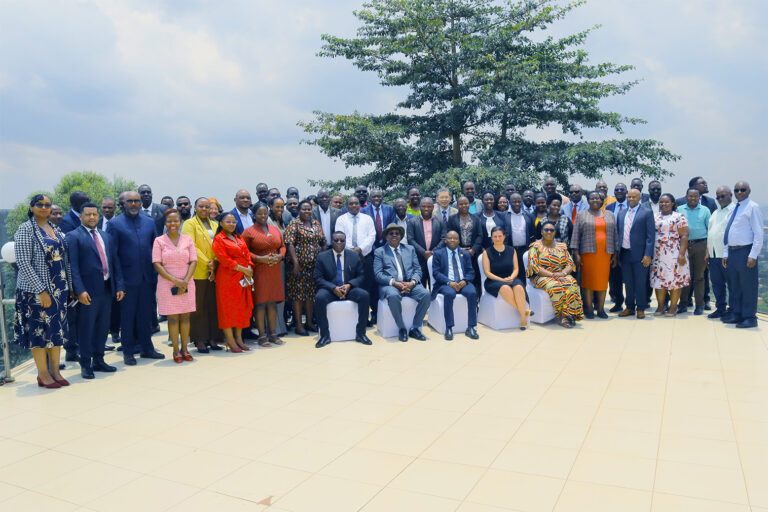
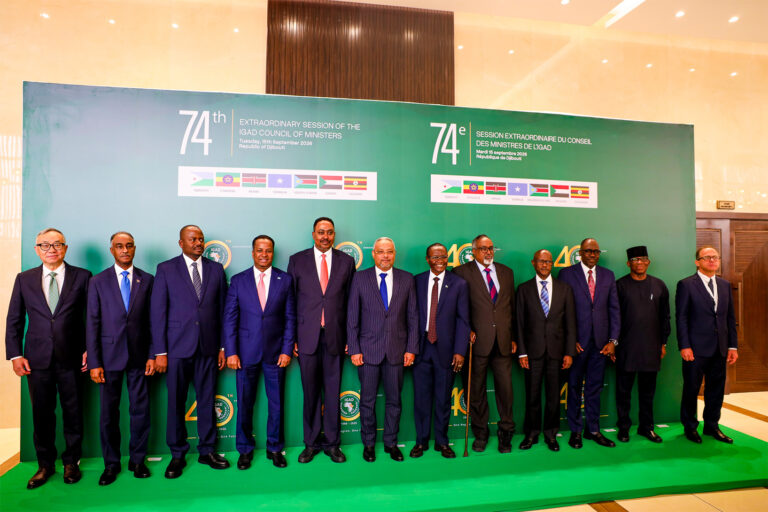
Group photos of some of the high level panelists
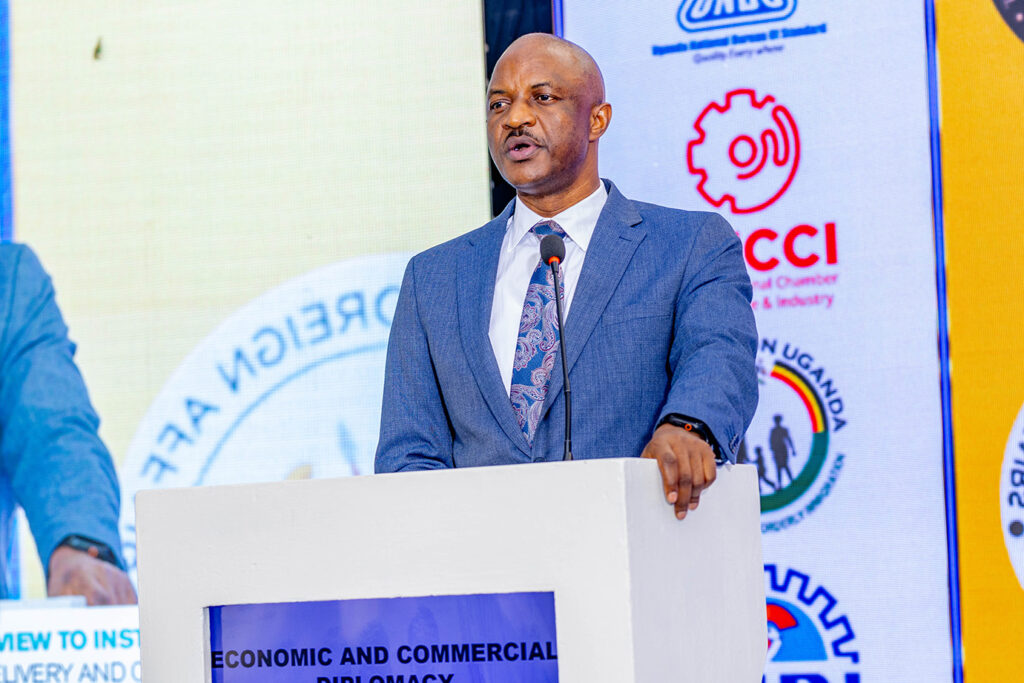
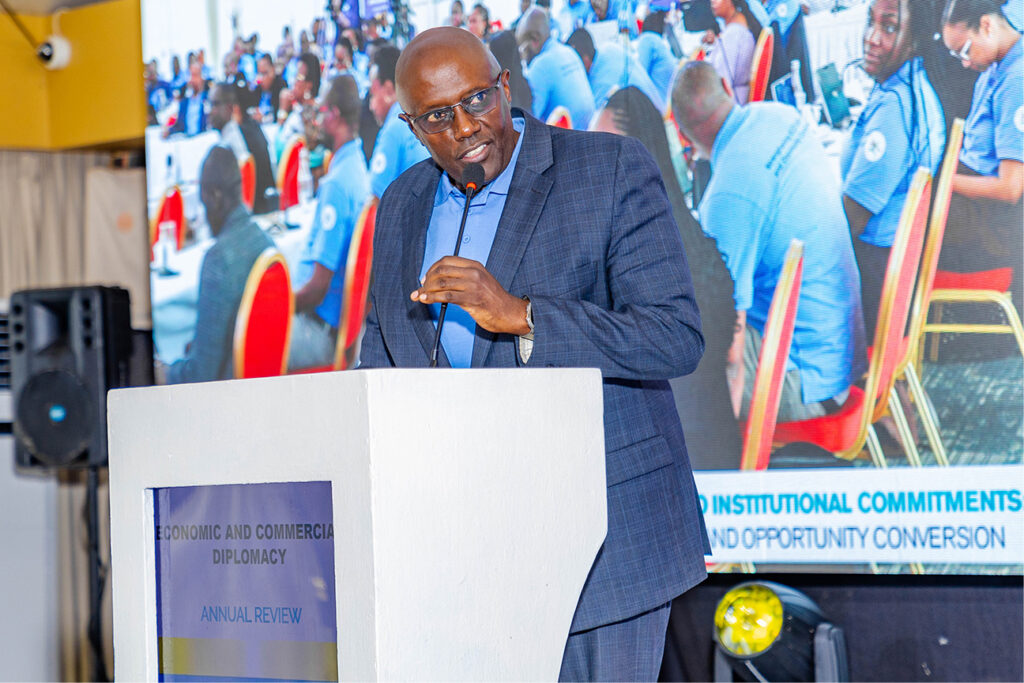
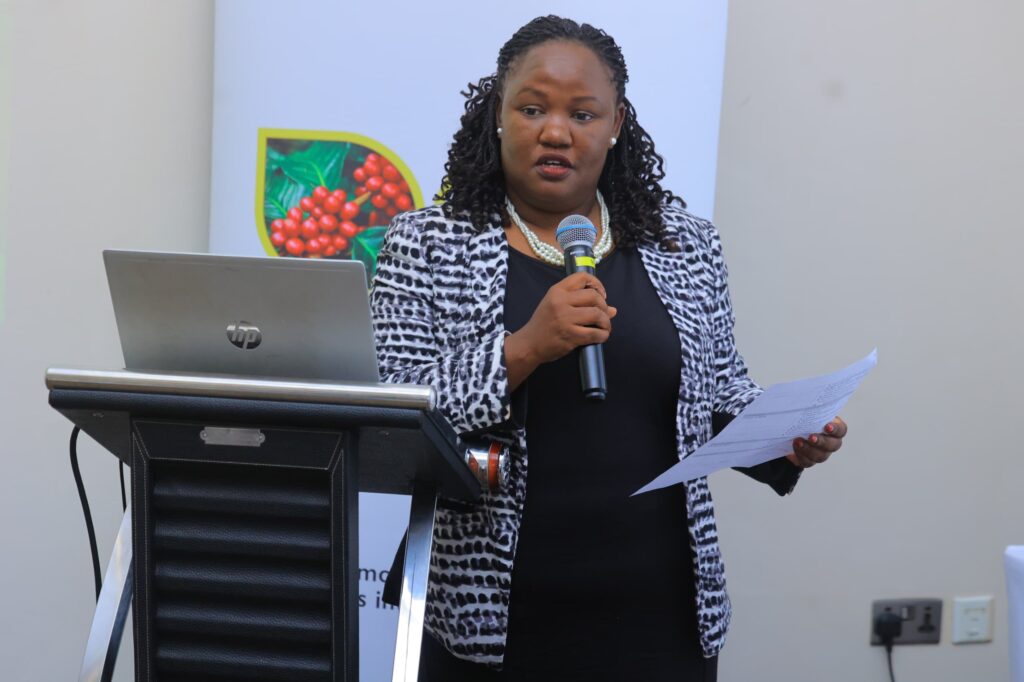
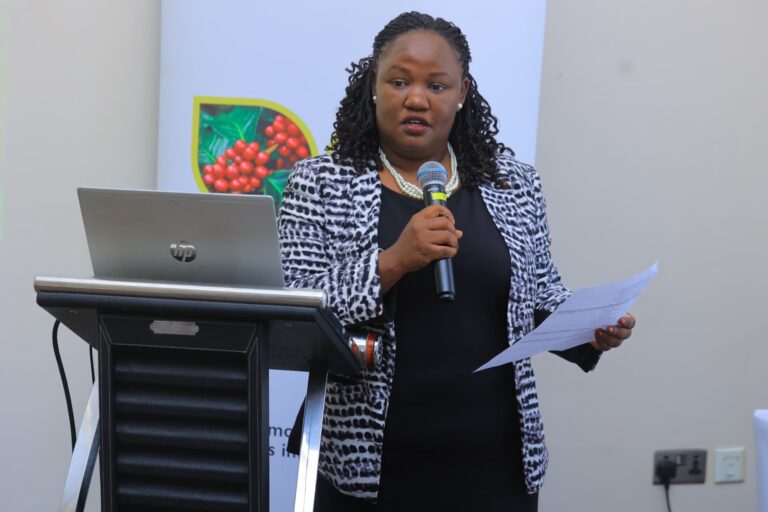
PSST Ramathan Ggoobi (L) and delivers Amb. Richard Kabonero deliver remarks