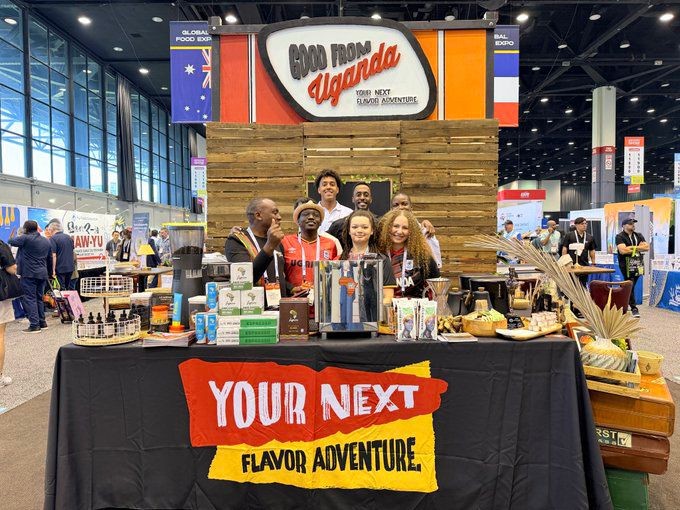
Chicago, USA – Uganda’s foreign engagement is increasingly evolving from a predominantly political and historical focus towards a more strategic emphasis on trade, investment, and economic transformation. This transition was symbolically reflected in the month following the commemoration of 45 years since the founding of the National Resistance Army (NRA) and Uganda’s participation in the National Restaurant Association (NRA) Show in Chicago, one of the world’s largest exhibitions for food service, hospitality, logistics, and restaurant technology.
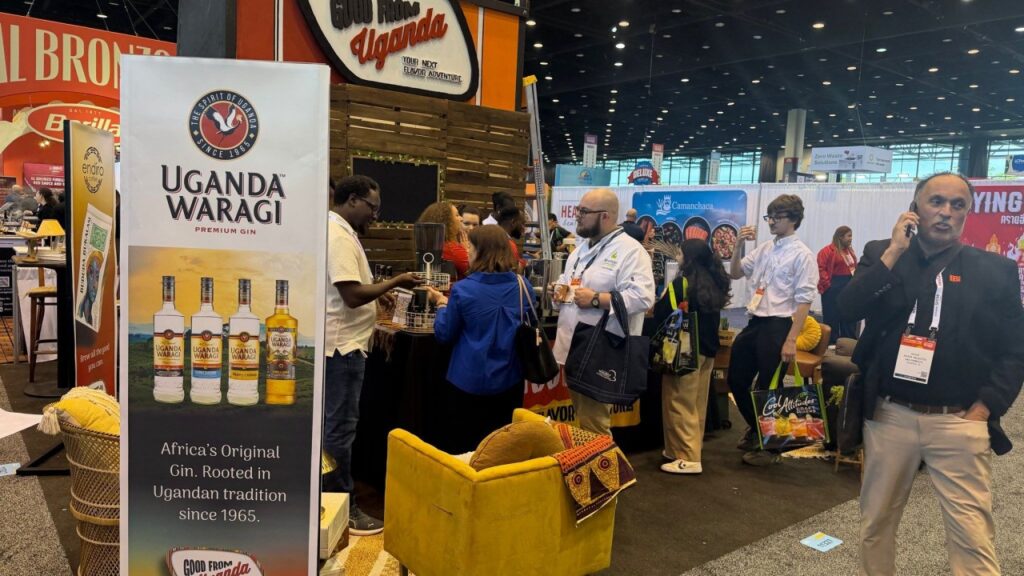
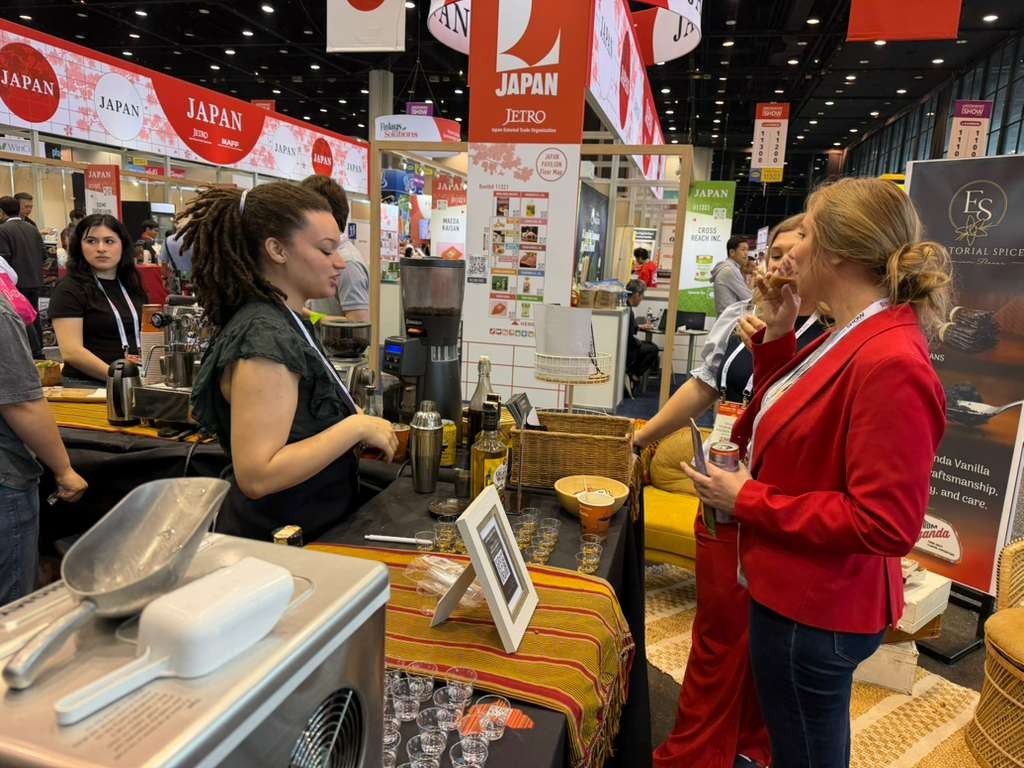
Facilitated by the Uganda Embassy, Washington D.C, Uganda’s participation demonstrated the country’s growing commitment to commercial diplomacy and integration into global value chains. As the only African country with a formal exhibition presence at the event, Uganda engaged directly with importers, distributors, retailers, investors, and hospitality industry leaders from across the world. The exhibition underscored a critical reality of modern international trade which emphasises that market access is no longer determined solely by product quality but increasingly by the strength of supporting systems, including distribution networks, regulatory compliance, financing mechanisms, and sustained market engagement.
Discussions with international stakeholders revealed strong interest in Ugandan products such as coffee, tea, vanilla, and beverages. However, stakeholders consistently emphasized the importance of reliable supply chains, market familiarity, and long-term commercial partnerships in achieving sustained market penetration. These realities are shaping Uganda’s approach to commercial diplomacy. Diplomatic missions are increasingly being positioned as platforms for trade promotion, export facilitation, investment attraction, and business networking, complementing their traditional diplomatic functions.
This approach aligns with Uganda’s broader development priorities, including agro-industrialization, tourism development, mineral value addition, manufacturing, and export diversification. Together, these sectors are expected to drive the country’s transition from a primary commodity exporter to a competitive participant in regional and global value chains. Uganda’s diaspora also remains a critical partner in this effort. Beyond remittances, diaspora communities provide market intelligence, business networks, and operational expertise that can help connect Ugandan enterprises to international markets and investment opportunities.
As Uganda continues to strengthen trade facilitation, investment promotion, and international economic cooperation, commercial diplomacy is becoming an increasingly important instrument for national development. The ultimate measure of success will be the ability to translate diplomatic engagements into tangible trade opportunities, investment flows, job creation, and sustained economic growth. Uganda’s journey from liberation to markets reflects a broader evolution in national priorities, one that seeks to leverage diplomacy not only for political relations but also for prosperity, competitiveness, and economic transformation.
Courtesy Photos