A Period of Insecurity
In the first half of 2026, the Republic of South Africa experienced heightened anti-migrant actions. Groups including Operation Dudula and March and March carried out activities targeting foreign nationals and foreign-owned businesses in Johannesburg, Pretoria, Durban, and Mossel Bay. These incidents led to damage to property, displacement, and loss of life. Among those affected were Ugandan nationals residing in South Africa as entrepreneurs, professionals, students, and workers. In response to the situation, the Government of Uganda put in place measures to facilitate the voluntary return of Ugandan nationals who wished to come home.
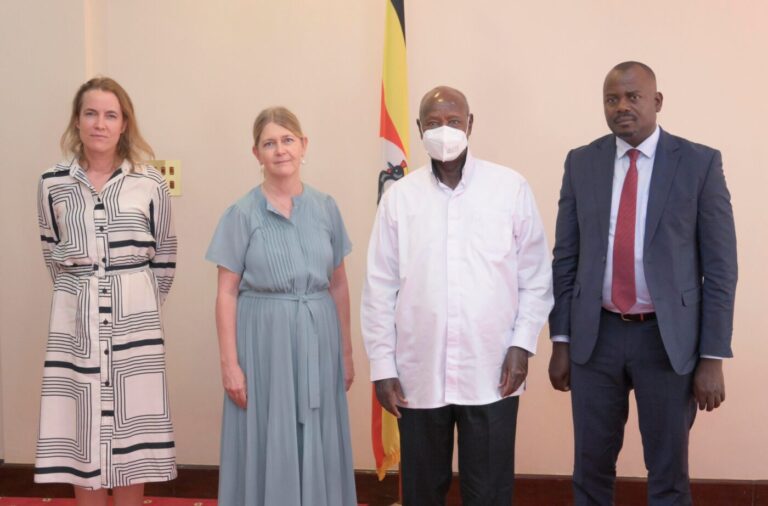
Following the directive of H.E. President Yoweri Kaguta Museveni, Government instituted a voluntary repatriation programme. The Acting Minister of Foreign Affairs, Hon. Haruna Kasolo Kyeyune, addressed the nation at the Uganda Media Centre. He informed the public that the Ministry of Foreign Affairs was coordinating with the Office of the Prime Minister, the Ministries of Internal Affairs and Works and Transport, the Uganda High Commission in Pretoria, and representatives of the Ugandan community in South Africa. At the time, 746 Ugandan nationals had registered for government-assisted repatriation. The Minister noted that participation was voluntary and that the Government would meet the cost of travel and initial resettlement support.
The Diaspora Department of the Ministry of Foreign Affairs coordinated the exercise. Amb. Dickson Ogwang, Acting Head of the Diaspora Department, was deployed throughout the process, providing coordination from Pretoria to Entebbe and later at NALI-Kyankwanzi. On the Department’s role, Amb. Ogwang stated: “Our primary responsibility was to ensure that no Ugandan was left behind and that every return was conducted with dignity and respect. We worked closely with the High Commission, COUSA, and community focal persons to account for all our nationals.”
The Department undertook verification and registration of nationals, issuance of emergency travel documents in collaboration with the High Commission, liaison with relevant authorities to secure transit, and mobilization in partnership with the Confederation of Ugandans in South Africa, COUSA. The Department also operated a help desk for inquiries from families in Uganda. Emergency travel documents were processed for those whose documents had expired or were lost, and assembly points were established in Pretoria and Johannesburg for the gathering of returnees prior to departure. The government contracted Uganda Airlines as the primary carrier, with Ethiopian Airlines providing additional capacity.
The repatriation exercise commenced on 3 July 2026 with a Uganda Airlines charter flight that brought 273 nationals to Entebbe International Airport. The returnees were received by Government officials, including the Ag. Minister of Foreign Affairs, Hon. Haruna Kasolo Kyeyune, and Amb. Ogwang, together with representatives from the Office of the Prime Minister and support teams. At the reception, Hon. Kasolo stated: “Today we are fulfilling the President’s directive to bring our people home safely. The government is committed to ensuring that every Ugandan who wishes to return is received with dignity.” On the purpose of the operation, he added: “This is not about abandoning our people abroad. It is about protecting life first. When the environment is not safe, the State must act.” On support for the returnees, the Minister further noted: “You have come back to your country. We shall walk with you through this transition. The relevant ministries are already in place to support your resettlement.”
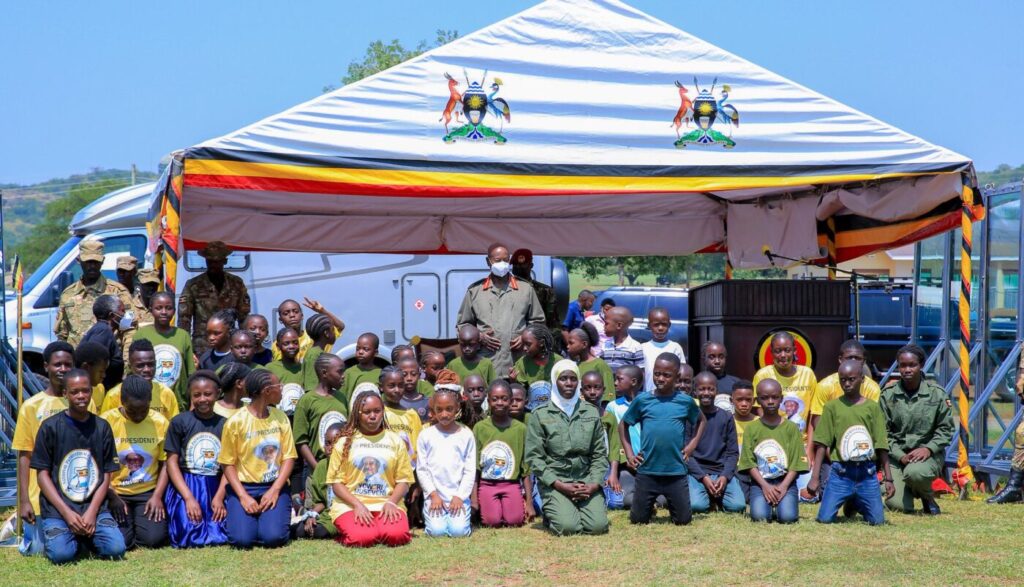
Additional flights between 5 and 9 July, operated by Uganda Airlines and Ethiopian Airlines, brought the total number of government-assisted returnees to over 900. The arrival of the evacuees reaffirmed the Government’s commitment to protect every citizen, wherever they are. Each returnee underwent health screening and registration upon arrival, and transport was provided from Entebbe to the National Leadership Institute, NALI-Kyankwanzi. The returnees were hosted at the National Leadership Institute, NALI-Kyankwanzi, where they received accommodation, medical screening, counselling, and psychosocial support. Orientation sessions were conducted on opportunities in agriculture, trade, and skills development.
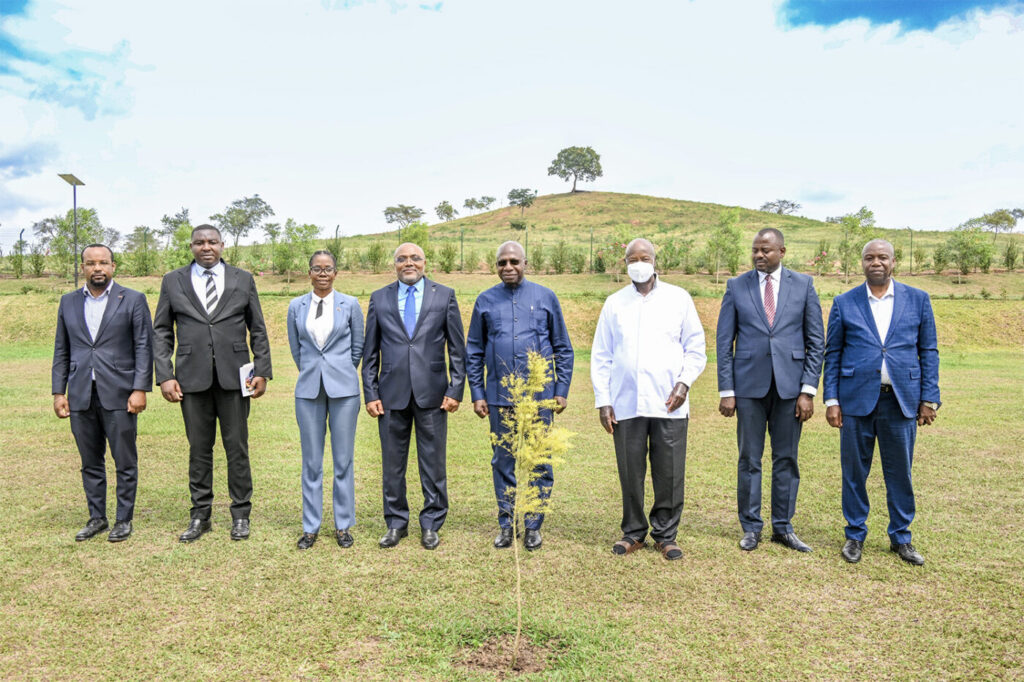
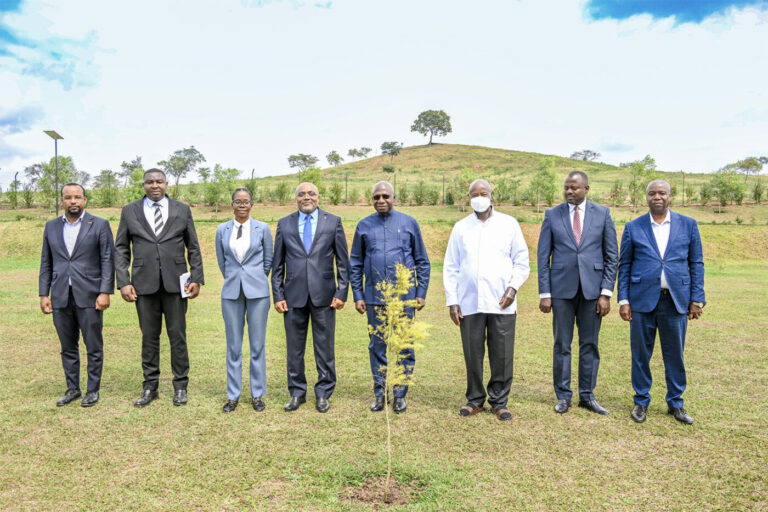
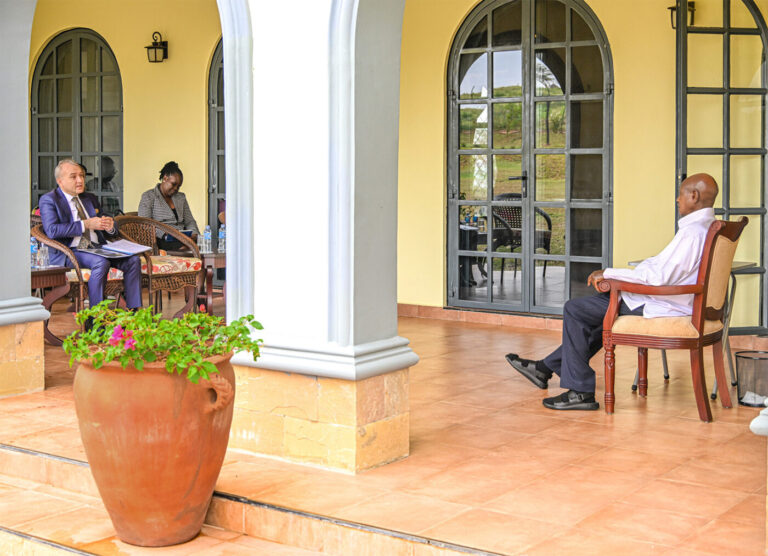
On 11 July 2026, H.E. President Yoweri Kaguta Museveni addressed the returnees at NALI-Kyankwanzi. The President announced that the Government would extend UGX 2 million to each returnee for immediate resettlement needs. He further allocated UGX 2 billion to the SACCO established by the returnees to support group enterprises and long-term economic recovery.
Addressing the gathering, President Museveni stated: “You are welcome back home. This country is your home. We are going to support you so that you restart your lives. We shall give you 2 million shillings each to help you resettle, and we are also giving 2 billion shillings to your SACCO so that you can work together and build.”
On African unity and economic relations, the President stated: “We have South African companies here, like MTN. We should not copy the mistakes of targeting people because of where they come from. That is not our way. We believe in the unity of Africans and in trade among ourselves.” The President further encouraged the returnees: “Use the money well, join SACCOs, do agriculture, do business. Do not waste it. The Government is with you.” In partnership with the Government, the United Returnees Organization, URO, under Mrs. Lydia Mwesigwa, was tasked to coordinate the SACCO and follow up on livelihood programmes. The government also facilitated the repatriation of the remains of three Ugandan nationals and extended support to bereaved families.
In his closing remarks at Kyankwanzi, President Museveni stated: “We shall not abandon you. You left and you have come back. Now let us build together.” The repatriation campaign demonstrated that when the Government and the Diaspora work together, we can respond with efficiency and national purpose. Our message is clear: No Ugandan is ever alone. The government ensured that every Ugandan who wished to return home was received and provided with support for resettlement.
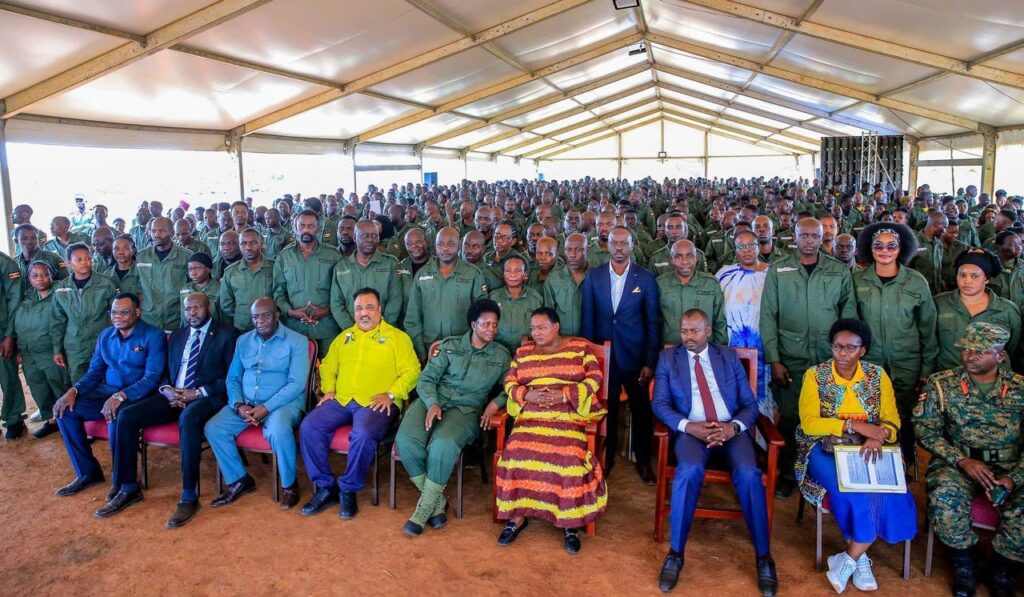
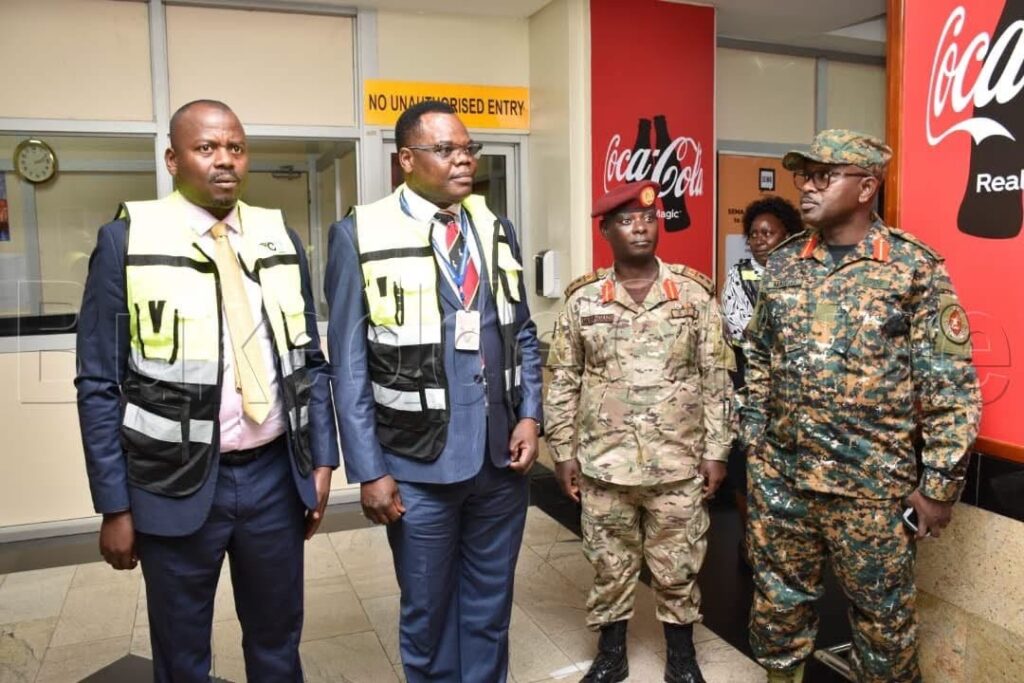
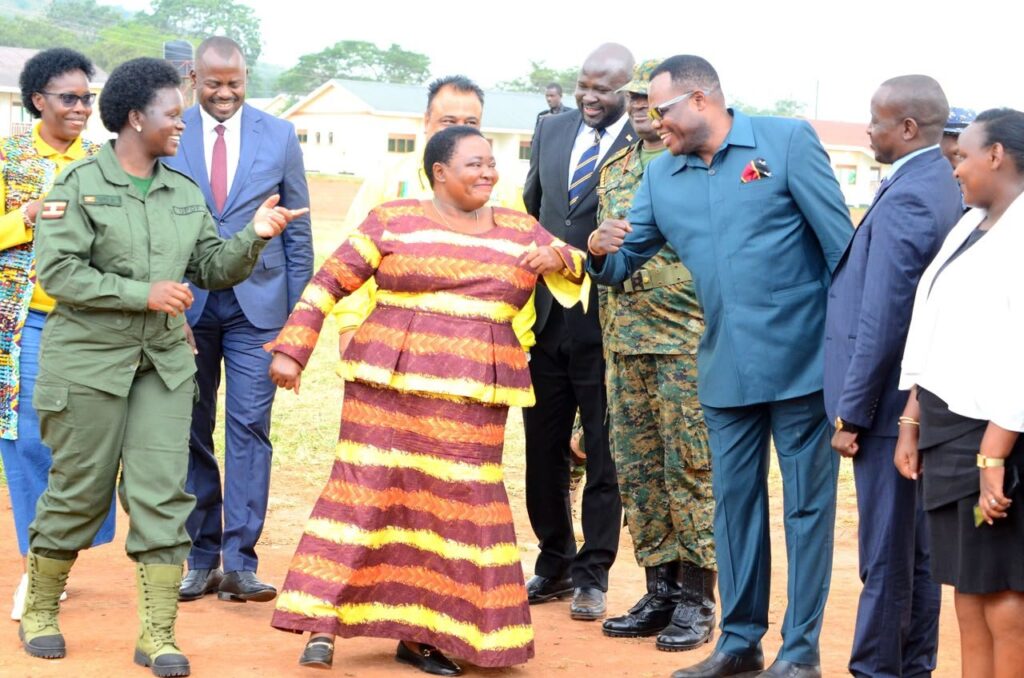
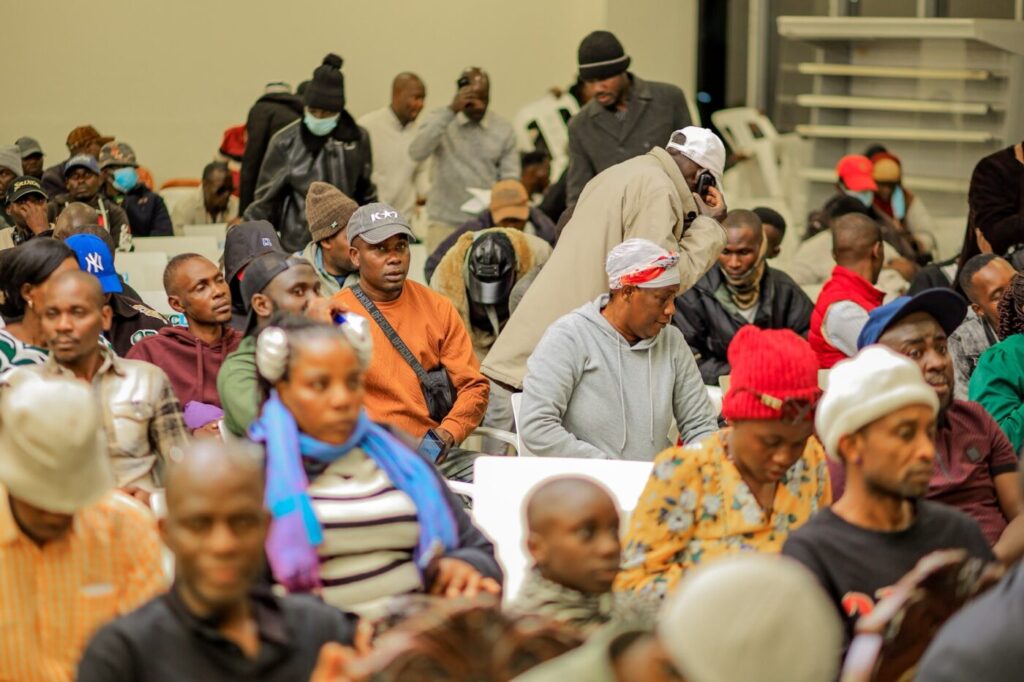
Photo Credit: PPU