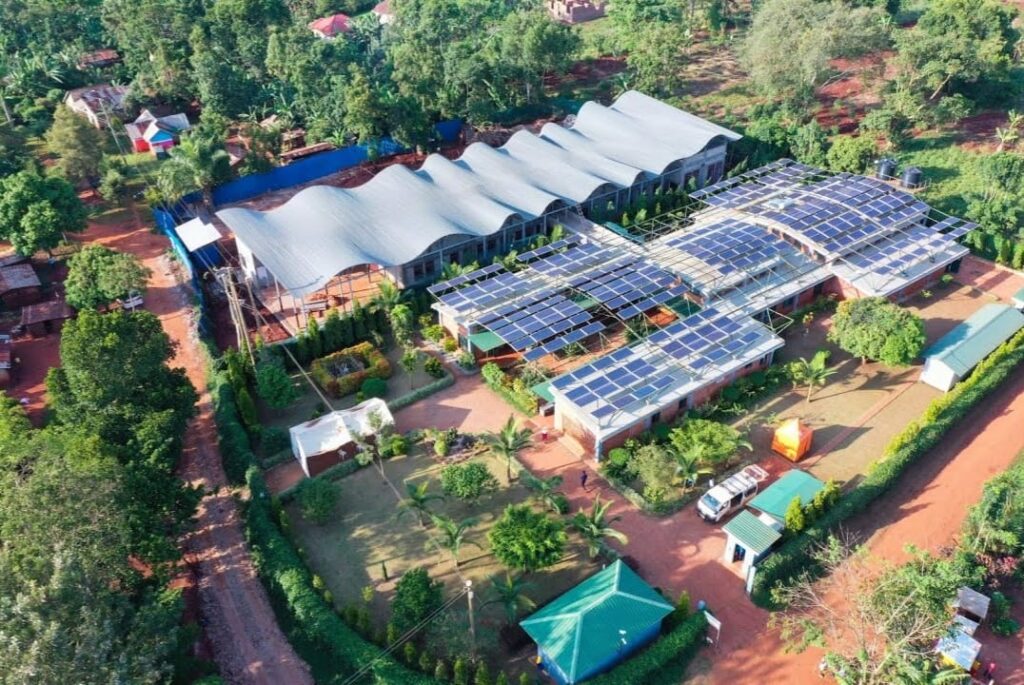
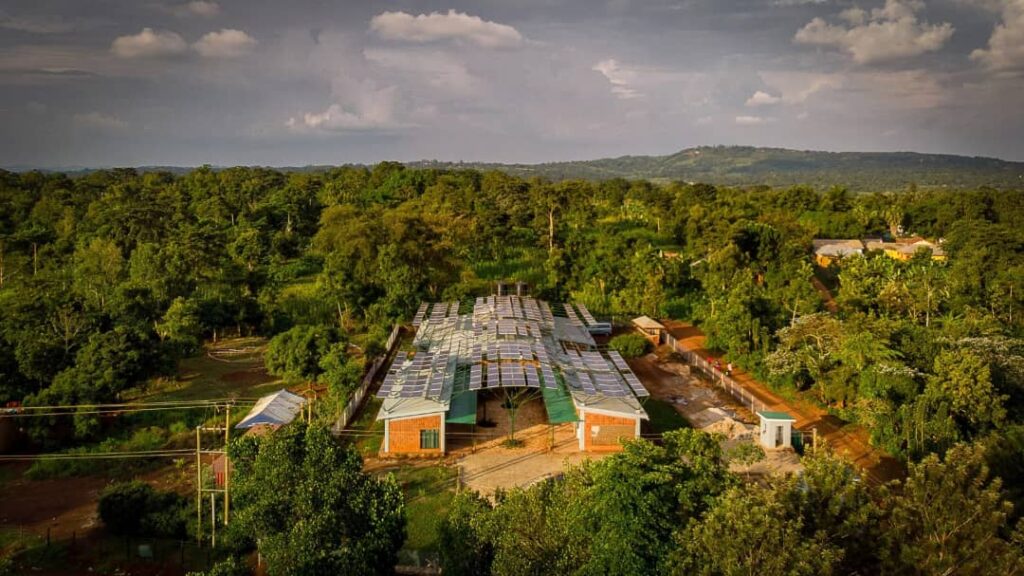
Jinja, Uganda – In rural Jinja, a surgical facility is demonstrating how innovative design, renewable energy and international medical collaboration can redefine what is possible in healthcare delivery. The Mount Sinai Kyabirwa Surgical Facility was designed to operate in an environment where conventional infrastructure cannot always be relied upon. Built with local labour, the facility incorporates materials sourced from its immediate surroundings, including red clay dug from nearby sites and fired into bricks on location.
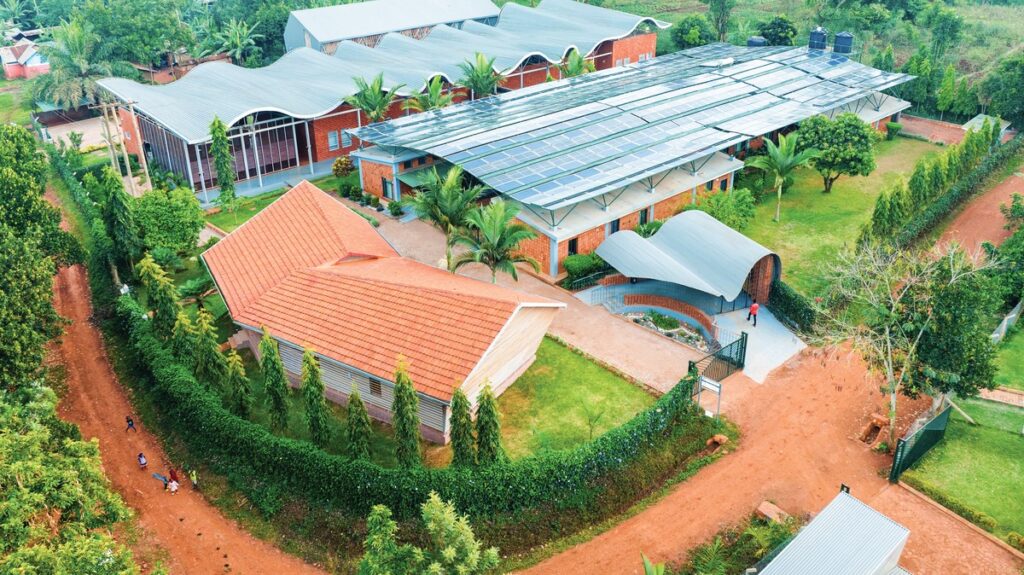
These locally produced bricks are not merely structural elements. They form perforated screen walls that allow natural ventilation throughout the facility, eliminating the need for mechanical cooling across the building, except within the sealed operating rooms where controlled conditions are essential.
The facility’s roof provides another example of how local context and modern technology can work together. Designed as a canopy of solar panels inspired by the shape of banana leaves—a plant commonly found around the site, the panels serve a dual purpose. They generate electricity while simultaneously providing shade for the building below.
Energy resilience is central to the facility’s design. A battery storage system provides sufficient energy to keep the surgical facility operating for up to two full days in the event of a grid failure. In a setting where interruptions to electricity supply can pose significant challenges to healthcare delivery, this capacity provides an important layer of operational security.
The facility is also connected to the global medical community. Approximately 20 miles of underground fibre-optic cable link the rural Ugandan centre with Mount Sinai Hospital in New York. Through this connection, surgeons in New York can participate in consultations and observe operations taking place in Uganda through live video links, creating a bridge between rural healthcare delivery in Uganda and specialist expertise abroad.
Water management follows the same principle of resilience and self-sufficiency. Water is drawn from a well and stored in gravity tanks before being filtered and sterilised on site. Rainwater collected from the roof is reused for purposes such as flushing toilets and watering a garden that provides food for patients and staff. Waste is treated on site as well, reducing dependence on external systems and infrastructure that may not always be available or reliable.
The significance of Kyabirwa lies not simply in its ability to function away from conventional infrastructure, but in the way it has been deliberately designed around that reality. Renewable energy, locally sourced materials, digital connectivity, water conservation and on-site waste management are integrated into the facility rather than treated as separate additions. The result is a healthcare model that demonstrates how rural infrastructure can be resilient, connected and technologically enabled.
From Kyabirwa, Jinja, Uganda, a surgical facility is therefore doing more than providing medical care. It is illustrating how local innovation, sustainable design and international connectivity can converge to expand the possibilities of healthcare in rural communities.
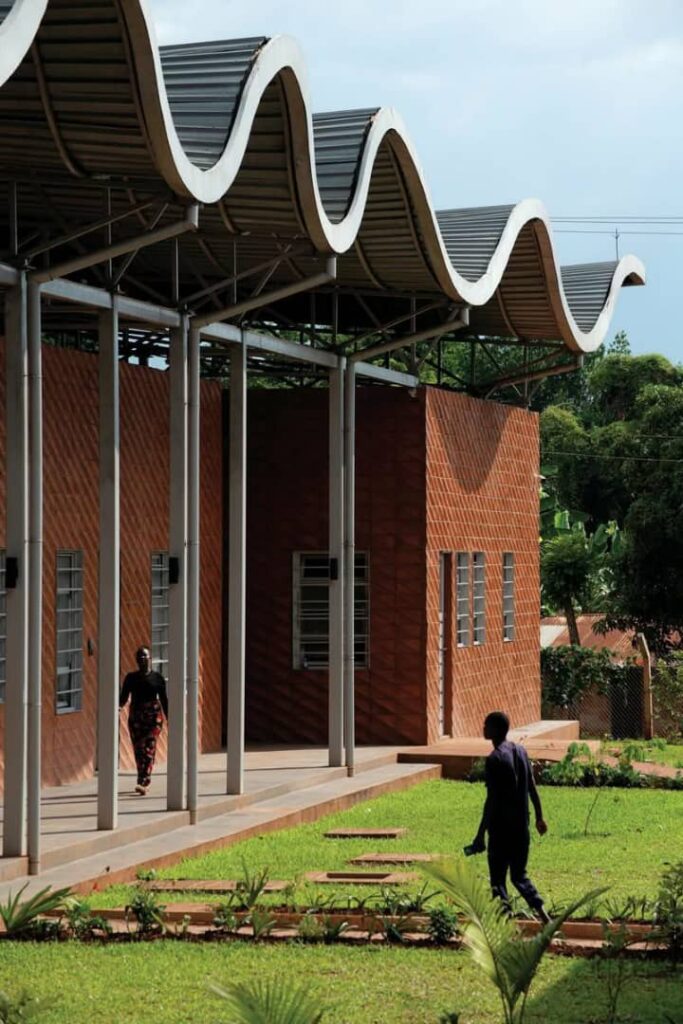
Courtesy Photos