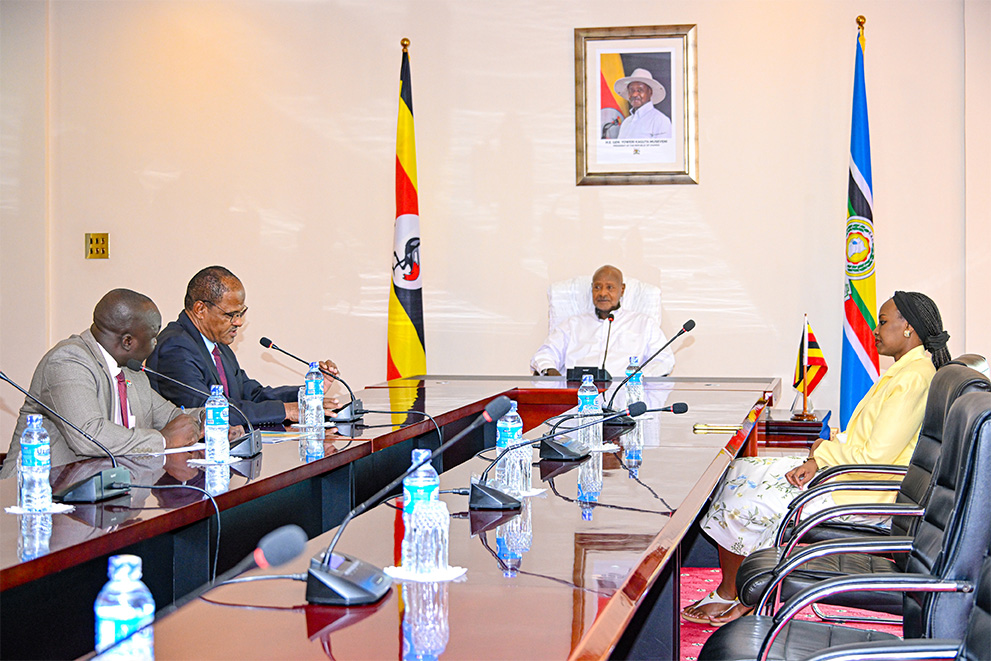
Entebbe, Uganda – President Yoweri Kaguta Museveni received the outgoing Egyptian Ambassador to Uganda, H.E. Monzer Selim, and the outgoing Sudanese Ambassador, H.E. Ahmed Ibrahim, as both concluded their tours of duty. Their departures provided an opportunity to assess two relationships of particular strategic importance to Uganda’s regional diplomacy. The two farewell meetings offered a broader reflection on Uganda’s foreign policy; diplomacy is not only about maintaining political relations but also about converting longstanding friendships into trade, investment, regional stability and practical cooperation.
The relationship with Egypt has increased economic engagement bilateral trade reaching US$139.1 million, comprising US$112.8 million in Egyptian exports to Uganda and US$26.3 million in Ugandan exports to Egypt. The Uganda Investment Authority reported Egyptian investment projects worth US$236.5 million, generating over 5,356 jobs.
During Ambassador Selim’s tenure, the scale of Egyptian corporate presence had also expanded. He reported that major Egyptian companies with established operations in Uganda had increased from two to five, while the combined value of their operations is projected to rise from approximately US$120 million to US$700 million following planned investments. The figures pointed to a relationship moving beyond traditional political and bilateral cooperation towards investment, industrialisation and commercial partnership.
That trajectory has already been supported by high-level diplomacy, in 2025, Uganda and Egypt agreed to strengthen cooperation in investment, agriculture, pharmaceuticals, energy and water-resource development, including efforts to localise some Egyptian industries in Uganda. In May 2026, President Museveni and President Abdel Fattah El-Sisi further agreed to deepen cooperation in trade, industrialisation, renewable energy, fish farming and sustainable management of the Nile, while promoting a Joint Business Council. The Nile has consequently remained both a geographical connection and a diplomatic responsibility. Ambassador Selim commended Uganda’s constructive leadership within the Nile Basin Initiative, particularly its efforts to encourage consultation and cooperation among basin states. This complements Uganda’s wider foreign-policy emphasis on African-led dialogue, regional stability and mutually beneficial development.
The Sudan relationship has carried a different but equally significant dimension: solidarity during conflict. Ambassador Ahmed Ibrahim’s farewell meeting followed more than three years of war in Sudan, which began in April 2023. Uganda has maintained an open humanitarian posture towards Sudanese nationals seeking safety. By the end of 2025, Uganda hosted an estimated 92,700 Sudanese refugees and asylum-seekers, within a national refugee population exceeding 1.96 million. By July 2026, Uganda’s overall refugee and asylum-seeker population had reached 2.04 million, according to UNHCR and Government figures.
The Sudan–Uganda relationship therefore has extended beyond formal diplomacy, it has been sustained through humanitarian solidarity, cross-border commerce, community ties and regional security interests. In 2024, Uganda exported approximately US$66.7 million in goods to Sudan, overwhelmingly comprising coffee, tea and spices worth about US$62.2 million. Imports from Sudan were comparatively small, at approximately US$53,500, illustrating both the depth of Uganda’s export position and the considerable room for balanced commercial expansion once conditions permitted.
Uganda’s approach to Sudan has also reflected its wider commitment to regional peace and stability. The country’s diplomatic engagement has increasingly connected humanitarian responsibility with economic recovery, regional security and the preservation of people-to-people relations. The two farewell engagements this month illustrated different but complementary dimensions of Uganda’s foreign policy. With Egypt, the relationship has increasingly centered on transforming historical and Nile ties into investment, industrialization, trade and technical cooperation. With Sudan, diplomacy has been anchored in solidarity, humanitarian responsibility, regional peace and the preservation of longstanding social and commercial links both relationships have also reinforced the role of Uganda’s Foreign Service as an instrument of national development.
The policy direction was clear: diplomatic relationships has to generate tangible value for citizens while contributing to African stability. Whether through Egyptian investment and industrial partnerships or through Uganda’s solidarity with Sudan during conflict, diplomacy had increasingly been measured not only by communiqués and ceremonies, but by jobs created, investment mobilised, trade expanded, peace supported and partnerships sustained. As the two ambassadors concluded their tour of duty, their farewell meetings therefore marked more than the end of diplomatic tours. They have reaffirmed Uganda’s continuing commitment to a foreign policy that connected bilateral friendship with economic transformation, regional stability and Africa’s shared development agenda.
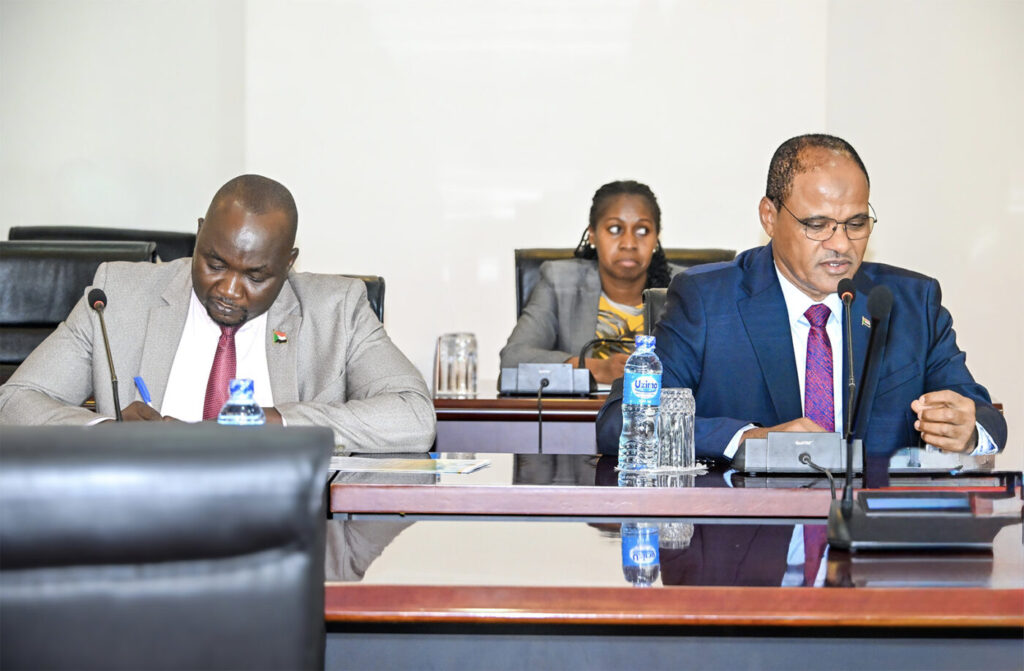
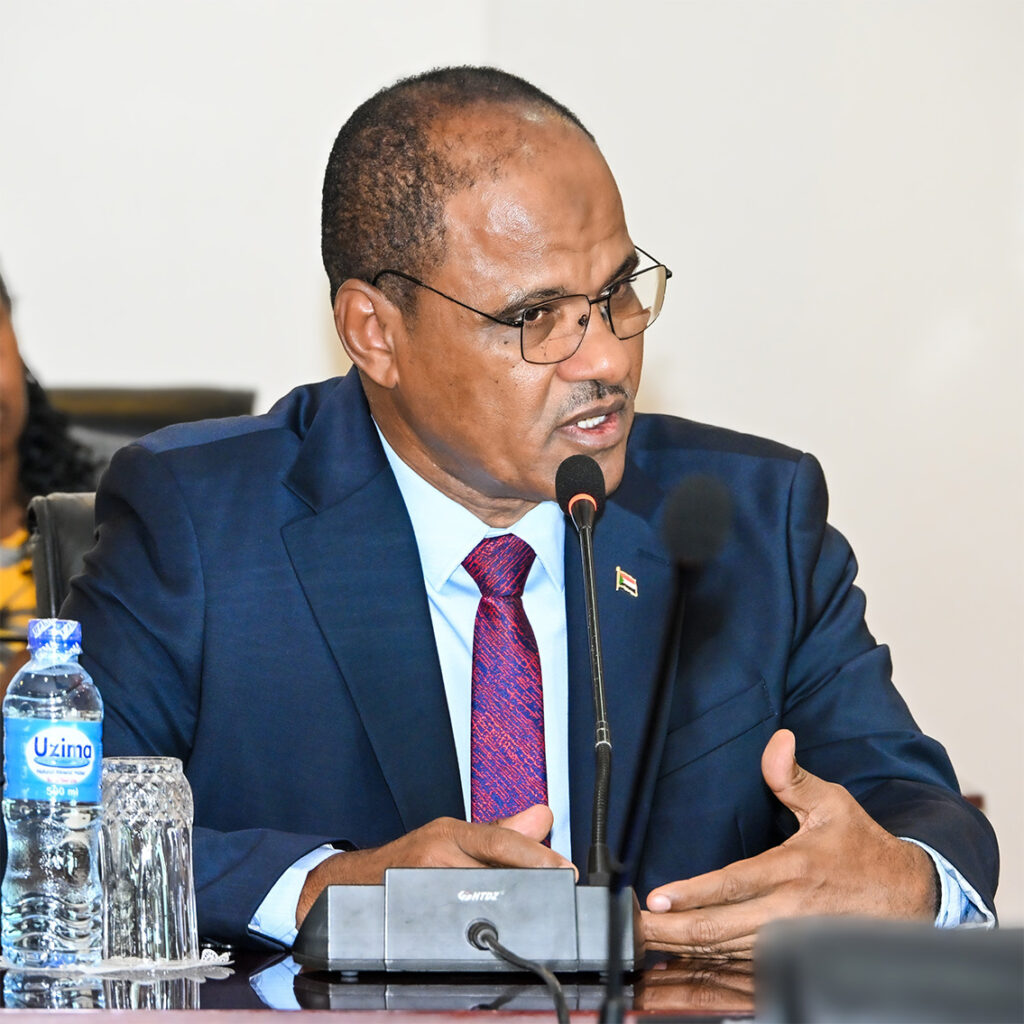
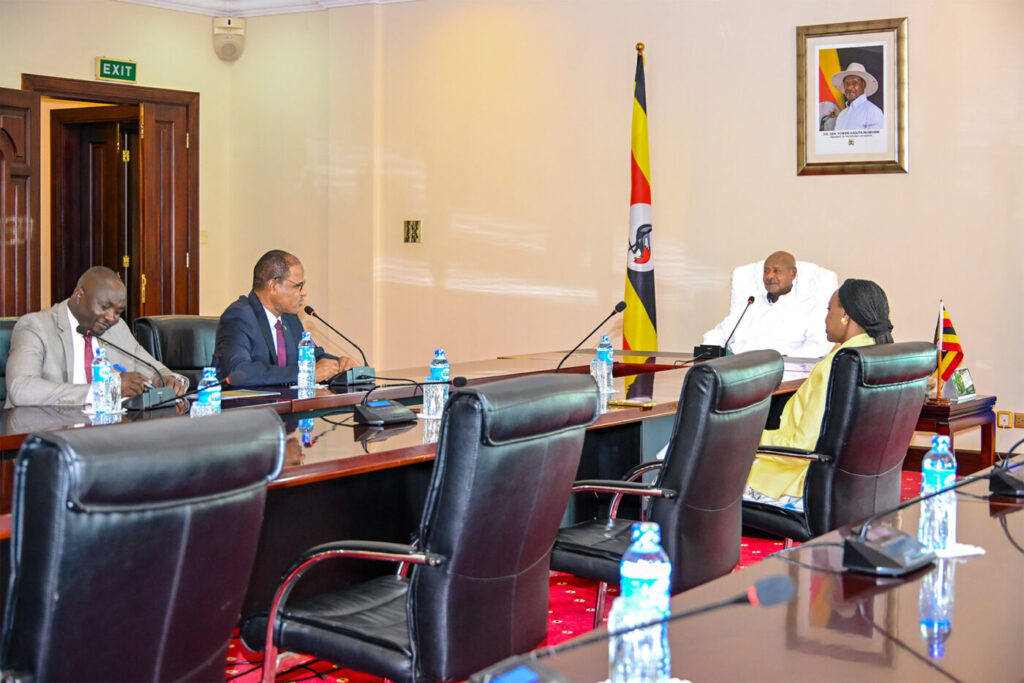
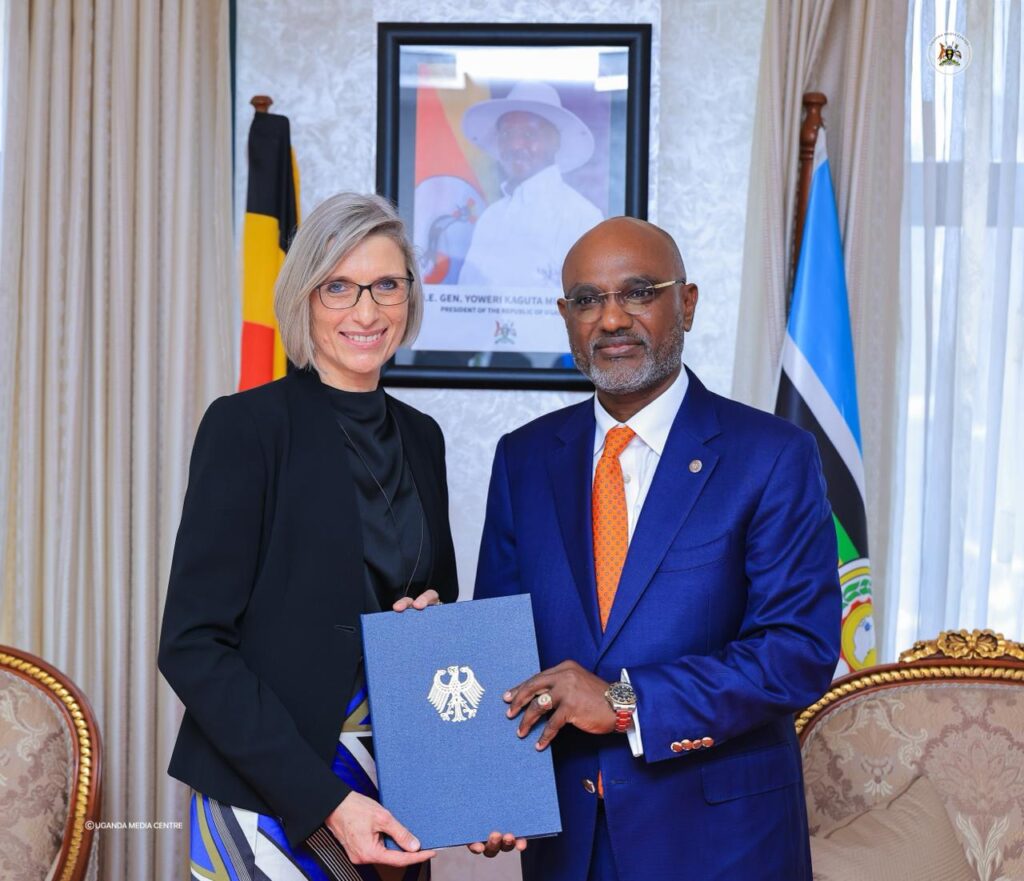
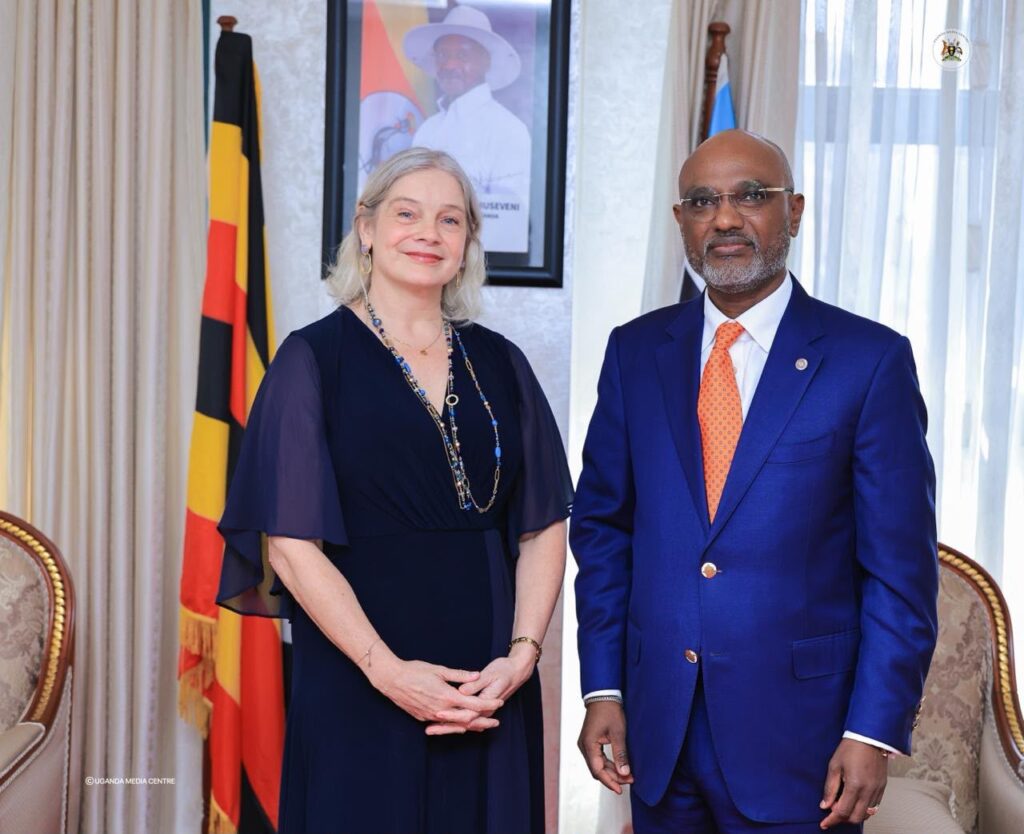
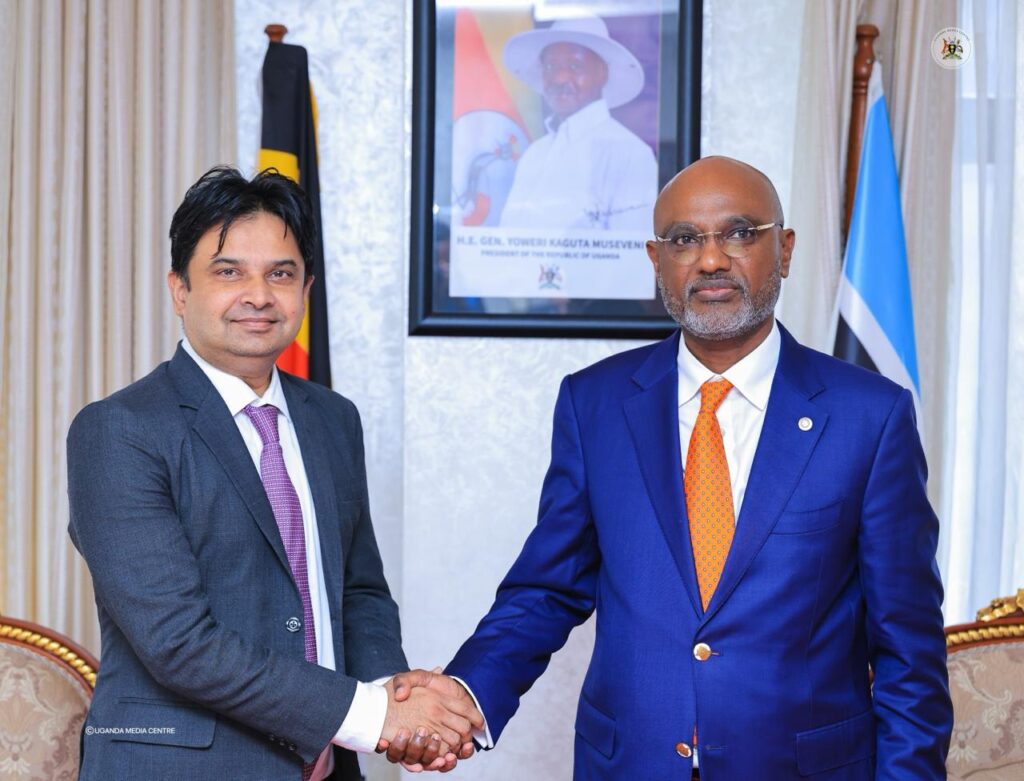
President Museveni with the outgoing Sudanese Ambassador, H.E. Ahmed Ibrahim
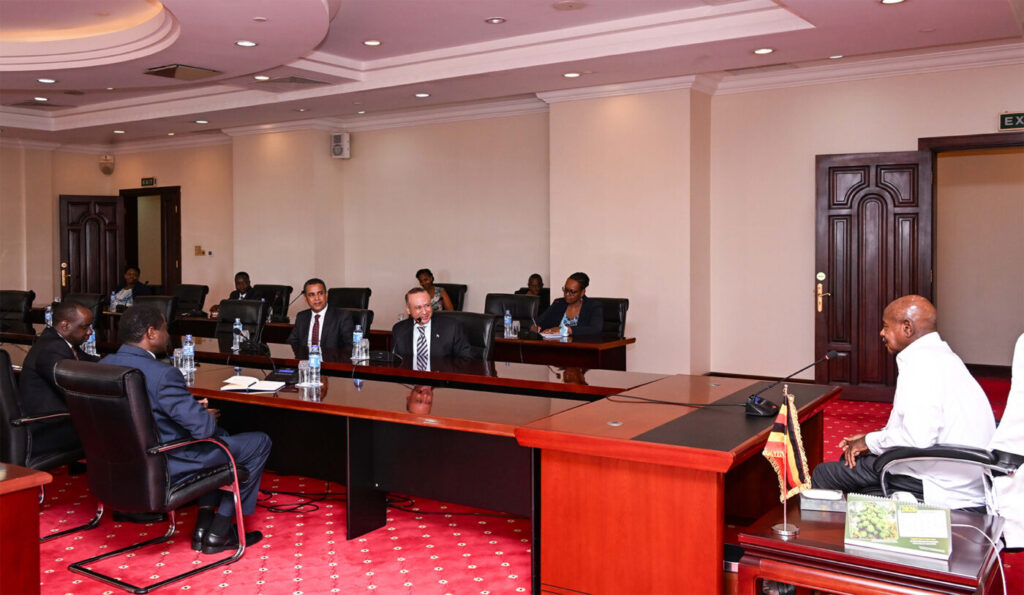
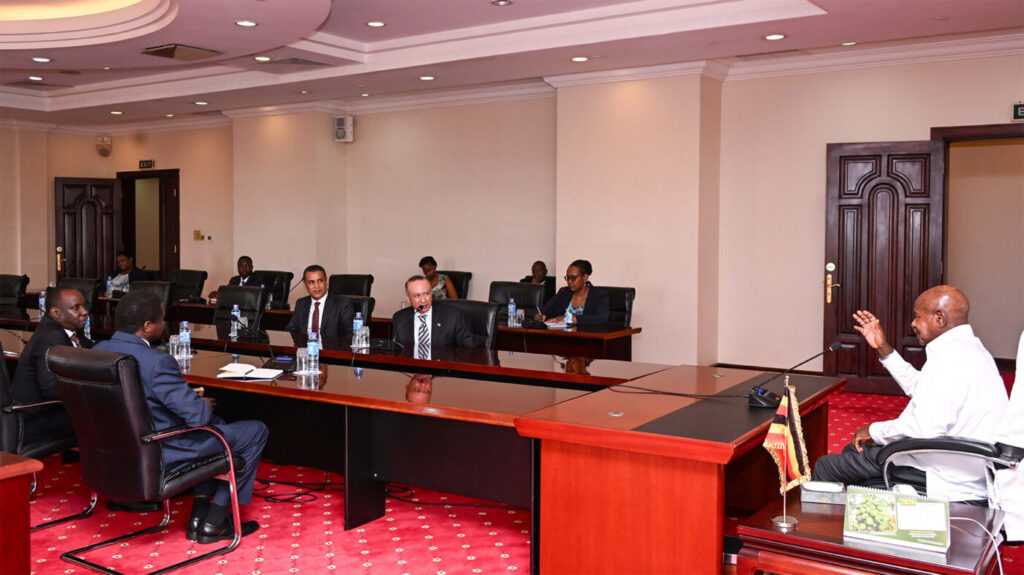
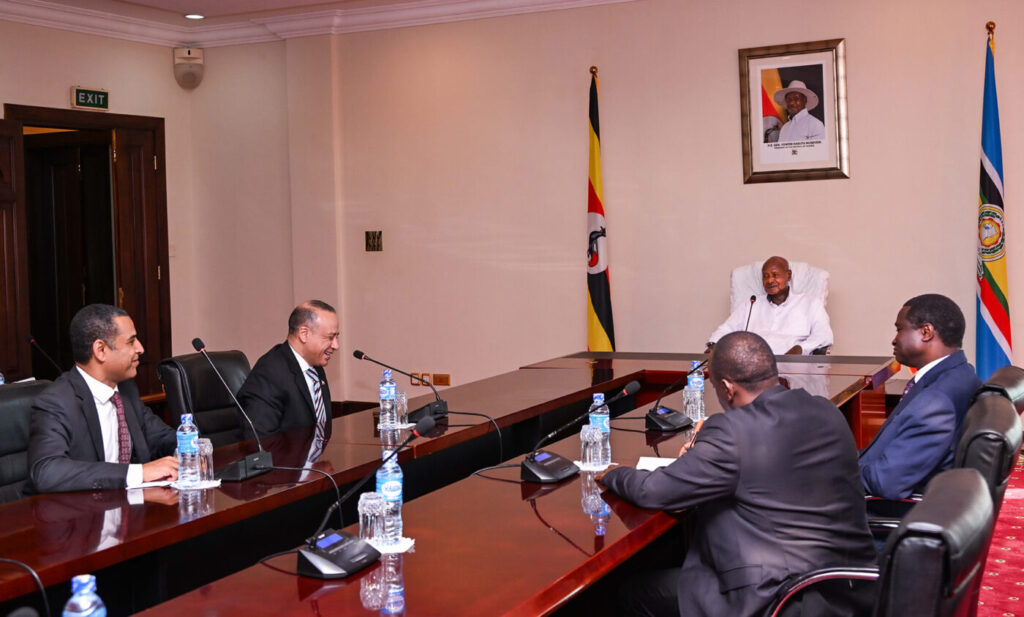
President Museveni and the outgoing Egyptian Ambassador to Uganda, H.E. Monzer Selim Monzer Selim