NEW SALHIA CITY, EGYPT
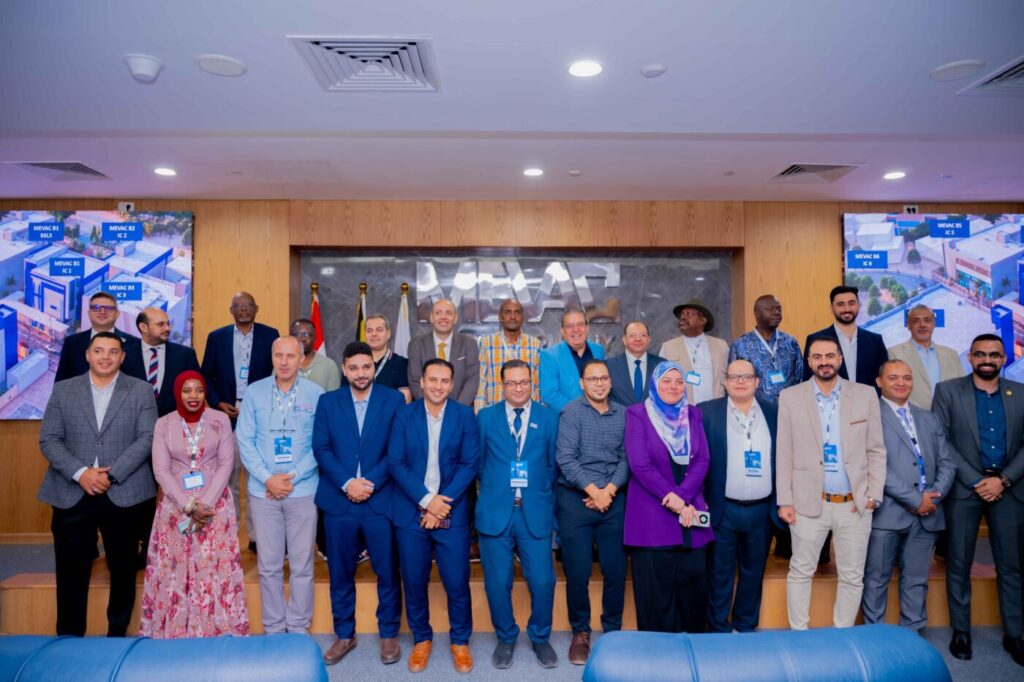
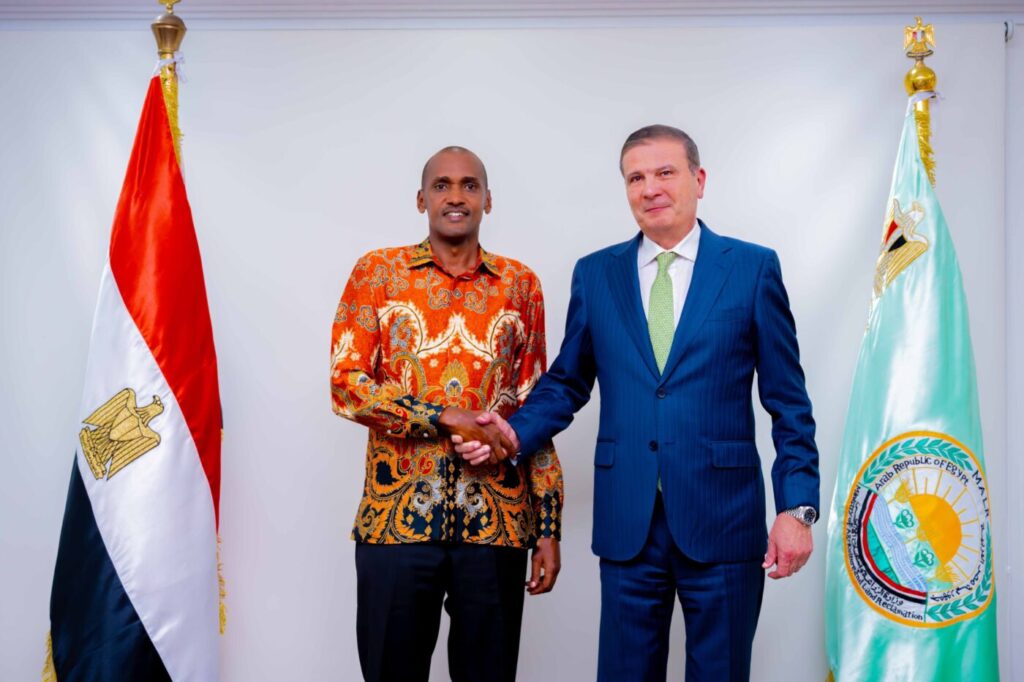
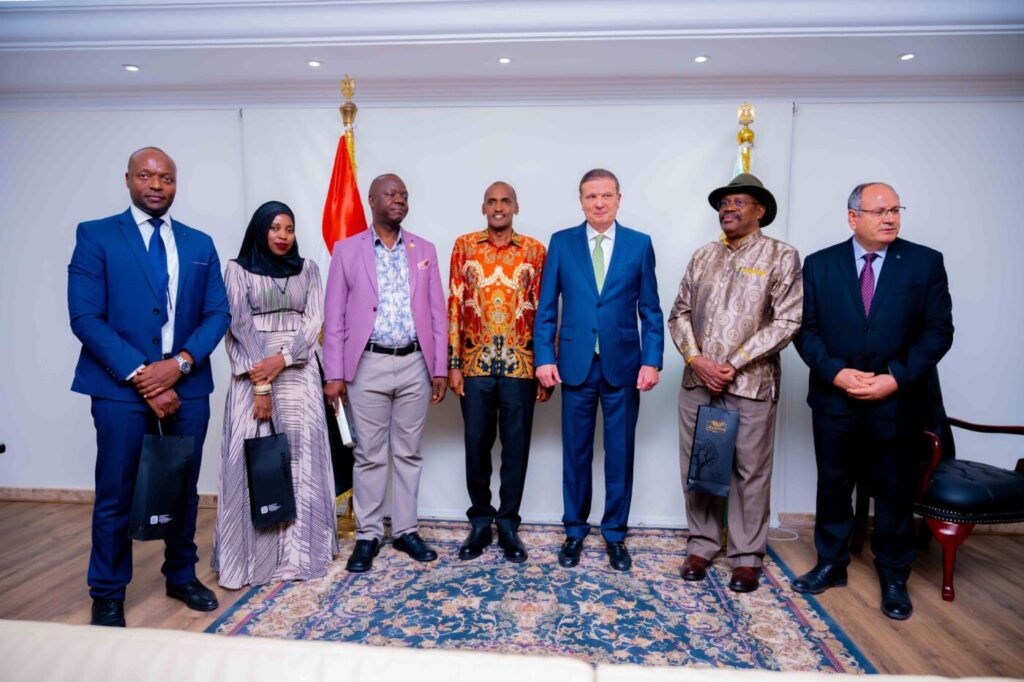
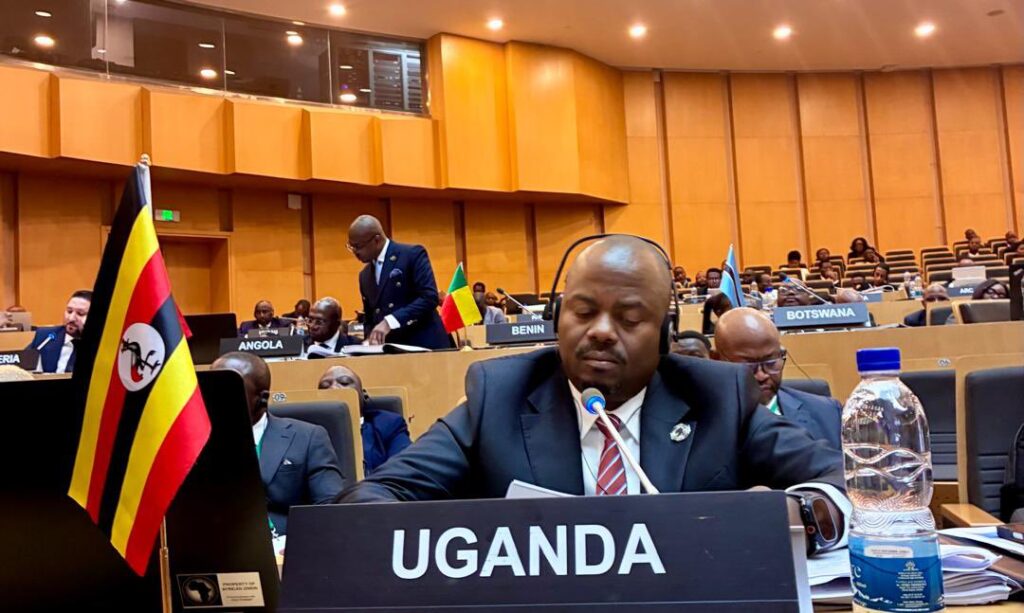
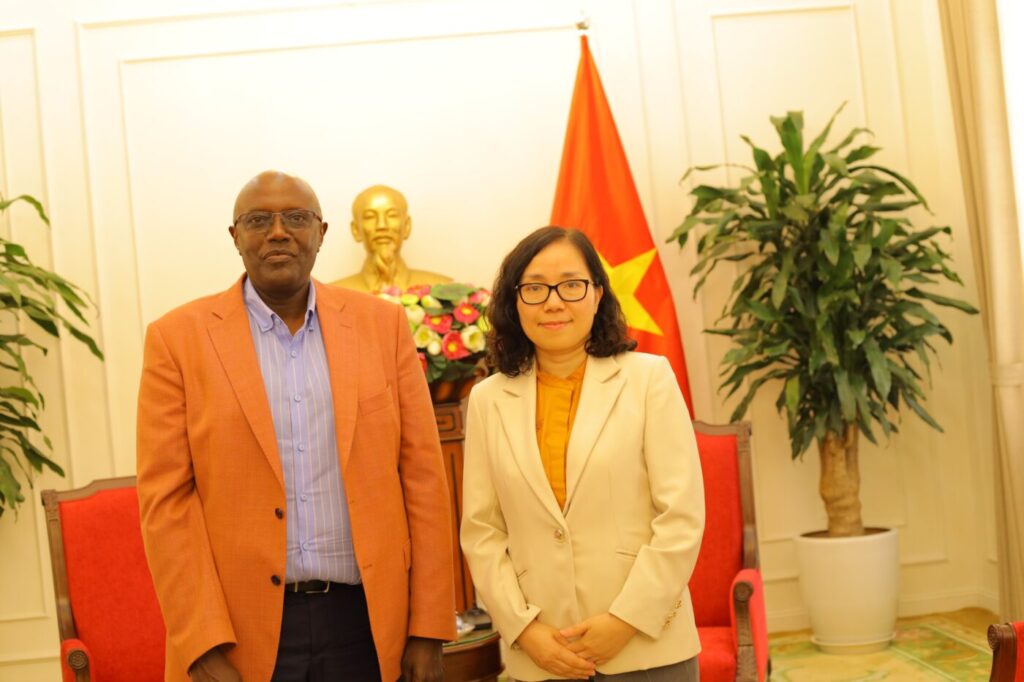
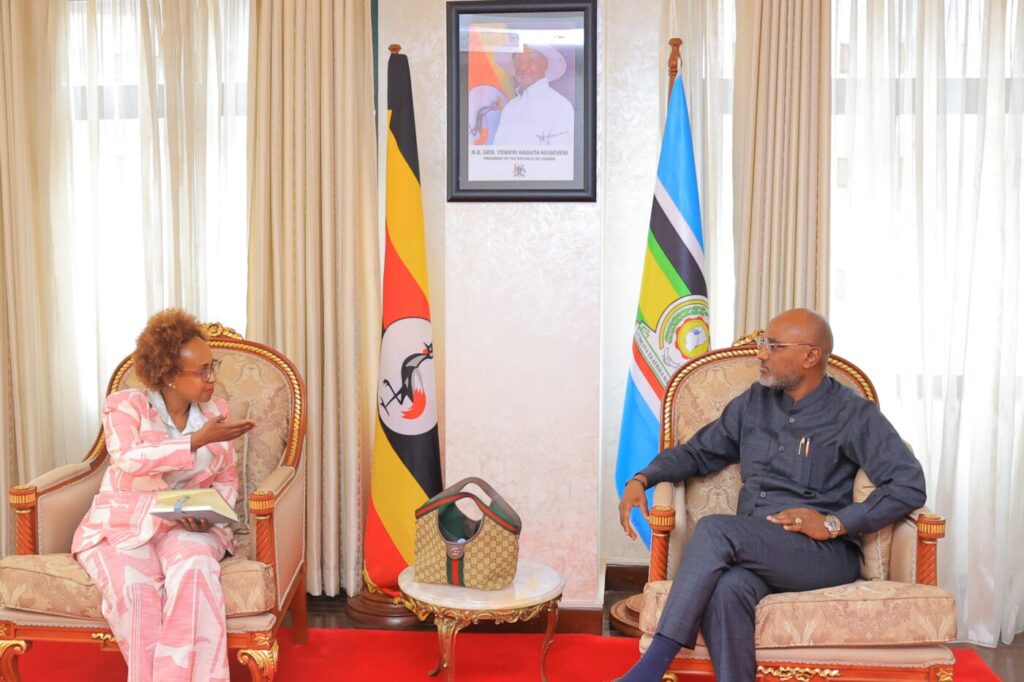
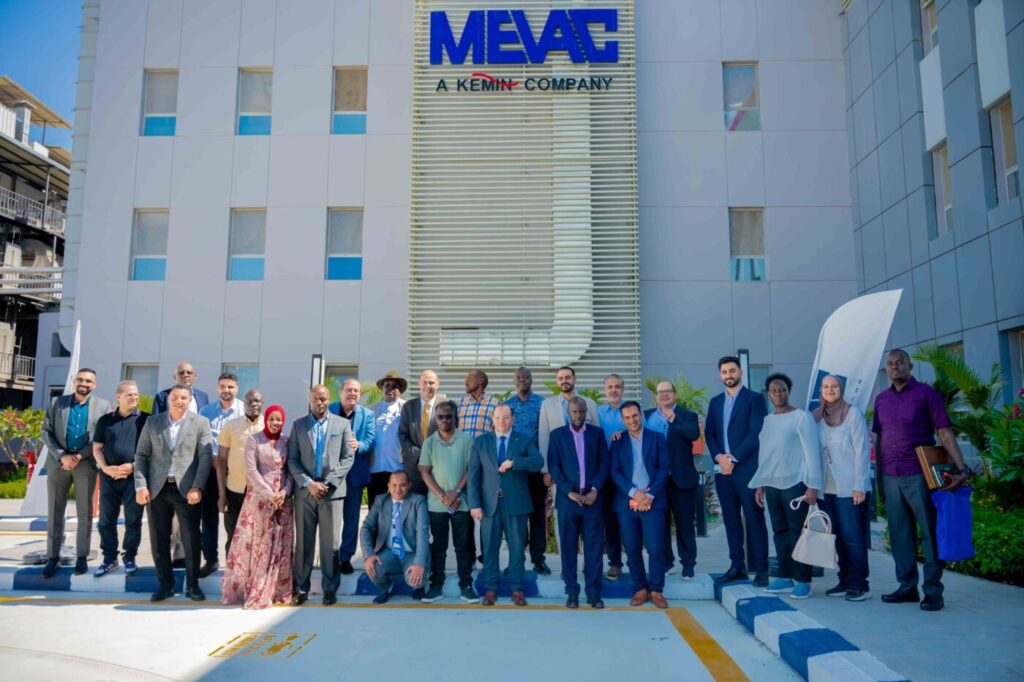
A high-level delegation from Uganda’s Ministry of Agriculture, Animal Industry and Fisheries (MAAIF), led by the Minister, Hon. Frank K. Tumwebaze, accompanied by the Minister of State for Fisheries, Hon. Robert Migadde, and the Permanent Secretary, Maj. Gen. David Kasura-Kyomukama, on 27 July 2026 visited the Middle East Veterinary Vaccines Company (MEVAC) in New Salhia City, Sharqia Governorate, Egypt, as part of Uganda’s strategic agenda to strengthen national animal health systems, enhance biosecurity, and advance the establishment of a domestic veterinary vaccine manufacturing industry.
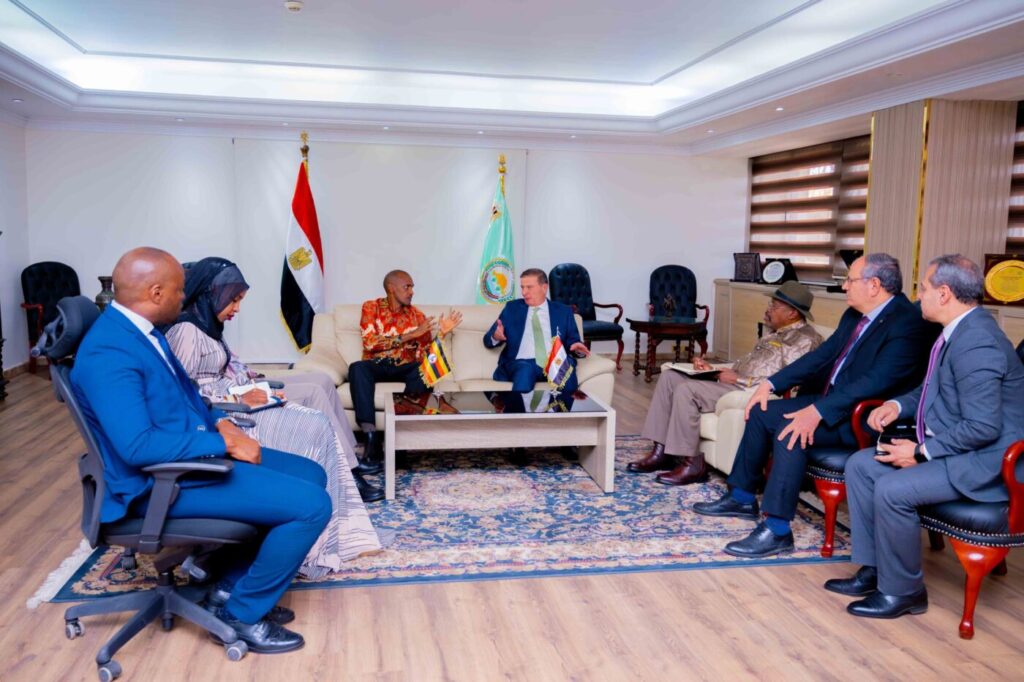
The delegation, accompanied by officials from the Embassy of the Republic of Uganda in Cairo, was received by MEVAC’s Chief Executive Officer, Dr. Ahmed El-Gammal, together with the company’s senior management, engineering specialists, and technical experts. The visit formed part of Uganda’s broader agricultural transformation agenda, which seeks to build resilient livestock production systems, promote value addition, strengthen food security, and reduce vulnerability to transboundary animal diseases through investments in science, innovation, and industrial capacity. It also reflects the growing scope of Uganda–Egypt bilateral cooperation in agriculture, technology, and industrial development.
During the introductory session, the Ugandan delegation received a comprehensive briefing on MEVAC’s institutional evolution, vaccine manufacturing capabilities, research and development programmes, quality assurance systems, and its contribution to animal health across Africa and international markets. Discussions underscored the company’s internationally recognized expertise in the production of high-quality veterinary vaccines and its continued investment in scientific innovation, biotechnology, and disease prevention.
A central focus of the engagement was the proposed establishment of a veterinary vaccine manufacturing facility in Uganda, a strategic initiative intended to strengthen national preparedness against livestock diseases while supporting regional animal health security. The two sides exchanged views on the technical, regulatory, financial, and operational frameworks required to implement the project, including investment modalities, technology transfer, human resource development, regulatory compliance, and knowledge exchange. The discussions also explored opportunities for long-term institutional collaboration aimed at developing Uganda’s domestic vaccine production ecosystem and strengthening national manufacturing capabilities.
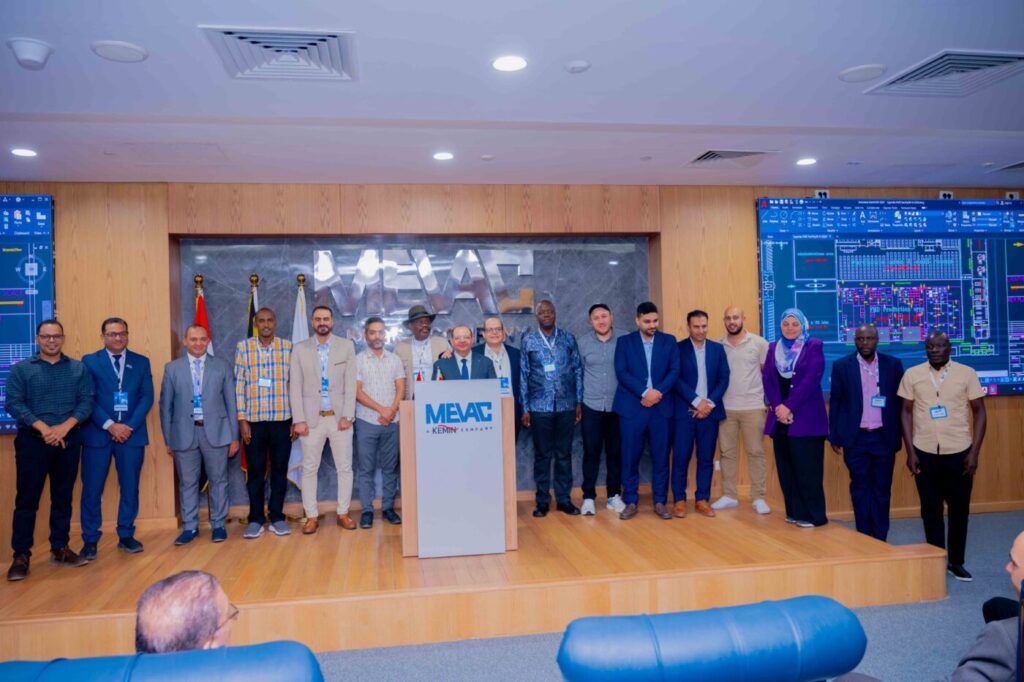
Following a working luncheon, the delegation toured MEVAC’s state-of-the-art production complex, where they observed internationally accredited manufacturing processes, advanced laboratory systems, quality assurance mechanisms, biosafety and biosecurity protocols, cold-chain infrastructure, and emergency response systems that underpin the company’s vaccine production operations. The visit provided valuable insights into global best practices in veterinary pharmaceutical manufacturing and reinforced Uganda’s commitment to adopting internationally recognized standards in the development of its own vaccine production capacity.
The engagement concluded with a high-level boardroom meeting during which both parties reviewed the outcomes of the visit and discussed a structured implementation roadmap for the proposed vaccine manufacturing facility in Uganda. Deliberations focused on institutional partnerships, regulatory harmonization, investment frameworks, technology transfer arrangements, and phased implementation milestones necessary to ensure the successful realization of the project.
The visit reaffirmed the shared commitment of the Government of the Republic of Uganda and MEVAC to deepening cooperation in veterinary science, biotechnology, and livestock health as pillars of sustainable agricultural transformation. The proposed facility is expected to strengthen Uganda’s capacity to produce quality veterinary vaccines locally, enhance national and regional disease surveillance and response, reduce dependence on imported veterinary biological products, improve access to affordable animal health interventions, and contribute to food security, export competitiveness, and economic resilience.
Beyond its national significance, the initiative aligns with Uganda’s broader industrialization agenda, the African Union’s aspirations for strengthened continental health security, and regional efforts to expand local pharmaceutical and biotechnology manufacturing. Once operational, the facility is expected to position Uganda as a strategic centre for veterinary vaccine production and distribution in East Africa, supporting regional integration, agricultural resilience, and sustainable economic development.