HANOI, VIETNAM
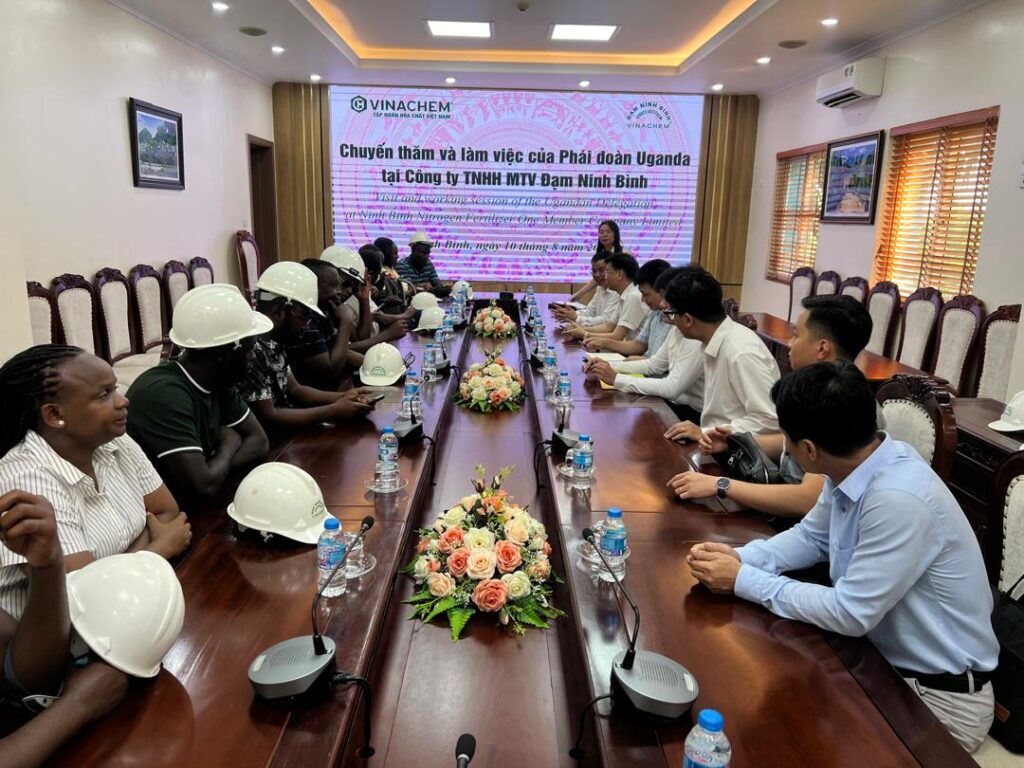
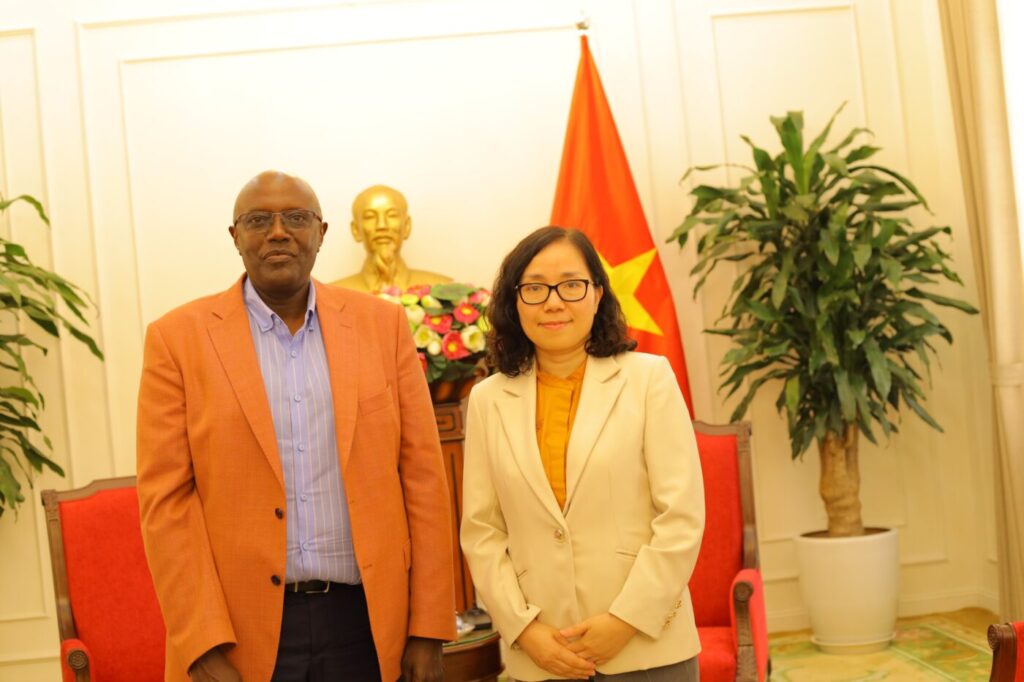
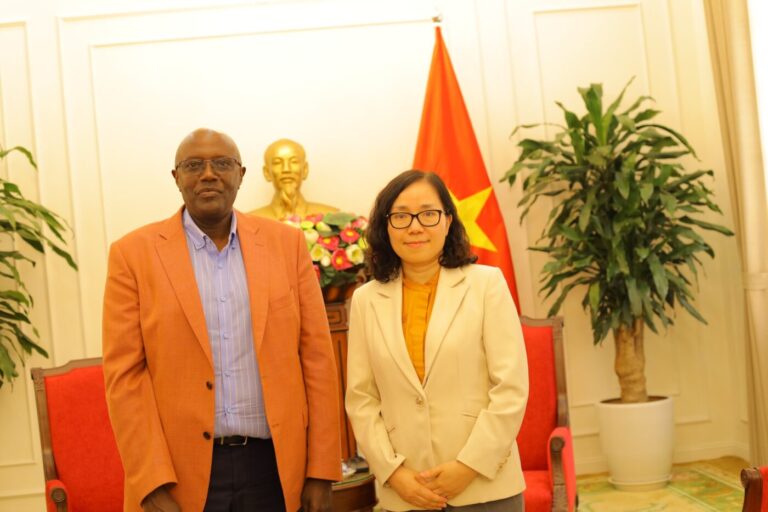
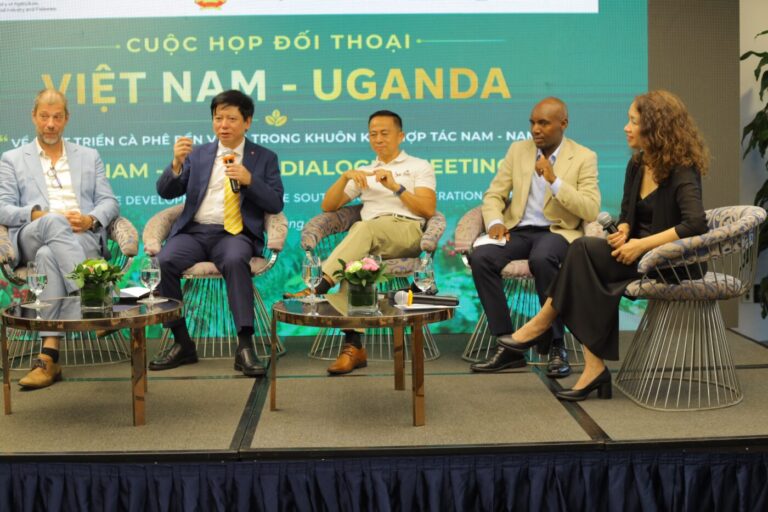
Uganda deepened its economic engagement with Vietnam by exploring opportunities in agriculture, technology transfer, investment and industrial development aimed at translating bilateral relations into practical outcomes for sustainable economic transformation. During engagements with Vichachem, a Vietnamese fertiliser manufacturer, the Ugandan delegation examined prospects for cooperation in fertiliser production, technical expertise, technology transfer and knowledge exchange. The discussions aligned with Uganda’s priorities of strengthening domestic productive capacity, reducing dependence on imported agricultural inputs, promoting value addition and enhancing agricultural competitiveness.
Agriculture remained central to Uganda’s economy, accounting for about 24 percent of GDP and 35 percent of export earnings in FY2022/23. The sector therefore remained critical to livelihoods, employment, food security and export growth. Uganda’s agricultural potential was further reflected in the performance of coffee. In FY2024/25, the country exported approximately 7.8 million 60-kilogram bags valued at about US$2 billion, compared with 6.1 million bags worth US$1.1 billion in FY2023/24. Coffee accounted for 20.8 percent of Uganda’s exports during FY2024/25. By October 2025, coffee exports over the preceding 12 months had reached approximately 8.4 million bags valued at US$2.4 billion.
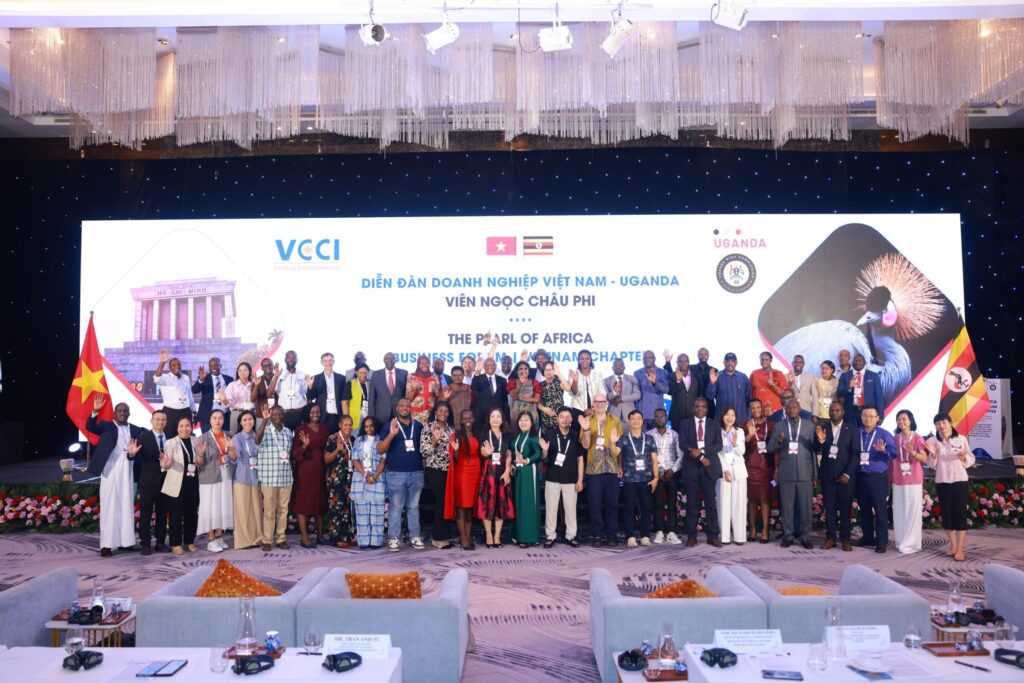
These trends underscored the importance of improved access to fertilizers, modern technologies, quality inputs, research and technical knowledge. Cooperation with Vietnamese enterprises could support Uganda’s transition from exporting predominantly raw commodities towards increased processing, manufacturing and value addition across strategic agricultural value chains. The delegation also explored technology cooperation during a visit to the MK Smart Card Factory in Hanoi, ahead of the Pearl of Africa Business Forum and Expo. The engagement provided insights into Viet Nam’s experience in smart-card manufacturing, digital innovation and technology-driven solutions. The engagements reflected Uganda’s broader Economic and Commercial Diplomacy strategy of leveraging international partnerships to attract investment, facilitate technology transfer and strengthen domestic industrial capacity.
By linking Vietnamese expertise and investment with Uganda’s agricultural resources, expanding market and strategic position within the East African Community, Uganda–Viet Nam cooperation held potential to advance food security, industrialisation, export diversification, employment and sustainable economic growth.