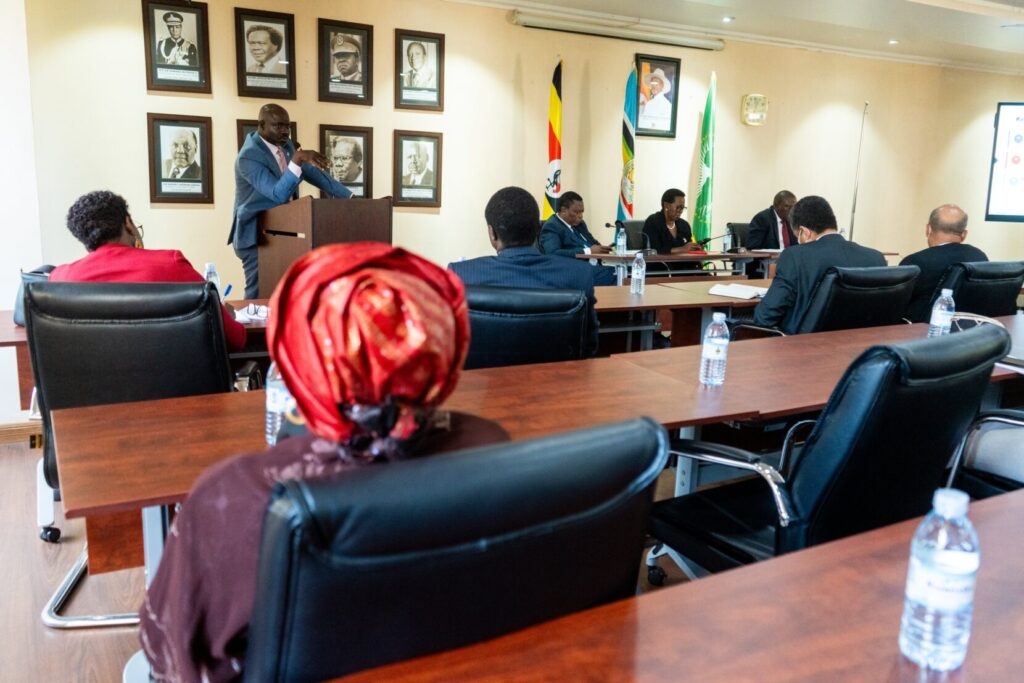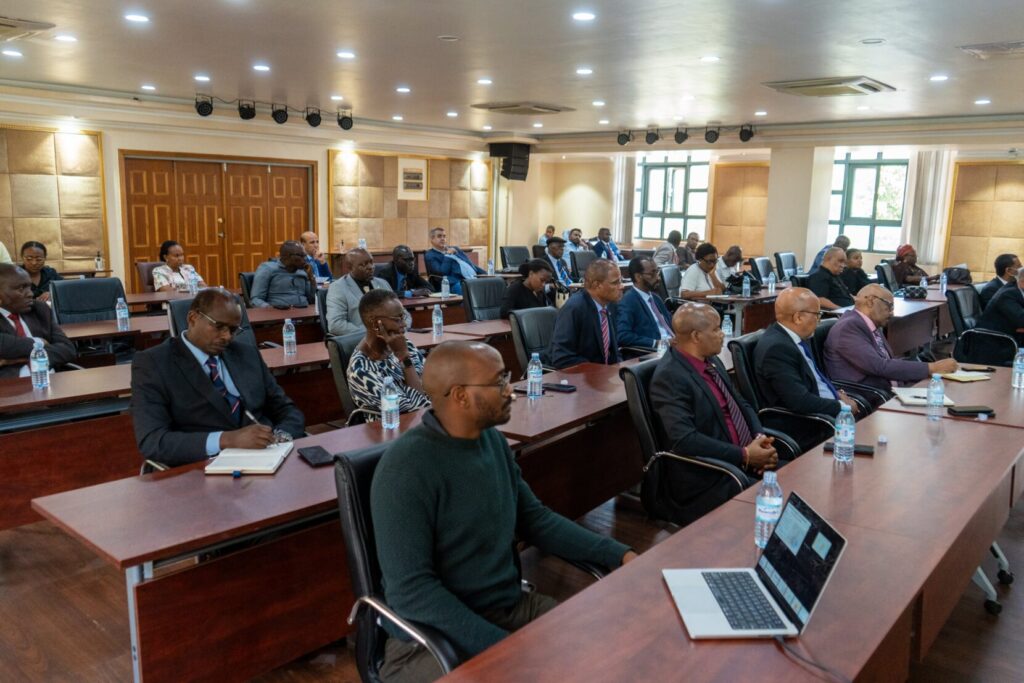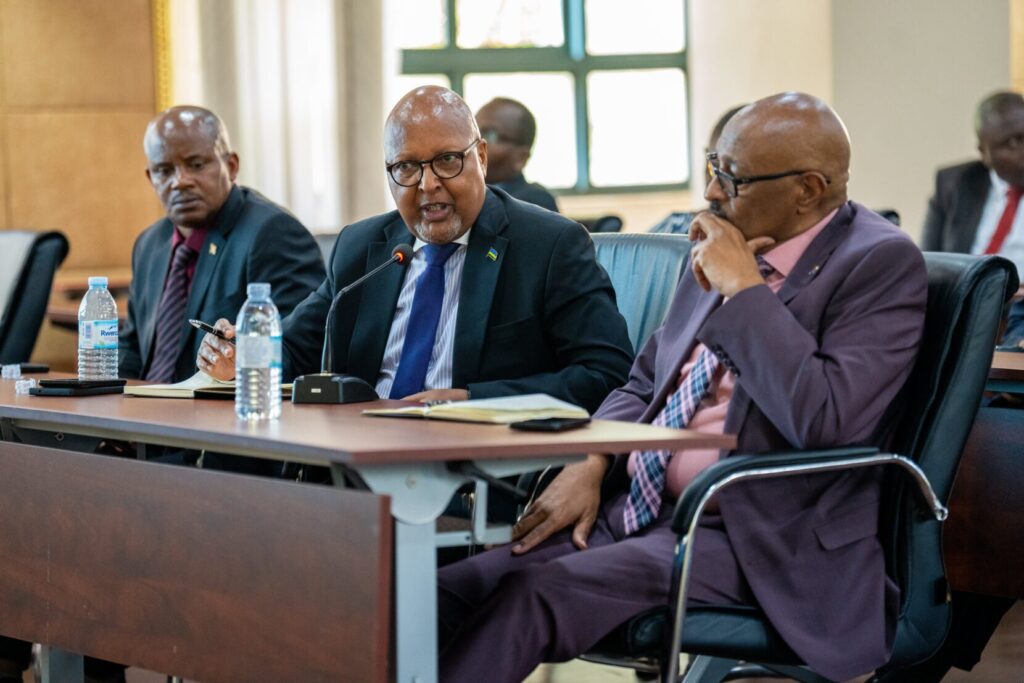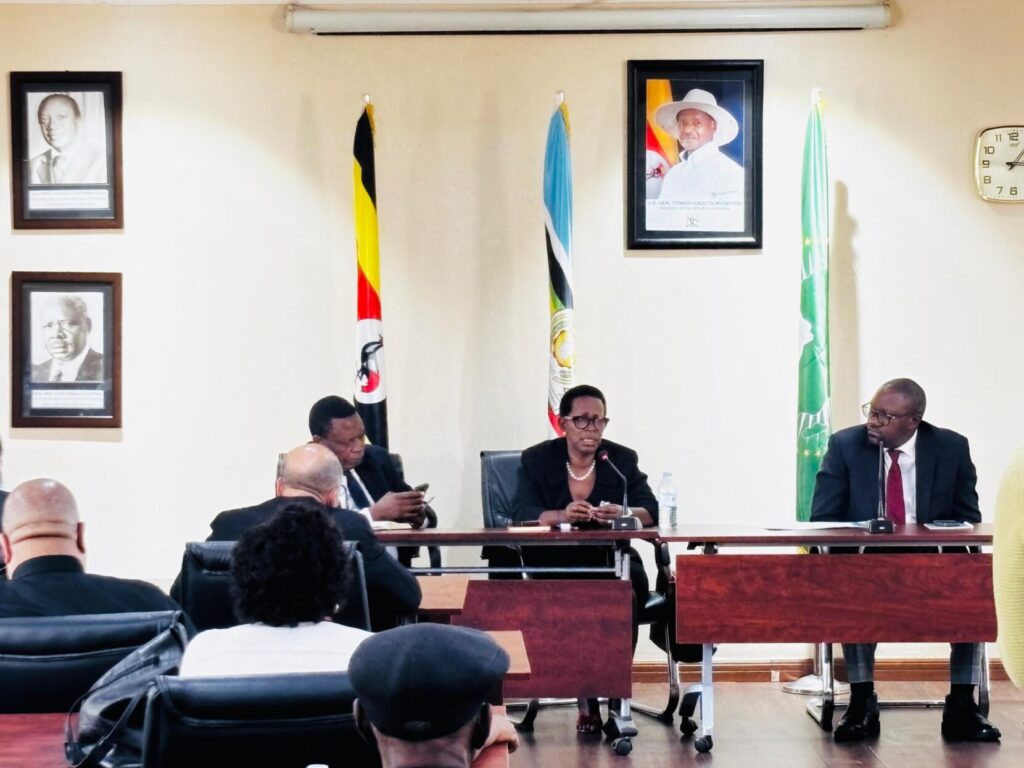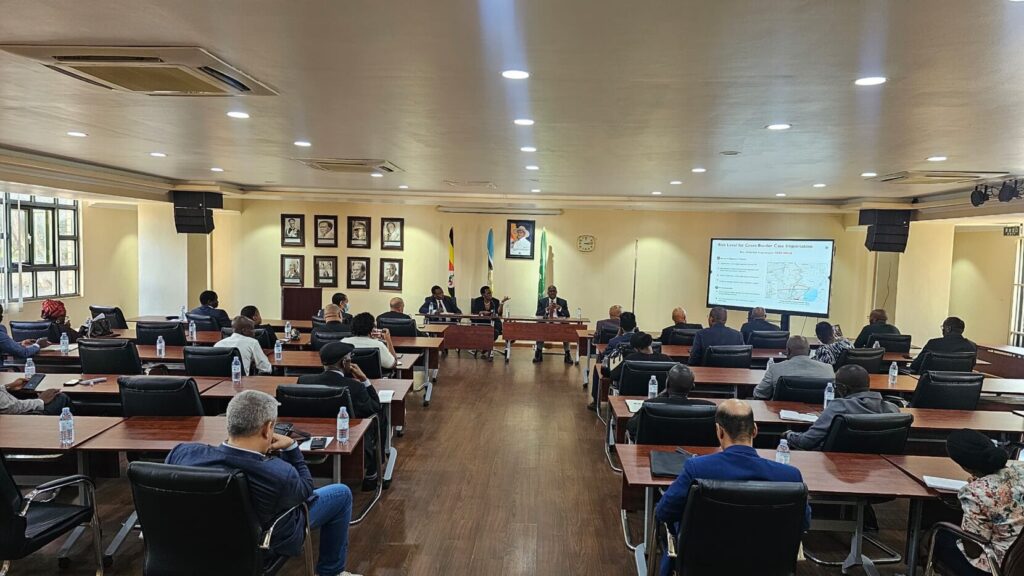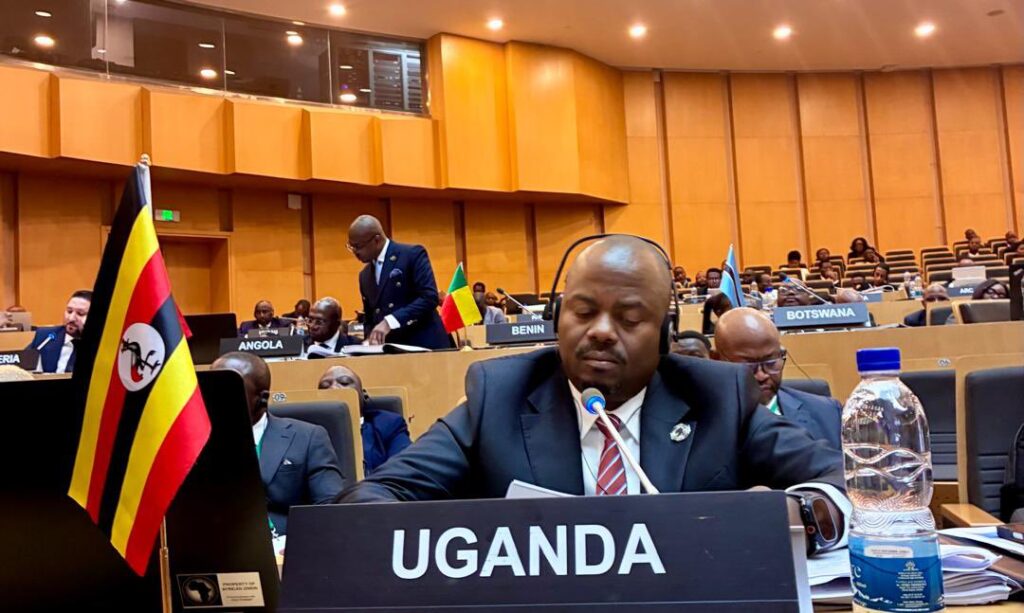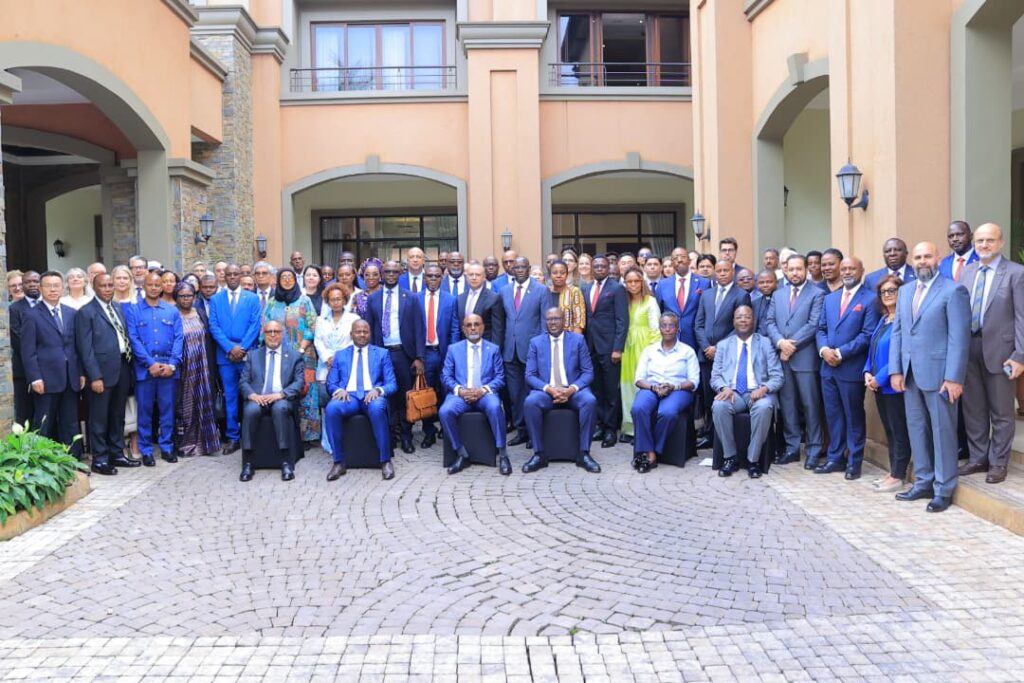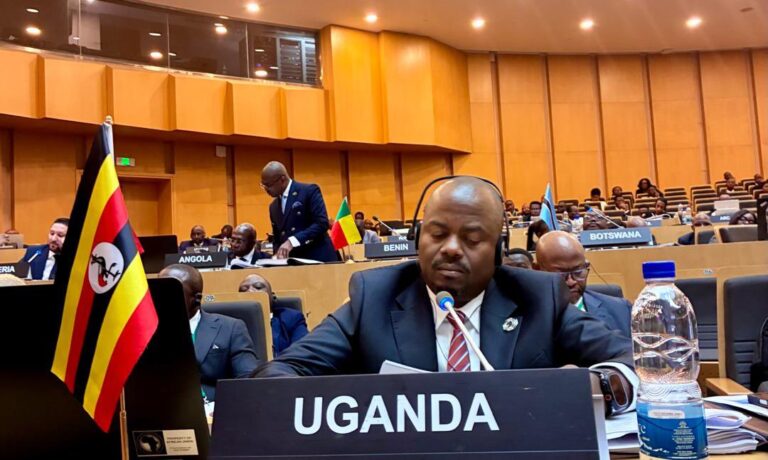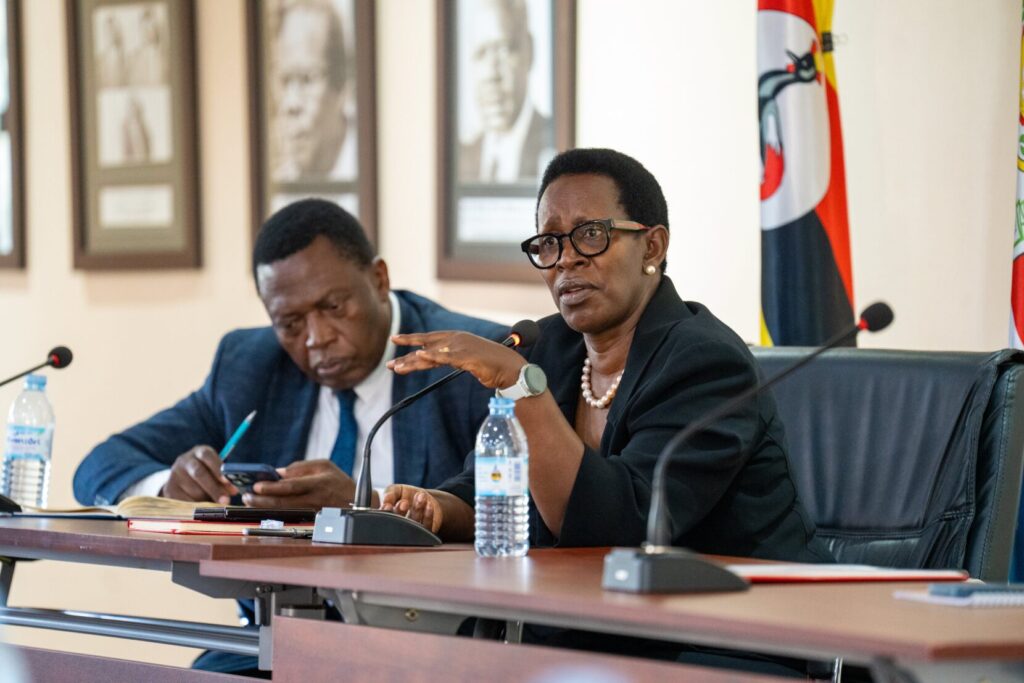
Kampala, Uganda – The Ministry Of Foreign Affairs and the Ministry of Health held a joint briefing of the African Diplomatic Corps in Kampala on the Ebola situation in Uganda. During the briefing, Dr. Diana Atwine, Permanent Secretary at the Ministry of Health, outlined the measures being implemented to contain the spread, emphasising Uganda’s extensive experience in managing infectious diseases and its well-established public health response systems in the region.
Dr. Atwine noted that Uganda has successfully dealt with multiple disease outbreaks over the years, building robust surveillance, testing, contact tracing, and emergency response mechanisms that have enabled authorities to respond swiftly and effectively whenever public health threats emerge. She further said that majority of the confirmed Ebola cases were imported, and more than 90 percent of individuals who later tested positive were already under institutional quarantine at the time of diagnosis. Dr. Atwine explained, the effectiveness of Uganda’s surveillance and containment strategies, which have significantly reduced the risk of further transmission within communities.
Dr. Atwine reaffirmed Uganda’s commitment to transparency and timely reporting of public health information, stressing that openness and cooperation remain critical in managing disease outbreaks and maintaining public confidence. Addressing concerns over international travel restrictions, she cautioned against blanket travel bans and broad advisories that are not supported by scientific evidence. She noted that while several countries, including Botswana, have strengthened screening and surveillance measures for travelers arriving from or transiting through affected areas, overly restrictive measures can undermine global outbreak response efforts, discourage timely reporting, and negatively impact economic and social activities.
Dr. Atwine further called upon the international community to support evidence-based public health interventions and to work collectively in strengthening regional disease surveillance systems. Recognizing the cross-border nature of disease outbreaks, Uganda emphasised the importance of enhanced collaboration with the neighboring Democratic Republic of the Congo (DRC), particularly in areas of information sharing, border monitoring, and coordinated response efforts.
The briefing underscored Uganda’s continued vigilance, preparedness, and commitment to protecting public health while maintaining regional and international cooperation in addressing emerging health challenges.