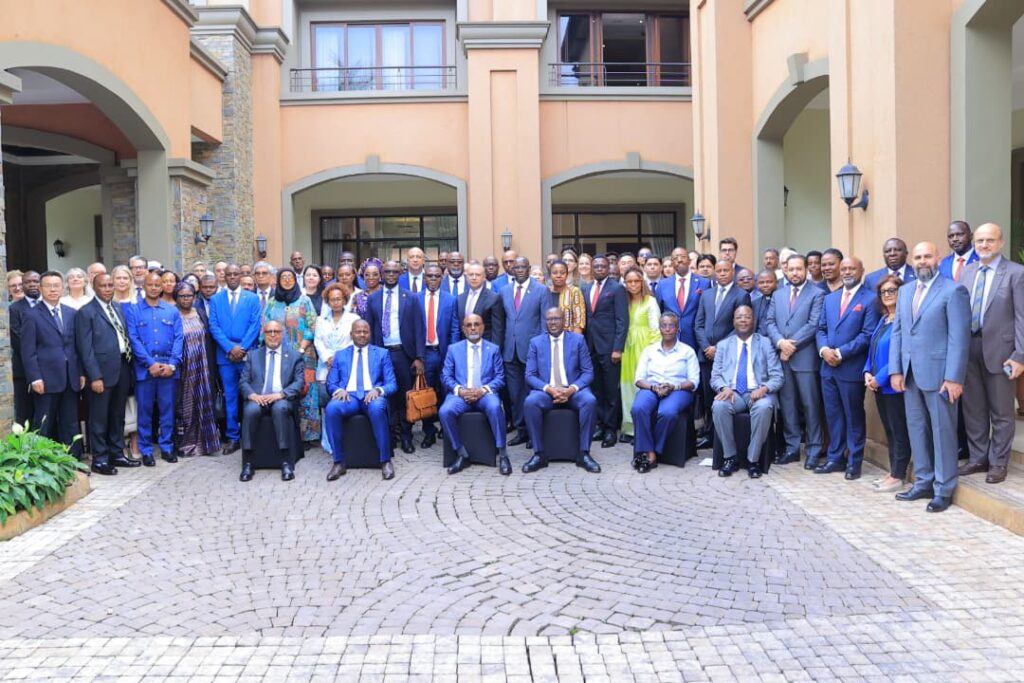
Kampala, Uganda – The Governments of Uganda and the United States officially convened the inaugural meeting of the Joint Health Steering Committee (JHSC), marking a significant milestone in the implementation of the five-year, $2.3 billion Health Memorandum of Understanding (MOU) signed in December 2025.
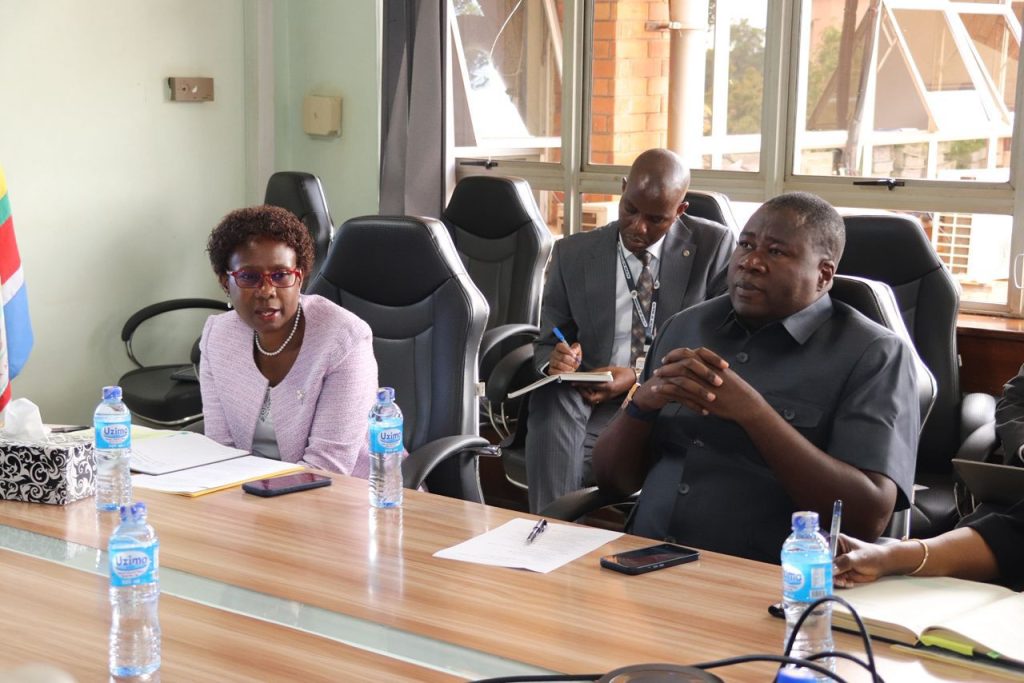
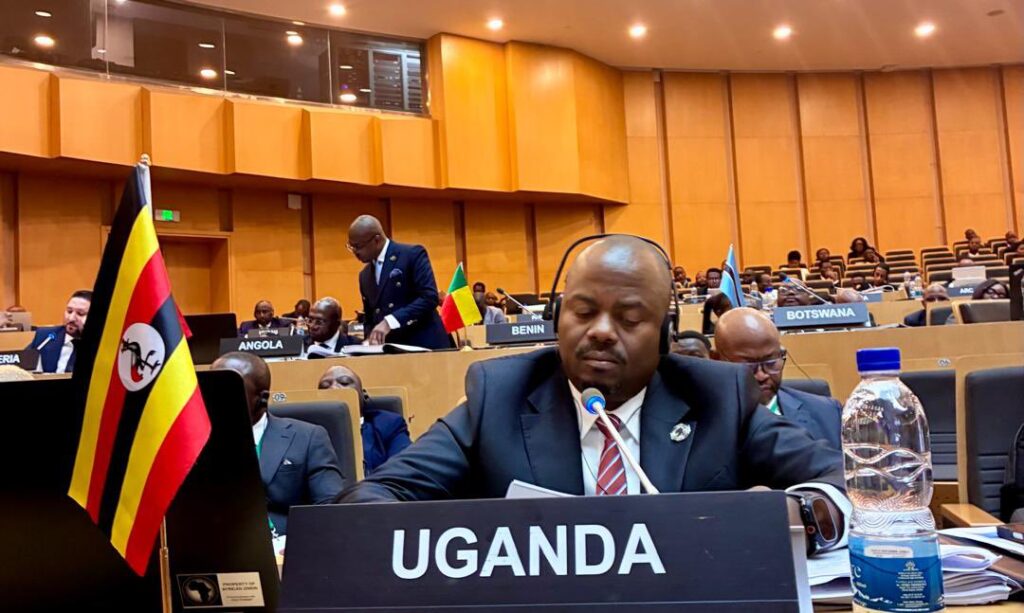
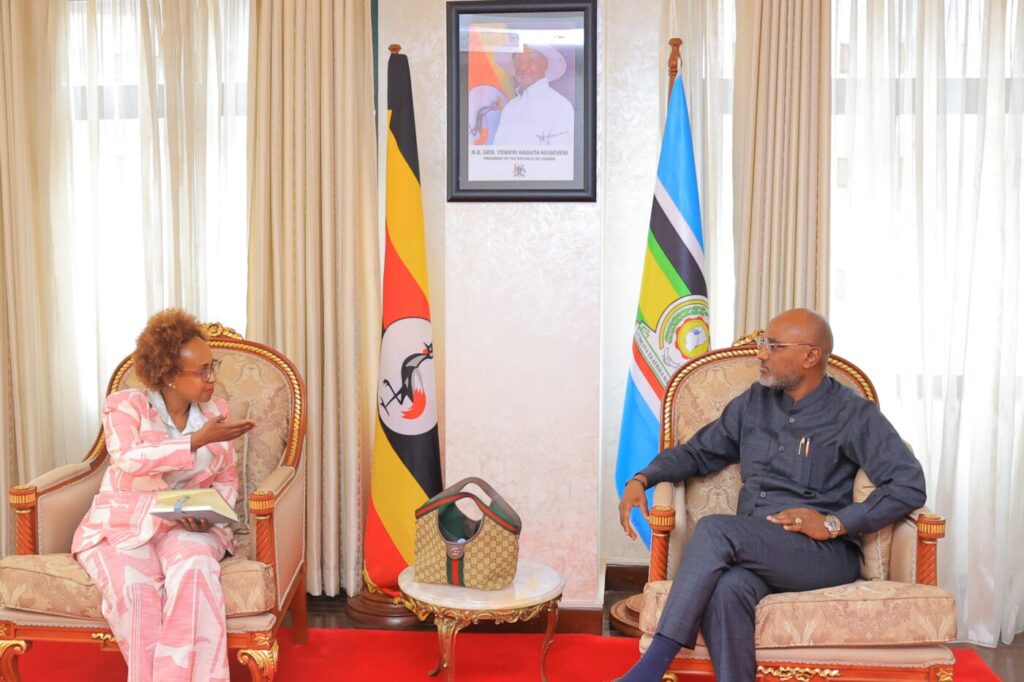
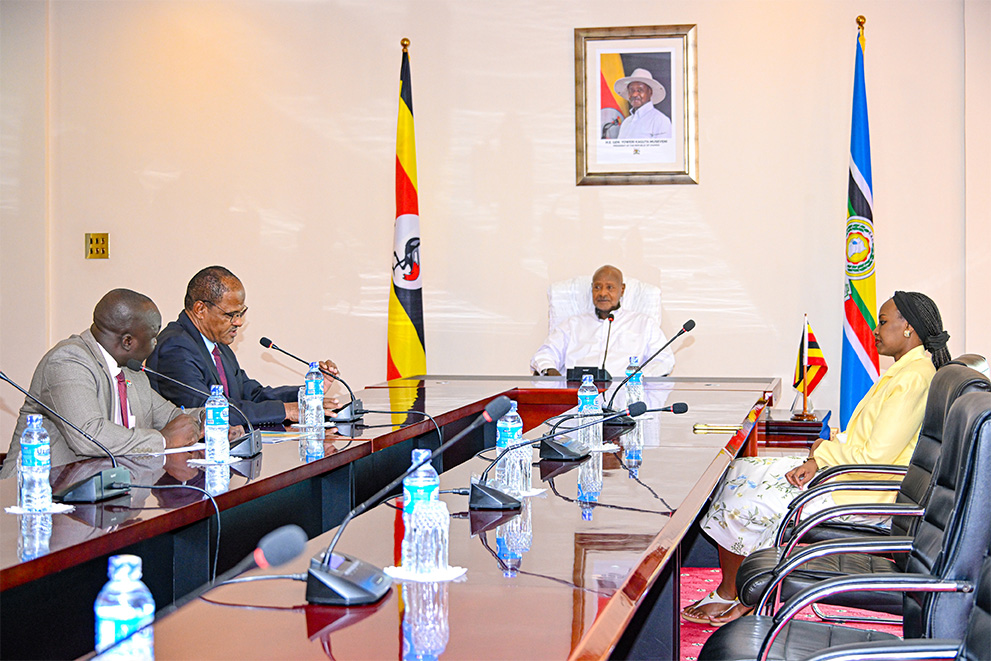
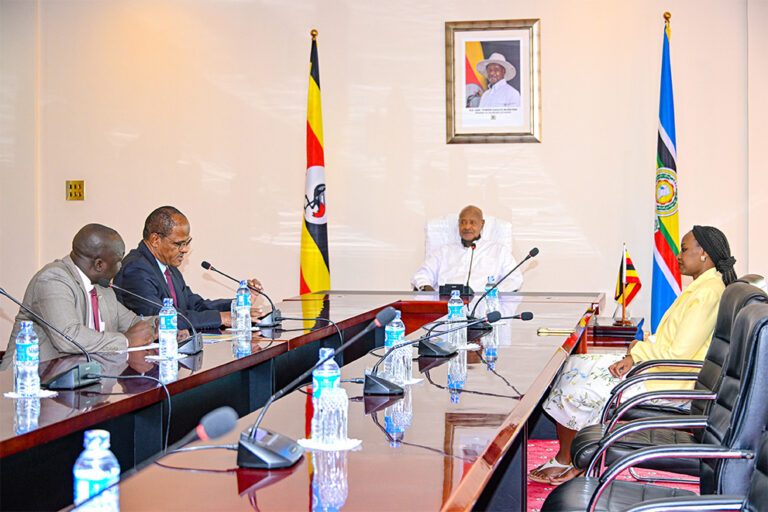
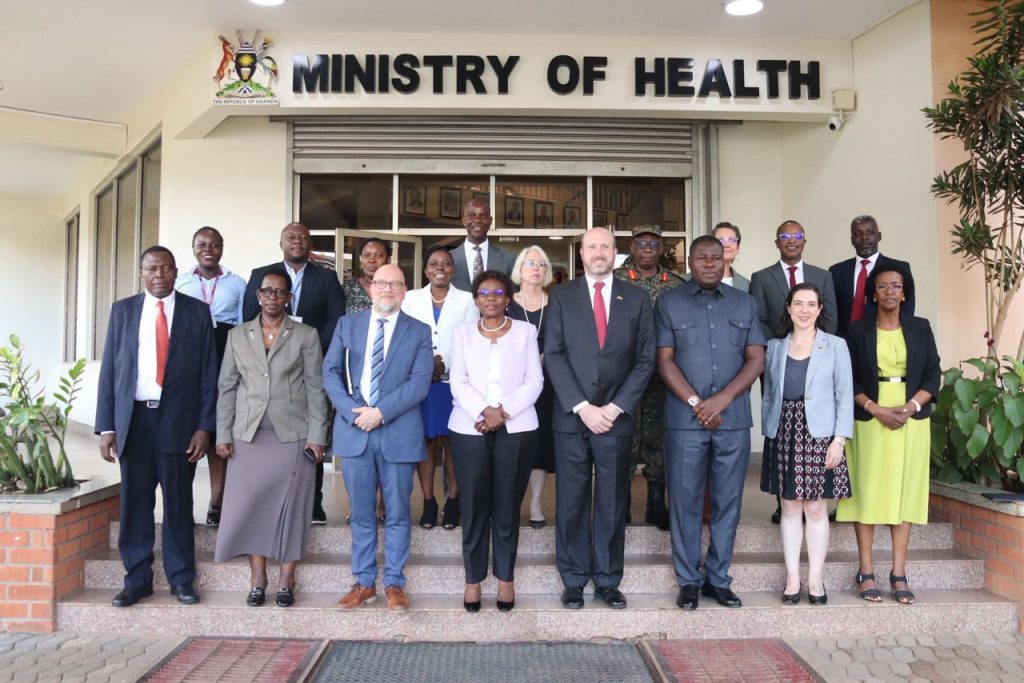
The meeting, held in Kampala on May 8, 2026, was co-chaired by H.E Amb. William W. Popp the Amrican Ambassador to Uganda and Hon Jane Ruth Aceng Ocero the Minister Of Health. The Joint Health Steering Committee will serve as the principal governance mechanism overseeing the intended co-investment of more than $1.7 billion from the United States and $577 million from Uganda aimed at strengthening Uganda’s healthcare system and combating infectious diseases. The partnership focuses on addressing critical public health challenges including malaria, HIV/AIDS, tuberculosis, and polio, while simultaneously improving maternal and child health services, strengthening national health systems for global health security, and enhancing institutional and workforce capacity to foster greater Ugandan self-reliance.
The JHSC is expected to provide strategic oversight for the implementation of the MOU once the Implementation Plan is formally endorsed. The plan outlines the trajectory for approximately $410 million in U.S. health assistance during the first year, alongside Uganda’s co-investment commitments. It also seeks to expand government-to-government implementation frameworks to promote sustainability and long-term impact. Speaking during the meeting, Ambassador Popp underscored the strategic importance of the partnership, noting that the initiative aligns with the Trump Administration’s America First Global Health Strategy. He emphasised that strengthening local health systems and addressing disease threats at their source serves the interests of both nations while promoting sustainable bilateral cooperation.
Minister Aceng reaffirmed Uganda’s commitment to building a resilient and sustainable health sector capable of serving all Ugandans. She highlighted the importance of transparency, accountability, and alignment with Uganda’s National Development Plan IV and Vision 2040 in ensuring the partnership delivers measurable outcomes. The Joint Health Steering Committee will oversee key functions including policy alignment with Uganda’s national health priorities and applicable laws, monitoring performance and risks, strengthening financial accountability, coordinating stakeholders across both governments, and promoting efficiency and transparency in health financing and implementation.
Priority areas identified under the partnership include strengthening support for frontline healthcare workers and essential medical commodities, improving health data systems and epidemiological monitoring, transitioning technical assistance toward government-led systems, and implementing a performance-based approach linking continued support to agreed benchmarks and health outcomes. Both governments acknowledged that the success of the partnership will extend beyond disease-specific achievements and will ultimately be measured through stronger national systems, improved institutional capacity, and sustainable public health outcomes. Through the Joint Health Steering Committee, Uganda and the United States reaffirmed their shared commitment to strategic coordination, transparent governance, and long-term collaboration in advancing global health security and public health resilience.