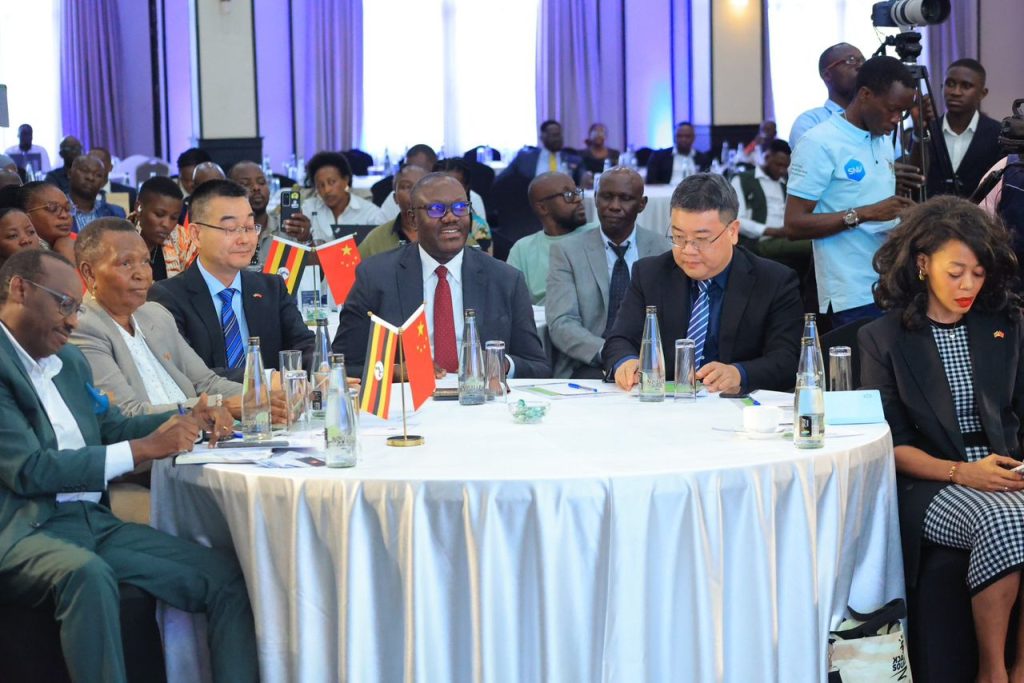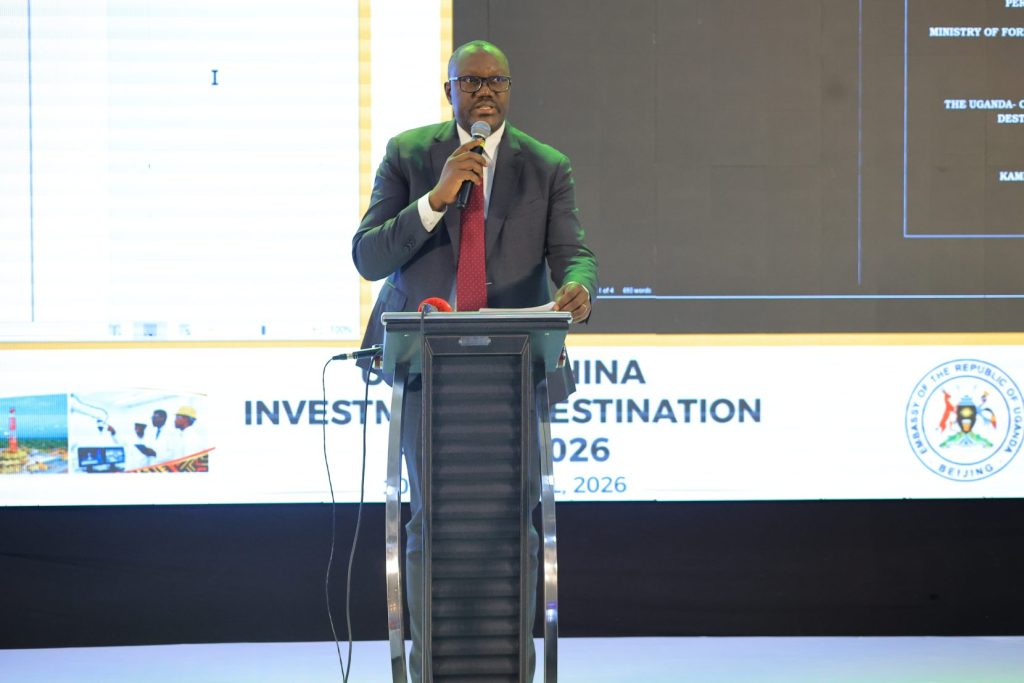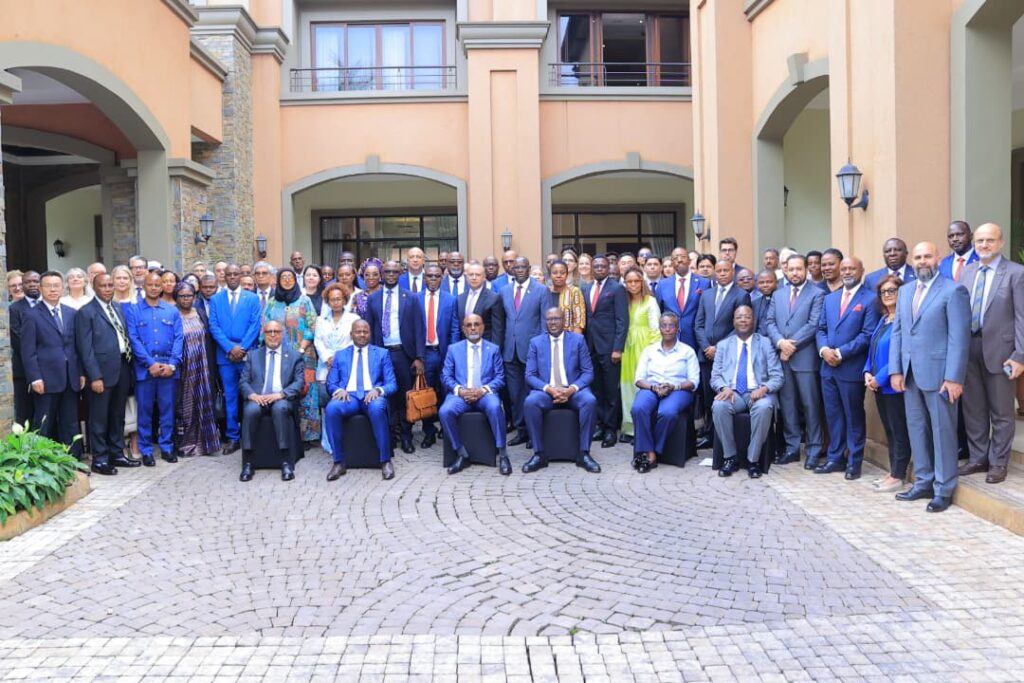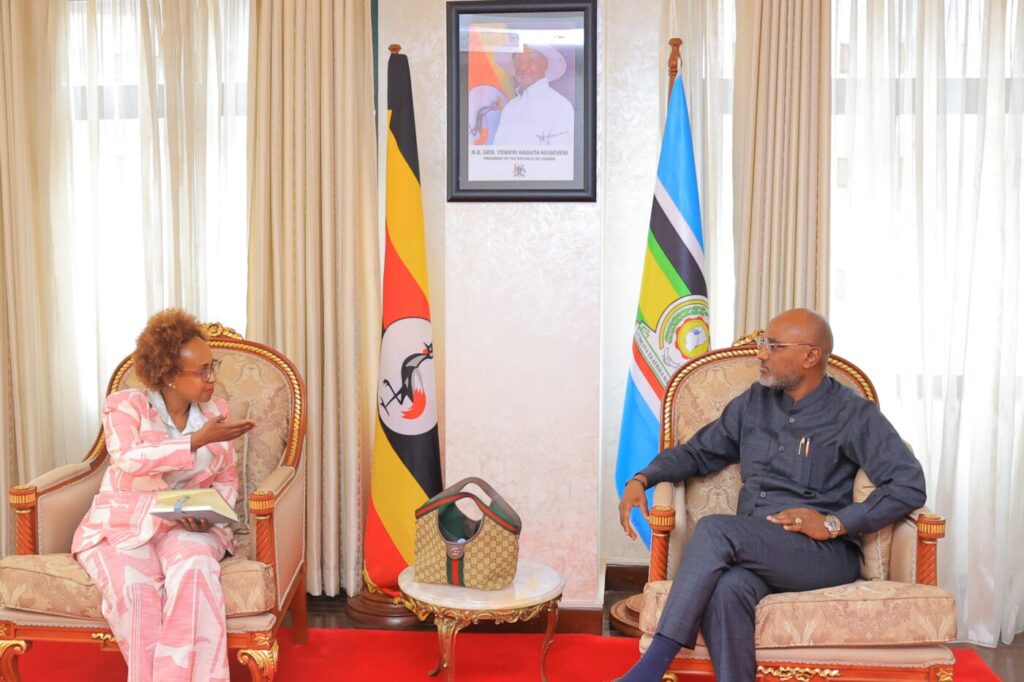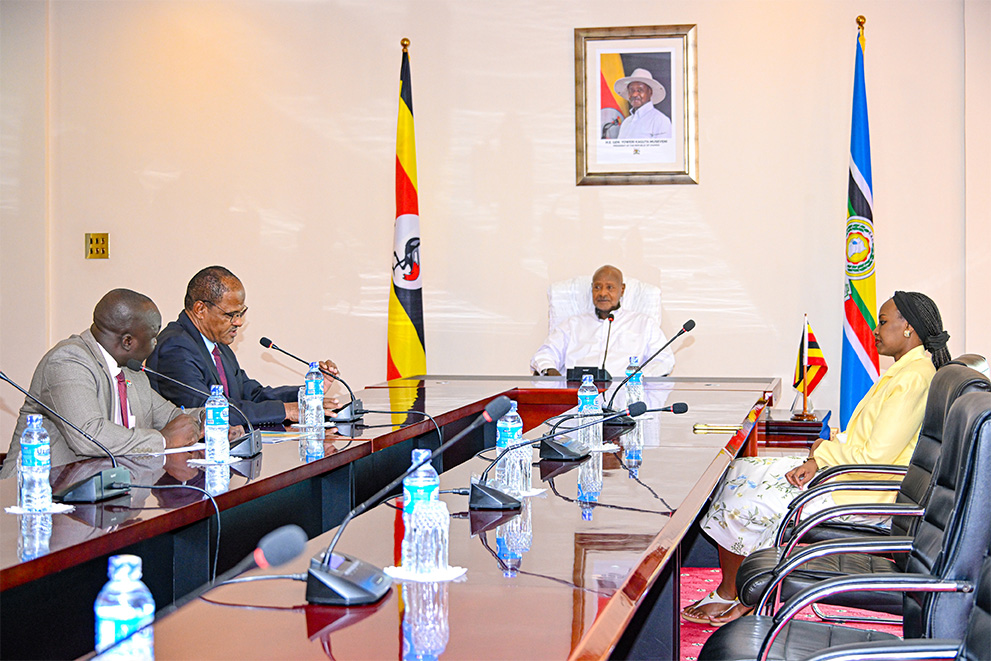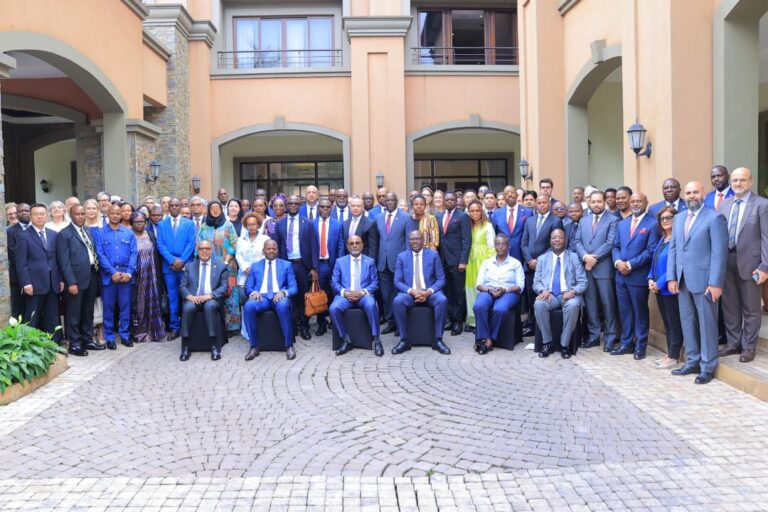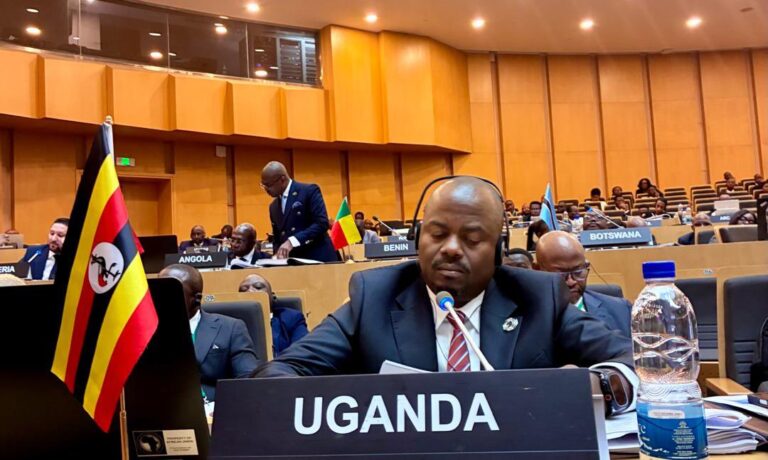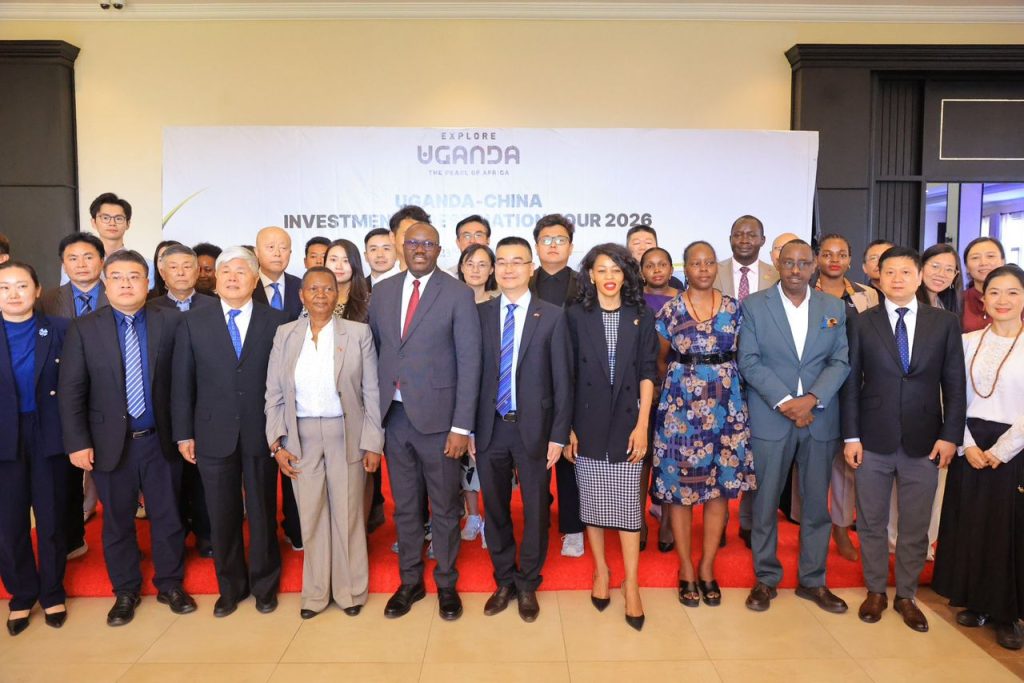
Kampala, Uganda – The Uganda–China Coffee Investment and Destination Conference 2026 held at Mestil Hotel, marked the official conclusion of the Uganda–China Coffee and Destination Tour 2026. This nationwide tour, which ran from April 10th to April 23rd, 2026, provided a comprehensive immersion into Uganda’s investment landscape, spanning agriculture, tourism, manufacturing, and mineral development.
The Chinese delegation traversed multiple strategic destinations across the country, including the Source of the Nile, Sino-Uganda Mbale Industrial Park, Sipi Falls, Wagagai Gold and Oil Refinery Ltd, Liaoshen Industrial Park in Kapeeka, Ankole Coffee Producers Cooperative Union, Bwindi Impenetrable National Park, and Clarke Coffee Farm and Estate. The tour offered first-hand exposure to Uganda’s vast investment opportunities and sectoral potential.
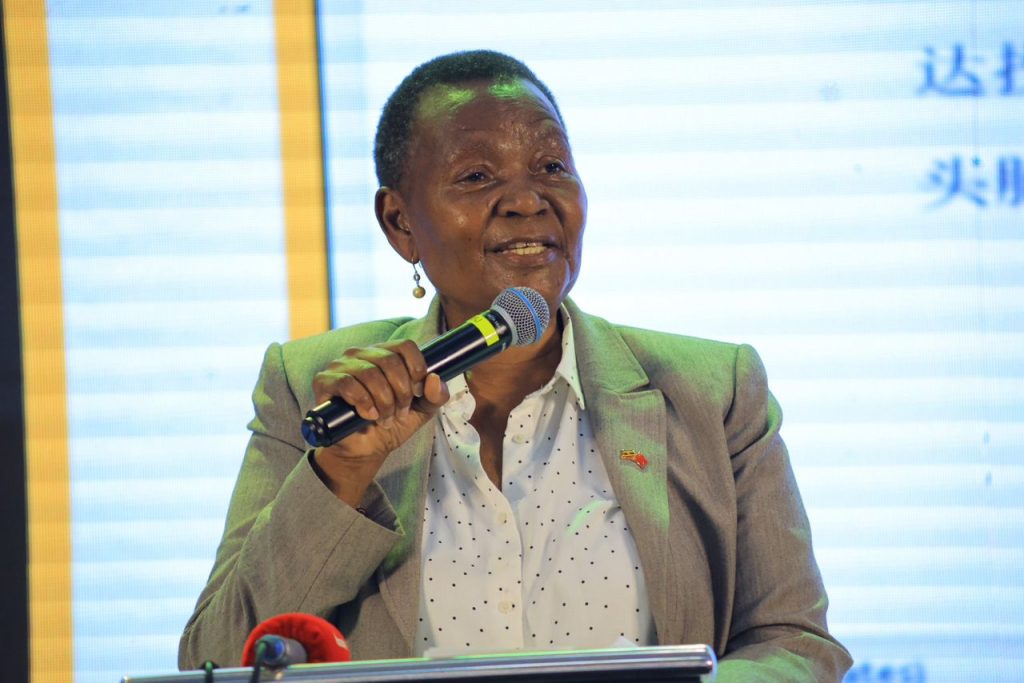
In her opening remarks, Amb. Oliver Wonekha, Head of Uganda’s Embassy in Beijing, emphasised the mission’s transition “from awareness to immersion,” highlighting that Uganda’s coffee exports to China increased by over 63% following the 2025 Awareness Tour. She underscored that meaningful investment decisions are driven by on-ground experiences rather than remote engagements. Ambassador Wonekha further outlined Uganda’s ATMS development agenda Agro-industrialisation, Tourism, Mineral-based industrial development, and Science, Technology and Innovation as the backbone of the country’s integrated investment strategy. She called on stakeholders to translate engagements into tangible investments and commercial partnerships.
Fan Xuecheng, Chargé d’Affaires of the Embassy of the People’s Republic of China in Uganda, commended Uganda’s political stability, visionary leadership, and youthful population as key drivers of economic growth. He encouraged Chinese enterprises to explore Uganda’s investment opportunities while supporting the Buy Uganda Build Uganda (BUBU) policy championed by president Yoweri Kaguta Museveni. He also noted ongoing efforts by the Chinese government to expand import protocols for Ugandan agricultural products, including avocados, further strengthening bilateral trade ties.
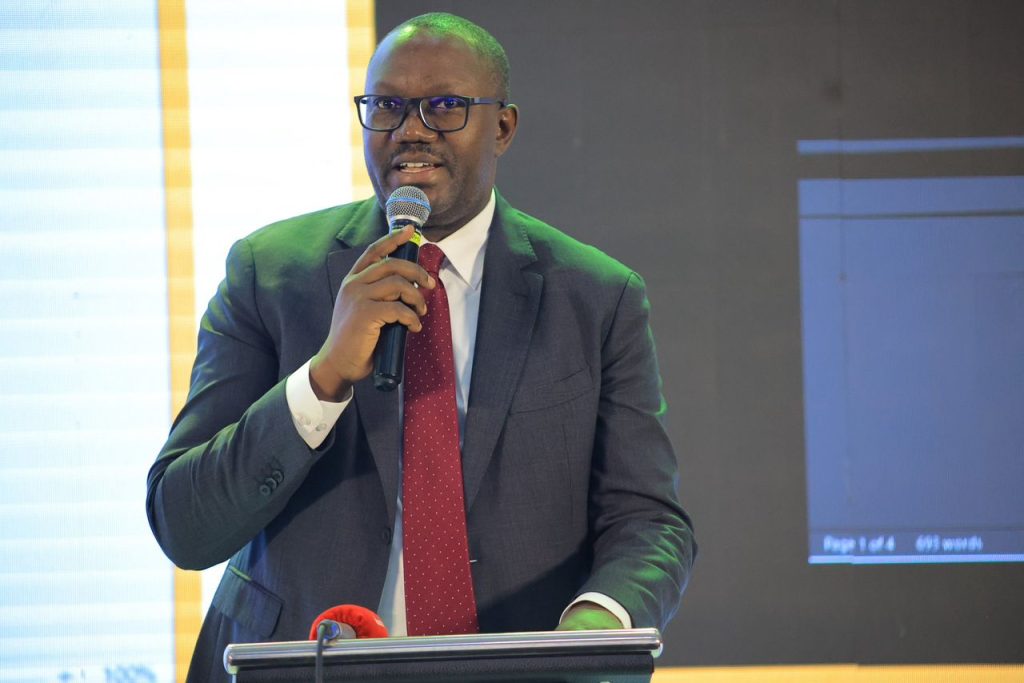
In his remarks, Mr. Bagiire Vincent Waiswa, the Permanent Secretary at the Ministry of Foreign Affairs, highlighted that the tour built upon the success of the 2025 Coffee Awareness Tour and represents a shift towards concrete investment engagement. He reaffirmed Uganda’s commitment to fostering mutually beneficial partnerships under frameworks such as the Forum on China–Africa Cooperation (FOCAC) and the Belt and Road Initiative. He further emphasised Uganda’s alignment with its Fourth National Development Plan and Tenfold Growth Strategy, assuring investors of a stable, open, and investment-ready environment.
A series of technical presentations showcased Uganda’s investment potential across sectors. Rita Nabateregga Mugula from the Uganda Investment Authority highlighted Uganda’s investor-friendly climate, including incentives, streamlined processes, and one-stop centre services. Okir Alfred from the Ministry of Agriculture, Animal Industry and Fisheries outlined Uganda’s position as the leading exporter of Robusta coffee in Africa, with production estimated at 9.3 million bags and exports valued at USD 2.2 billion. He emphasised investment opportunities in value addition, processing, and industrial infrastructure such as the Luwero Coffee Industrial Park.
Sharing investor perspectives, Zhang Hao of the Liaoshen Industrial Park in Kapeeka highlighted Uganda’s growing market, stable policies, and reliable workforce as key advantages. Ding Zuowei, representing the Chinese delegation, expressed satisfaction with the tour, noting that it had strengthened their understanding of Uganda’s economy and reinforced their interest in investing in the country.
Tourism opportunities were also spotlighted, with Lynette Nakamanya from the Uganda Tourism Board highlighting Uganda’s unique attractions, including wildlife, cultural heritage, and natural landmarks. She emphasised the growing potential of coffee tourism, integrating experiences such as gorilla trekking in Bwindi Impenetrable National Park and chimpanzee tracking, positioning Uganda as a premier experiential destination.
Additionally, Stephen Asiimwe, CEO of the Private Sector Foundation Uganda, underscored the critical role of the private sector in driving investment, fostering partnerships, and supporting sustainable economic growth. The conference concluded with a strong call to action for investors to transition from trade to long-term partnerships through joint ventures, industrial investments, and job creation. Participants reaffirmed their commitment to deepening Uganda–China cooperation and translating engagements from the tour into tangible economic outcomes.