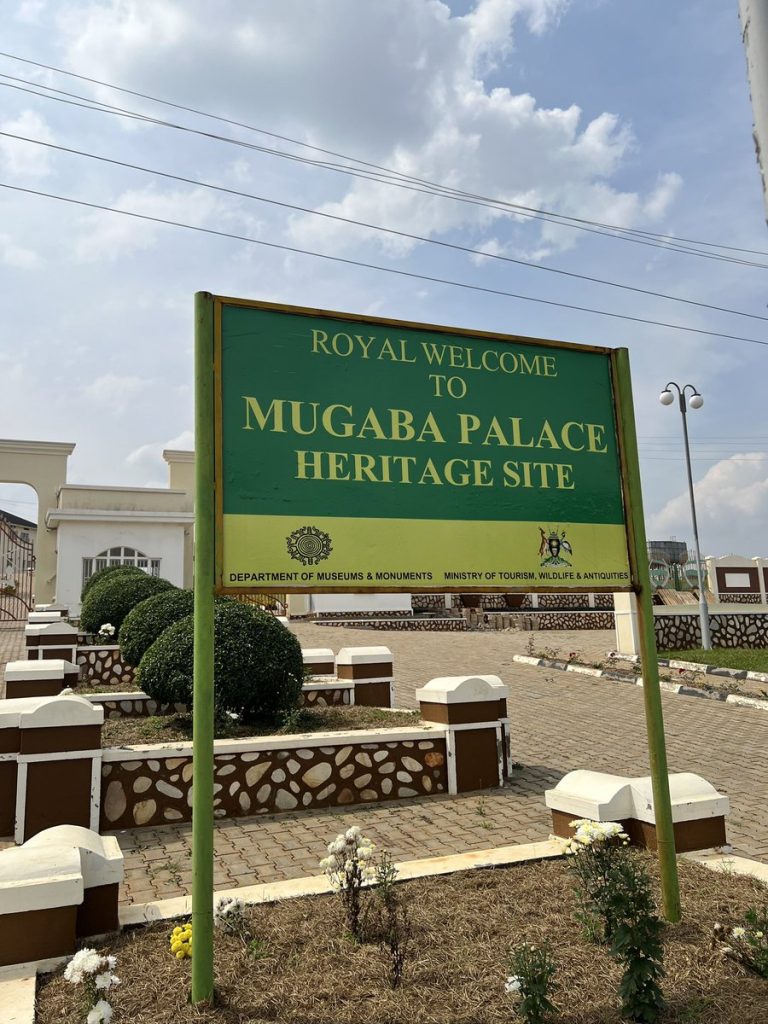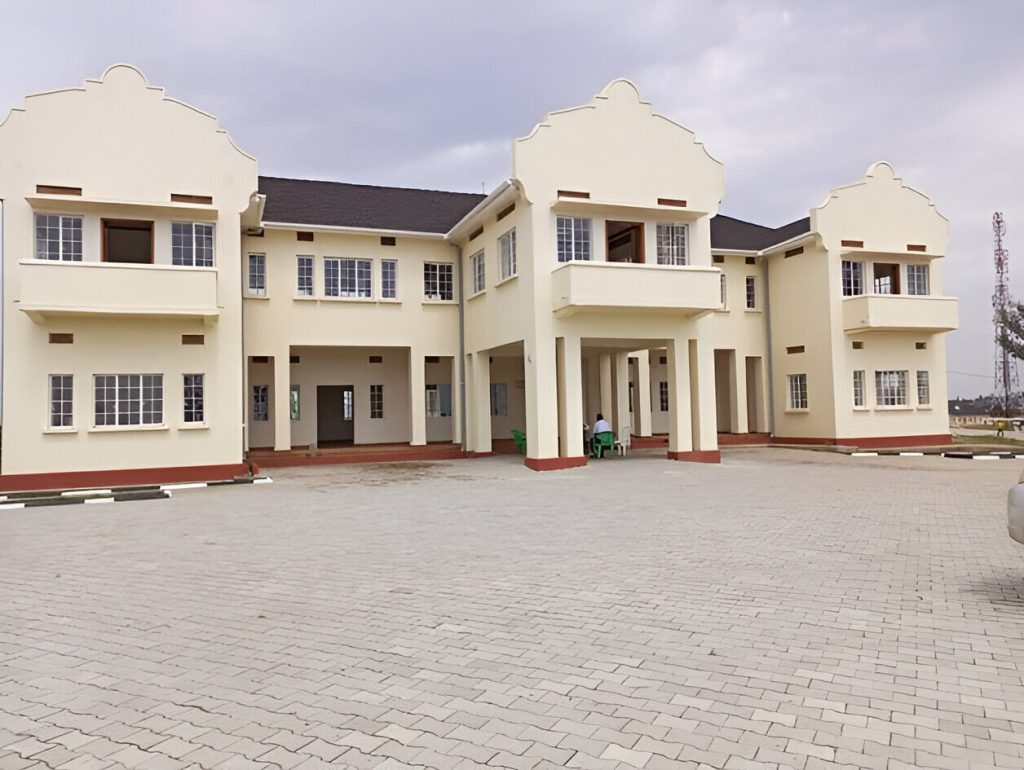
Mbarara, Uganda – On Kamukuzi Hill in Mbarara, morning light settles gently on the restored walls of the Mugaba Palace. From a distance, it is a quiet architectural silhouette. Up close, it is a living archive of Uganda’s cultural diplomacy where heritage, sustainability, and responsible investment intersect.
For generations, Mugaba Palace served as the royal seat of the Ankole Kingdom. Under the stewardship of Sir Charles Godfrey Gasyonga II, the palace became more than a residence; it was a center of governance, dialogue, and cultural cohesion. Royal drums once signaled continuity, while cattle enclosures and milk houses reflected an economic philosophy rooted in stewardship of land and livestock values that resonate with today’s global sustainability discourse.
When constitutional reforms in 1967 altered the status of traditional institutions, the palace fell silent. Yet silence did not erase memory. Restoration efforts valued at approximately UGX 7.5 billion have since repositioned Mugaba as a cultural and educational landmark. Its revival is not merely architectural; it is strategic. In a global environment where cultural assets shape tourism flows and investor confidence, heritage sites signal stability, identity, and long-term vision.
From a policy perspective, Mugaba Palace offers three pathways. First, cultural tourism anchored in authenticity can diversify Uganda’s visitor portfolio beyond wildlife circuits. Second, heritage conservation creates opportunities for responsible public-private partnerships in restoration, hospitality, and creative industries. Third, cultural diplomacy strengthens bilateral engagement by presenting Uganda as a nation that honors its past while aligning with contemporary governance and environmental standards.
At the same time, interpretation must remain measured. Cultural institutions embody identity and unity; they are not instruments of political contestation. Safeguarding their narrative requires clarity, inclusivity, and adherence to national laws to prevent misrepresentation or misuse. As visitors stand atop Kamukuzi Hill, they encounter more than history they witness continuity. Mugaba Palace stands as a bridge between tradition and modern statecraft, inviting the world to engage Uganda not only as a destination of scenic beauty, but as a partner in culture-driven development, sustainable investment, and respectful global dialogue.