Long before written records defined chronology in the Great Lakes region, communities in what is now Uganda read history in the sky. Celestial events were not distant phenomena but living signals markers of time, power, and destiny. Among these, the total solar eclipse of April 17, 1520 AD stands as a rare moment when nature, leadership, and regional history converged with enduring consequence.
The eclipse occurred over present-day Biharwe, near Mbarara City, plunging the afternoon into sudden darkness. Oral traditions recount how birds fell silent and daily life paused as fear and awe spread across the land. At that moment, Omukama Olimi I Rwitamahanga of Bunyoro, a formidable ruler returning from a cattle raid, interpreted the darkness through the spiritual lens of the era. His warriors, believing the gods had withdrawn their favor, abandoned the cattle and fled.
Those cattle were later discovered by the people of Omugabe Ntare I Nyabugarobwera of Ankole, a kingdom then gripped by a devastating famine known as Eijuga Nyonza. The animals were received as providential relief and named Enduga Mwiguru or Empenda ya Munoni “cows from heaven.” In Buganda, meanwhile, the same eclipse was seen as a sign of divine abandonment of Bunyoro, a belief that helped shape decisions leading to conflict. In a single afternoon, a natural event altered the political and social trajectories of three kingdoms: Bunyoro, Ankole, and Buganda. For centuries, this episode endured through oral memory. Its significance was later affirmed when modern astronomy confirmed the eclipse’s precise date, making it the earliest scientifically verified historical event in the region. In this meeting of science and tradition, Uganda’s deep historical consciousness found renewed validation.
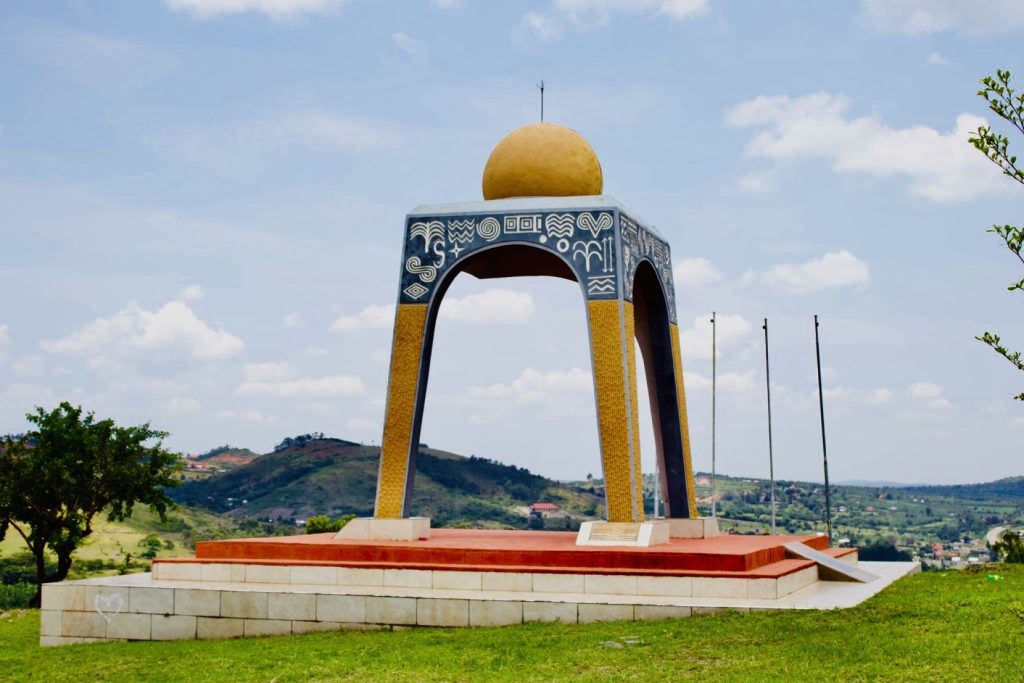
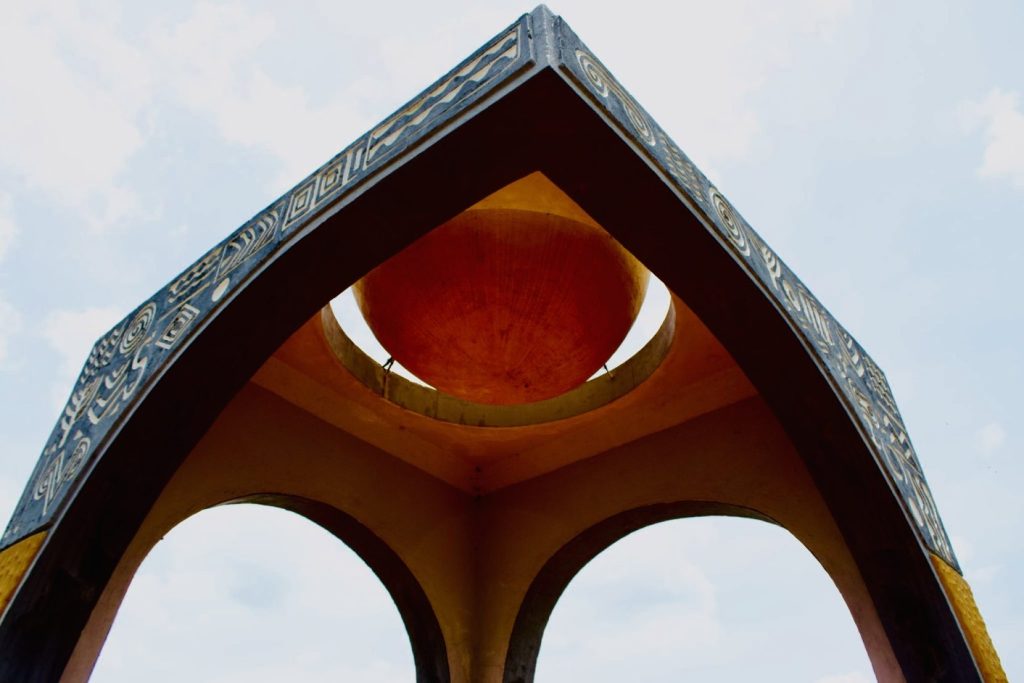
To commemorate this shared heritage, the Biharwe Eclipse Monument was erected in 2014. Its three pillars symbolise the three kings whose realms were shaped by the event, while the absence of a fourth pillar reflects the instability of that era. Engraved with indigenous motifs of drums, spears, and shields, the monument speaks to resilience, authority, and cultural continuity. Today, it stands not only as a site of memory, but as a symbol of Uganda’s rich civilizational narrative, one that diplomacy, culture, and tourism together can proudly share with the world.

Courtesy Photos