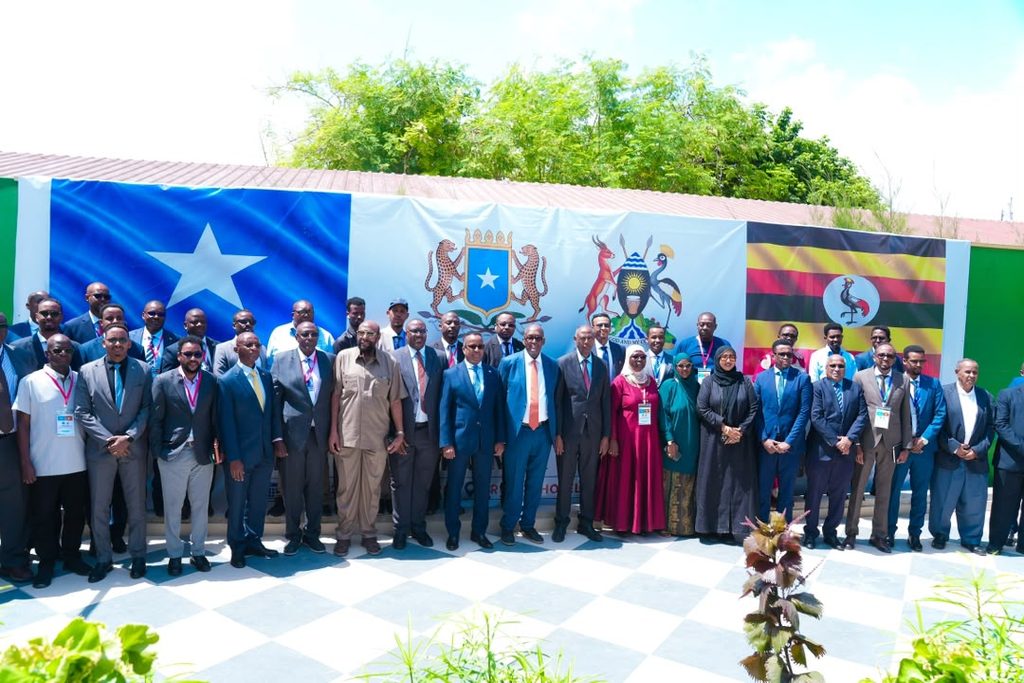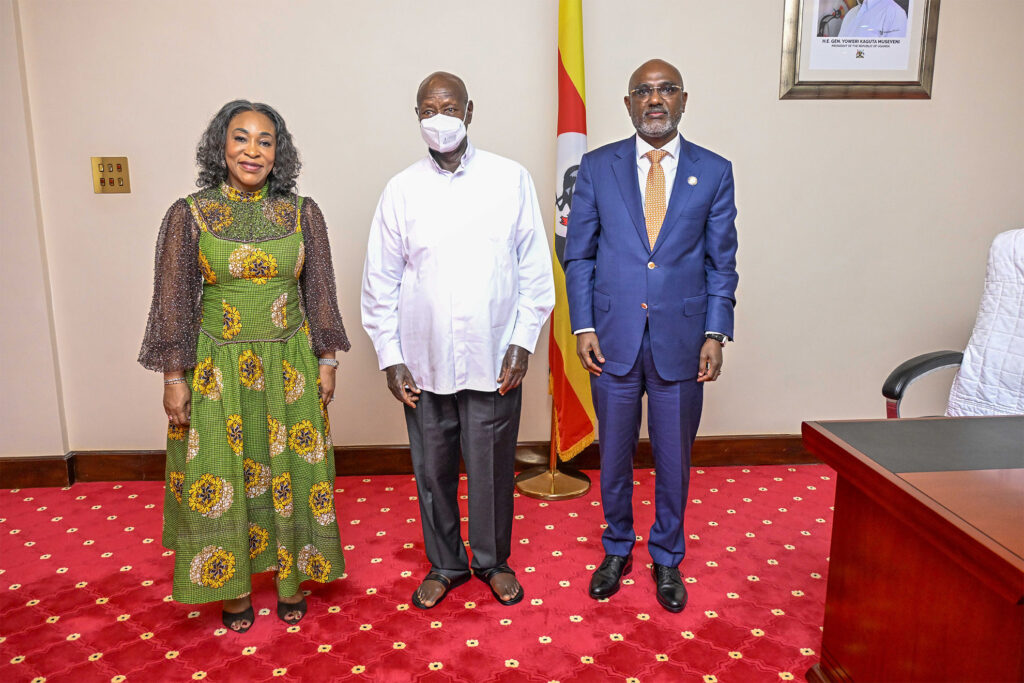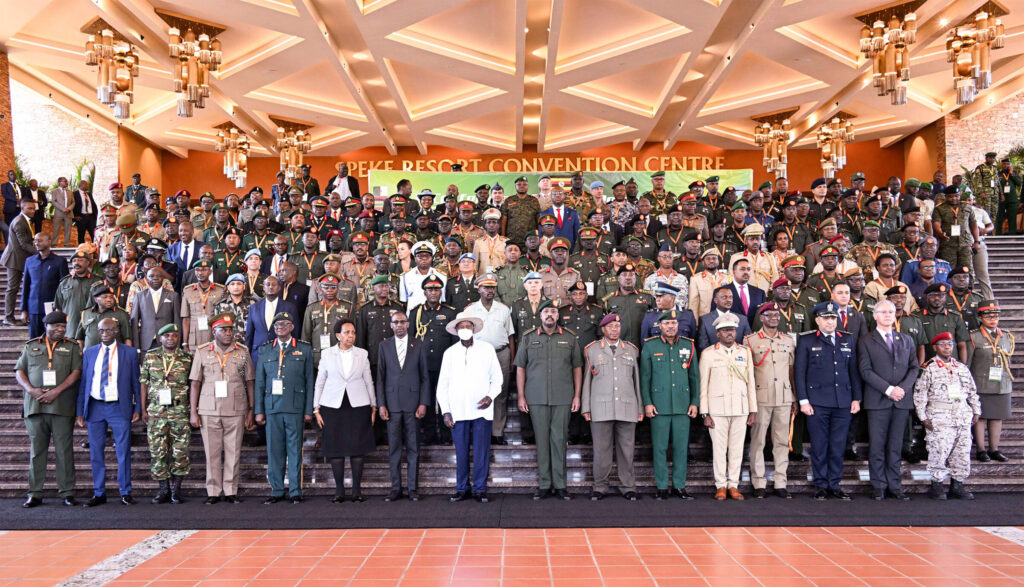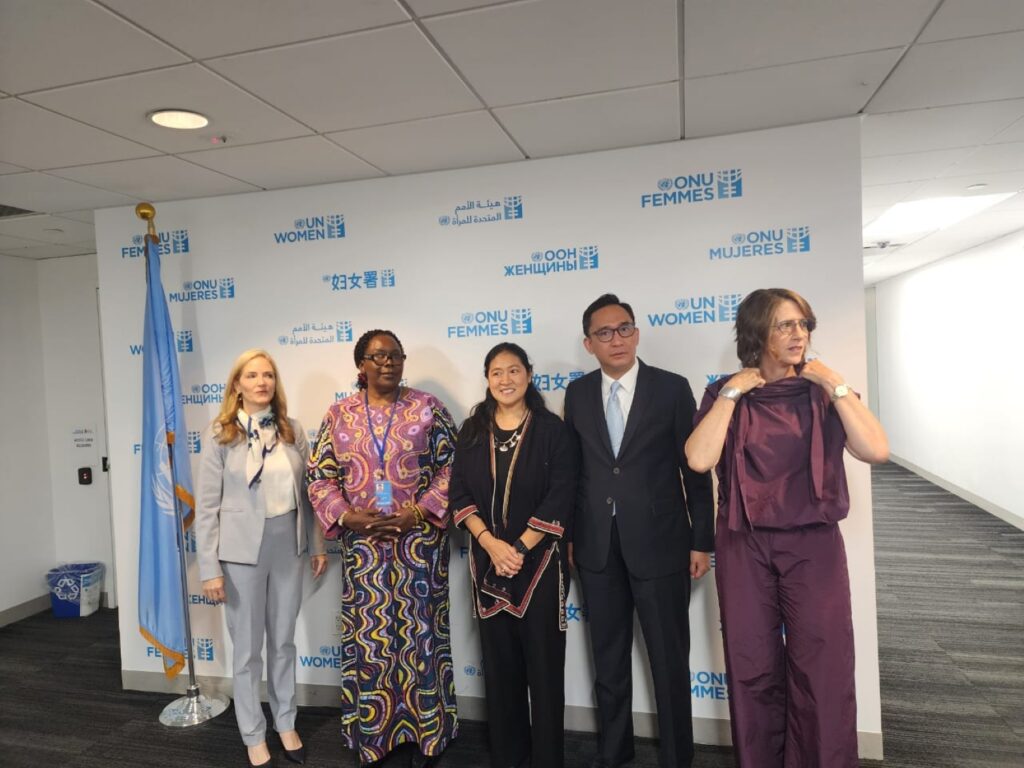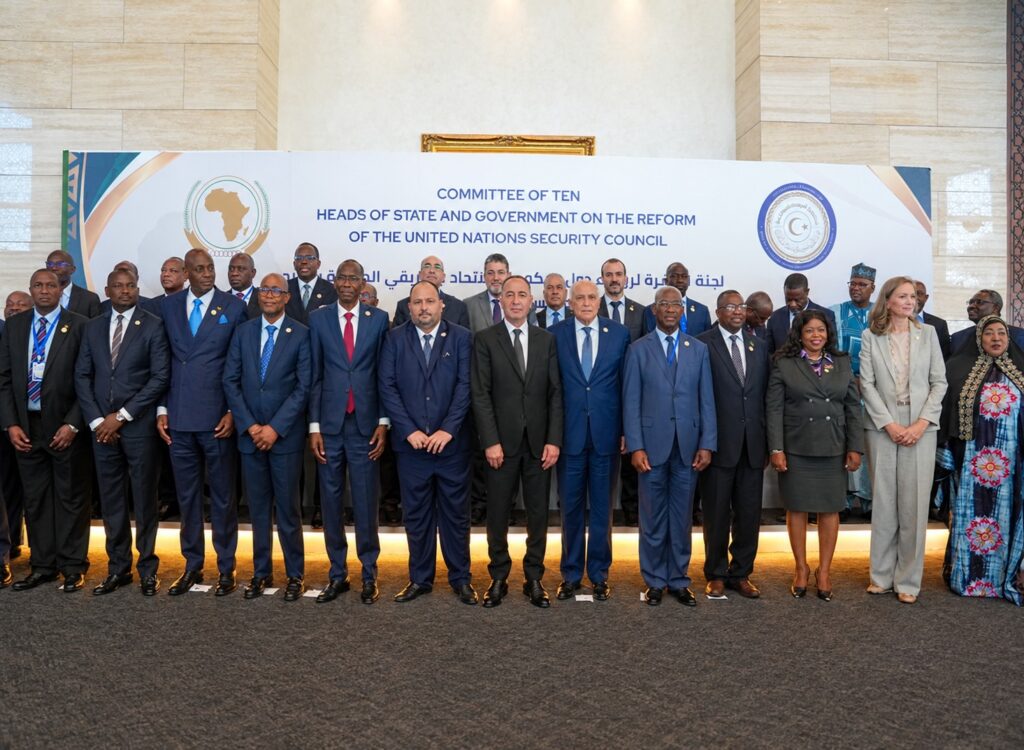
Tripoli. Libya – Uganda reaffirmed its commitment to advancing Africa’s Common African Position on the reform of the United Nations Security Council during the 14th Ministerial Meeting of the African Union Committee of Ten (C-10), held in Tripoli, Libya, on 11 October 2026.
Delivering Uganda’s statement, Hon. Haruna K. Kasolo, Minister of State for Foreign Affairs (Regional Affairs), called for comprehensive reform of the United Nations Security Council to reflect contemporary geopolitical realities and address Africa’s historical exclusion from permanent representation in the principal organ responsible for maintaining international peace and security.
Hon. Kasolo conveyed Uganda’s appreciation to the Government and people of Libya for hosting the meeting, and recognised the leadership of H.E. Mohamed Rahman Swaray, Minister of Foreign Affairs and International Cooperation of Sierra Leone, in advancing the C-10 mandate and sustaining Africa’s unified position on Security Council reform. He emphasised that reform of the multilateral system was essential to strengthening its inclusivity, legitimacy, transparency and effectiveness. He called on the five permanent members of the Security Council to demonstrate the political will necessary to advance meaningful reform and ensure equitable African representation.
Uganda reiterated its commitment to the Common African Position (CAP), as articulated in the Ezulwini Consensus and the Sirte Declaration. The position calls for Africa to be allocated at least two permanent seats with all the prerogatives and privileges of permanent membership, including the right of veto for as long as it exists, alongside five non-permanent seats. These demands reflect the African Union’s longstanding position that the continent’s representation must address both its exclusion from the permanent category and its underrepresentation in the non-permanent category.
Hon. Kasolo also welcomed progress within the United Nations General Assembly’s Intergovernmental Negotiations (IGN) process, including the presentation of the African reform model. He urged African countries to build on emerging areas of convergence within the five negotiating clusters and move beyond declarations of intent towards tangible progress. He stressed that Africa’s collective influence depended on unity and strategic coordination, urging African Union Member States participating in other interest groups to use those platforms to advocate for the Common African Position. He further underscored the importance of exploring complementary diplomatic approaches to sustain momentum in the reform process.
The statement also situated Security Council reform within the broader commitments of the Pact for the Future, adopted by world leaders at the United Nations Summit of the Future in September 2024. The Pact recognised the urgent need for a more representative, inclusive and effective Council and prioritised redressing the historical injustice against Africa. The meeting subsequently endorsed the Tripoli 2026 Outcome Document, reaffirming Africa’s unified position on Security Council reform and the need for fairer representation in global decision-making.
Uganda reiterated its commitment to African solidarity and effective multilateralism, emphasising the importance of comprehensive United Nations Security Council reform to ensure equitable African representation and a more inclusive and representative system of global governance.


Courtesy Photos