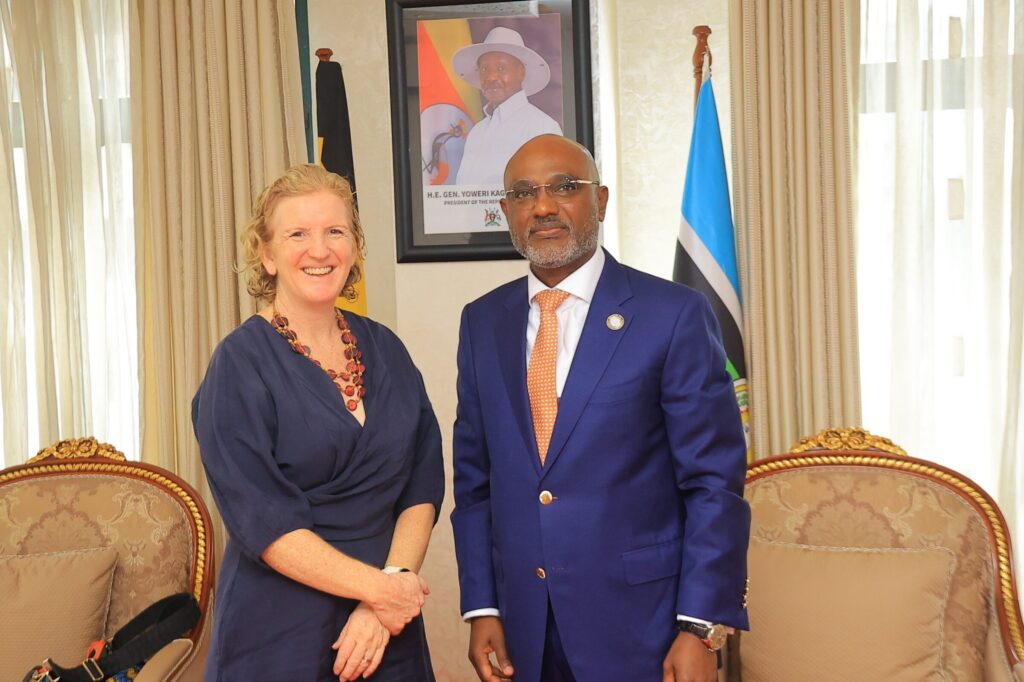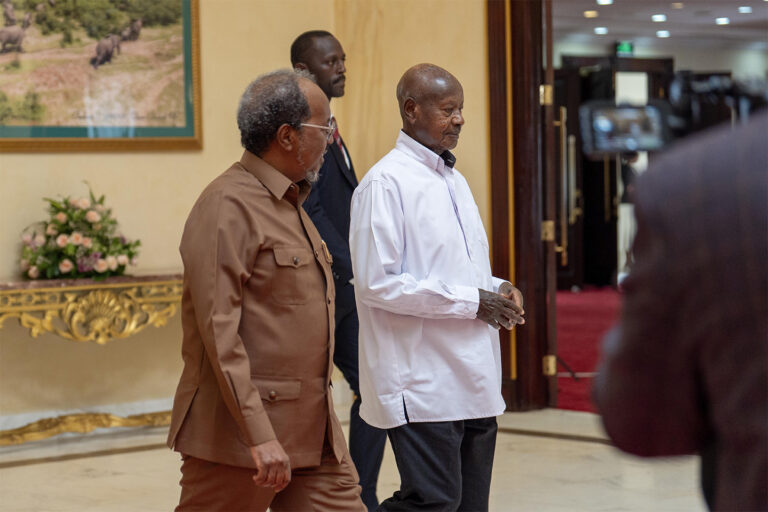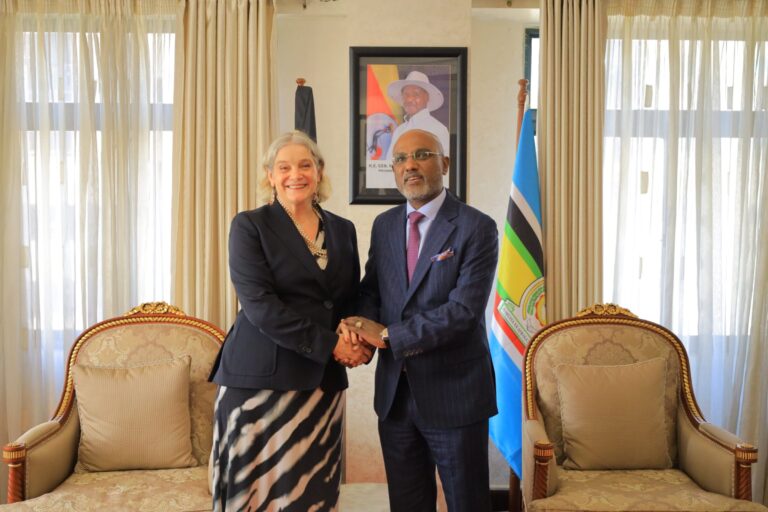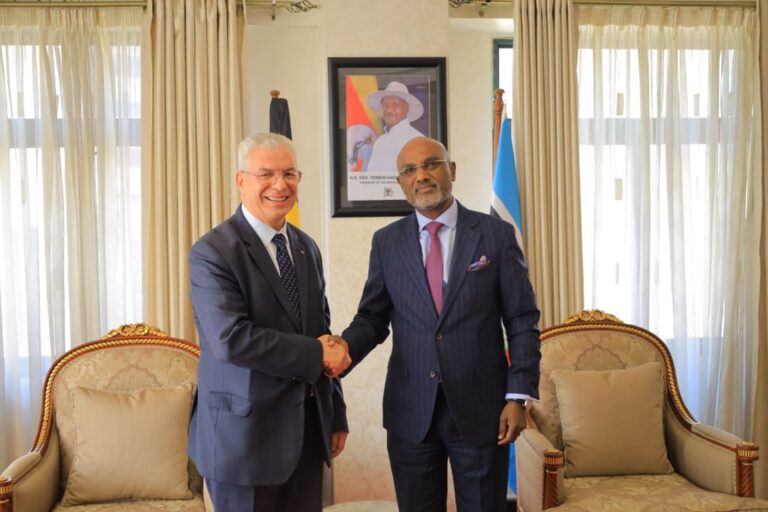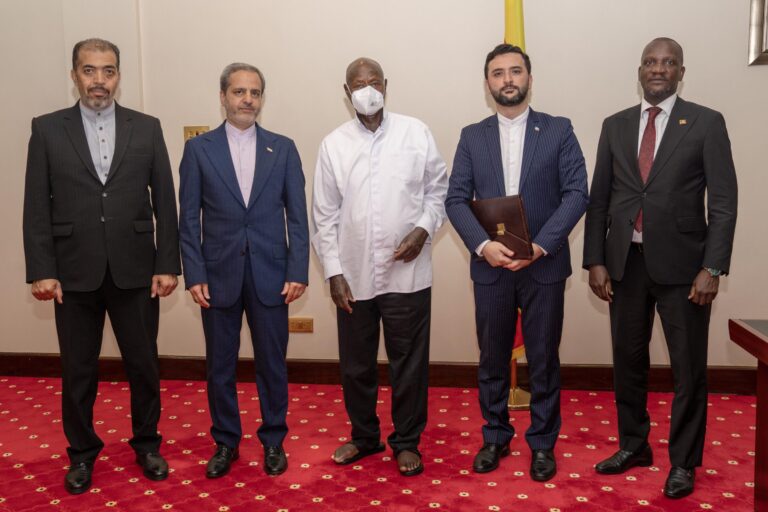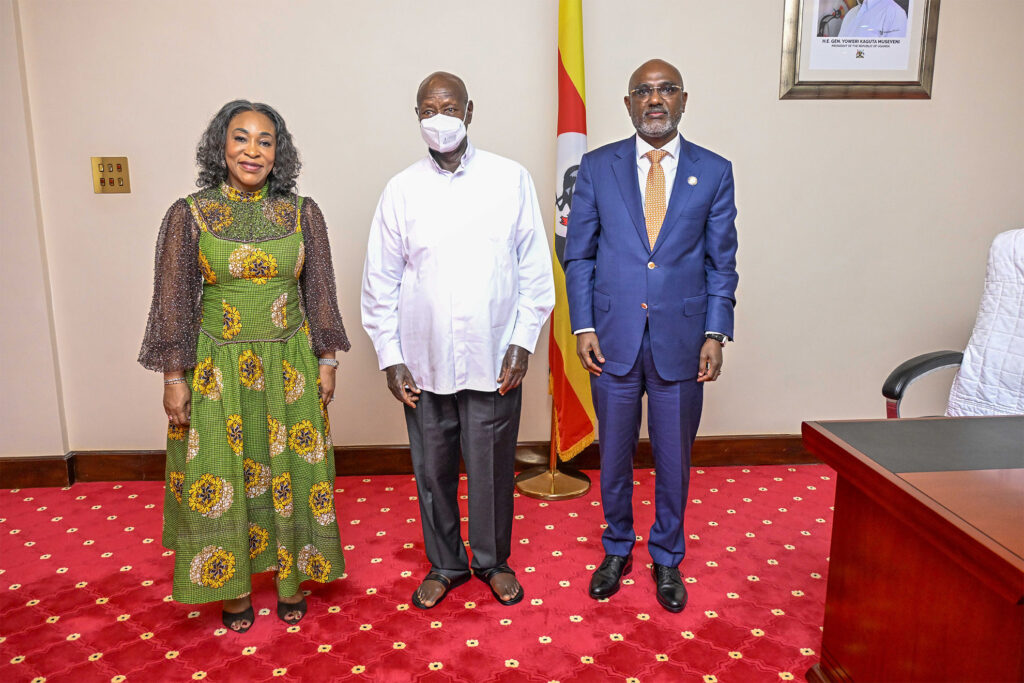
Entebbe, Uganda – Uganda reaffirmed its commitment to an African-led development agenda anchored in regional integration, economic self-reliance and strategic partnerships, following a meeting between H.E. President Yoweri Kaguta Museveni and Commonwealth Secretary-General Shirley Botchwey at State House, Entebbe. The meeting underscored Uganda’s position that international partnerships should reinforce Africa’s collective interests, expand economic opportunities and support the continent’s capacity to determine its development priorities.
President Museveni called for stronger African unity through the African Continental Free Trade Area (AfCFTA), emphasising that the continent’s engagement with external partners should complement, rather than fragment, its integration agenda. He cautioned against organising African economic relationships around former colonial associations, advocating instead for cooperation guided by shared interests and the continent’s long-term development objectives.
The position reflects Uganda’s broader diplomatic emphasis on regional markets, economic and commercial diplomacy, and partnerships that translate political relations into trade, investment, industrialisation and employment. The AfCFTA provides an important framework for this ambition. The World Bank has estimated that effective implementation could increase Africa’s income by 7 per cent, or approximately US$450 billion, by 2035. For Uganda, expanding intra-African trade offers opportunities to strengthen agricultural value chains, promote manufactured exports, attract investment and improve access to regional markets. Realising these gains will depend on addressing infrastructure gaps, non-tariff barriers, trade logistics and differences in regulatory systems.
President Museveni also welcomed a proposals for a Commonwealth climate fund to support alternative energy development, including solar, hydropower and nuclear energy. The discussion highlights the relationship between climate action, energy security and economic transformation: reliable and affordable electricity is essential for industrial production, agro-processing, digital services and employment creation.
For Uganda, where expanding electricity access and productive energy use remain important development priorities, climate financing can help mobilise investment in cleaner energy infrastructure while supporting economic growth. Such financing arrangements would need to translate commitments into accessible resources, bankable projects and measurable development outcomes.
Youth empowerment formed another central pillar of the engagement. President Museveni welcomed a proposed Commonwealth youth aspiration fund to support skills development for Africa’s youthful population. The United Nations estimates that Africa has the world’s youngest population, with approximately 60 per cent of its people under the age of 25. This demographic profile presents both an opportunity and a responsibility: education, technical and vocational training, entrepreneurship and access to productive employment will be critical to converting demographic growth into economic dividends.
Secretary-General Botchwey commended the President’s emphasis on African development and self-reliance, observing that Africa must play a central role in shaping the Commonwealth’s future. She reaffirmed the organisation’s commitment to improving the functioning of the AfCFTA and working with member countries and regions to advance shared development priorities. The meeting, was attended by Hon. Adonia Ayebare, Minister of Foreign Affairs who also addressed trade, investment, climate action and Uganda’s cooperation with the Commonwealth.
For Uganda’s diplomacy, the engagement illustrates the importance of connecting multilateral cooperation with practical national and continental priorities. The focus now is to translate proposals on trade integration, climate financing and youth skills into implementable programmes that strengthen productive capacity, widen economic opportunities and advance shared prosperity.
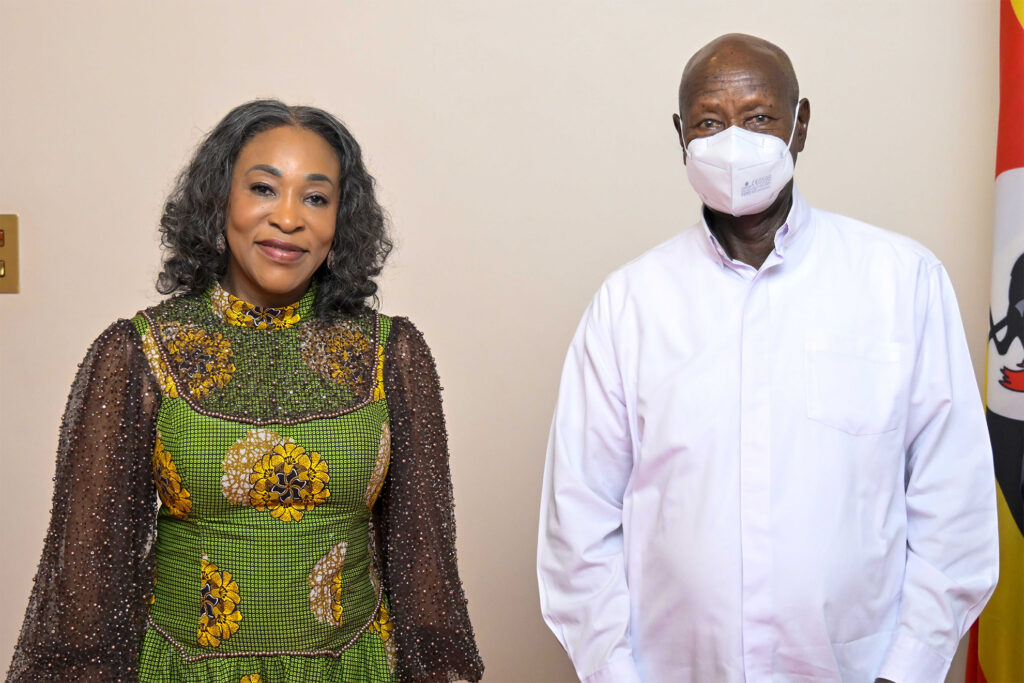
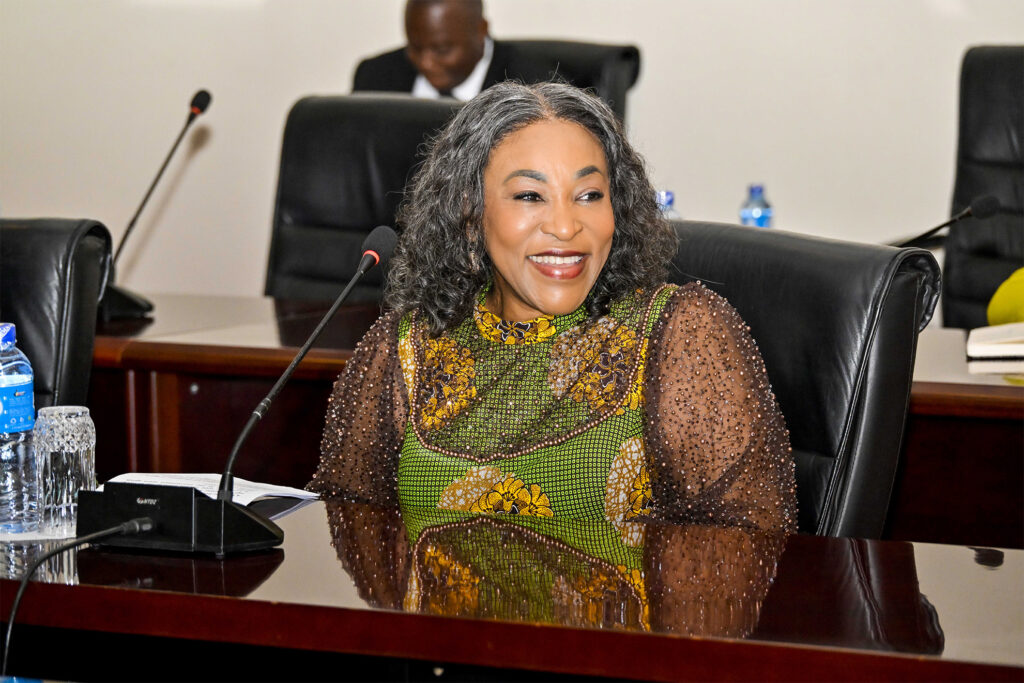
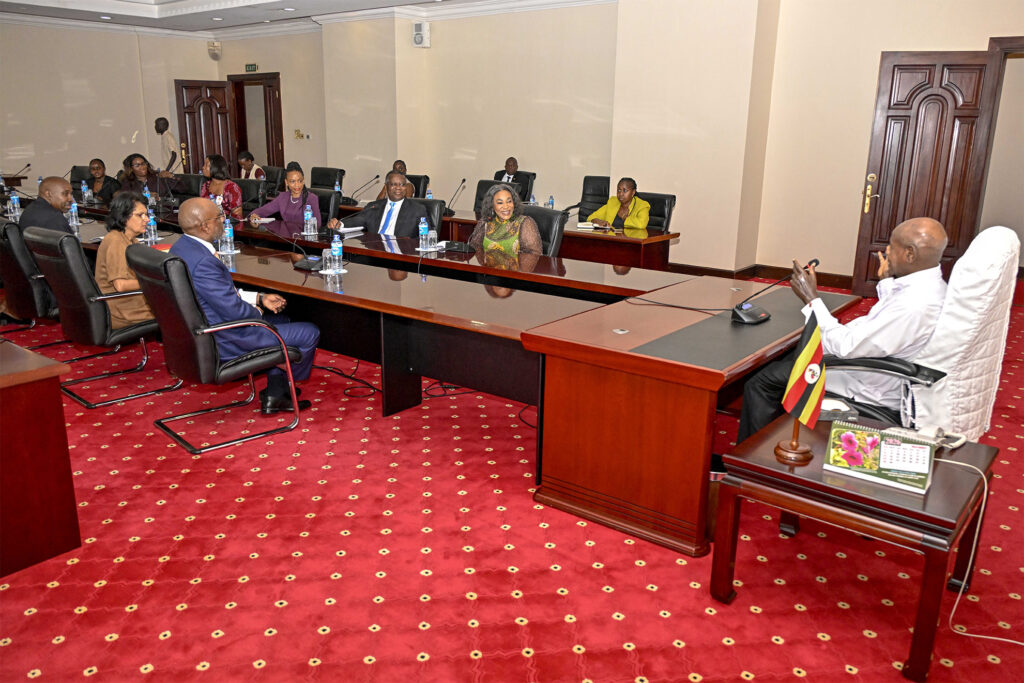
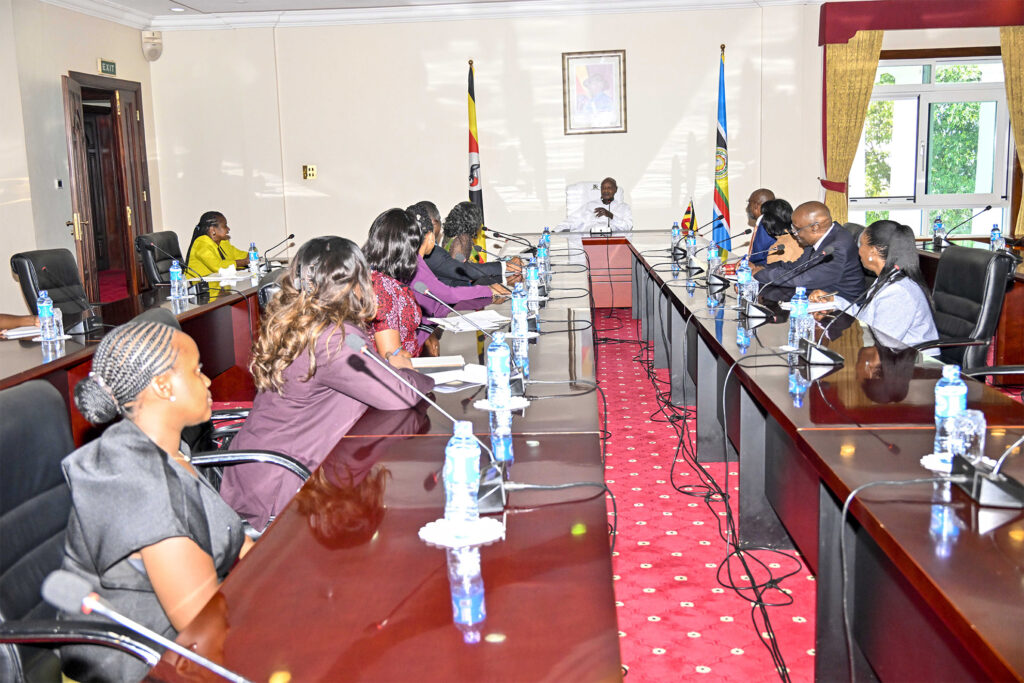
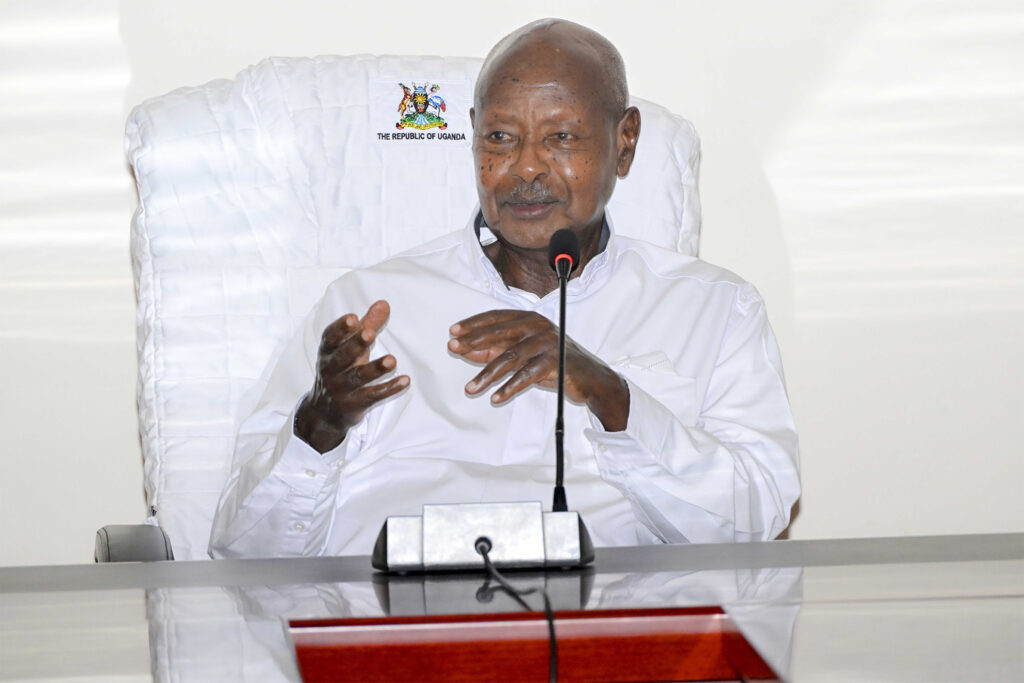

Photo Credit: PPU