Entebbe, Uganda – President Yoweri Kaguta Museveni called on Iranian investors to establish agro-processing factories in Uganda, emphasising local value addition, employment creation and export diversification as priorities for strengthening bilateral economic cooperation between Uganda and the Islamic Republic of Iran.
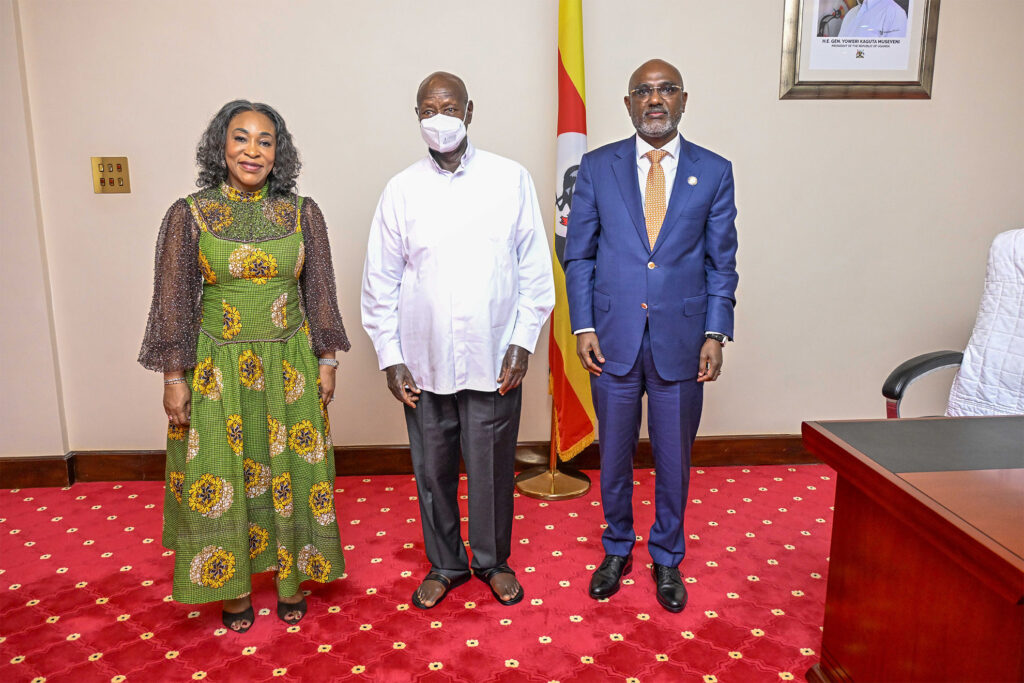
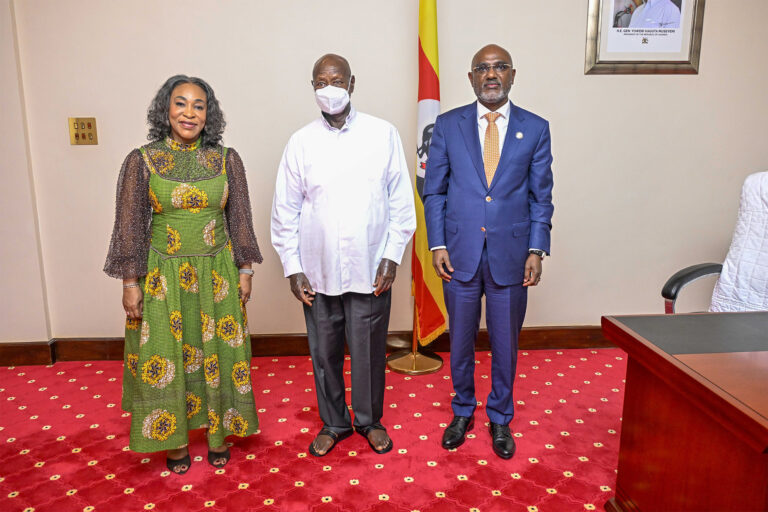
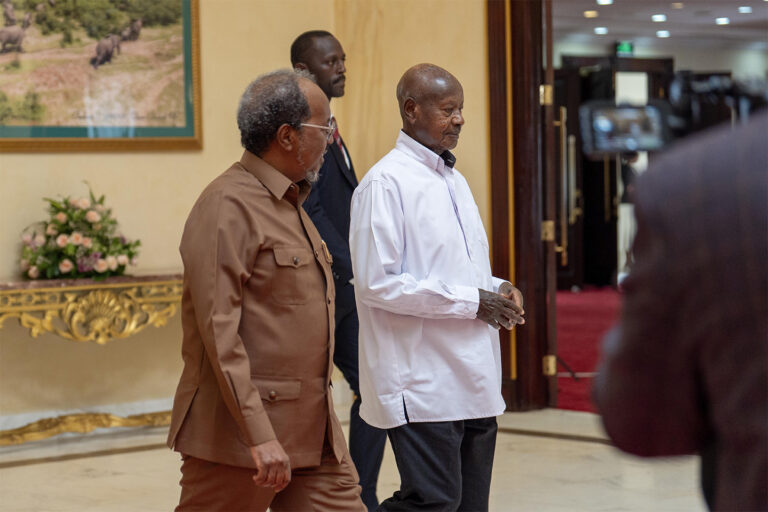
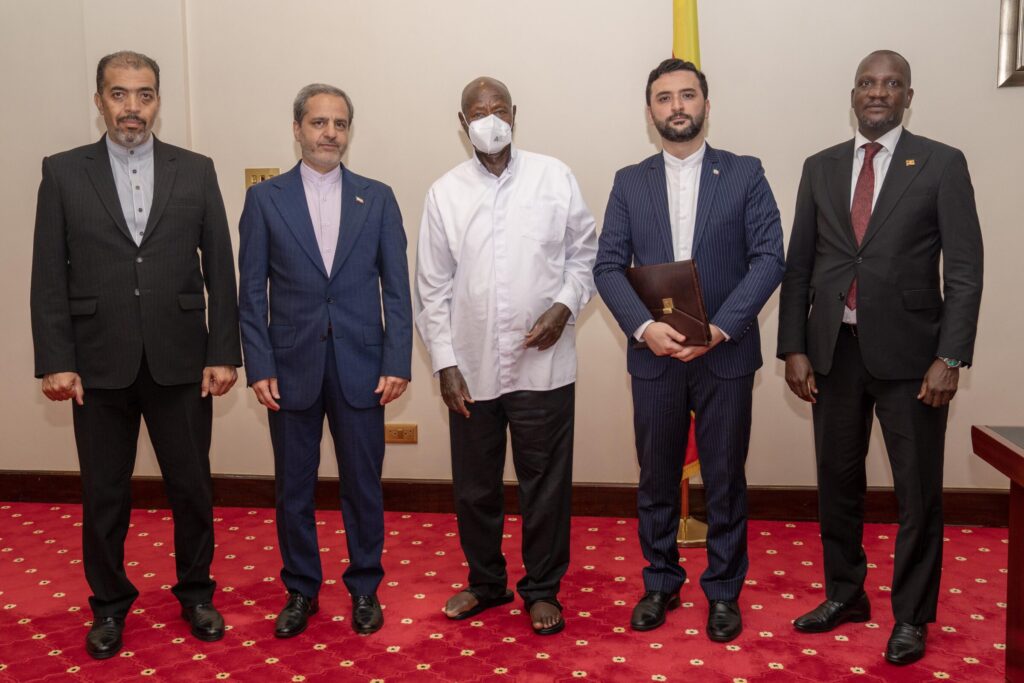
The President made the remarks during a meeting with the outgoing Iranian Ambassador to Uganda, H.E. Majid Saffar, at State House, Entebbe. The engagement reviewed bilateral cooperation in agriculture, healthcare, education, trade and investment, while identifying opportunities to translate longstanding diplomatic relations into commercially viable partnerships.
President Museveni encouraged Iranian companies to invest in processing Ugandan agricultural produce, including coffee, cocoa and pineapples, rather than concentrating on acquiring large tracts of land for commercial farming. “The best way is to build factories in Uganda to process agricultural products from our Ugandan farmers. Let the people here produce, and your companies’ process,” the President said. He explained that this approach would strengthen domestic agro-industrialisation, expand markets for Ugandan farmers, create employment and increase export earnings through value addition.
H.E. Saffar welcomed the proposed direction, noting Iranian companies’ interest in processing agricultural commodities and supporting cooperatives and agricultural unions to promote trade and job creation. “You’re rich in agriculture, and there are a lot of Iranian companies interested in processing Ugandan agricultural products such as cocoa, coffee, pineapples, and we’re ready to support cooperatives and agriculture unions in that line to promote trade and job creation,” the Ambassador said.
Uganda and Iran established diplomatic relations in 1974, following engagements associated with the February 1974 Islamic Summit in Lahore and President Idi Amin’s subsequent visit to Tehran. The relationship subsequently developed through diplomatic representation, high-level exchanges and cooperation in agriculture, healthcare, education and technology.
Presidential exchanges included Iranian President Akbar Hashemi Rafsanjani’s visit to Uganda in 1996, President Mahmoud Ahmadinejad’s state visit in April 2010, and President Dr. Seyed Ebrahim Raisi’s visit in July 2023. During the 2023 visit, the two countries signed five memoranda of understanding covering agriculture, foreign affairs and the establishment of a Joint Permanent Commission, among other areas of cooperation.
Trade figures, however, indicated considerable scope for expanding commercial exchanges. UN Comtrade-derived data showed that Uganda exported approximately US$6.84 million in goods to Iran in 1999, compared with about US$395,449 in 2020. In 2024, Uganda’s exports to Iran stood at approximately US$845,662, while imports from Iran amounted to about US$1.85 million. The resulting merchandise trade total was approximately US$2.70 million, with Uganda recording a deficit of about US$1.01 million. These figures underscored the importance of diversifying exports and attracting investment into productive sectors, particularly agricultural processing, manufacturing and technology transfer.
The discussions aligned with Uganda’s broader economic and commercial diplomacy agenda, which seeks to mobilise foreign investment, expand export markets and strengthen domestic production capacity. Agro-processing partnerships could connect Iranian capital and technical expertise with Uganda’s agricultural resources, while creating opportunities for cooperatives, farmers and local enterprises. The two sides also discussed cooperation in healthcare and education. The President thanked H.E. Saffar for his service and wished him success in his subsequent diplomatic assignments.
The meeting concluded with renewed interest in strengthening bilateral cooperation. Its central economic message was that the future of Uganda–Iran relations would benefit from translating diplomatic goodwill into productive investment, industrial capacity, employment and mutually beneficial trade.
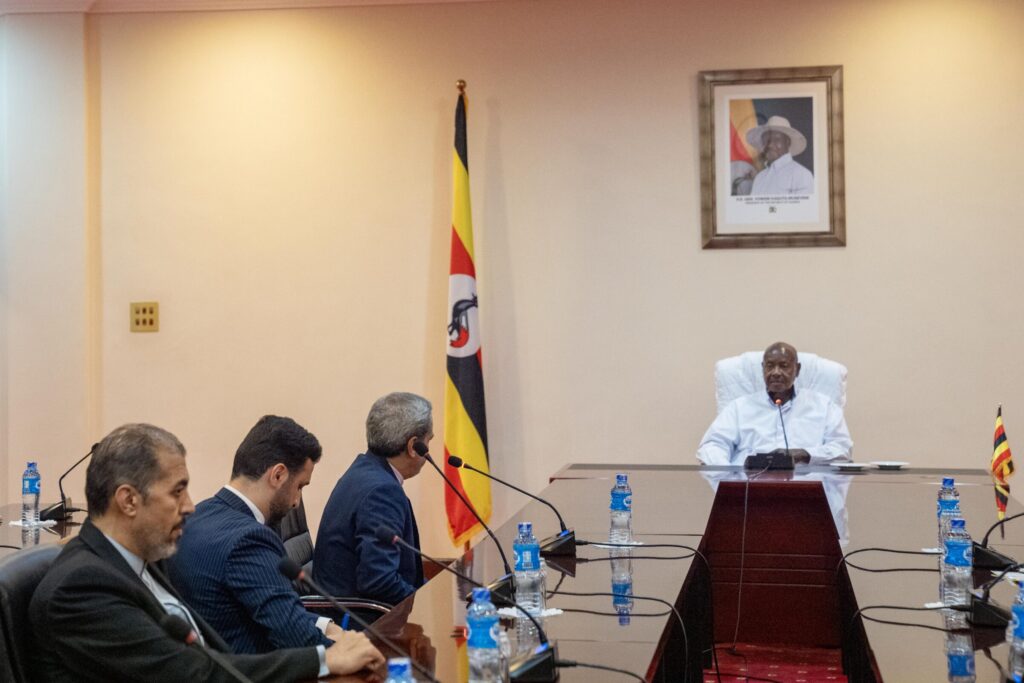
Photo Credit: PPU