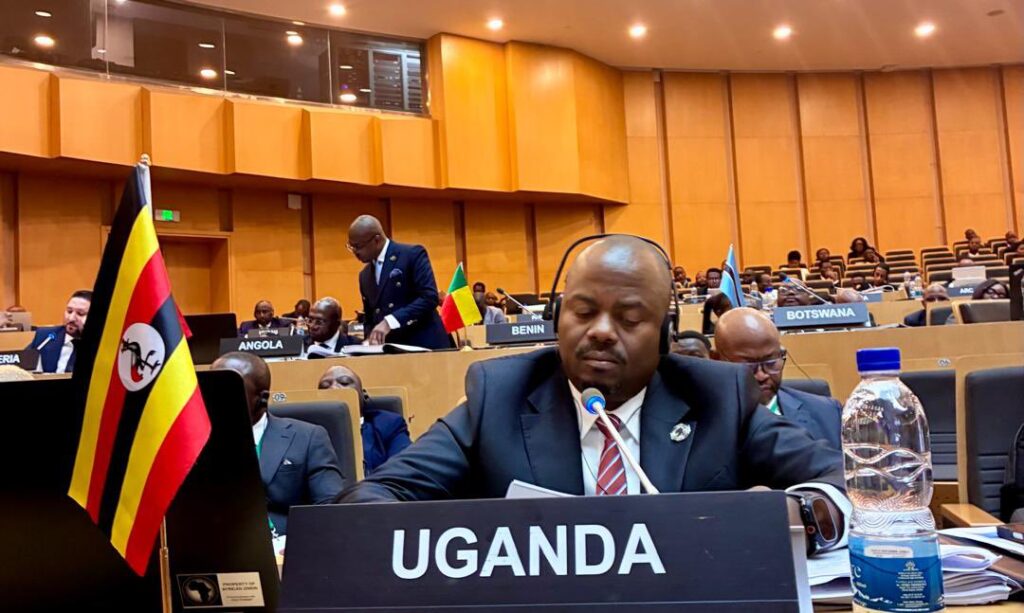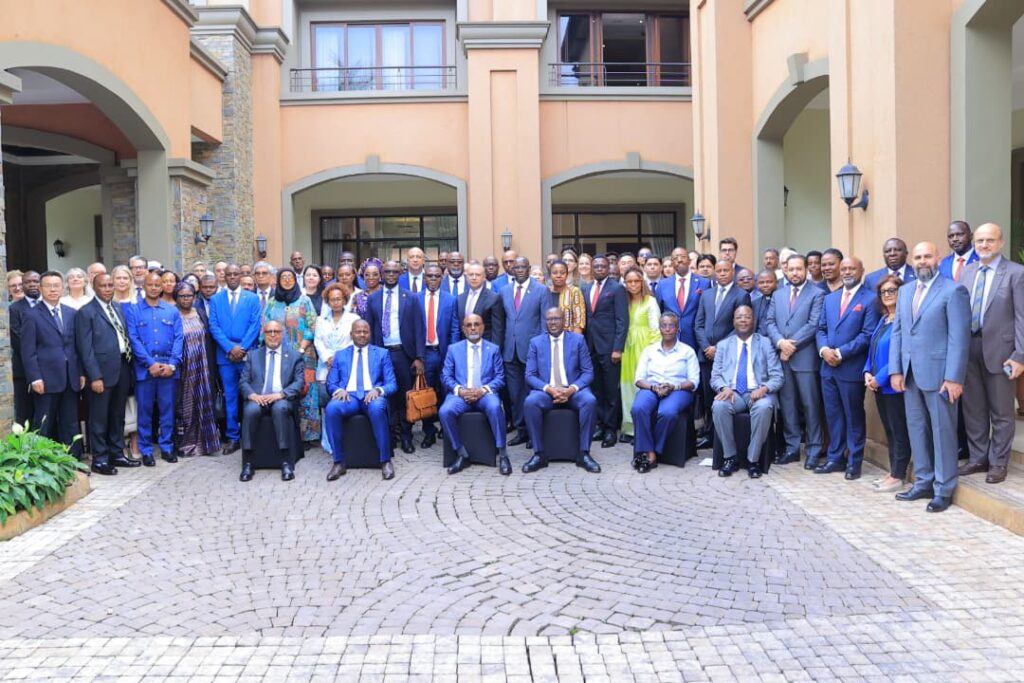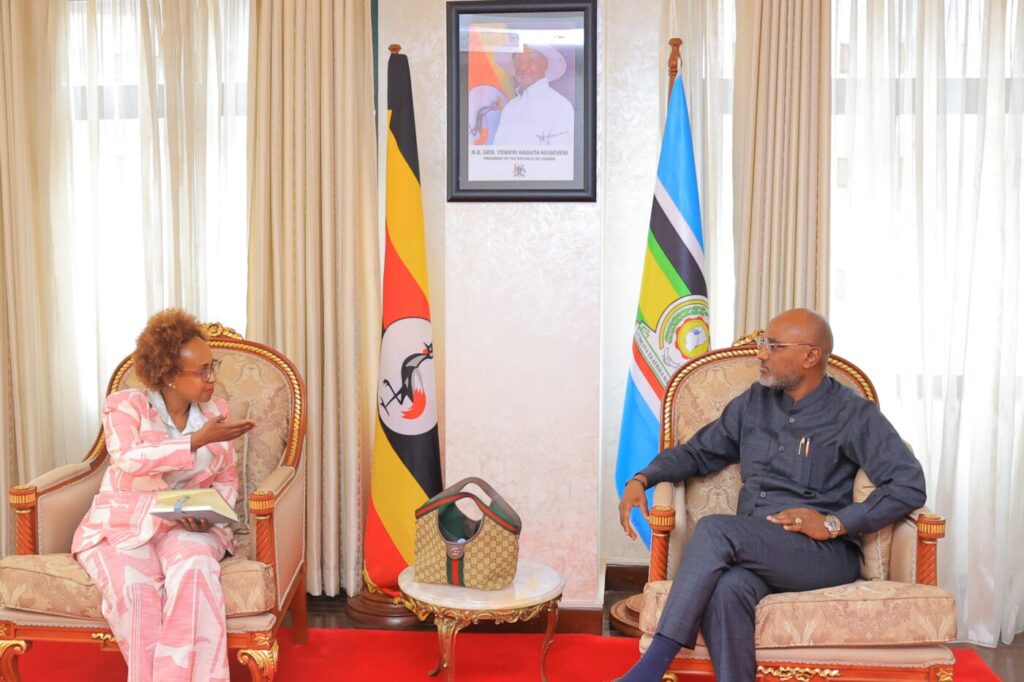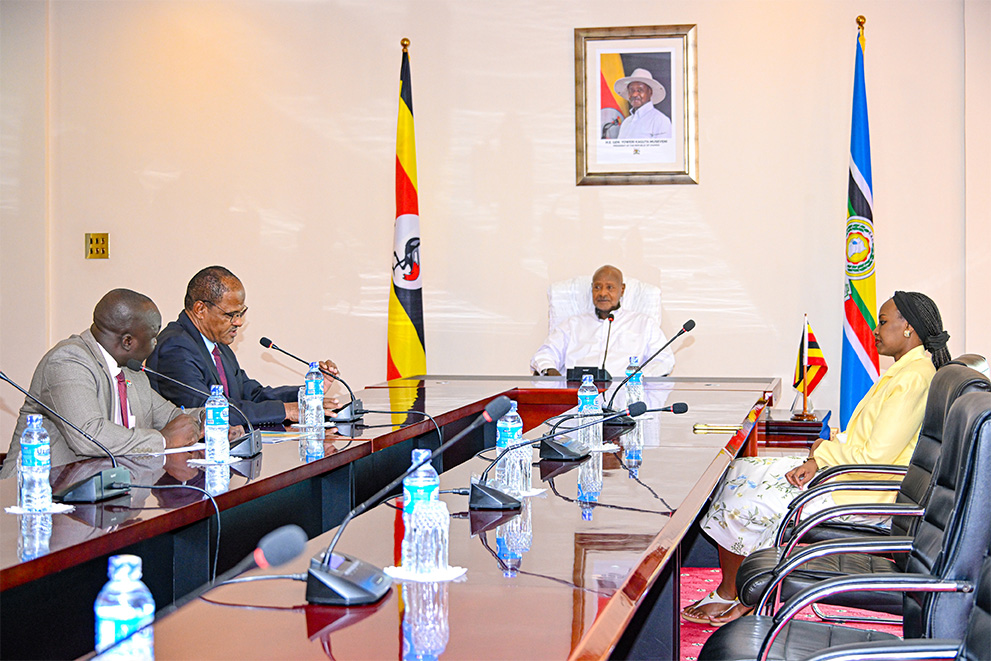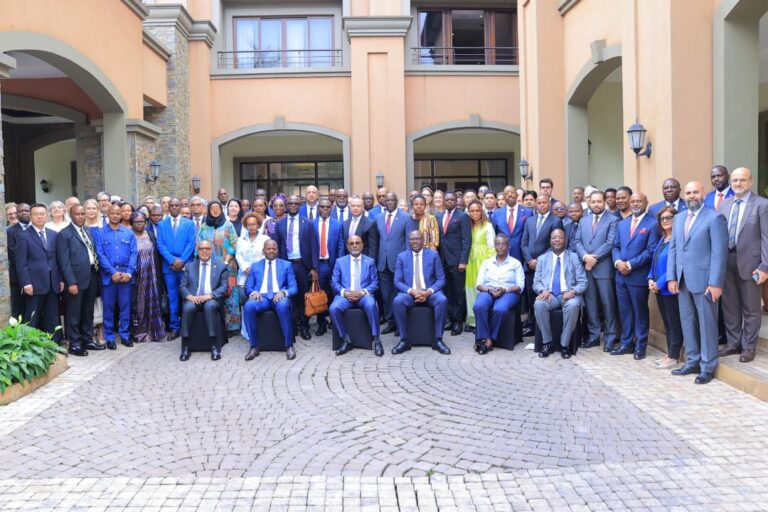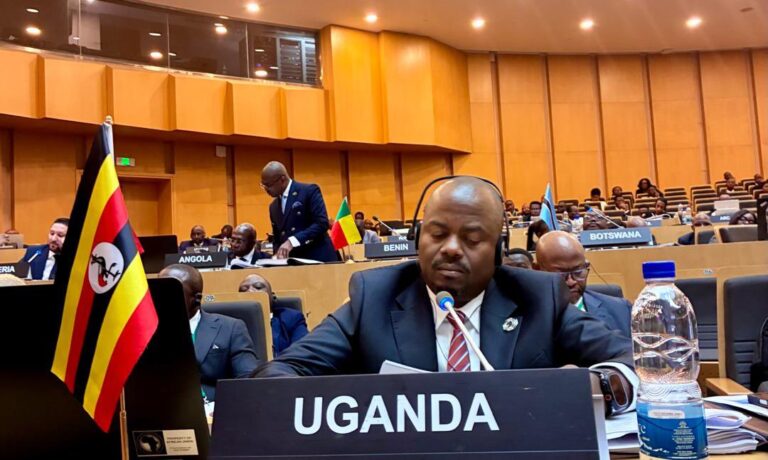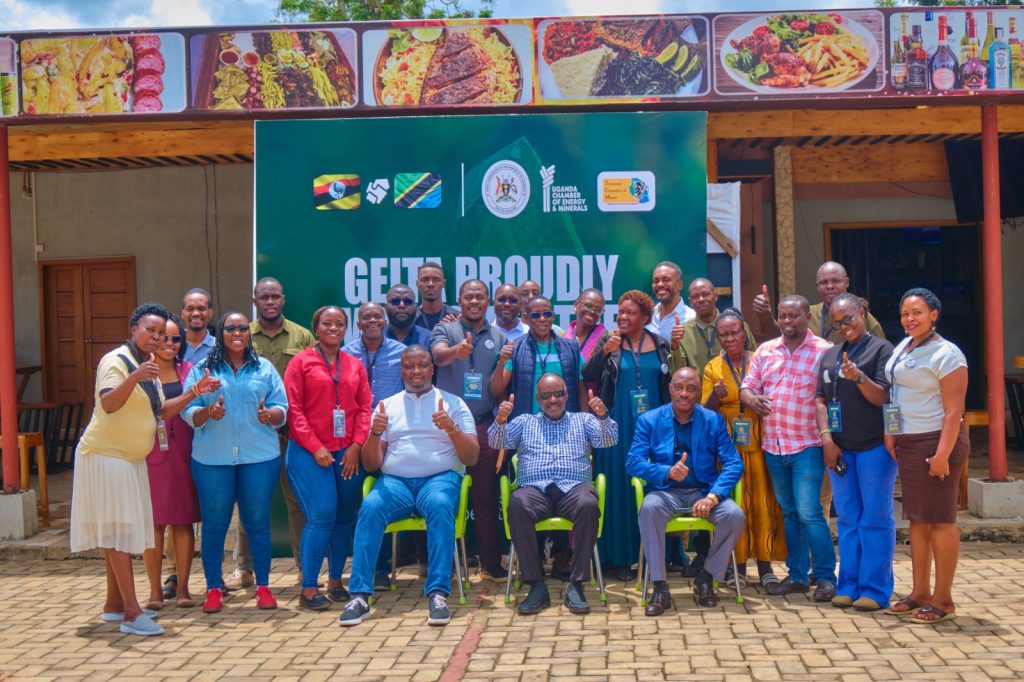
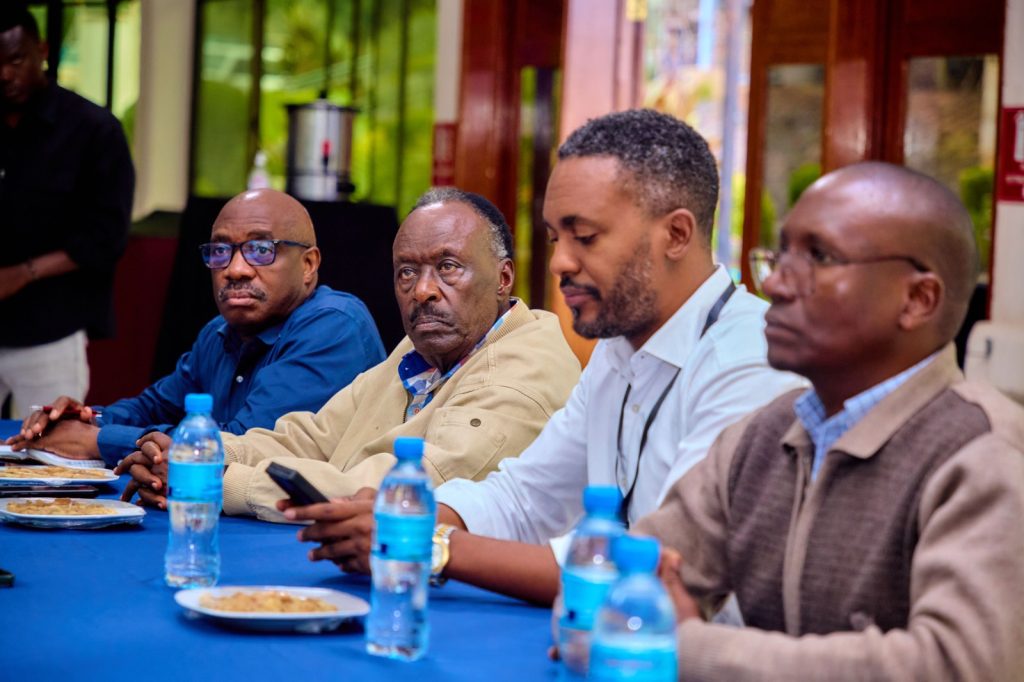
Geita, Tanzania – The Uganda Extractives Symposium and benchmarking visit to Geita Region in the Tanzania was successfully convened under the theme “Adopting Tanzanian Best Practices for Investment-Ready Ugandan ASM.” The initiative was organised by the Uganda High Commission in Dar es Salaam in partnership with the Uganda Chamber of Energy and Minerals (UCEM) and the Tanzania Chamber of Mines. It aimed to deepen bilateral cooperation and promote practical knowledge exchange in the extractives sector, with particular focus on Artisanal and Small-Scale Mining (ASM).
A 25-member Ugandan delegation participated in the four-day study tour, the delegation comprised ASM association leaders, chief executive officers of small-scale mining companies, gold traders, private sector actors, and UCEM officials. It was led by H.E. Ambassador (Rtd) Col. Fred Mwesigye, Uganda’s High Commissioner to Tanzania, alongside Mr. Asiimwe Humphrey, CEO of UCEM. Geita, widely recognised as the “Land of Gold,” hosts the prominent Geita Gold Mine operated by AngloGold Ashanti, in addition to a structured Regional Mineral Market system credited with enhancing transparency, traceability, and revenue collection. Tanzania’s mining sector contributes approximately 10% to national GDP, with ASM accounting for about 40% of gold output. More than 9,000 Primary Mining Licences have been issued to artisanal miners.
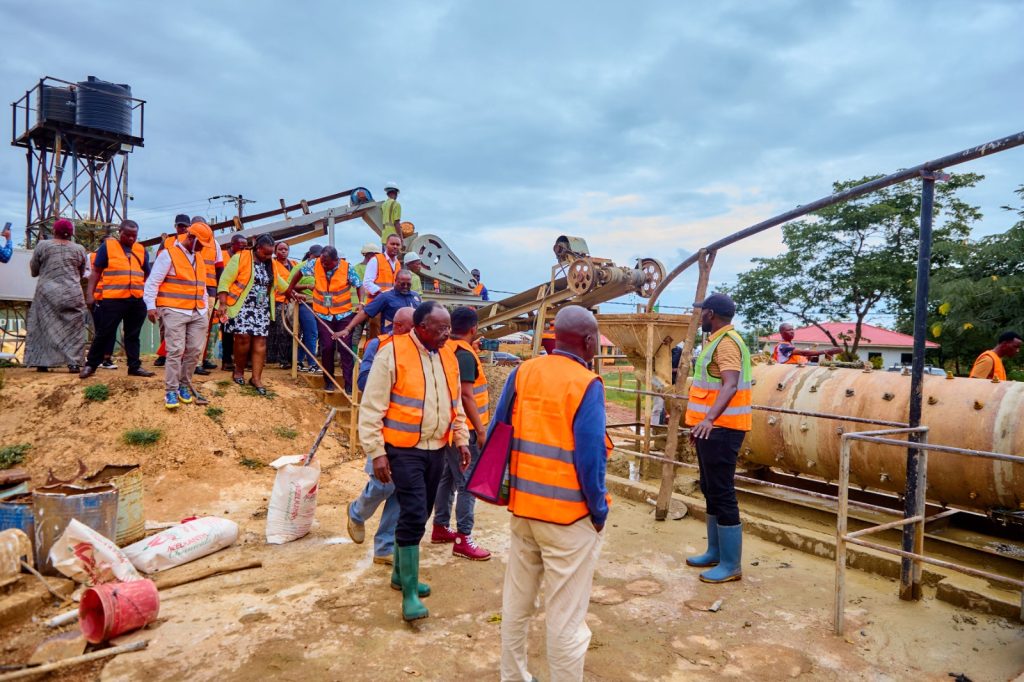
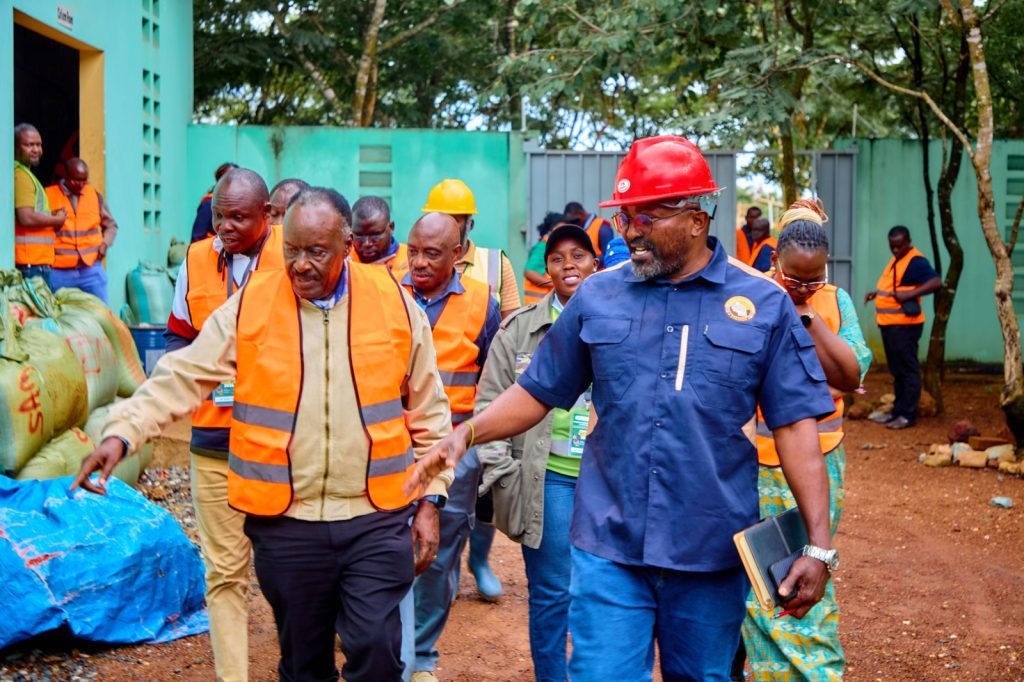
During the visit, the delegation engaged with the Tanzania Mining Commission, the Ministry of Minerals, regional authorities, the Bank of Tanzania, and the State Mining Corporation (STAMICO). Discussions focused on Tanzania’s Mining Act (amended in 2019), licensing systems, the 6% gold royalty framework, and the mandatory mineral market structure requiring 20% of gold production to be sold to the Bank of Tanzania. Field visits to the Geita Mineral Market showcased XRF-based gold testing, transparent pricing mechanisms, and digital traceability systems designed to curb smuggling. At STAMICO’s Centre for Excellence in Lwamgassa, participants reviewed training programs that had supported over 60,000 artisanal miners and facilitated access to financing.
The visit concluded that Tanzania’s structured regulatory environment and institutional support demonstrated how a formalised mining sector could enhance revenue, investment attractiveness, and sustainable development. The symposium further strengthened Uganda–Tanzania relations and opened new pathways for collaboration in mining development, technology transfer, and regional investment across East Africa.
Courtesy Photos