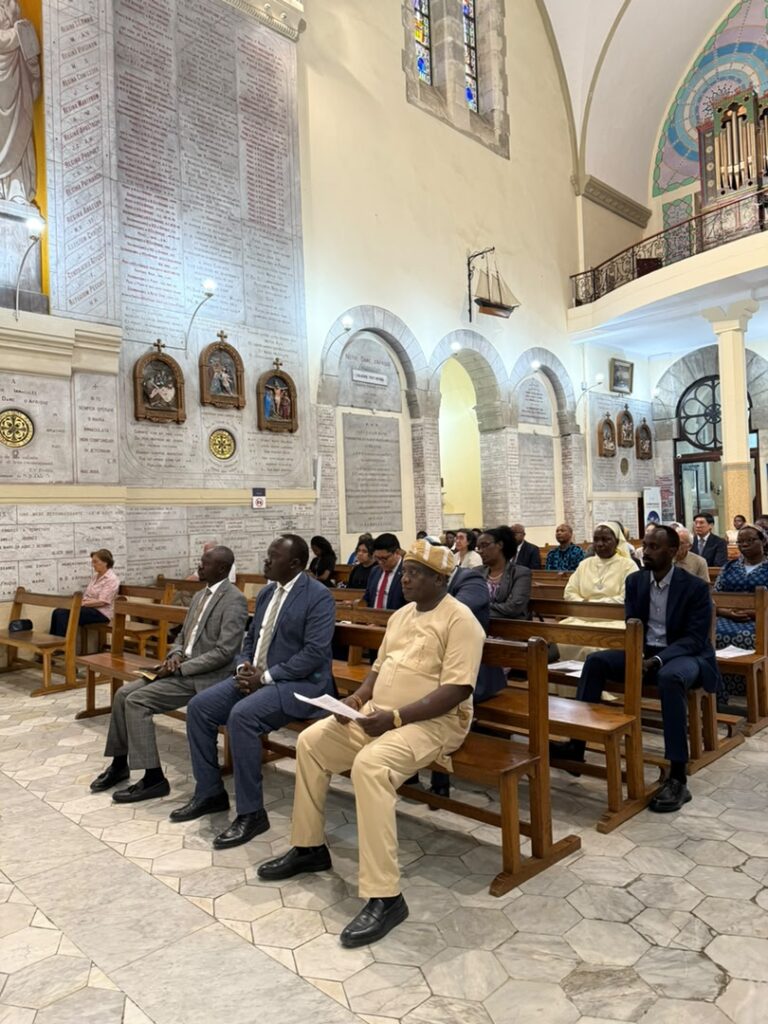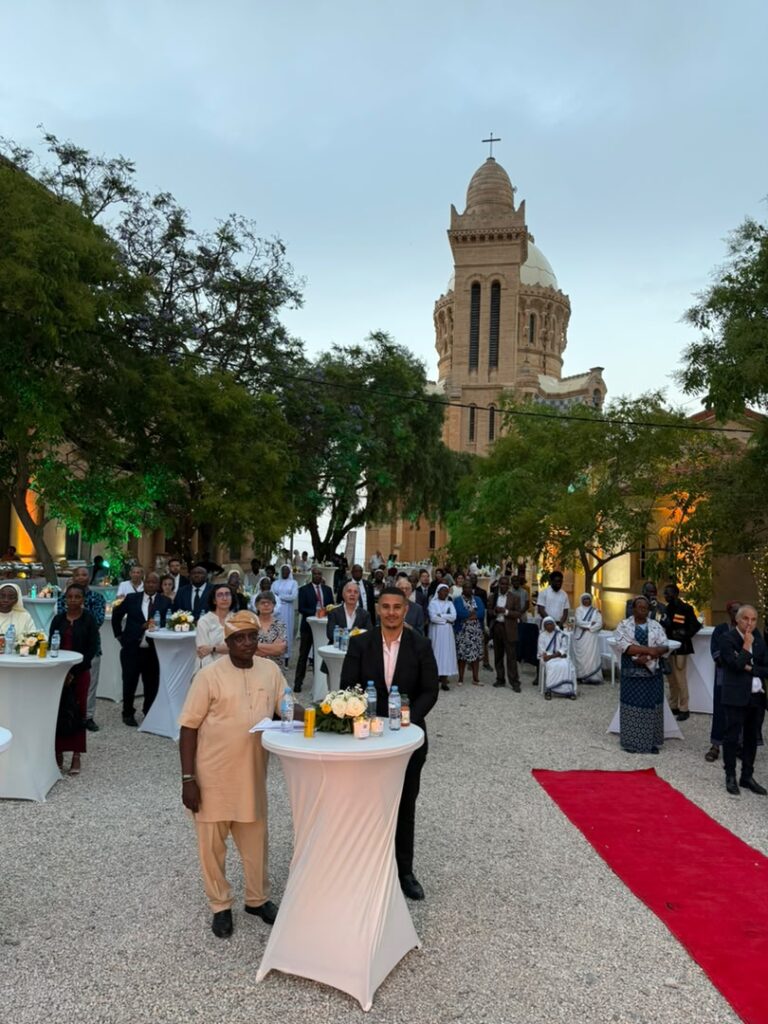
Algiers, Algeria – The Uganda Embassy in Algeria marked Uganda Martyrs’ Day on June 3, 2026, with a solemn commemoration at the historic Notre-Dame d’Afrique Cathedral in Algiers. The event brought together members of the Diplomatic Corps, Ugandan students, and friends of Uganda to reflect on the enduring legacy of the Martyrs and the values they continue to inspire today.
The cathedral holds a special place in Uganda’s Christian history as the site where the first Catholic missionaries to Uganda Fr. Simeon Lourdel (Mapera), Fr. Léon Livinhac, and Brother Amans were trained and commissioned before setting out for Uganda in 1879. Their mission laid the foundation for a faith that later led to the growth of Christianity in Uganda and inspired remarkable courage among early Christian converts. Between 1885 and 1887, a number of these converts remained steadfast in their beliefs despite persecution, becoming the Uganda Martyrs whose sacrifice is still remembered every 3rd June by millions of Christians around the world today. Their story continues to stand as a powerful testament to faith, courage, and conviction. Their sacrifice remains a cornerstone of Uganda’s spiritual heritage and continues to inspire believers across generations.
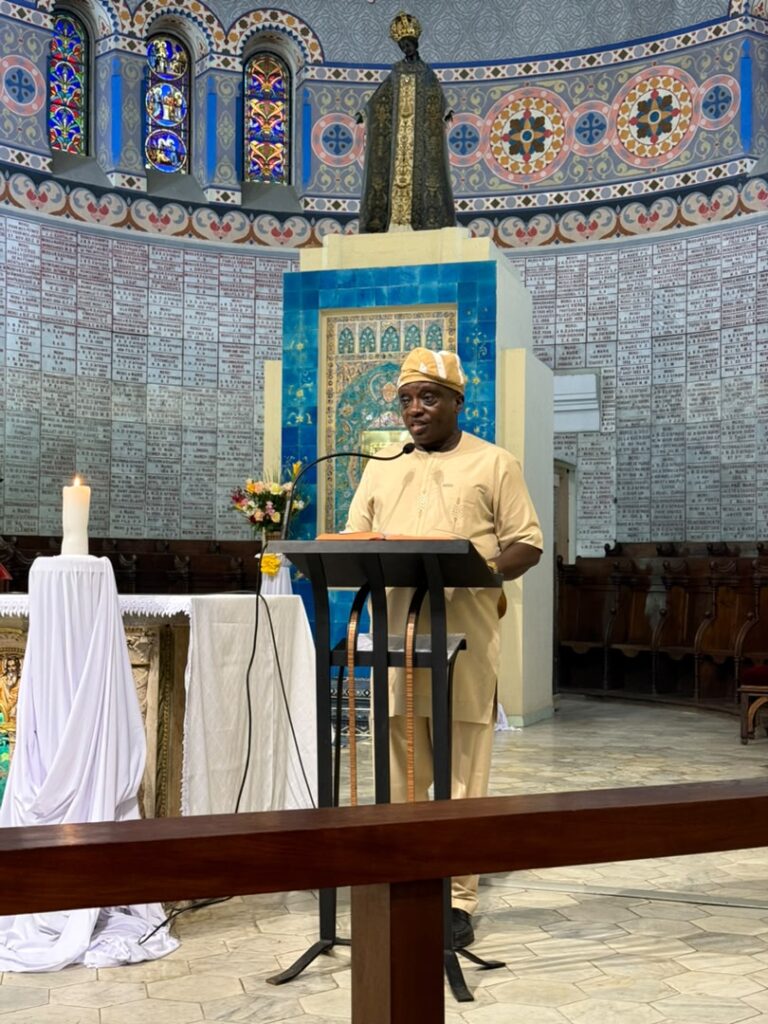
In his closing remarks Amb. Julius Joshua Kivuna (PhD), chargé d’affaires, recalled the Martyrs’ legacy. He emphasised the timeless values they represent, including faith, conviction, resilience, and unity. He also encouraged those present to consider making a pilgrimage to Uganda, particularly to the Uganda Martyrs Shrine in Namugongo, where visitors deepen their faith while experiencing the country’s rich culture, hospitality, and natural beauty.
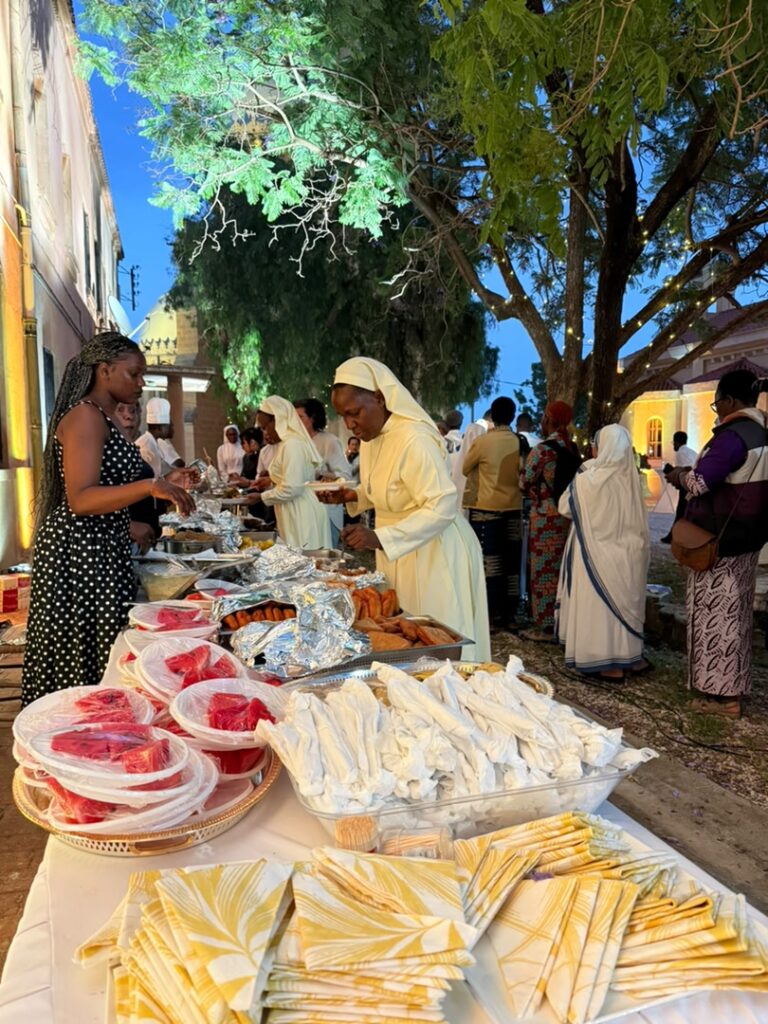
Following the ceremony, guests gathered for a reception featuring traditional Ugandan cuisine. The occasion offered an opportunity for fellowship, cultural exchange, and meaningful conversations among attendees, further strengthening the bonds between Uganda and Algeria while showcasing Uganda’s vibrant heritage. The commemoration served not only as a remembrance of the Uganda Martyrs but also as a celebration of Uganda’s rich spiritual history and the enduring connection between faith, history, and national identity. It highlighted values of faith, resilience, and unity that continue to connect people across cultures, generations, and borders.