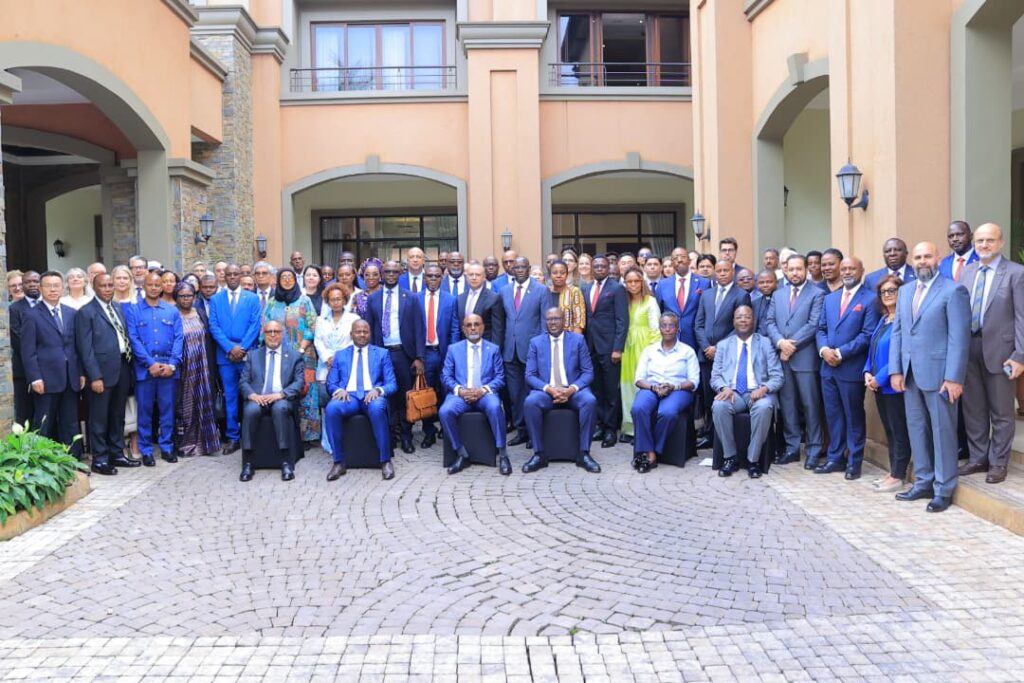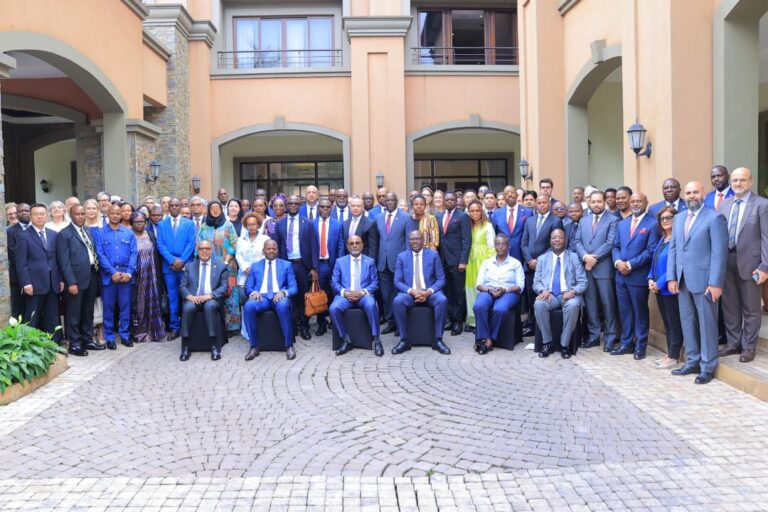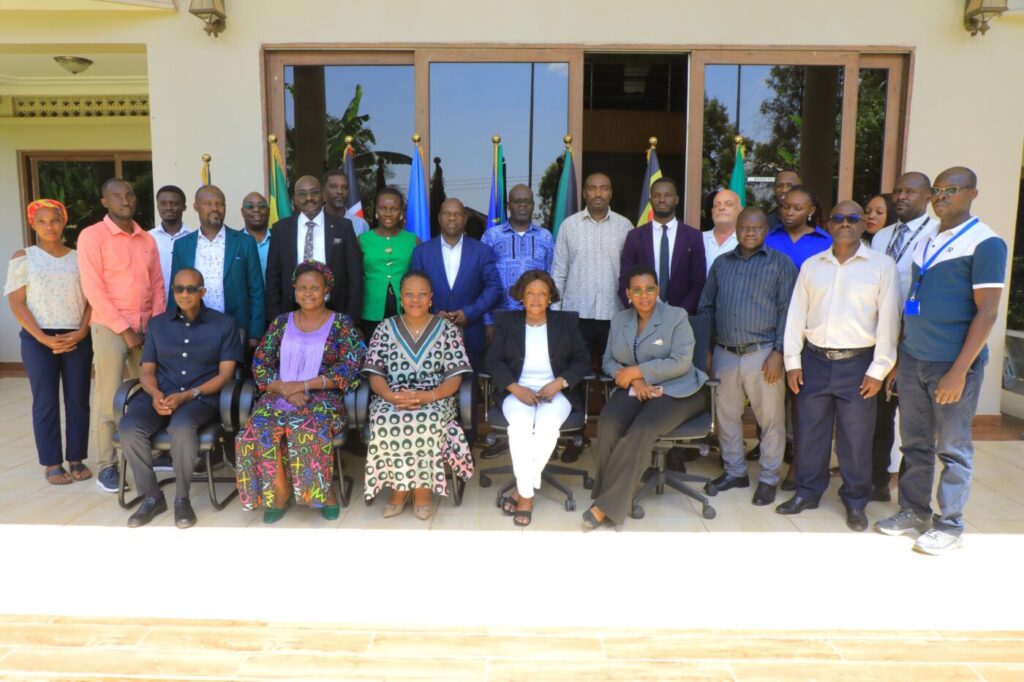
Kampala, Uganda – The Government of Uganda, the Intergovernmental Authority on Development (IGAD) and Development Partners convened in Kampala on 14 August 2026 to consult on a proposed five-year programme aimed at transforming livestock systems, strengthening peace and building resilient livelihoods in the Karamoja sub-region.
The Integrated Livestock Development, Peacebuilding and Resilience Enhancement for Sustainable Livelihoods in Karamoja (ILPRE-Karamoja) programme was proposed for implementation from January 2027 to December 2031. The initiative was positioned as a practical extension of Uganda’s broader development and regional peacebuilding priorities, building on lessons from the IGAD Drylands Strategy and the 14-year Karamoja Integrated Development Programme.
Opening the National Consultative Workshop in Naguru, Ms. Joselyn Bigirwa, Head of the IGAD Mission to Uganda, said the programme had emerged from high-level engagements between IGAD Executive Secretary H.E. Dr. Workneh Gebeyehu and Gen. Salim Saleh, followed by guidance from the Office of the President. She said the proposed intervention would be organised around five pillars: improving livestock productivity; strengthening sustainable cross-border management of grazing and water resources; preventing and managing conflict; developing livestock markets; and improving land-use governance. Women and youth were identified as key beneficiaries and actors in implementation. “The communities must be positioned as active drivers rather than passive recipients of development,” Ms. Bigirwa emphasised.
The proposed programme was expected to complement Uganda’s Karamoja Integrated Development Programme and the Fourth National Development Plan, with coordination involving the Office of the Prime Minister, Operation Wealth Creation and the Ministry of Foreign Affairs. The scale of the development challenge remained significant. Presenting the Karamoja Regional Development Plan, Ms. Brenda Apio, Senior Economist at the National Planning Authority, reported that the 2023/24 National Household Survey placed poverty in the region at 74.2 percent. Cabinet approved the 10-year Regional Development Plan on 21 July 2025, with an estimated investment requirement of Shs15.1 trillion through 2035.
The plan included major proposed investments such as Kidepo International Airport, an industrial park and cement plants in Moroto, meat and hides processing facilities in Kotido, and a Karamoja Peace and Technology University, alongside investments in education and water infrastructure.
Delivering the keynote address, Dr. Edith Namutebi Nsubuga, Head of the Peace and Security Department at the Ministry of Foreign Affairs, linked stability directly to economic transformation. “Government remains committed to providing an enabling security environment so that development actors can prioritise livelihoods and resilience,” she stated. She called for stronger coordination between security and development actors, greater community ownership, accelerated economic empowerment and disciplined implementation of the 2027–2031 programme.
The workshop also highlighted evidence of locally driven resilience. Mr. Rony Oved, Founder and Chief Executive Officer of AgroMax Uganda Ltd, presented the Sustainable Business Development Initiative, which had operated across 11 villages and 370 households in Nakapiripirit District. Participants ultimately agreed that ILPRE-Karamoja provided an opportunity to connect livestock development, peacebuilding, climate resilience, cross-border cooperation and economic diplomacy within one coordinated framework. Its success, however, was considered dependent on sustained financing, institutional coordination, accountability and meaningful community ownership.
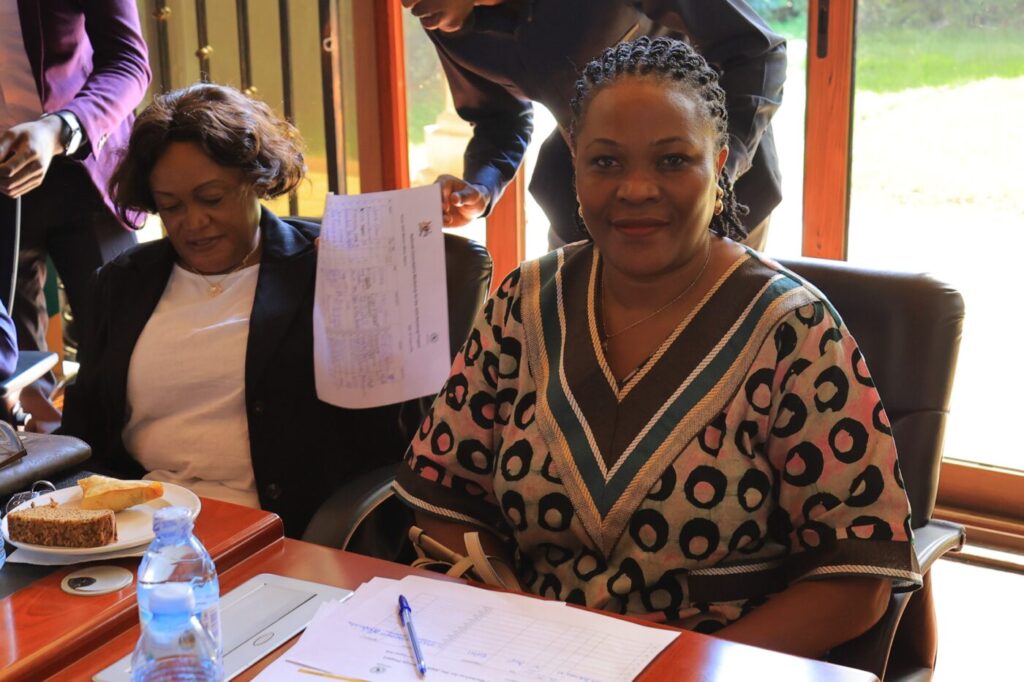
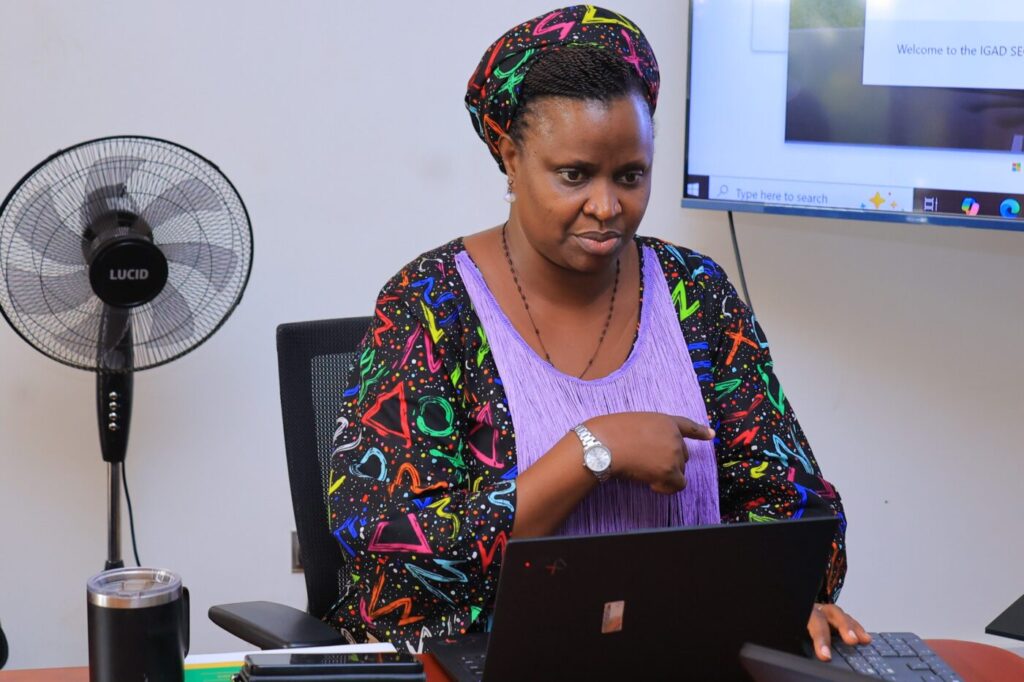
Photo credit: Herbert Ssekatawa
Courtesy Photos