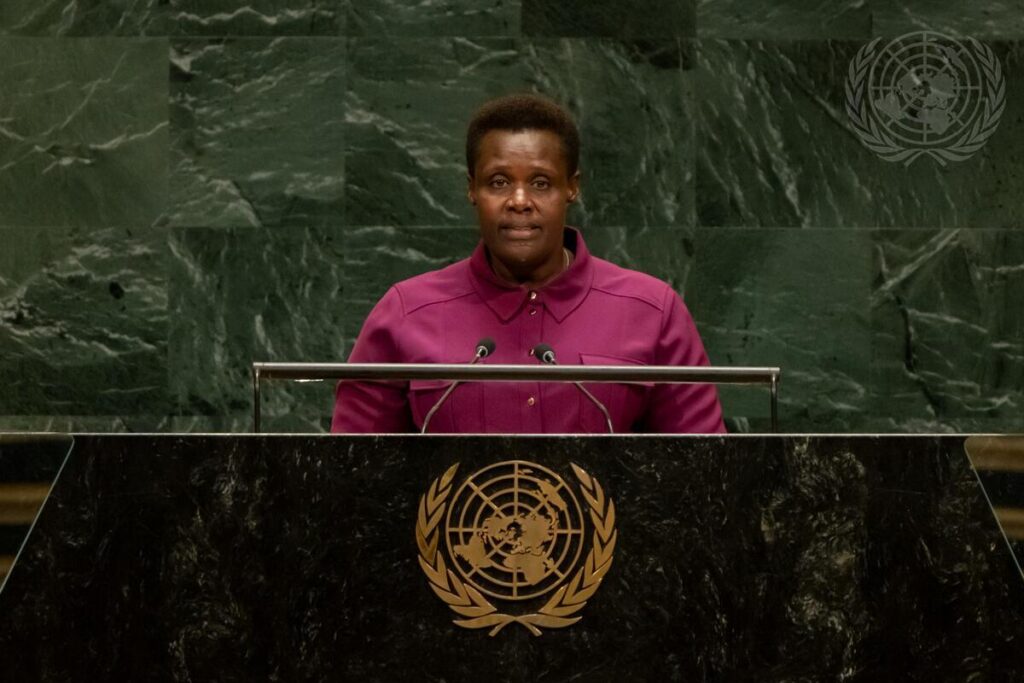
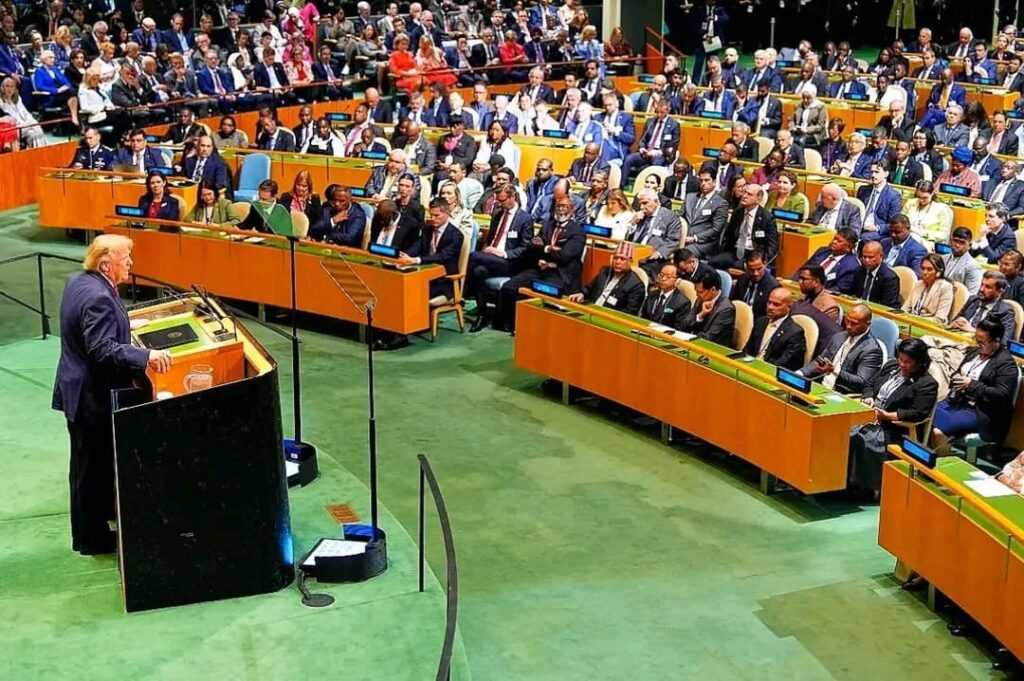
New York, USA — Uganda used the opening of the 81st Session of the United Nations General Assembly to reaffirm its commitment to multilateralism, international cooperation and a more representative global governance system, while calling for renewed efforts to address conflict, development financing, global inequality and institutional reform.
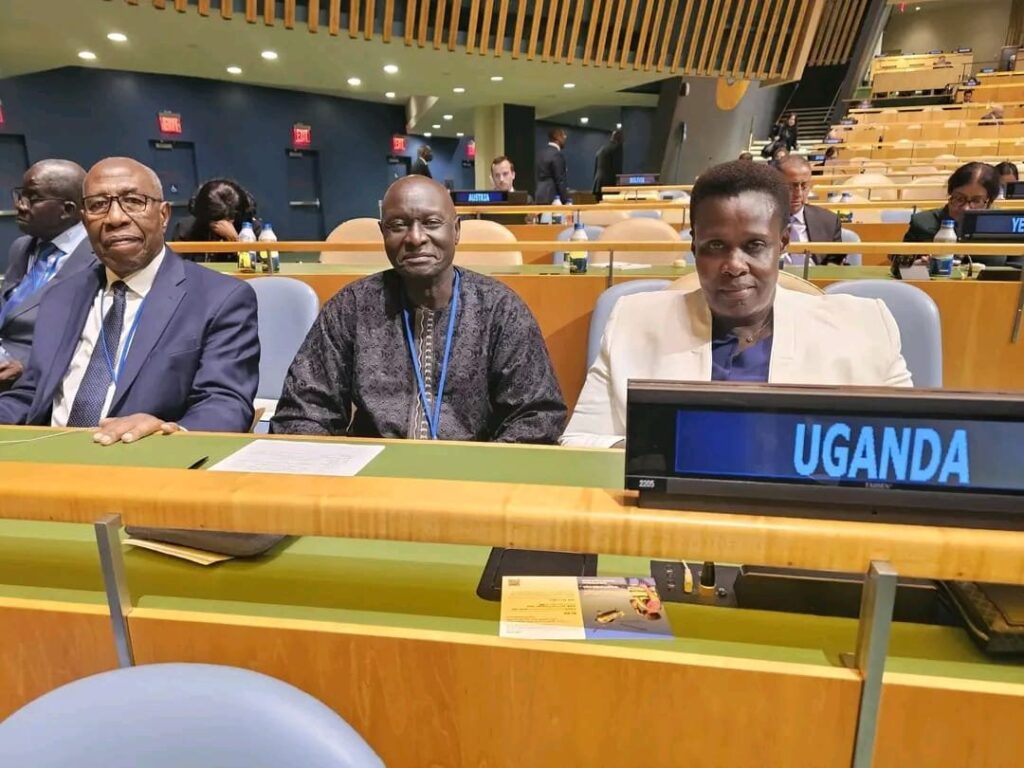
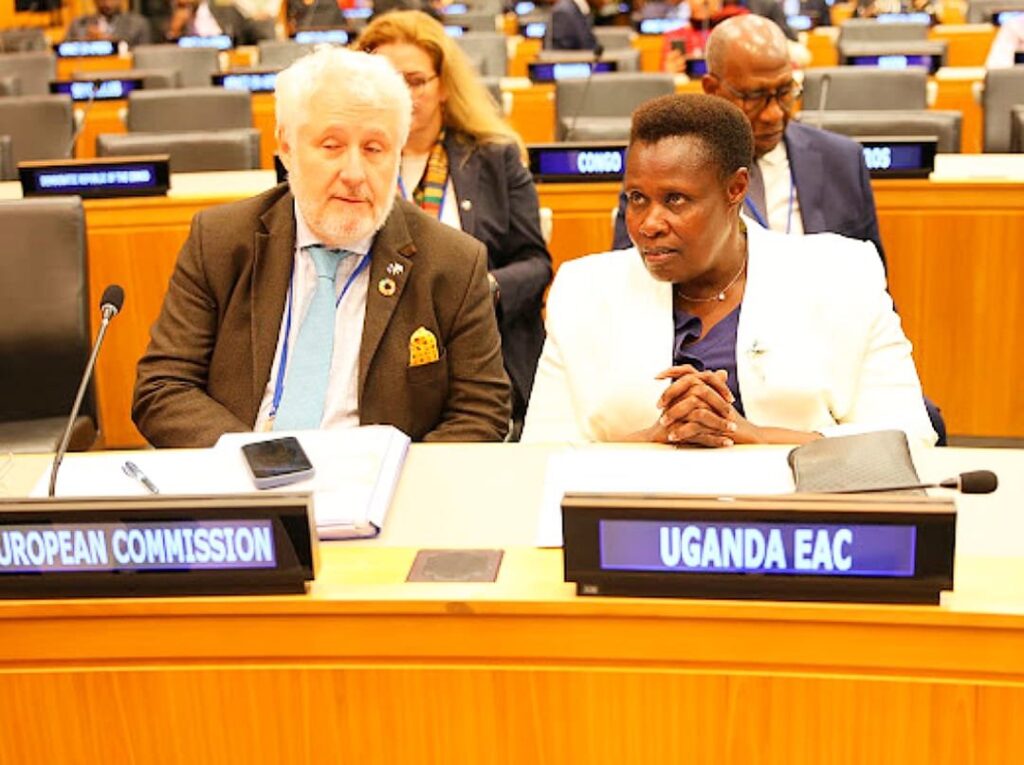
Representing H.E President Yoweri Kaguta Museveni at the General Debate, H.E. Jessica Rose Epel Alupo, the Vice President of the Republic of Uganda, delivered Uganda’s national statement under the Assembly’s theme, “Restoring Trust, Managing Transformation: A United Nations That Delivers for All.” The 81st session opened on 8 September 2026, with the High-Level Week and General Debate taking place from 22 to 28 September in New York. The session was presided over by H.E. Dr. Khalilur Rahman of Bangladesh.
The statement placed Uganda’s position within a broader argument: that the challenges confronting the international community from armed conflict and humanitarian crises to development financing constraints and widening inequalities require stronger international cooperation rather than retreat from multilateral institutions.
President Museveni’s message was delivered by H.E. Jessica Rose Epel Alupo, recalled the circumstances in which the United Nations was established following the Second World War and emphasised the continuing relevance of the principles of the UN Charter.
Uganda reaffirmed its support for the Charter and for the interconnected international agendas of peace and security, human rights, humanitarian action and sustainable development.The position comes at a moment when the 81st General Assembly itself has placed renewed multilateralism at the centre of its programme. President Rahman’s priorities include conflict prevention and peacebuilding, sustainable development, rights and humanitarian protection, inclusive technological governance, and reform of the UN system. For Uganda, restoring confidence in multilateralism also requires institutions capable of adapting to contemporary geopolitical and economic realities.
A central element of Uganda’s statement was the call for comprehensive reform of the UN Security Council. Uganda argued that the Council should become more equitable, transparent, democratic and representative, with Africa receiving representation in both the permanent and non-permanent categories. The call reflects the longstanding African Common Position articulated through the Ezulwini Consensus and the Sirte Declaration, which seek to address what African states regard as the continent’s historical under-representation in the principal UN body responsible for international peace and security.
Uganda also addressed the ongoing UN80 reform process, welcoming efforts to make the UN system more efficient, coordinated and cost-effective. At the same time, it stressed that institutional streamlining should preserve existing mandates and commitments and should not undermine implementation of the 2030 Agenda for Sustainable Development. The emphasis on institutional reform closely intersects with the priorities of the 81st General Assembly presidency, which has identified renewed multilateralism and UN80 reform as one of its six principal pillars.
Uganda also placed development financing at the heart of its intervention, arguing that progress towards the Sustainable Development Goals remains constrained by limited fiscal space in developing countries. The statement highlighted the pressure created by debt-servicing obligations and called for reforms to the international financial architecture that would give developing countries a stronger voice in global economic decision-making.
Uganda further stressed the importance of domestic resource mobilisation and an inclusive international tax system capable of strengthening cooperation, addressing illicit financial flows and responding to challenges associated with cross-border taxation and profit shifting. The message linked these international reforms to Uganda’s own development strategy.
Uganda is implementing the Fourth National Development Plan (NDP IV), covering FY2025/26–FY2029/30, as the first of three five-year plans intended to advance the country’s tenfold economic growth strategy. The National Planning Authority describes NDP IV as being focused on sustainable industrialisation, inclusive growth, employment and wealth creation, with value addition, private-sector development, productive infrastructure and improved productivity among its core objectives. Within this framework, Uganda is prioritising agro-industrialisation, tourism, minerals, and science, technology and innovation, the four areas commonly referred to as ATMS as strategic drivers of economic transformation. The Government’s Tenfold Growth Strategy envisages doubling the size of the economy every five years as part of the broader ambition to transform Uganda’s productive capacity before 2040.
On international peace and security, Uganda emphasised the importance of diplomatic and political solutions to conflicts. The statement argued that many conflicts have roots in unresolved local and regional grievances and therefore require approaches that are politically led, locally owned and attentive to the underlying causes of instability.
Uganda reaffirmed its contribution to regional peace and security, particularly in the Great Lakes and Horn of Africa regions, while situating its approach within a Pan-African framework centred on regional cooperation and collective action. This position reflects Uganda’s broader diplomatic emphasis on regional mechanisms as important instruments for addressing African peace and security challenges.
The statement also placed health within Uganda’s wider development and international cooperation agenda. Under NDP IV, Uganda is expanding investments in health infrastructure, regional referral hospitals and digital health systems, while continuing efforts to address both communicable and non-communicable diseases. Uganda highlighted its experience in responding to infectious disease outbreaks and called for greater international cooperation to close financing gaps, strengthen pandemic preparedness and promote equitable access to diagnostics, medicines and vaccines. The message frames health security not only as a national development concern but as an area in which international solidarity remains essential.
As Chair of the Non-Aligned Movement (NAM), Uganda reaffirmed its commitment to strengthening solidarity and cooperation among developing countries. The statement reiterated Uganda’s support for advancing the international right to development and for transforming the 1986 Declaration on the Right to Development into a binding operational framework addressing structural inequalities.
Uganda also announced preparations to host the NAM Coordinating Bureau Ministerial Meeting in Kampala from 2–4 December 2026, providing another platform for consultations among NAM Member States and observers. The initiative adds a further dimension to Uganda’s multilateral diplomacy at a time when questions surrounding global governance, development finance and equitable representation remain prominent within the international system.
The General Assembly statement also referred to Uganda’s candidature of Ambassador Olara Otunnu for the position of Secretary-General of the United Nations. Uganda formally submitted Otunnu’s candidature in July 2026. The UN subsequently recorded his nomination in the official process for selecting the next Secretary-General. Otunnu previously served as UN Under-Secretary-General and Special Representative of the Secretary-General for Children and Armed Conflict from 1998 to 2005. Uganda has presented his experience across the UN system, diplomacy, peacebuilding and public administration as part of the basis for his candidature.
The nomination comes as Member States engage in the established process to select a successor to Secretary-General António Guterres, whose term concludes at the end of 2026. The Secretary-General is appointed by the General Assembly upon the recommendation of the Security Council under Article 97 of the UN Charter. Uganda’s presentation of its candidate forms part of its wider engagement with the future direction and leadership of the multilateral system.
In concluding the statement, Uganda reiterated that the United Nations remains a central institution for international peace, human rights and development, while arguing that its continued relevance depends on its capacity to reform and respond to changing global realities. The message from Kampala to New York was therefore both a reaffirmation and a call for renewal: reaffirmation of the principles of the UN Charter and international cooperation; and renewal of the institutions, financing arrangements and representation structures through which those principles are implemented.
For Uganda, the debate over the future of multilateralism is inseparable from the concerns of developing countries over peace, development financing, economic opportunity, technological change and representation in global decision-making. As the 81st General Assembly proceeds under the theme of restoring trust and managing transformation, Uganda’s intervention places African priorities firmly within that wider global conversation linking the reform of international institutions with the practical requirements of peace, sustainable development and a more inclusive international order.
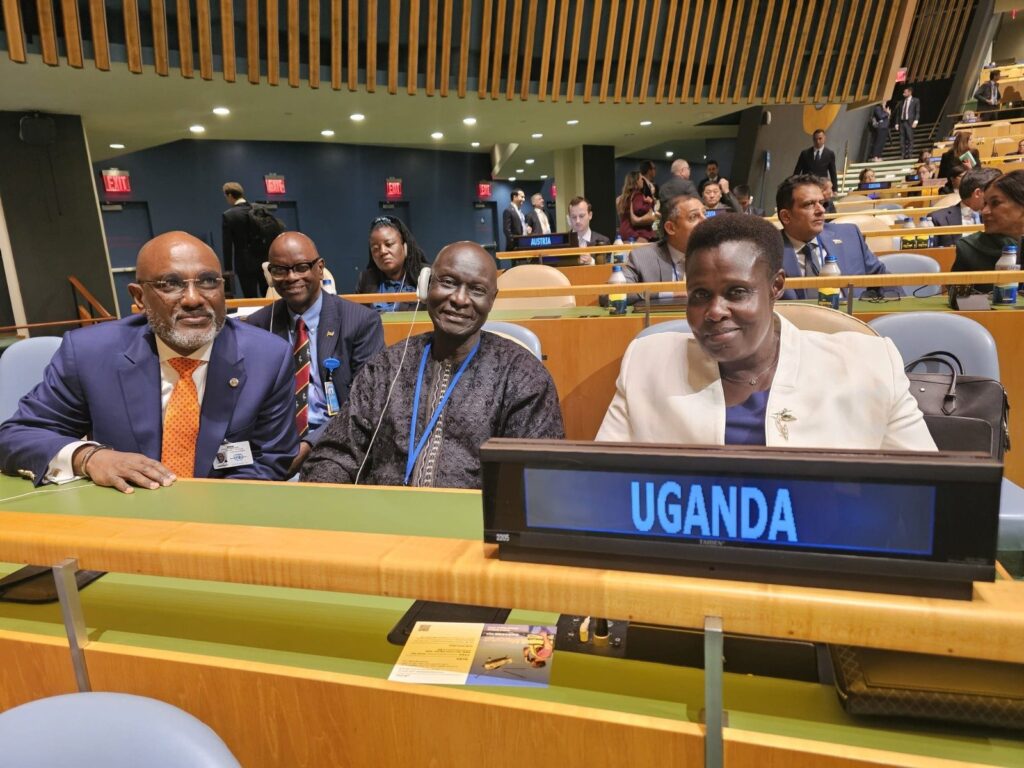
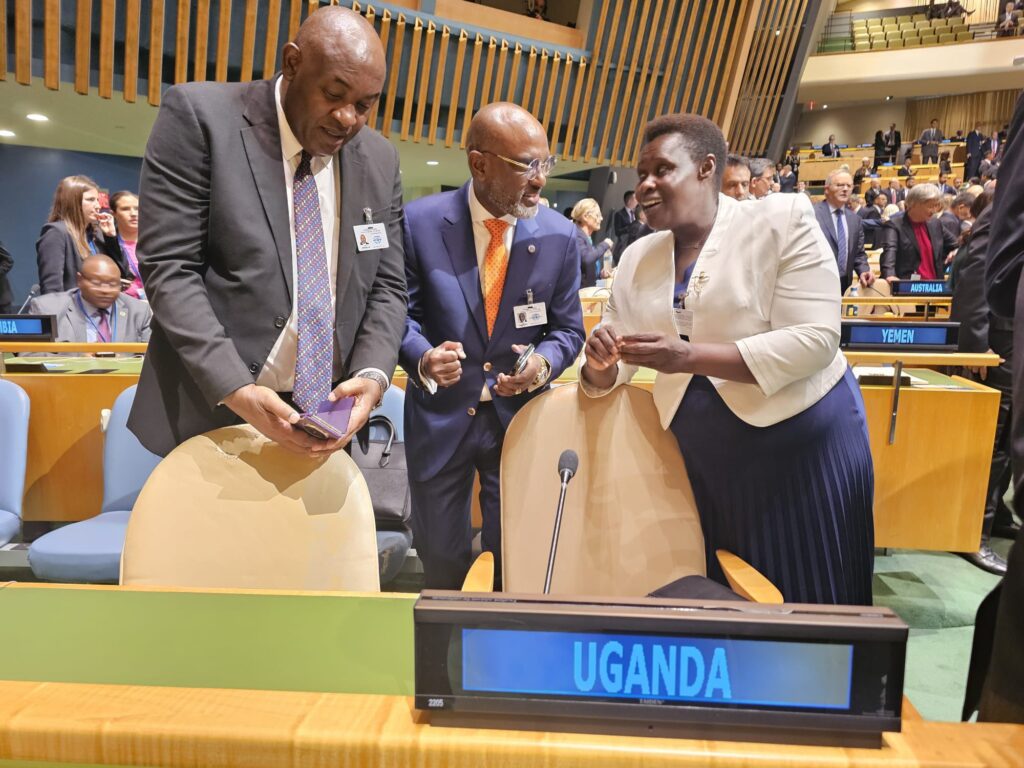
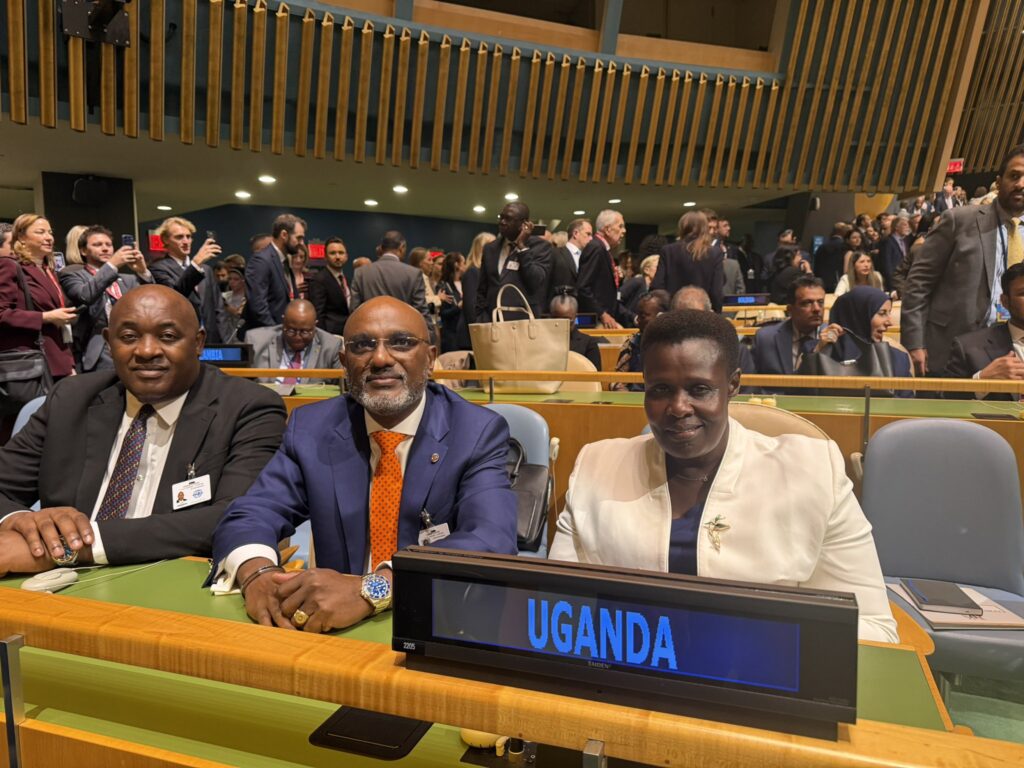
Courtesy Photos