CAIRO, EGYPT
Uganda showcased its investment and partnership opportunities in water management, renewable energy and related infrastructure at the Aqua Energy Expo in Cairo, as the Embassy of Uganda in Egypt sought to deepen economic and commercial cooperation between Uganda and Egypt.
The two-day exhibition, held from 14–15 September 2026, provided Uganda with a platform to present its investment opportunities to Egyptian and wider Middle Eastern and African business communities while identifying potential investors, technology providers and strategic partners for Uganda’s growing infrastructure needs.
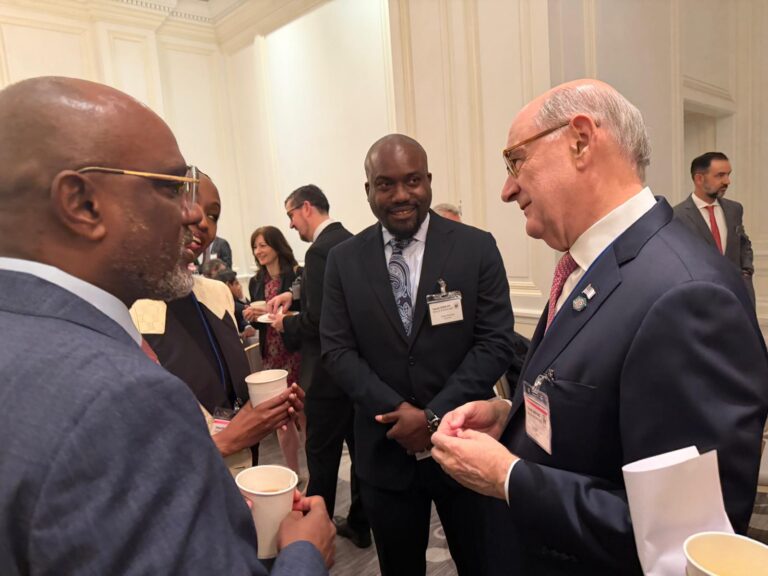
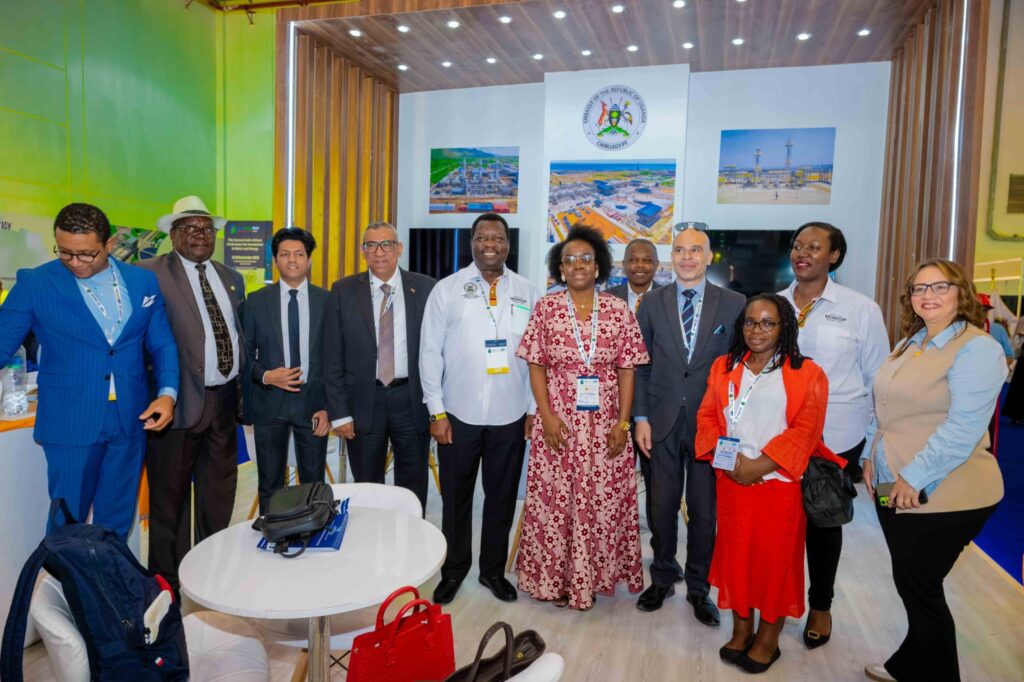
The Uganda Embassy stall was officially opened by Deputy Head of Mission Ambassador Rtd. Lt. Gen. Charles Angina, together with Mrs. Alice Ndagire of the Uganda Investment Authority (UIA) and Engineer Musiimenta Bakeine from the Ministry of Water and Environment. The participation positioned Uganda’s water and energy sectors within a rapidly expanding regional market driven by water scarcity, urbanisation, industrialisation, climate pressures and rising demand for sustainable infrastructure.
Opening the Uganda stall, Ambassador Angina underscored the importance of translating longstanding Uganda–Egypt relations into practical economic partnerships. The engagement provided an opportunity to present Uganda as a destination for investment, technology transfer and joint ventures while identifying Egyptian expertise and capital that could support Uganda’s infrastructure and industrial transformation.
The exhibition also provided a platform to strengthen Uganda’s Economic and Commercial Diplomacy, particularly by connecting government institutions and Ugandan investment opportunities with Egyptian and wider regional companies operating in water treatment, desalination, renewable energy and related technologies.
The commercial opportunity is significant. Egypt’s government has allocated EGP 77 billion in public investment to the water and wastewater sector for FY2025/26, alongside EGP 100 billion for electricity and renewable energy. The plan includes 17 desalination plants with combined capacity of 455,000 cubic metres and 33 treatment plants with capacity of 802,000 cubic metres.
Egypt has also set a target for renewable energy to account for 42% of electricity generation by 2030, creating further demand for investment, technology and private-sector participation in the energy transition.
Water and energy therefore offer practical areas for the next phase of Uganda–Egypt economic cooperation. Uganda’s abundant freshwater resources, growing industrial base and expanding infrastructure needs can complement Egypt’s experience in water engineering, treatment, desalination, renewable energy and infrastructure development. The Aqua Energy Expo consequently served not only as an exhibition but as a platform for market intelligence, investment promotion, technology partnerships and business-to-business engagement.
Uganda’s participation reinforced the Embassy’s commitment to transforming diplomatic relations into measurable economic outcomes more investment, stronger commercial partnerships, technology transfer, infrastructure development and expanded opportunities for both Ugandan and Egyptian enterprises. The message from Cairo was clear: strong bilateral relations must increasingly translate into investment, innovation and commercially viable partnerships that contribute to sustainable development in both countries.
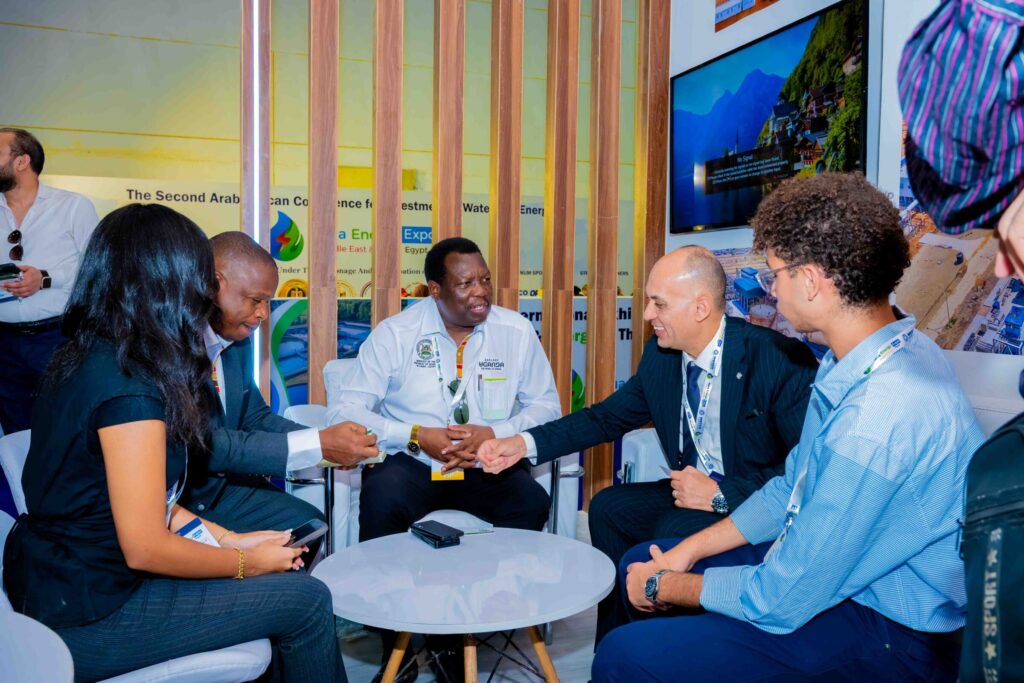
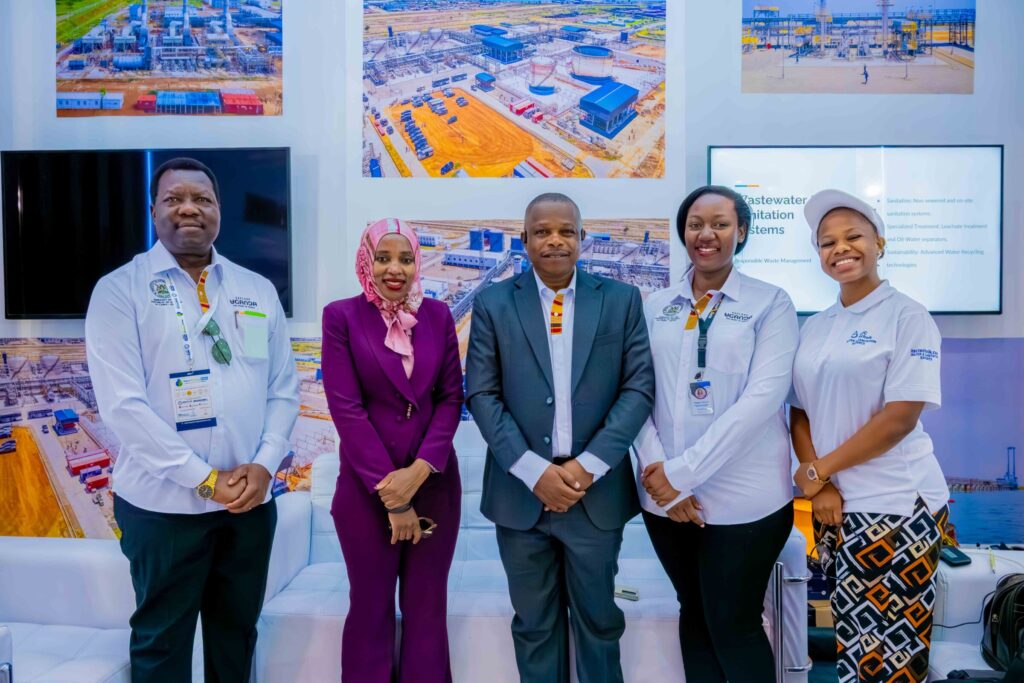
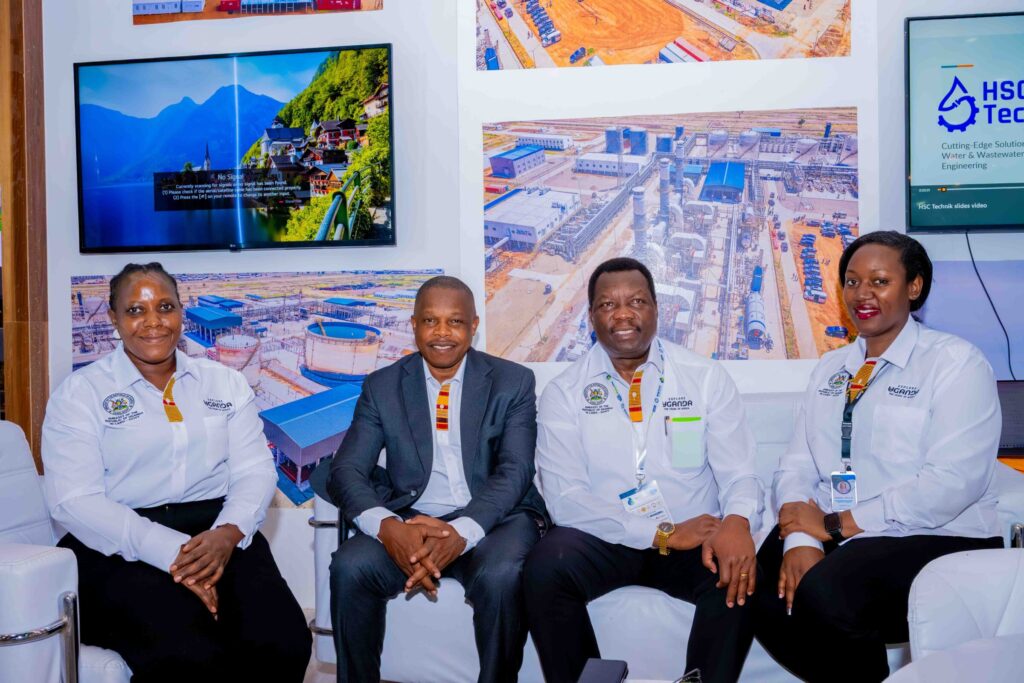
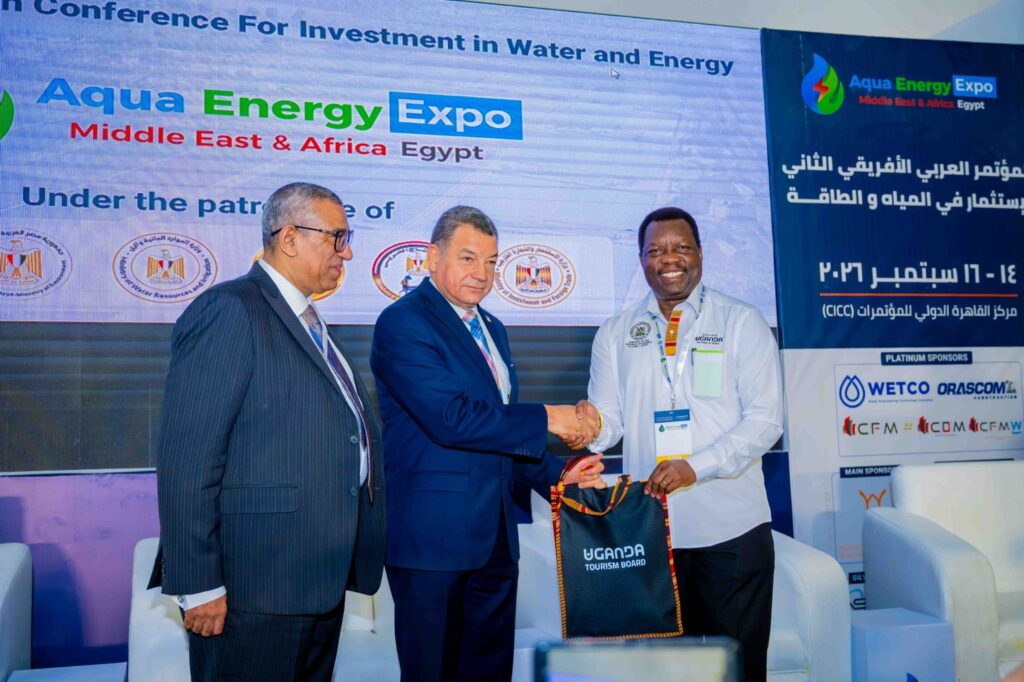
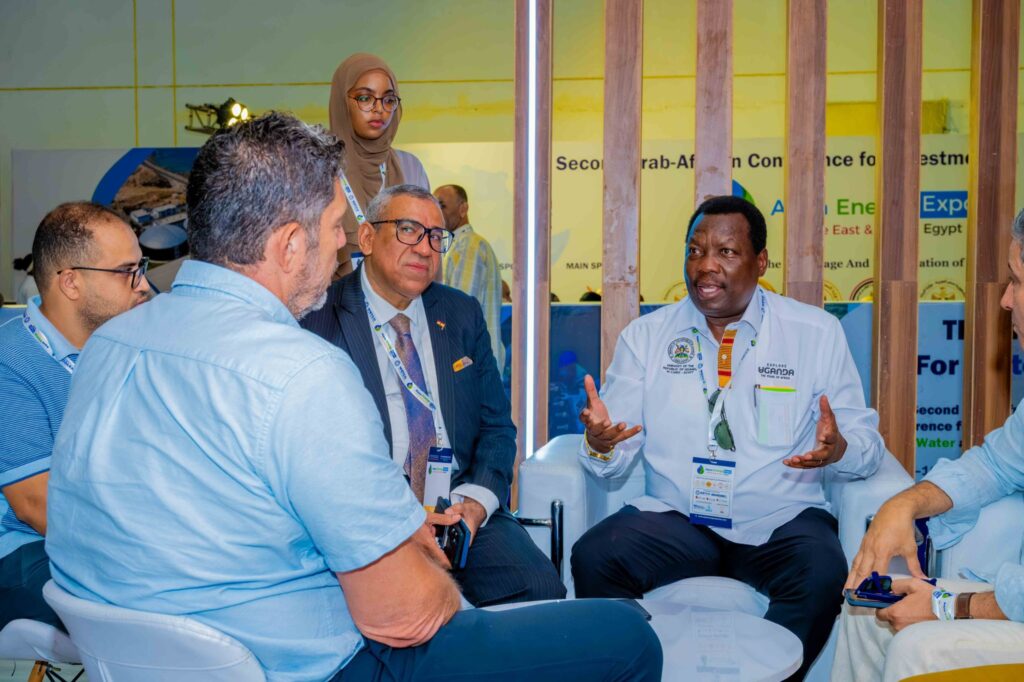
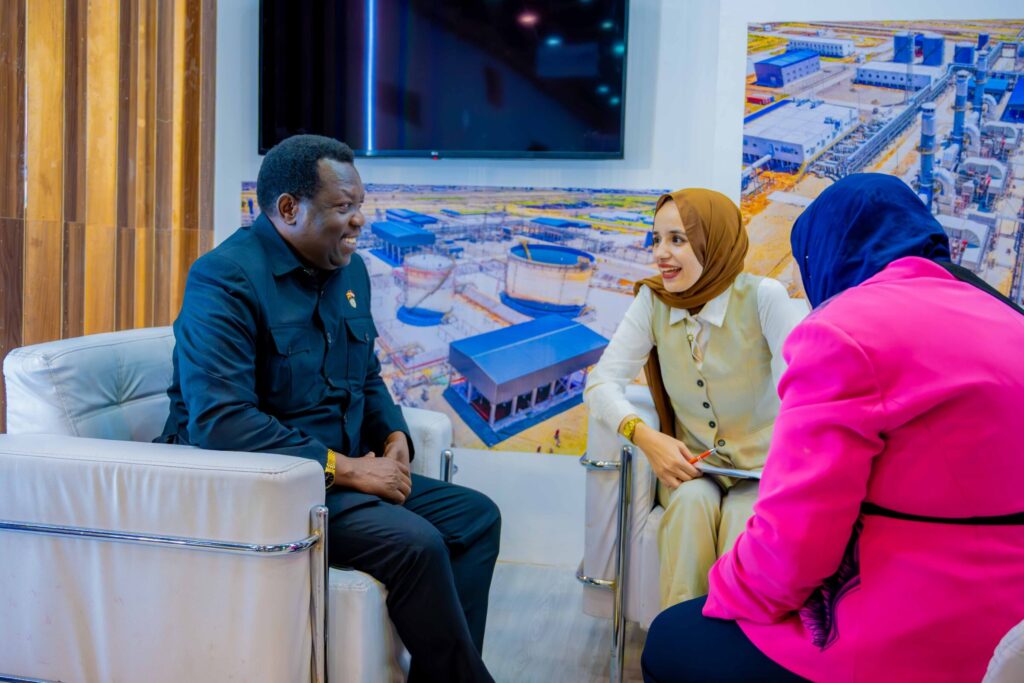
Photo Credit: Uganda Embassy Cairo