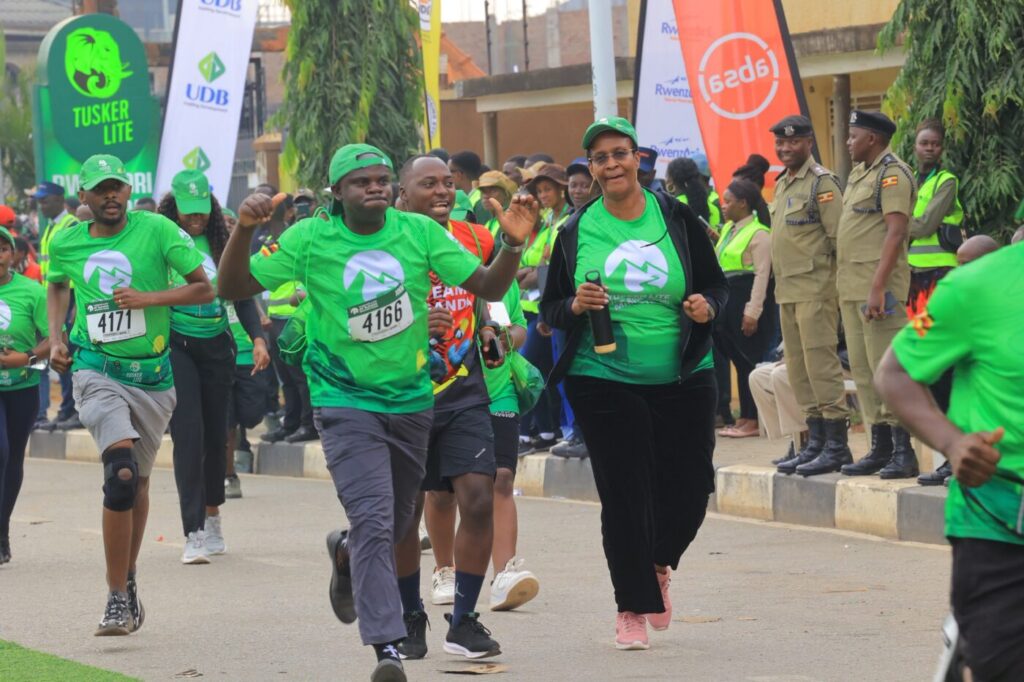
Kasese, Uganda – The 5th edition of the Tusker Lite Mt. Rwenzori Marathon, held in Kasese on 22 August 2026, demonstrated the growing role of sports as an instrument of Uganda’s Public Diplomacy and Economic and Commercial Diplomacy. What begun as a relatively modest sporting event has developed into an international platform that connects Uganda with athletes, tourists, businesses, media, sporting institutions and communities from across the world.
The marathon demonstrated how Uganda’s diplomatic network has transformed a sporting event into an international platform for tourism promotion, public diplomacy, regional engagement and economic opportunity, drawing more than 8,000 participants from over 40 countries to Kasese. The growth has been remarkable. Participation has increased from approximately 800 runners from four countries in 2022, to 2,200 runners from 17 countries in 2023, 4,000 from 33 countries in 2024, and 6,000 from 36 countries in 2025. By 2026, participation exceeded 8,000, and attained the World Athletics Label Road Race status, making it the first event of its kind in Uganda to receive the international designation.
The international growth of the marathon was supported by deliberate diplomatic engagement. Uganda’s Missions abroad were mobilised to take the Rwenzori story into their countries of accreditation. According to Mr. Amos Wekesa, team lead at the Tusker Lite Rwenzori Marathon, 29 Uganda Missions carried out activations to promote the marathon, engage sporting communities and encourage participation. The mobilisation demonstrated how diplomatic infrastructure can be used not only for conventional representation but also for destination marketing, people-to-people engagement and commercial networking.
Kenya provided the largest international contingent, with the Uganda High Commission in Nairobi and the Uganda Consulate in Mombasa jointly supporting mobilisation that brought in more than 540 Kenyan participants. Tanzania contributed 176 participants, while Rwanda contributed 143. Participating markets and diplomatic activation points included Tanzania, Ethiopia, Australia, Azerbaijan, Bahrain, Barbados, Belgium, Burundi, China, the Democratic Republic of Congo, Denmark, Germany, Malawi, Namibia, the Philippines, South Africa, South Sudan, Spain, Switzerland, Ukraine, the United Kingdom, the United States, Uruguay, Zambia and Zimbabwe. The diplomatic mobilisation was particularly significant because it placed Uganda’s Missions in the role of active links between Uganda and international communities.
The 29-Mission mobilisation provided a practical demonstration of how Public Diplomacy can be linked to measurable national outcomes. Rather than limiting diplomatic engagement to official meetings and formal statements, Missions supported activities that brought Uganda directly into contact with runners, tourism operators, media personalities, sporting communities, potential visitors and business networks. In Addis Ababa, for instance, the Uganda Embassy supported a marathon activation at Entoto Park that attracted more than 500 Ethiopian runners, tourism stakeholders, media personalities and members of the diplomatic community. Similar engagements in East Africa and other markets helped create awareness of Kasese and the Rwenzori region as destinations for adventure, sports, wildlife and cultural tourism. The model demonstrated a wider principle: Uganda’s diplomatic Missions could serve as market-entry platforms for the country, connecting Ugandan tourism operators and enterprises to international consumers, businesses and institutions.
The diplomatic value of the marathon was reinforced by the route itself, Participants experienced a journey that connected the Equator, Queen Elizabeth National Park, wildlife landscapes, rural communities and the Rwenzori Mountains before finishing in Kasese. The experience offered something conventional advertising cannot easily reproduce. A foreign visitor who crossed the Equator, encountered Uganda’s wildlife landscapes, interacted with local communities and eventually completed a marathon beneath the Rwenzori Mountains carried away a personal understanding of Uganda. That experience could subsequently become a story shared with family, friends, colleagues, social-media audiences and professional networks. Public Diplomacy therefore gained an important multiplier: the visitor became part of the communication strategy.
The marathon also took place against the background of Uganda’s expanding tourism economy. Uganda recorded approximately 1.64 million international tourist arrivals in 2025, compared with about 1.37 million in 2024. Tourism receipts reached approximately UGX 5.83 trillion, equivalent to around US$1.62 billion, while the sector supported more than 876,000 jobs. The Rwenzori Marathon contributed to this broader tourism ecosystem by generating demand for accommodation, restaurants, transport, tour guiding, retail, entertainment and other services. Its economic impact therefore extended beyond the athletes themselves, every additional visitor created opportunities for local businesses. Every international participant represented a potential repeat visitor. Every foreign sporting relationship created the possibility of future events, partnerships and investment.
The event provided a practical example of how Public Diplomacy and Economic and Commercial Diplomacy can reinforce each other. The strategic sequence was increasingly evident: Promotion → Engagement → Visibility → Travel → Business Interest → Partnership → Investment → Employment. This was particularly relevant to Uganda’s ambition to increase the value derived from international engagement.
The opportunity was no longer simply to attract visitors but to develop the wider economic ecosystem around them. For the Rwenzori region, this included opportunities in accommodation, adventure tourism, transport, sports infrastructure, cultural tourism, agro-processing, wellness, digital tourism and community-based enterprises. Government support further reflected the strategic importance attached to the event. The National Council of Sports provided UGX 3.7 billion towards the 2026 edition, while the competition carried a prize purse of approximately UGX 252 million.
The international profile of the race was matched by strong performances on the course. Uganda dominated the men’s full marathon podium. Leonard Chemonges won the 42.2-kilometre race in 2:13:25, setting a new course record. Alex Mutai finished second in 2:13:36, while Fred Cherotwo took third in 2:13:49. Kenya’s Margaret Jepchumba won the women’s full marathon in 2:39:15, and Uganda’s Vanice Chemutai finished second in 2:43:32, followed by Joan Chebet in 2:44:08.
In the men’s half marathon, Abel Chebet took first place in approximately 1:02:00, followed by Sam Yeko and Oscar Kibet. The women’s half marathon was won by Gloria Chebet in approximately 1:12:10, with Prisca Chemweno Chesang second and Viola Munerya Chemos third. The results reinforced the regional sporting character of the competition while demonstrating Uganda’s capacity to host an internationally recognised road race.
The deeper significance of the Rwenzori Marathon lay in what happened beyond the race. The 29-Mission mobilisation demonstrated that Uganda’s foreign policy infrastructure could support national development objectives in practical and visible ways. The same diplomatic network that mobilised runners could potentially connect Ugandan enterprises to foreign buyers, tourism operators to international travellers, investors to bankable projects, universities to research partners and sporting institutions to international federations. In this sense, the marathon represented more than sports diplomacy. It provided a working example of integrated economic statecraft. The diplomatic return was measured not only by the number of participants but also by relationships established, perceptions influenced, destinations discovered and opportunities created.
The 2026 Tusker Lite Mount Rwenzori Marathon ultimately demonstrated that diplomacy could be experienced as much as it could be communicated. The more than 8,000 participants who travelled to Kasese encountered Uganda through its landscapes, communities, sporting culture, hospitality and economic possibilities. Behind them stood a network of Uganda Missions that had helped take the story abroad.
From Nairobi to Addis Ababa, from neighbouring East African countries to markets beyond Africa, the diplomatic campaign had demonstrated the value of turning Uganda’s international presence into active national promotion. The marathon therefore created a bridge between sport and diplomacy, tourism and enterprise, international visibility and local opportunity. Its greatest achievement was not confined to the medals awarded or records established, but the network of human connections created around Uganda. The race may have started in the Rwenzoris, but through Uganda’s diplomatic network, its story has travelled across borders and its potential has will continue to reach far beyond the finish line.
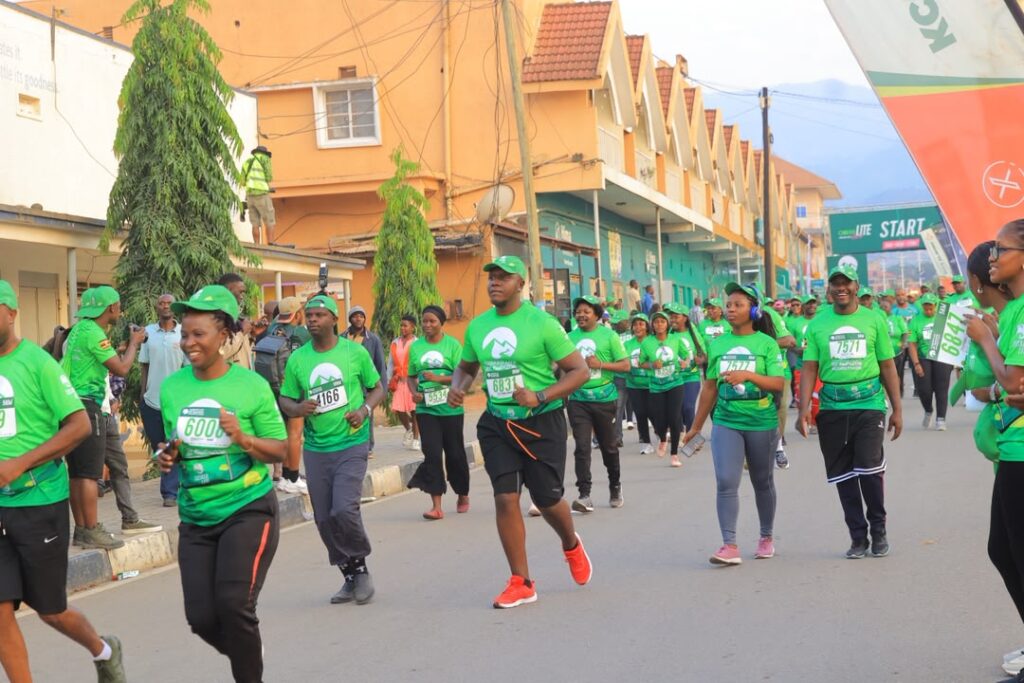
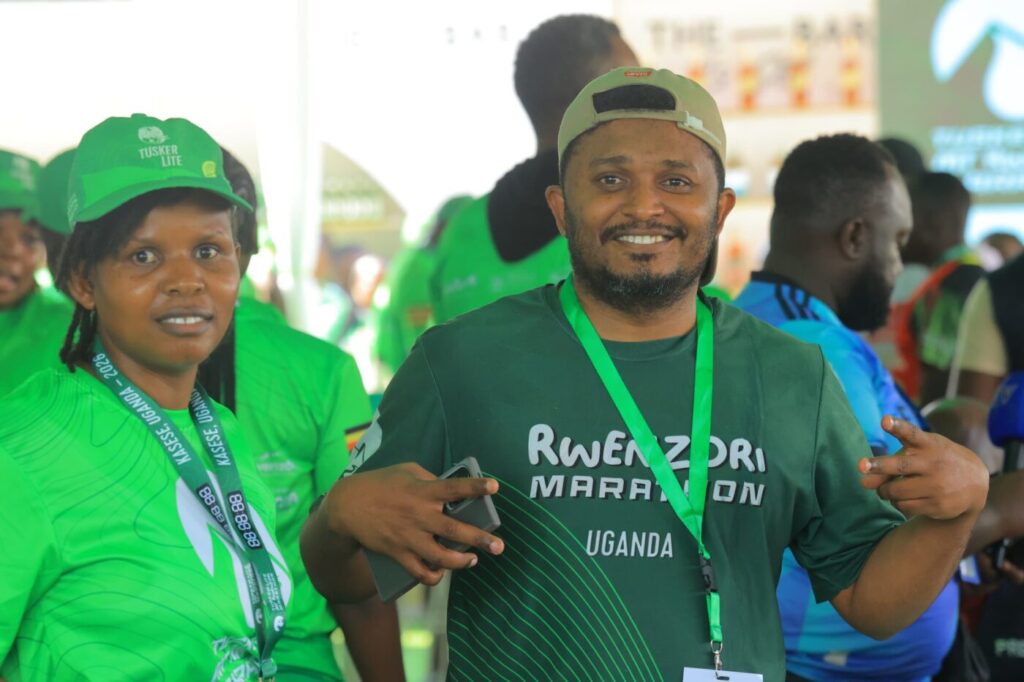
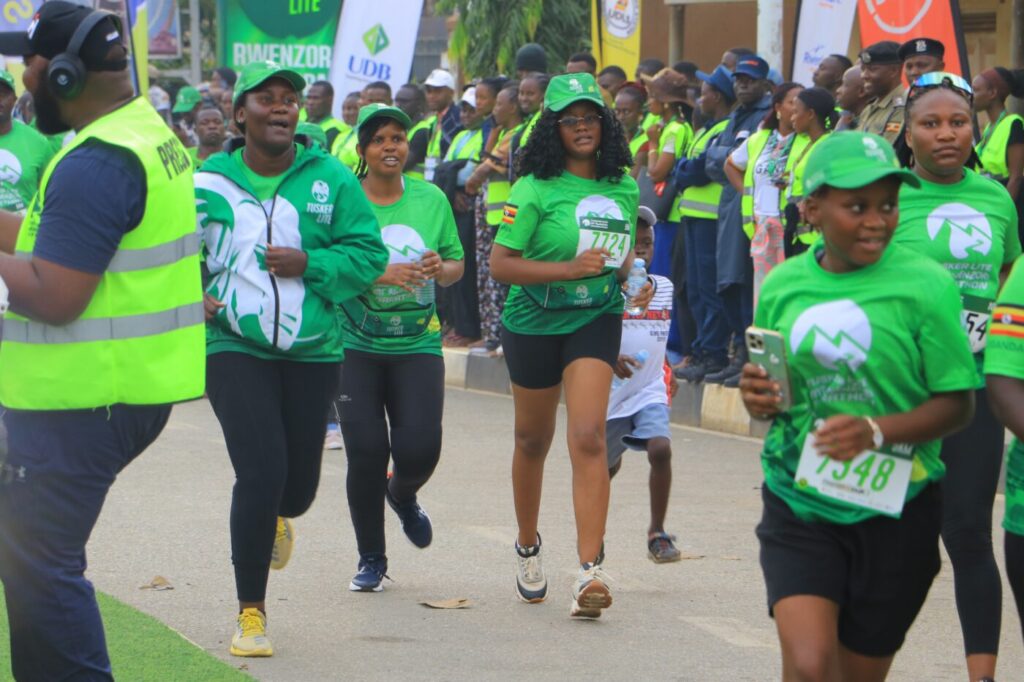
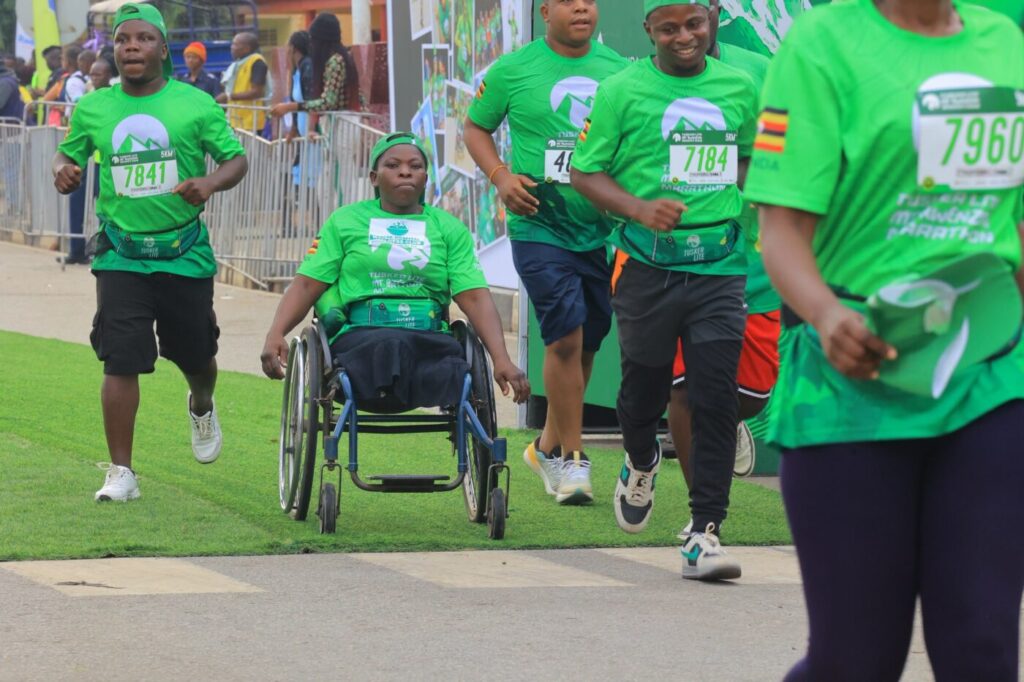
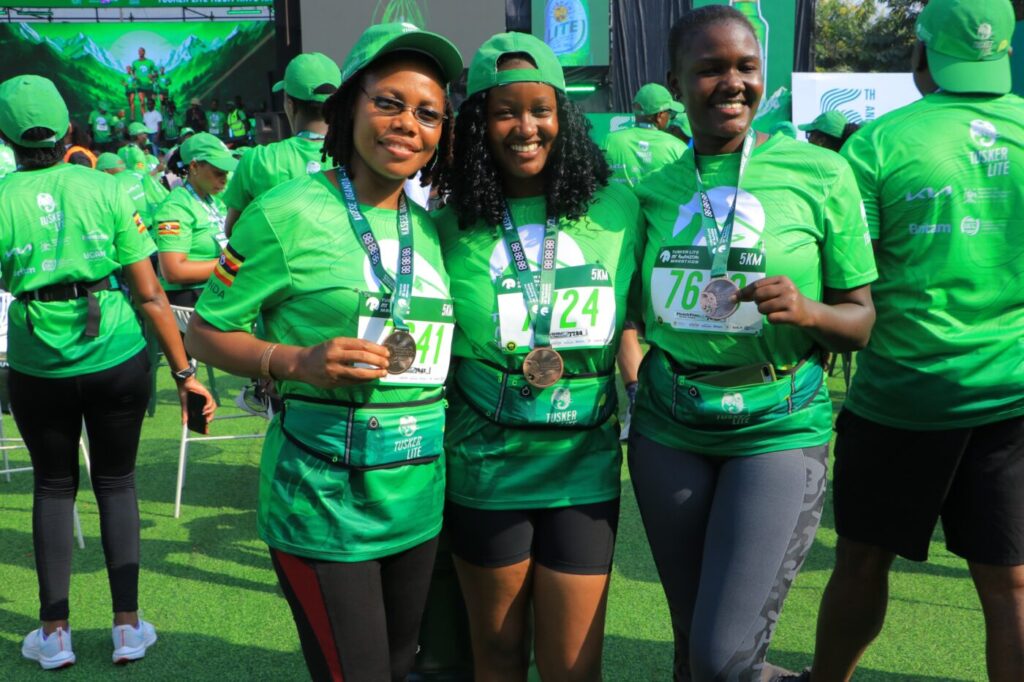
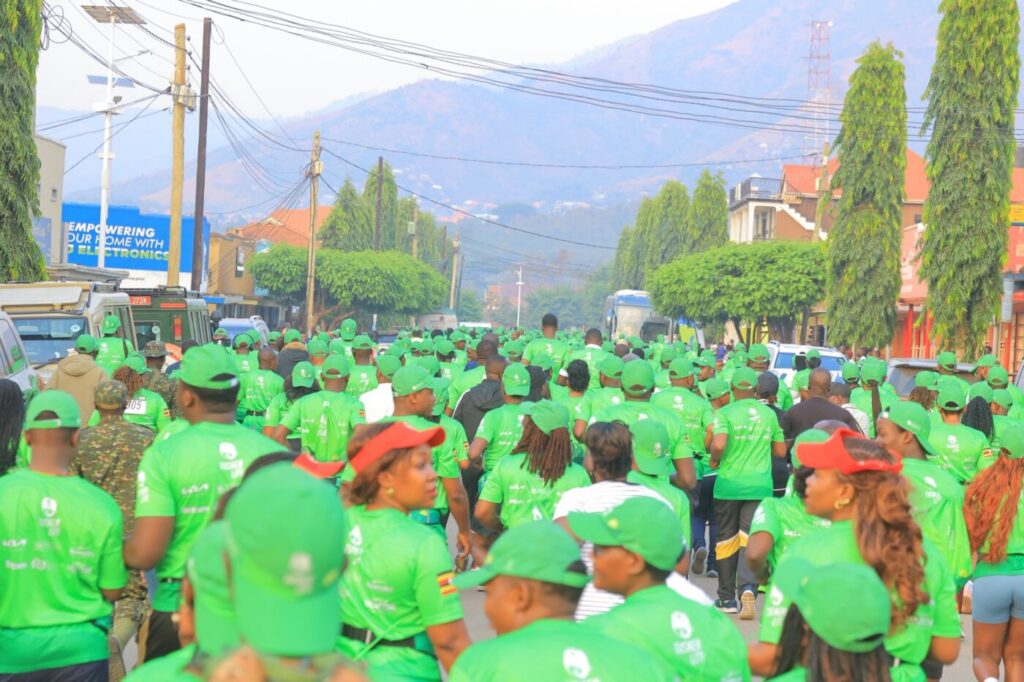
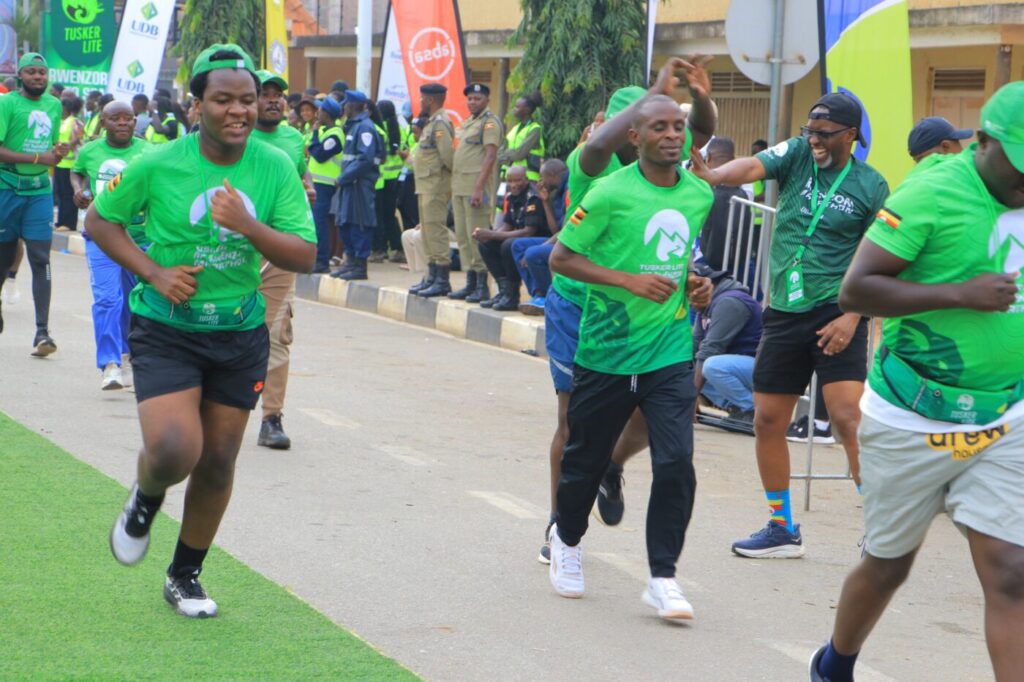
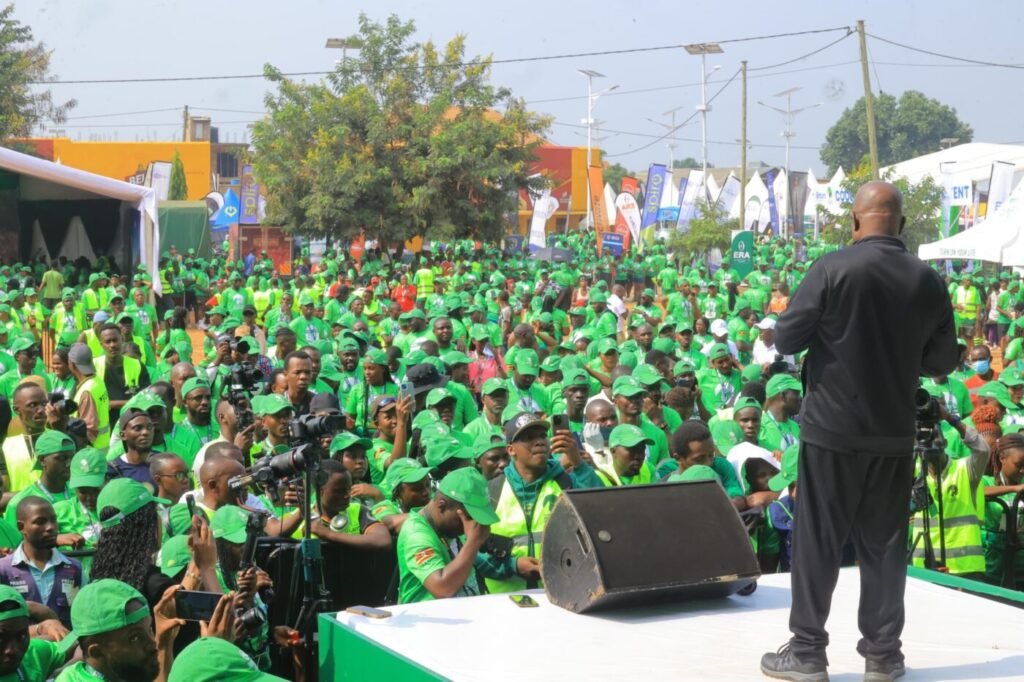
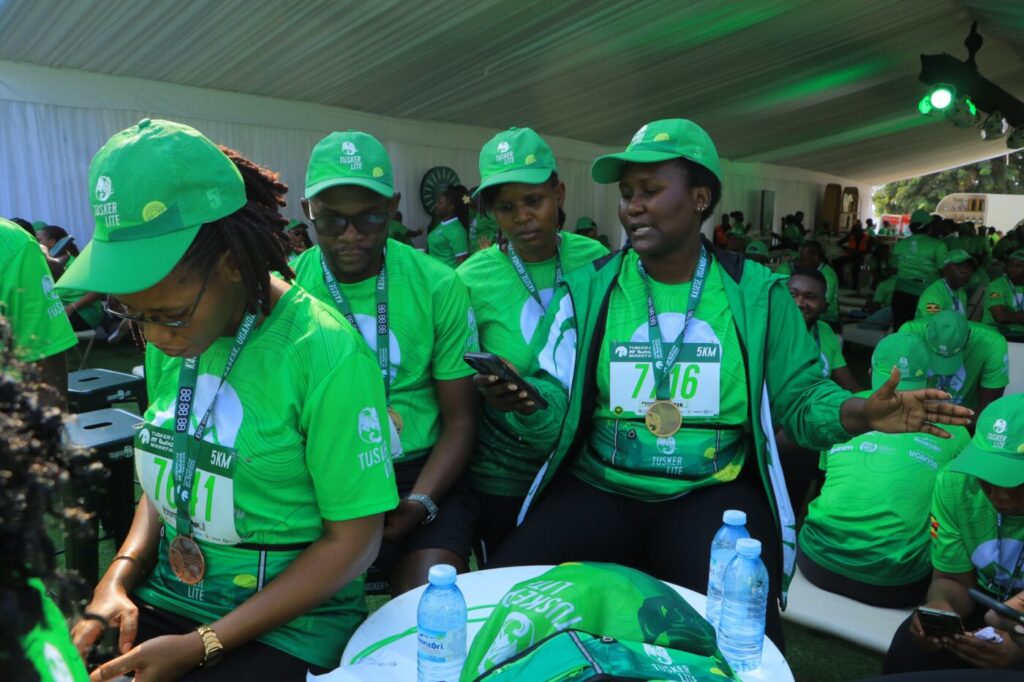
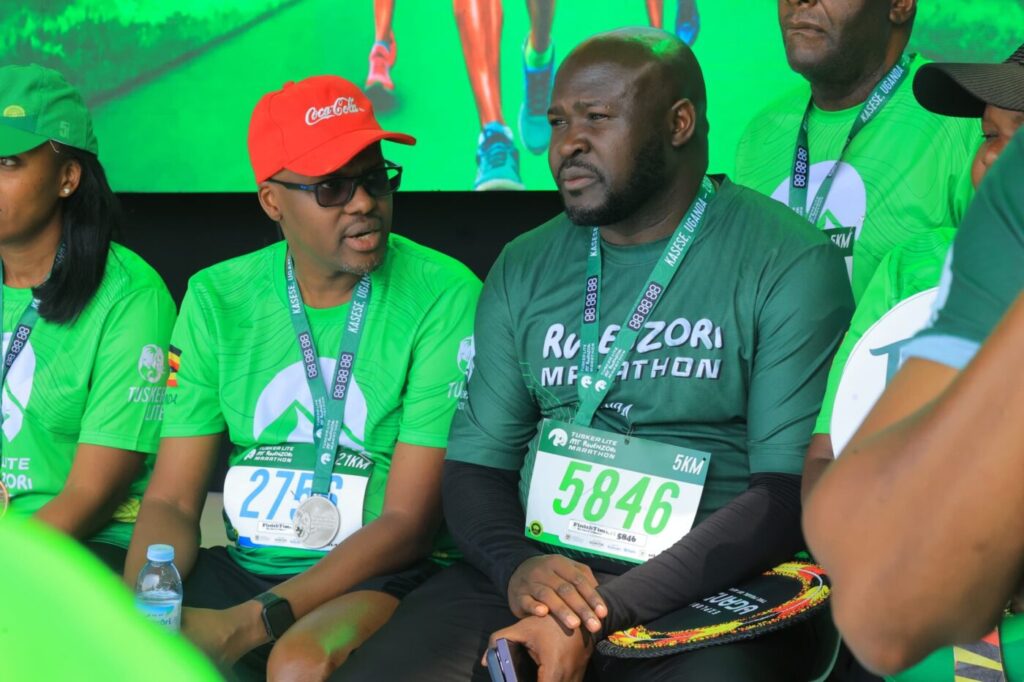
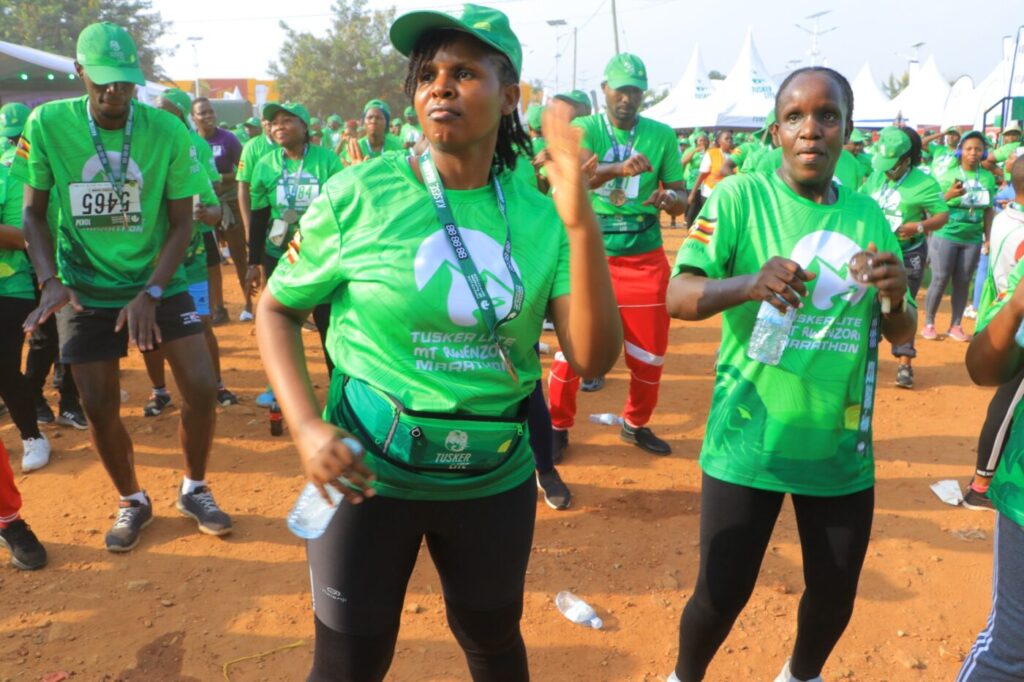
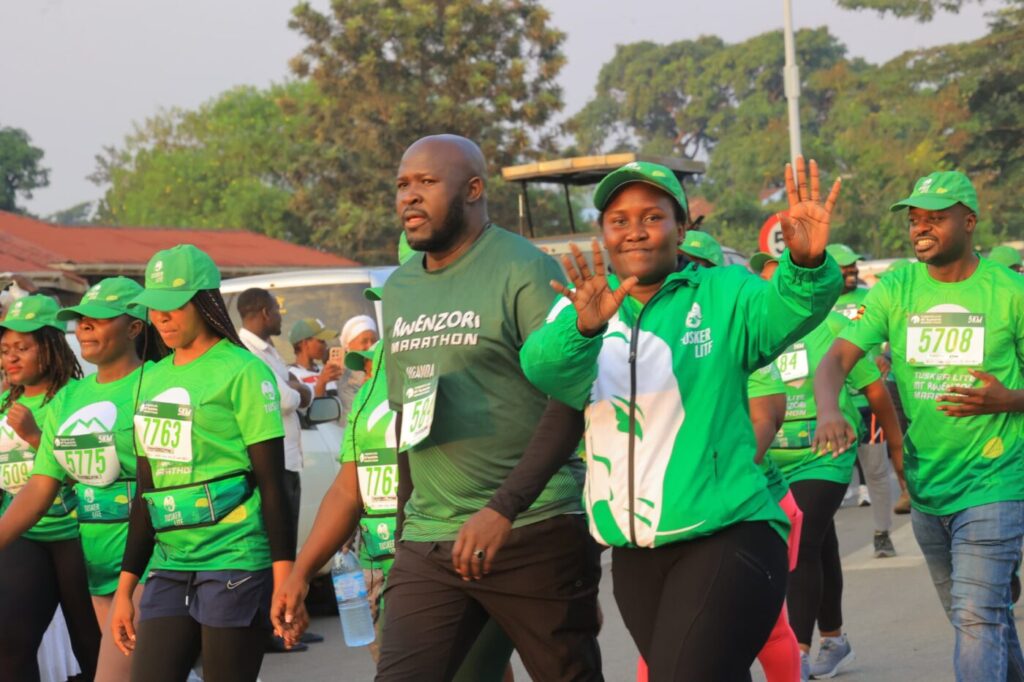
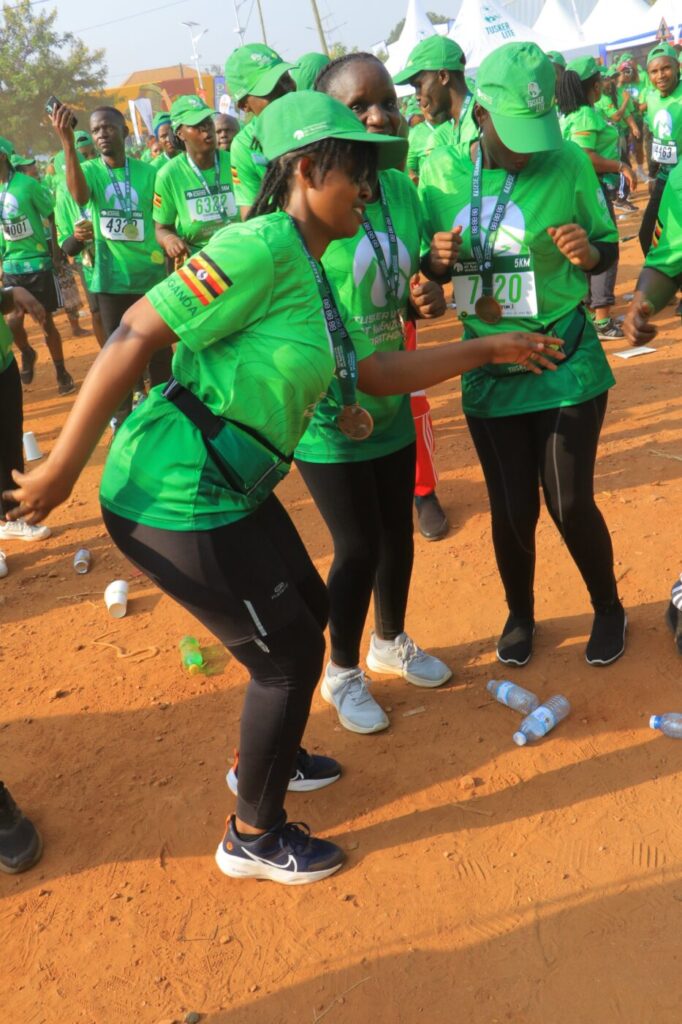
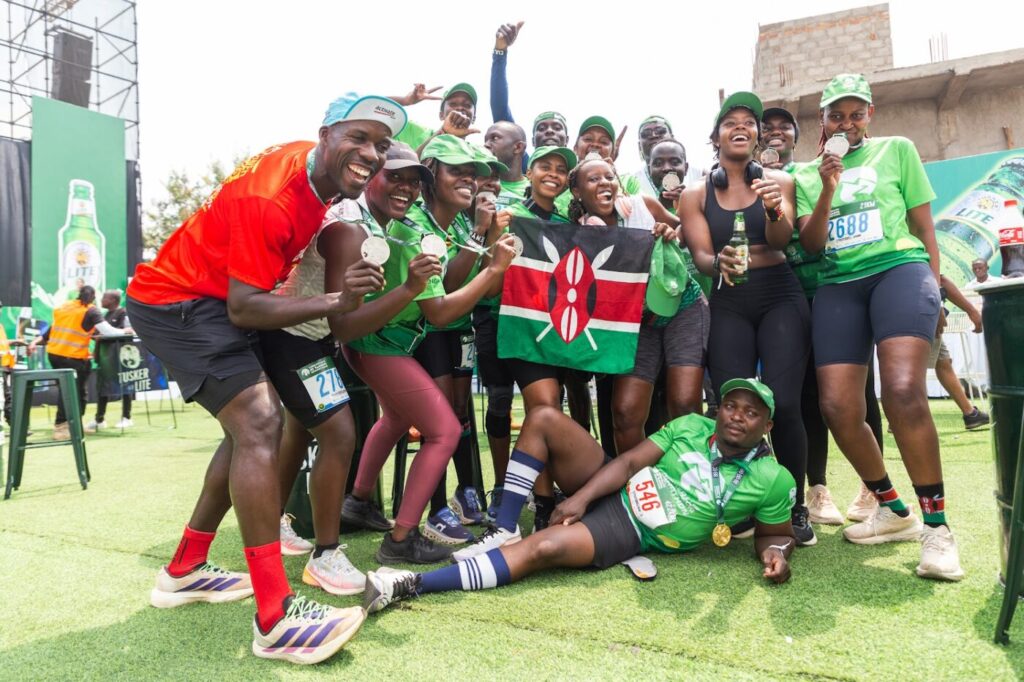
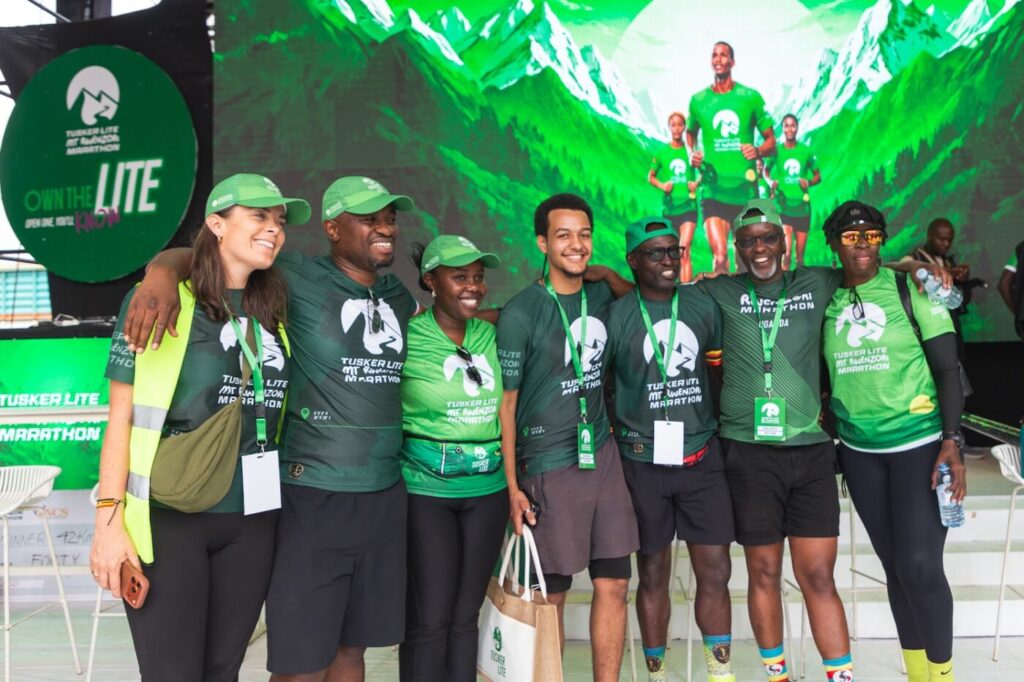
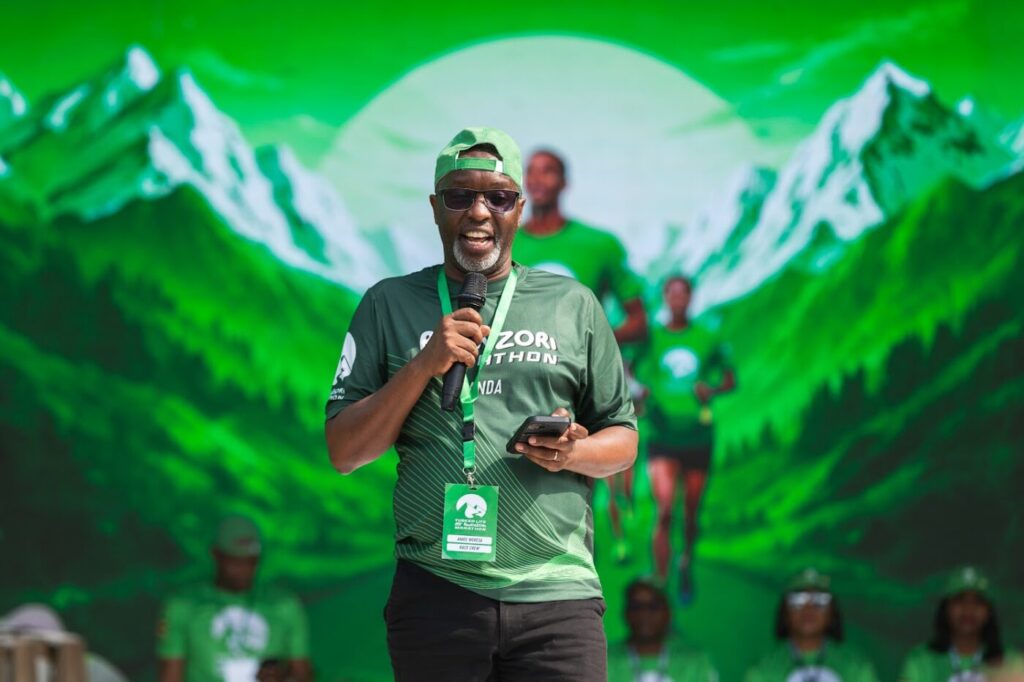
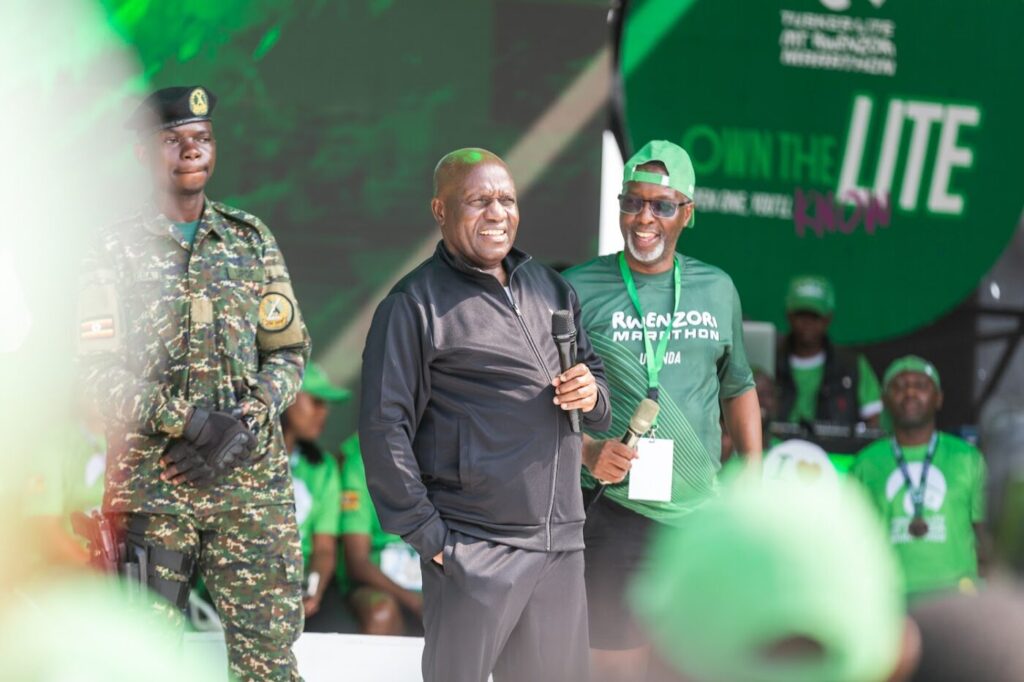
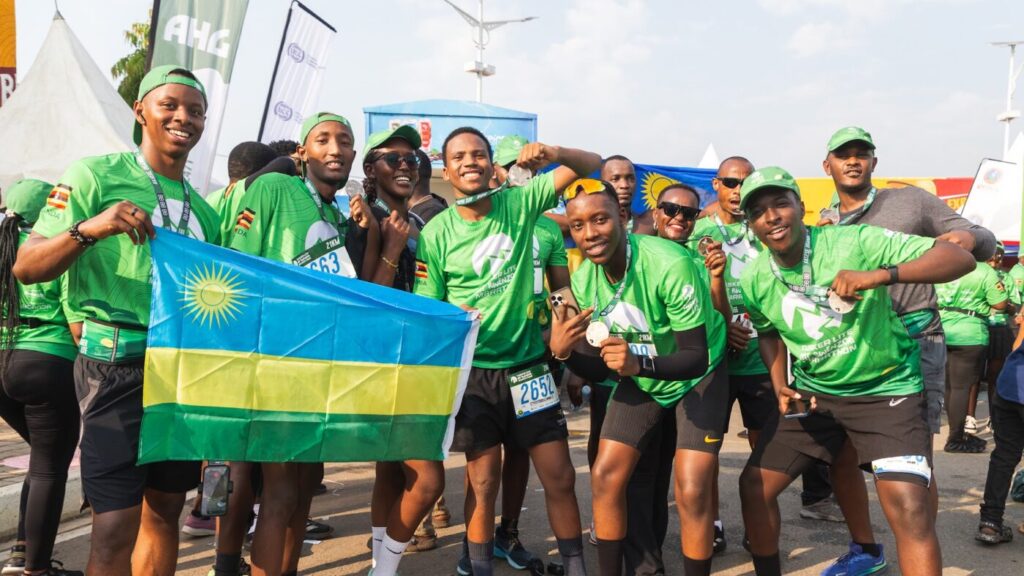
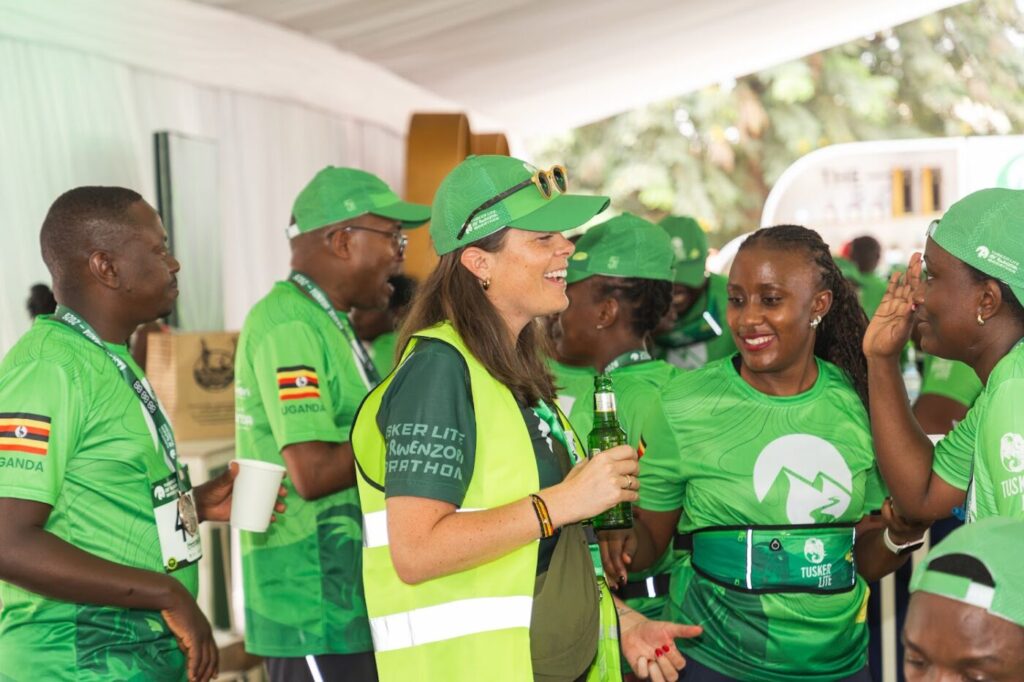
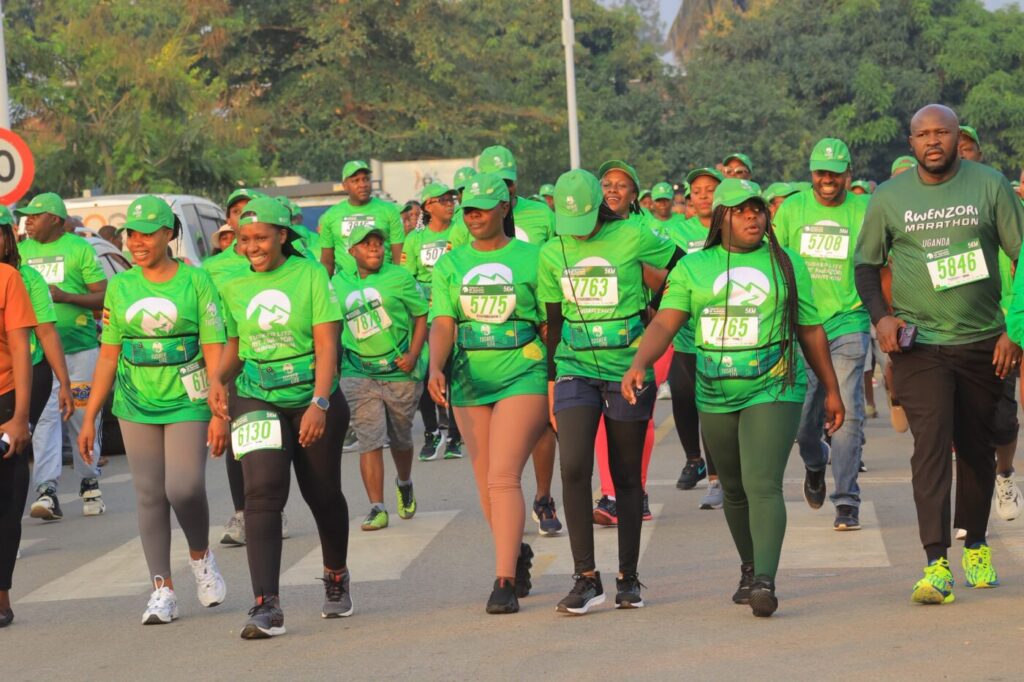
Photo Credit: Owen Benjamin Lekuni and Herbert Sekatawa