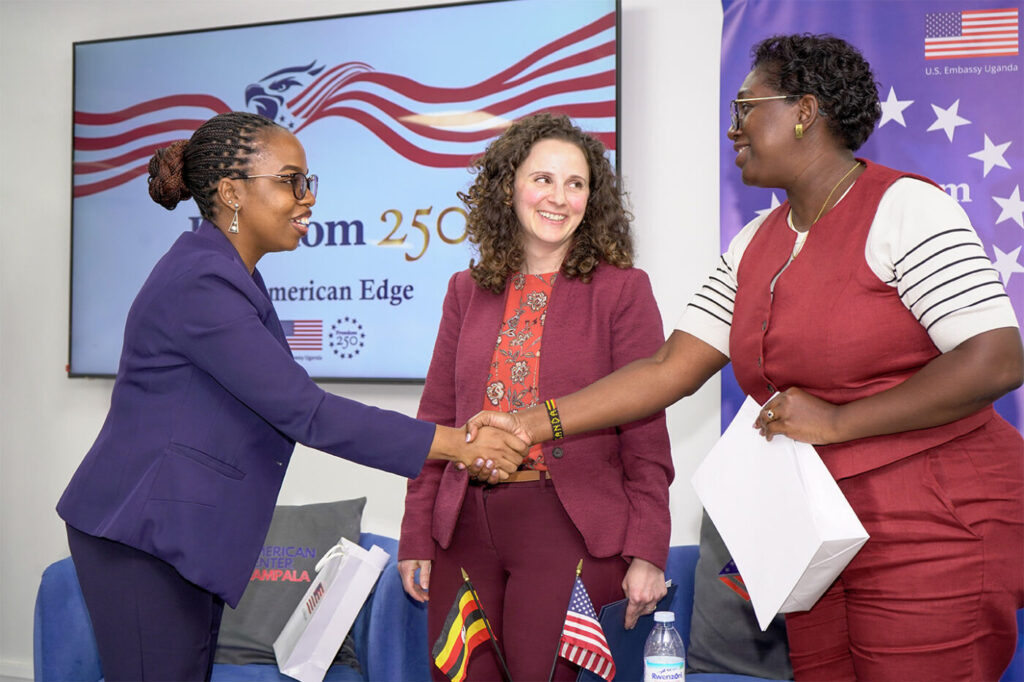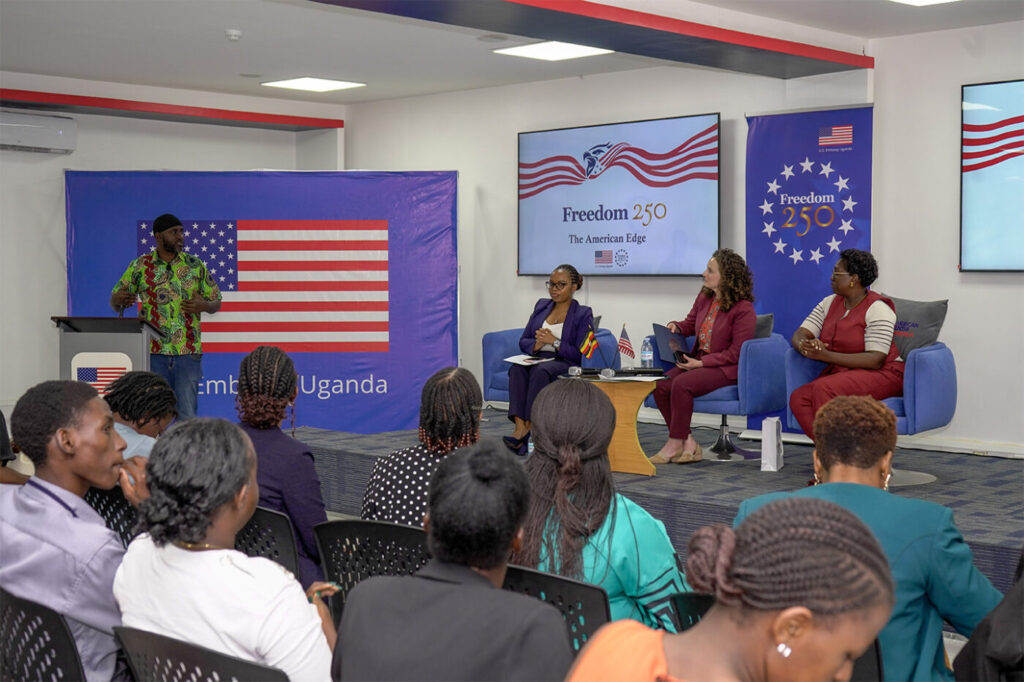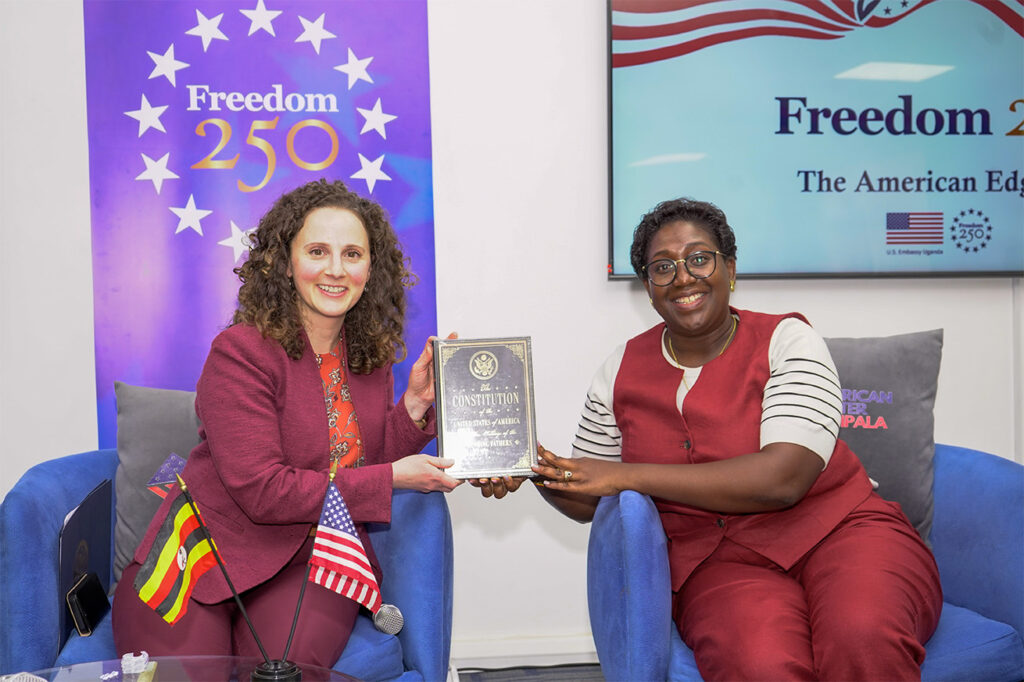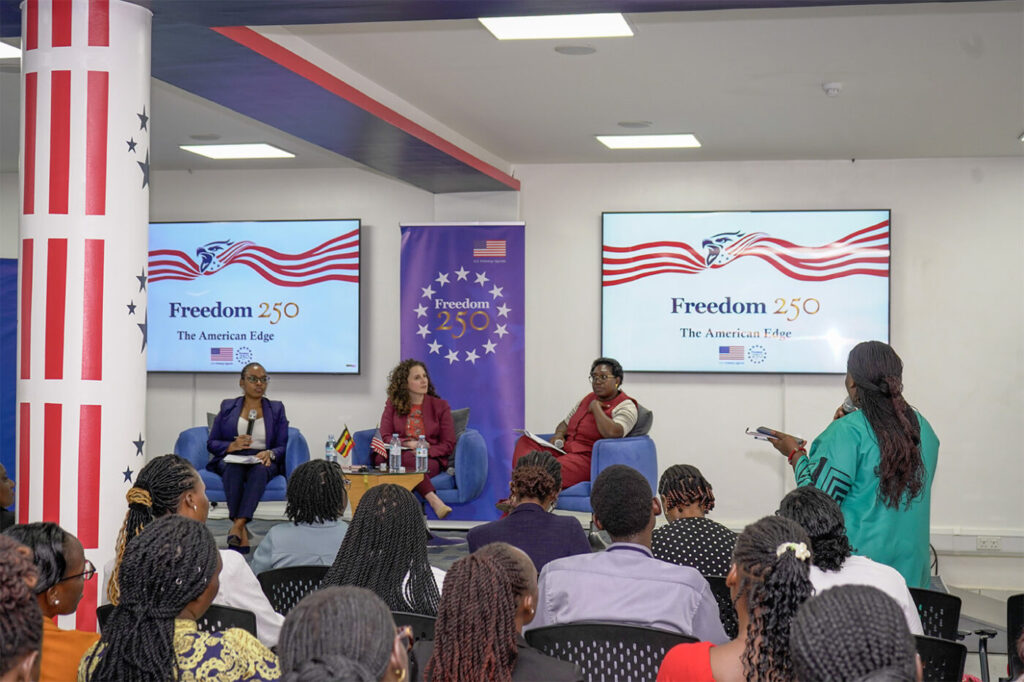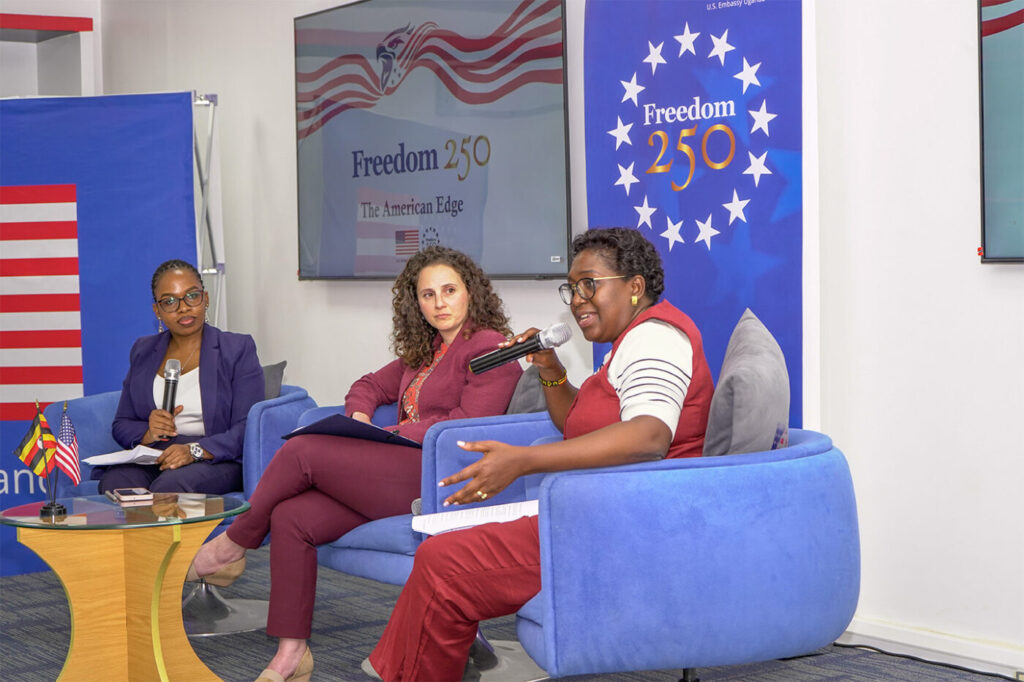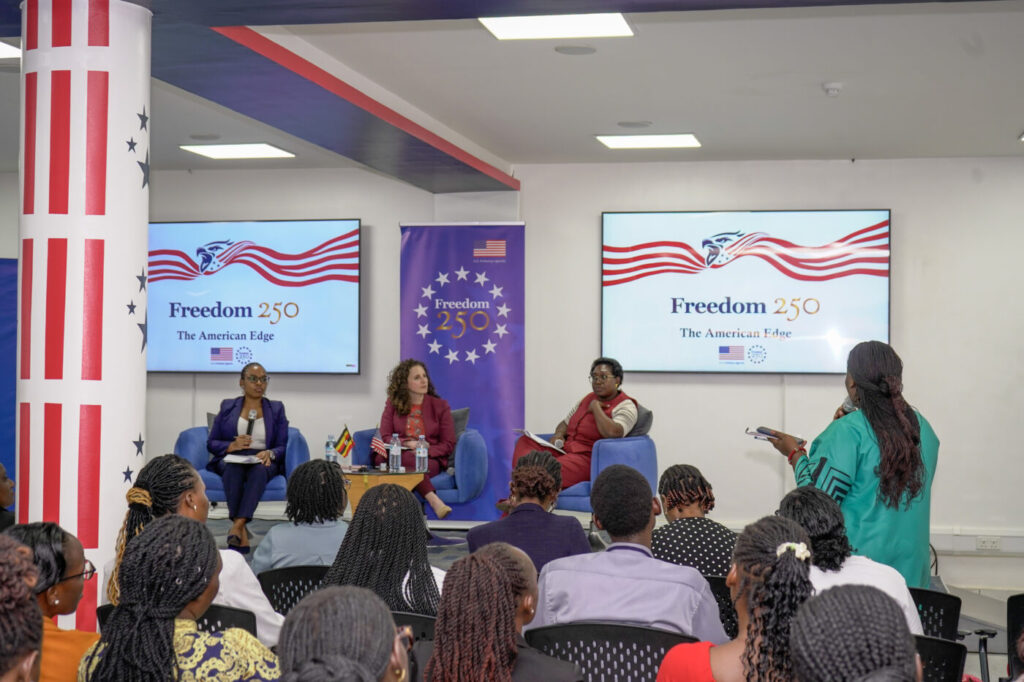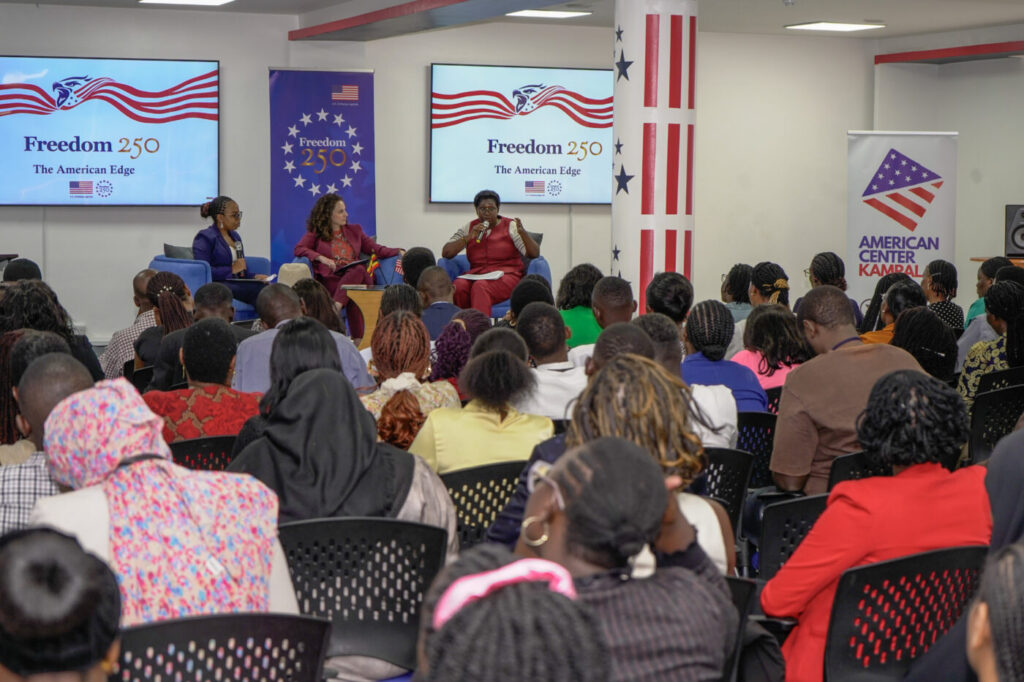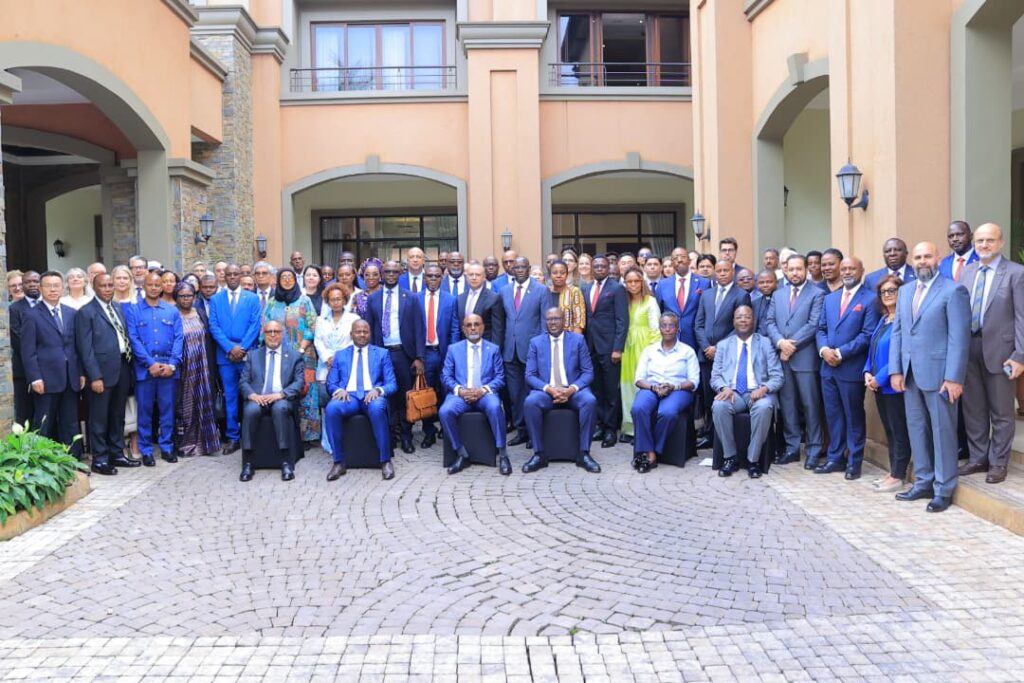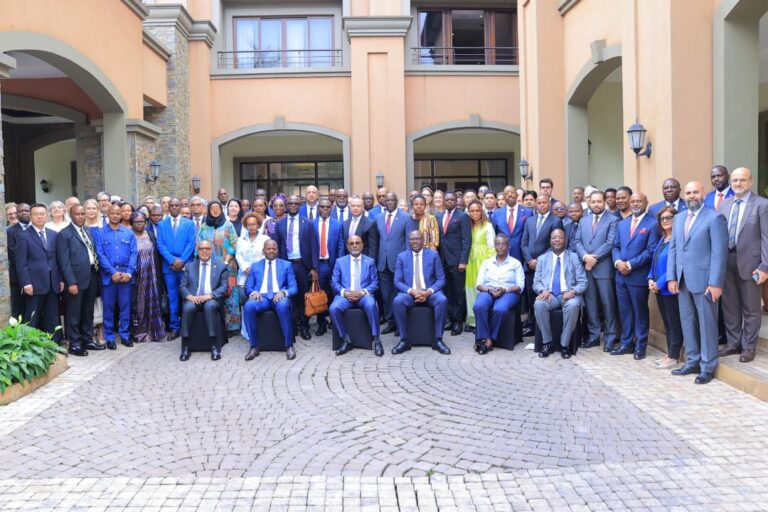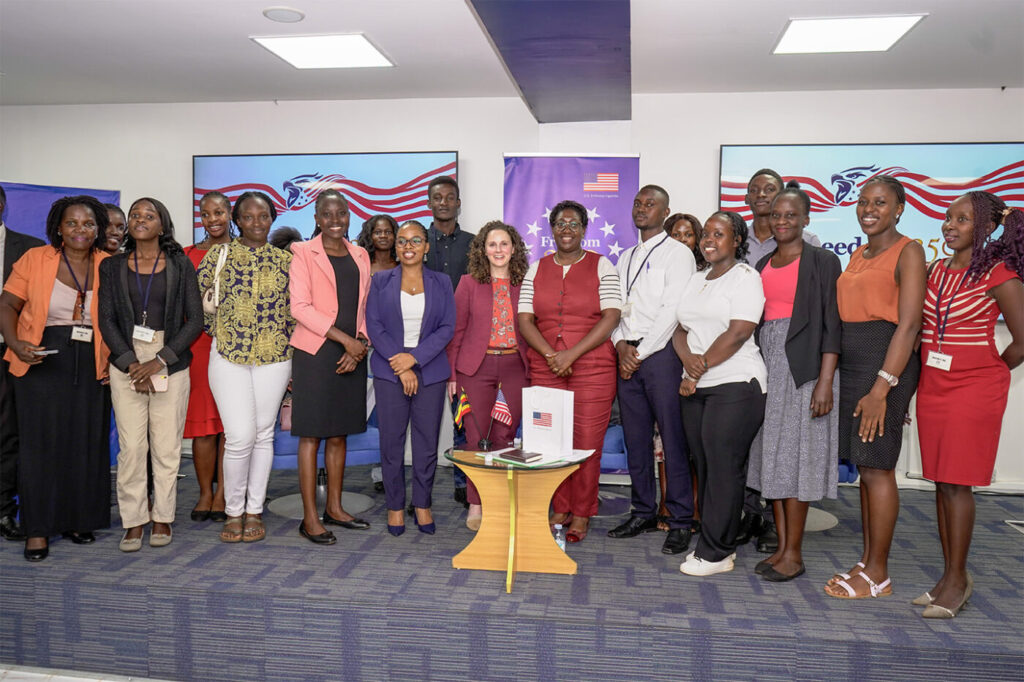
Kampala, Uganda – The American Center Kampala, in partnership with the Center for Policy & Strategic Studies (CPSS), convened a high-level dialogue titled “Beyond the Brief: Women in Diplomacy”, bringing together 108 participants to examine the evolving role of women in diplomacy and their growing contribution to international relations, foreign policy, and global governance.
The event served as a platform for meaningful engagement among diplomats, policymakers, students, researchers, and emerging foreign policy professionals on the importance of inclusive diplomacy in addressing increasingly complex global challenges. As diplomacy continues to evolve beyond traditional state-to-state engagement, the discussion underscored the strategic value of diverse leadership in shaping more responsive and effective foreign policy.
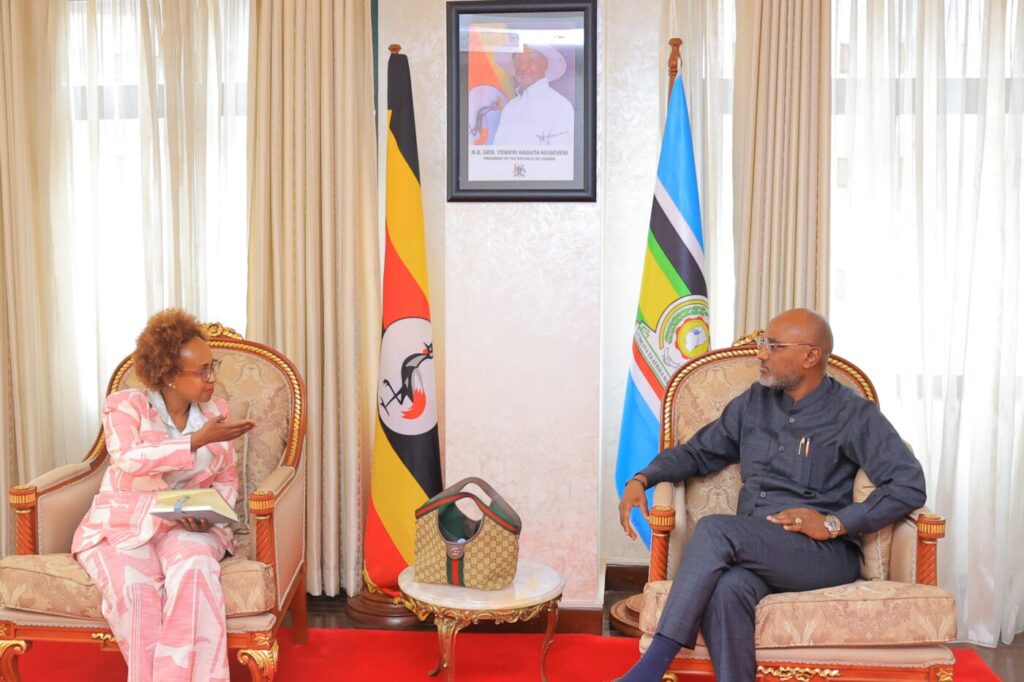
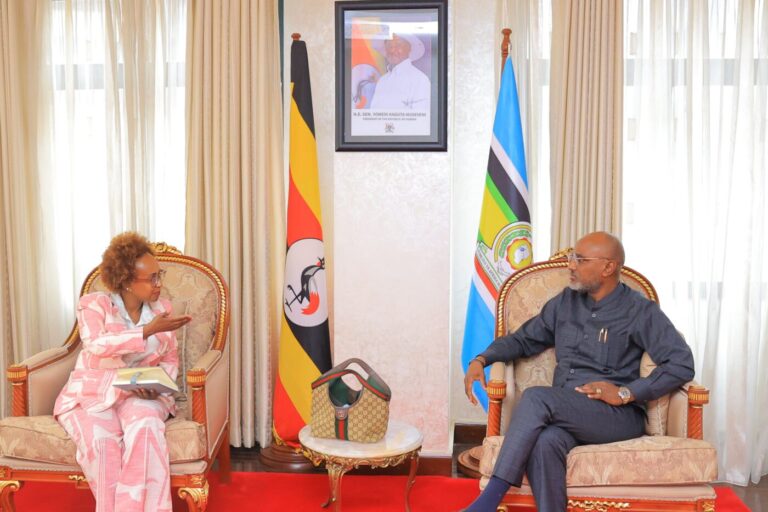
Moderated by Foreign Policy Executive Program (FPEP) alumna Charity Byarugaba, the panel featured Margaret Kafeero, the outgoing Head of Public Diplomacy at Uganda’s Ministry of Foreign Affairs, alongside Yasmeen Hibrawi, Public Affairs Counselor at the United States Embassy in Uganda. Drawing on their extensive diplomatic experience, both speakers reflected on the changing landscape of diplomacy and the expanding opportunities for women to influence international affairs.
The discussion explored the transformation of diplomatic practice in an era characterized by geopolitical shifts, digital communication, economic diplomacy, climate action, public engagement, and multilateral cooperation. The panelists emphasized that modern diplomacy increasingly demands leadership grounded in strategic communication, negotiation, cultural understanding, and collaborative problem-solving qualities that continue to be strengthened through the growing participation of women across diplomatic services worldwide.
Margaret Kafeero shared reflections from her distinguished career in Uganda’s foreign service, highlighting the importance of public diplomacy in strengthening citizens’ understanding of foreign policy and projecting Uganda’s interests internationally. She noted that effective diplomacy today extends beyond official negotiations to include storytelling, public engagement, strategic partnerships, and fostering mutual understanding among nations.
Yasmeen Hibrawi highlighted the value of people-centered diplomacy in strengthening bilateral partnerships and promoting international cooperation. She observed that women continue to make significant contributions across diplomatic institutions by bringing diverse perspectives to policy discussions, conflict resolution, development cooperation, and international engagement.
Throughout the conversation, participants examined how mentorship, professional development, and inclusive institutional policies can help prepare the next generation of diplomats. The dialogue also encouraged young professionals to pursue careers in diplomacy, emphasising that leadership in foreign affairs is strengthened when institutions create opportunities based on merit, competence, and equal participation. The event reflected a broader global commitment to advancing gender-responsive diplomacy and supporting the meaningful participation of women in decision-making processes. Such conversations contribute to strengthening diplomatic institutions by fostering leadership that reflects the diversity of the societies they represent.
As Uganda continues to advance its foreign policy priorities through bilateral, regional, and multilateral engagement, initiatives such as Beyond the Brief reinforce the importance of investing in inclusive diplomacy, strategic dialogue, and capacity-building. By providing a platform for experienced diplomats to share knowledge with emerging practitioners, the forum reaffirmed that the future of diplomacy depends not only on strengthening institutions but also on empowering the diverse voices that shape international cooperation and sustainable development.