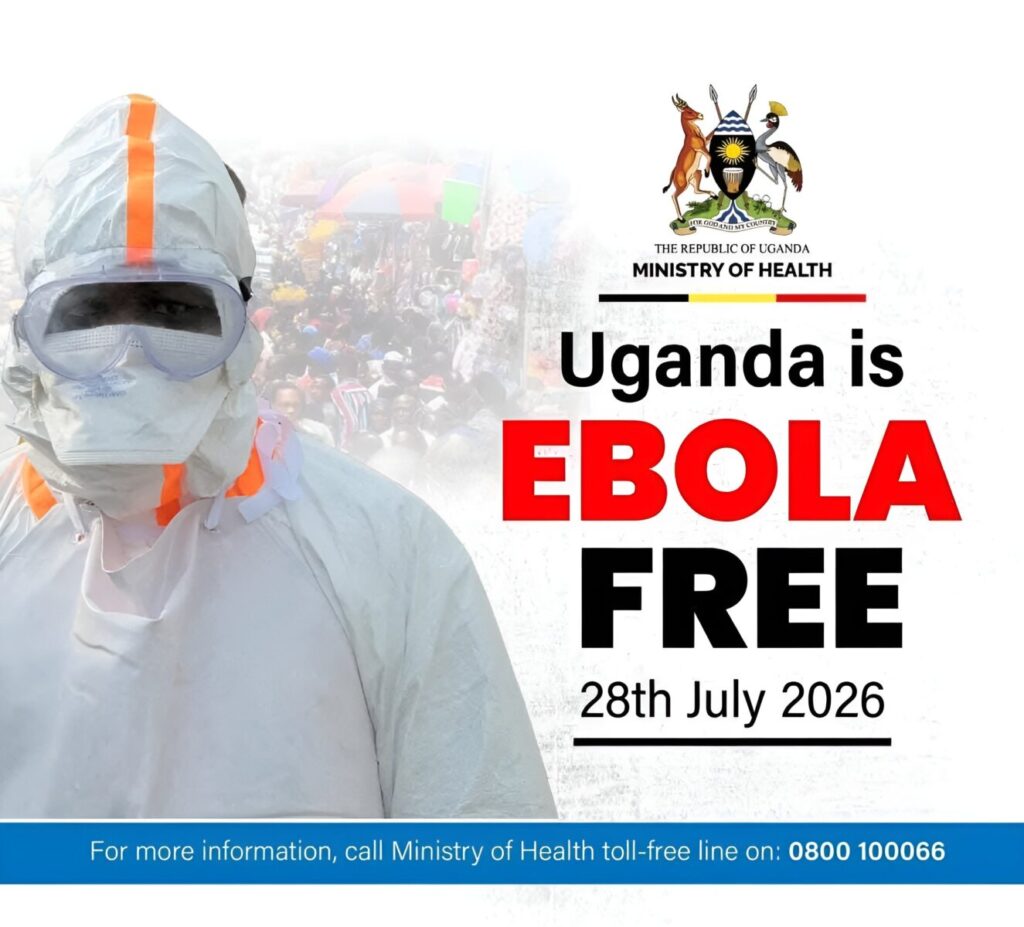
Kampala, Uganda – Uganda officially declared the end of the 2026 Ebola Disease outbreak after successfully after discharging the last patient without recording any new infections. The declaration by the Ministry of Health marks not only the successful interruption of transmission within Uganda but also underscores the country’s growing role as a regional leader in epidemic preparedness, emergency response, and health diplomacy.
The announcement follows the discharge of the last locally transmitted patient on 16 June 2026, after which the Ministry of Health maintained enhanced nationwide surveillance, rigorous laboratory testing, active case investigation, and community monitoring. The absence of any new confirmed cases during the surveillance period fulfilled international public health requirements for declaring the outbreak over.
The 2026 outbreak represented a distinct epidemiological event. According to the Ministry of Health, it resulted from a fully documented importation of the Bundibugyo Ebola Virus Disease (BVD) from the Democratic Republic of Congo (DRC). Health authorities successfully established the source of infection, reconstructed transmission chains, linked all confirmed cases epidemiologically, and ensured that every identified contact completed the mandatory 21-day monitoring period without evidence of unexplained community transmission.
Uganda declared the outbreak on 15 May 2026 following confirmation of imported cases from the DRC. In total, 20 confirmed cases were recorded, comprising 15 imported infections and five Ugandan healthcare workers who contracted the virus while caring for patients. Eighteen patients recovered, while two succumbed to the disease.
The successful containment of the outbreak reflected years of sustained investment in strengthening Uganda’s public health architecture. Enhanced laboratory capacity, rapid diagnostic systems, digital surveillance platforms, real-time contact tracing, genomic sequencing, and an integrated Incident Management System enabled health authorities to rapidly detect, isolate, investigate, and interrupt transmission. Genomic analysis further confirmed that the circulating pathogen was a distinct Bundibugyo virus variant, contributing valuable scientific data to regional and global disease surveillance efforts.
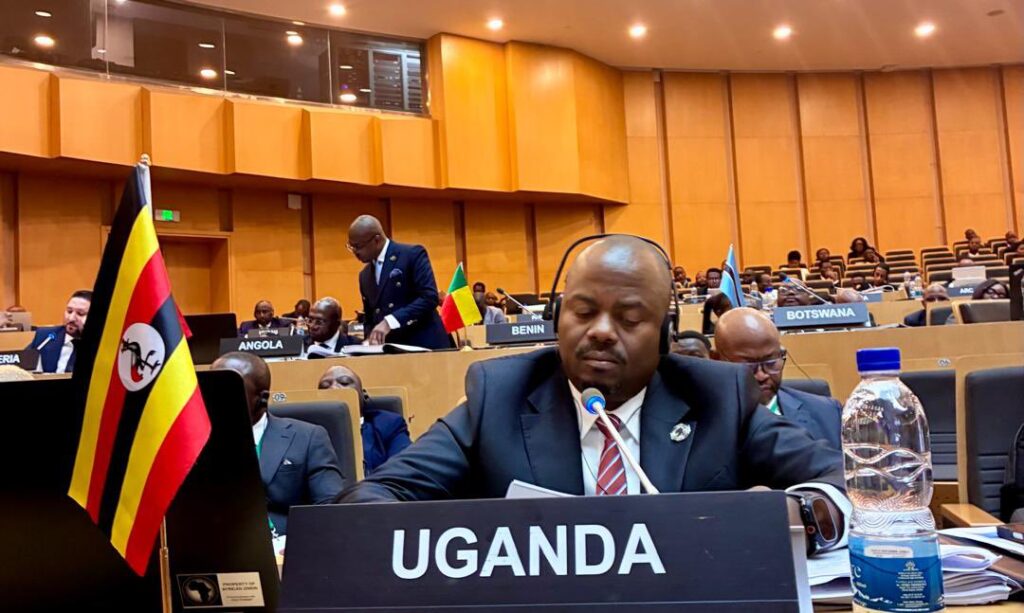
Beyond protecting its own population, Uganda continued to demonstrate its commitment to regional and continental health security. During the outbreak, the Government deployed a multidisciplinary team of epidemiologists, clinicians, laboratory scientists, surveillance officers, and infection prevention specialists to support response efforts in the Democratic Republic of Congo, where transmission continued in Ituri Province. Working alongside Congolese health authorities, the World Health Organization (WHO), Africa Centres for Disease Control and Prevention (Africa CDC), and other international partners, the Ugandan team contributed to strengthening surveillance systems, laboratory diagnostics, infection prevention and control, contact tracing, and clinical case management.
This intervention reflected Uganda’s recognition that infectious disease outbreaks transcend national boundaries and require coordinated regional responses. As a country sharing extensive borders and significant population movement with neighbouring states, Uganda has consistently advocated for strengthened cross-border surveillance, timely information sharing, joint preparedness planning, and collective action as central pillars of regional health security.
The Ministry of Health attributed the successful conclusion of the outbreak to the coordinated efforts of frontline healthcare workers, district local governments, community health workers, security agencies, researchers, development partners, the media, and local communities whose vigilance and cooperation were instrumental throughout the response. The Ministry also expressed appreciation to H.E. President Yoweri Kaguta Museveni for his leadership and continued support in mobilising national resources during the emergency.
Although the outbreak has officially ended, the Ministry emphasised that vigilance remains essential. Uganda will continue strengthening disease surveillance systems, maintaining rapid response capacity, investing in resilient health infrastructure, and enhancing cross-border collaboration to safeguard national and regional health security against future public health threats.
The declaration of the end of the outbreak therefore represents more than a public health milestone. It reflects Uganda’s commitment to evidence-based policymaking, resilient health systems, and international solidarity in addressing transboundary health challenges. As global health threats become increasingly interconnected, Uganda’s response demonstrates how national preparedness, scientific capacity, and regional cooperation remain indispensable to protecting lives and advancing sustainable development across Africa.