INDORE, INDIA
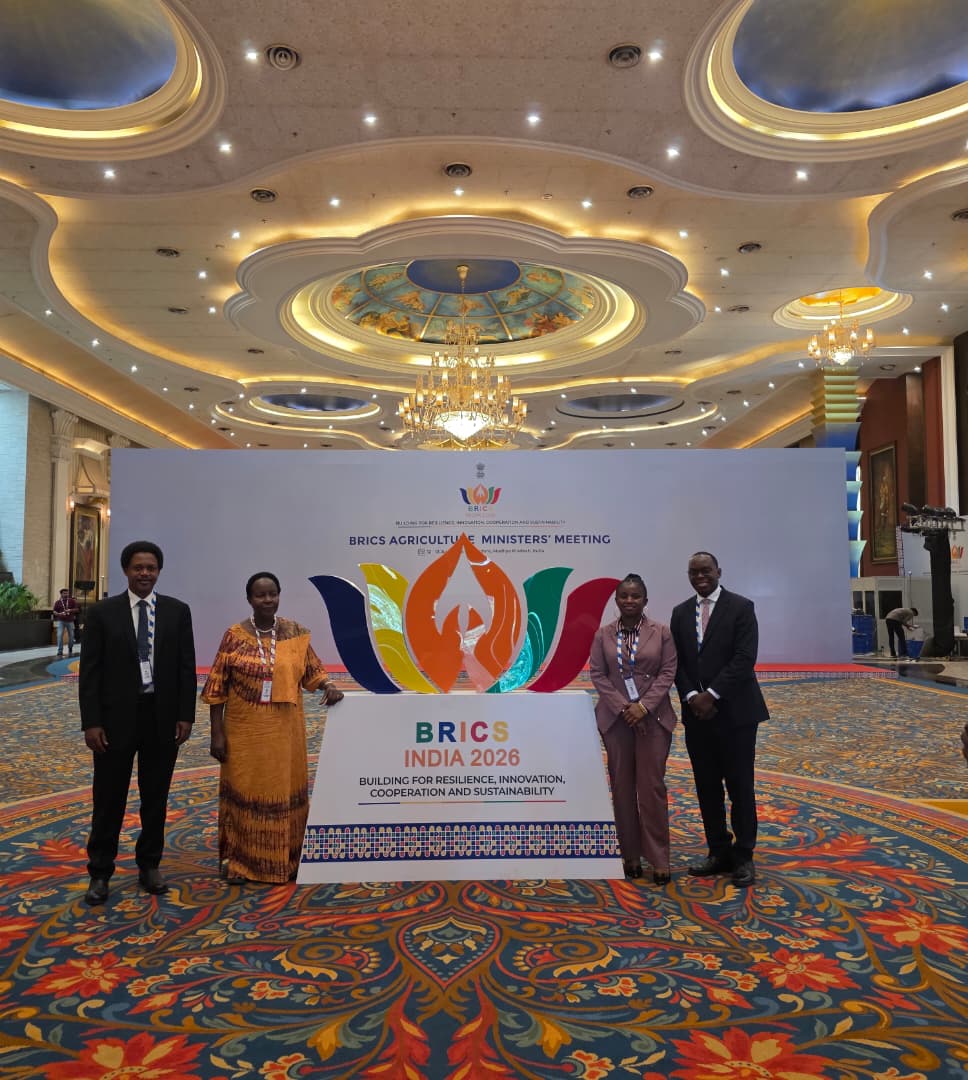
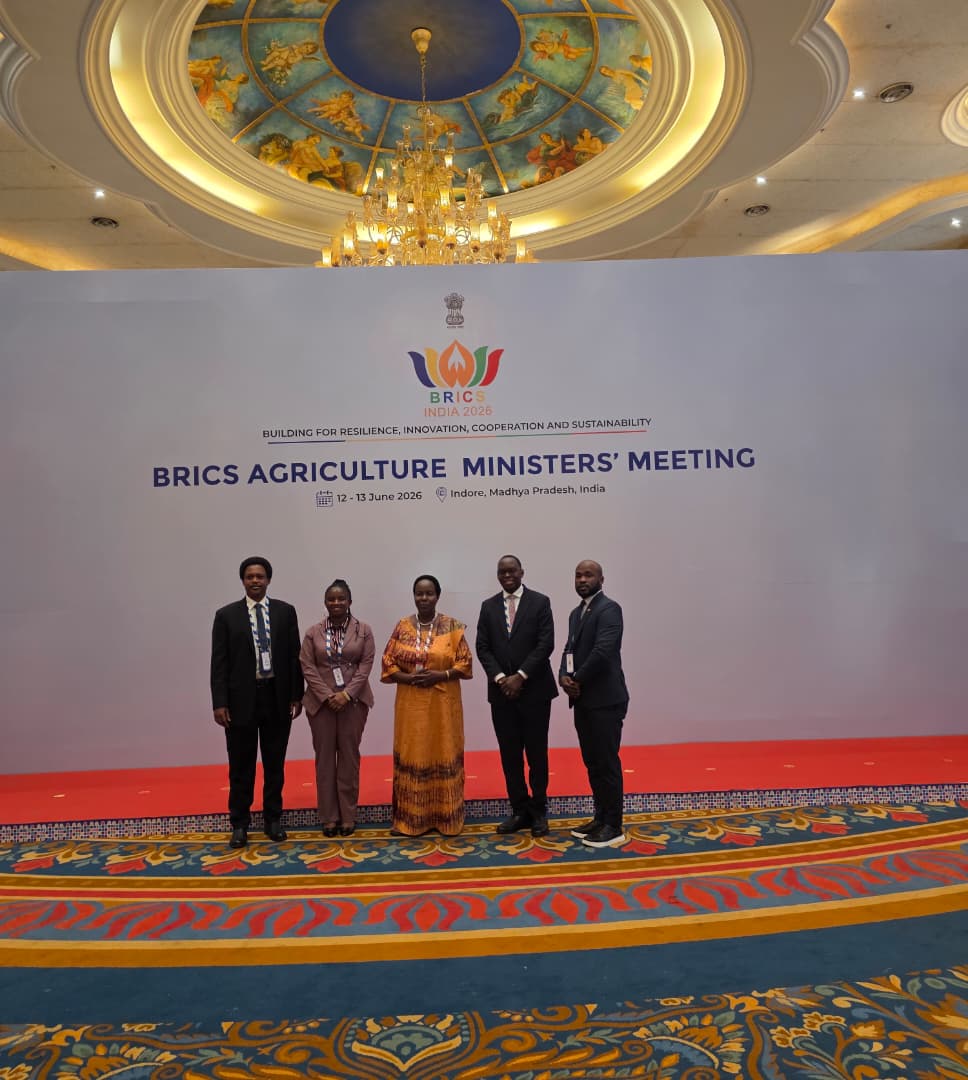
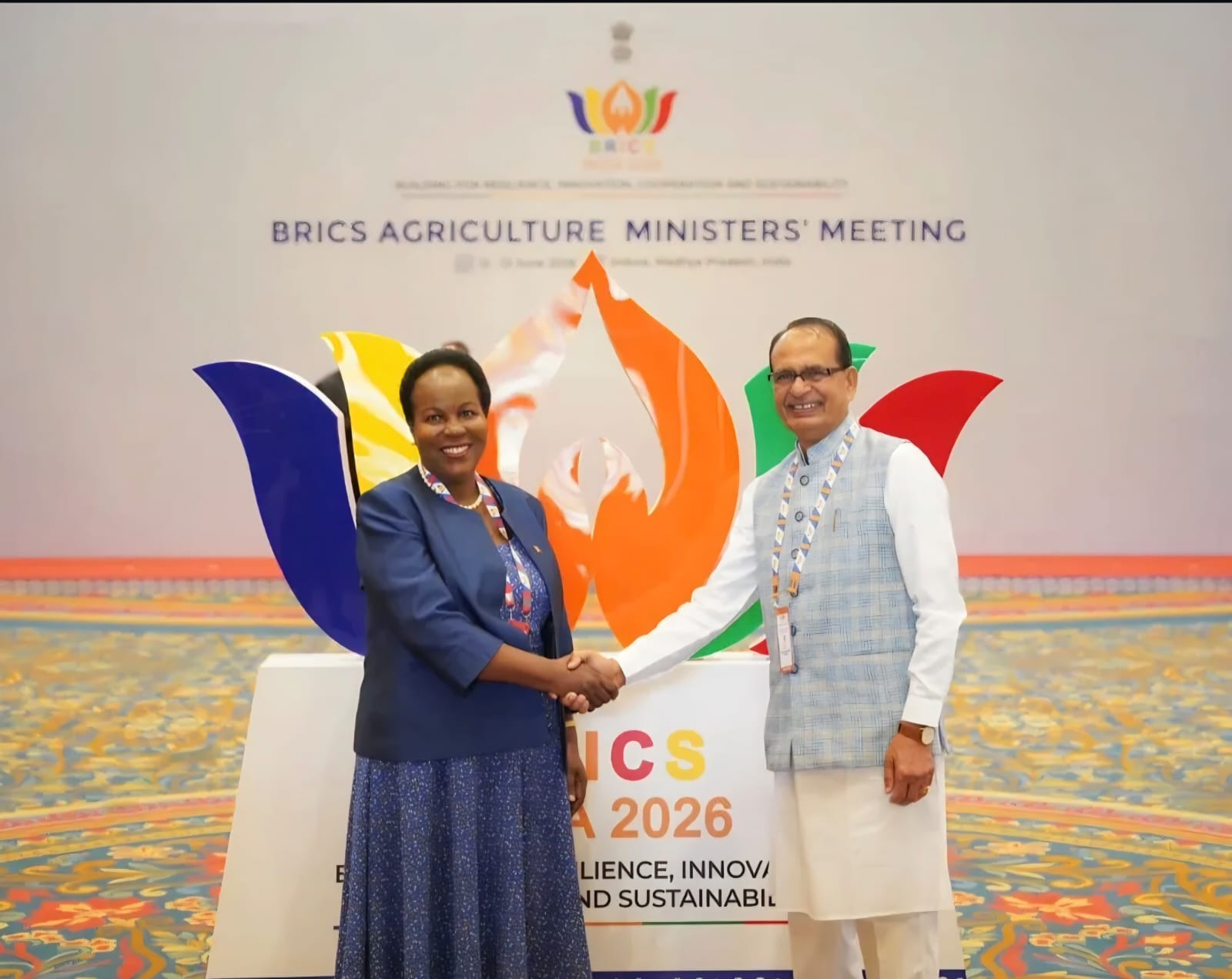
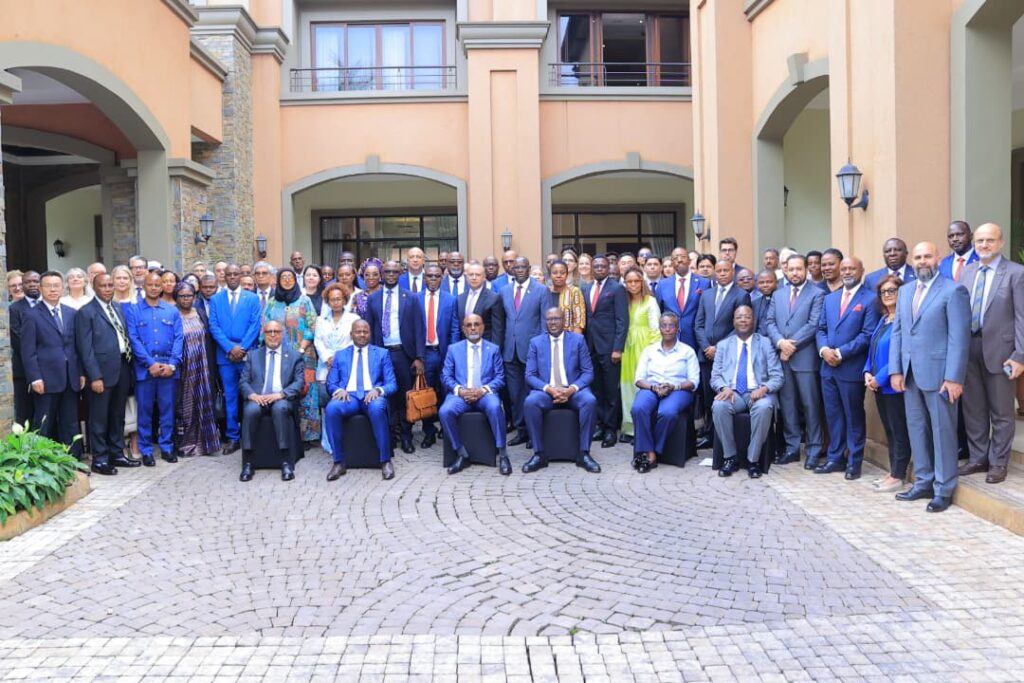
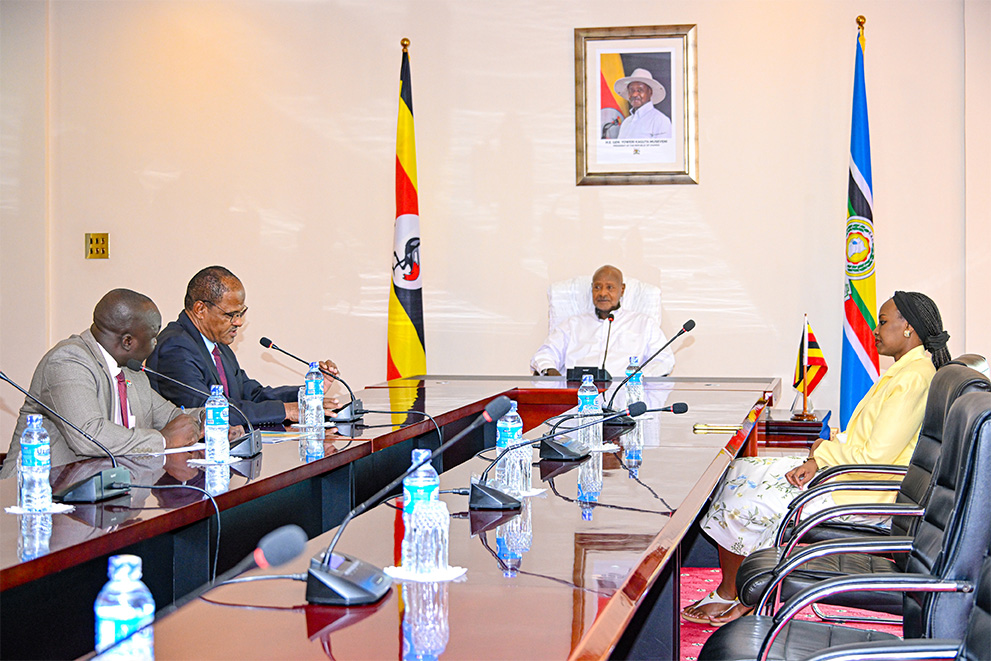
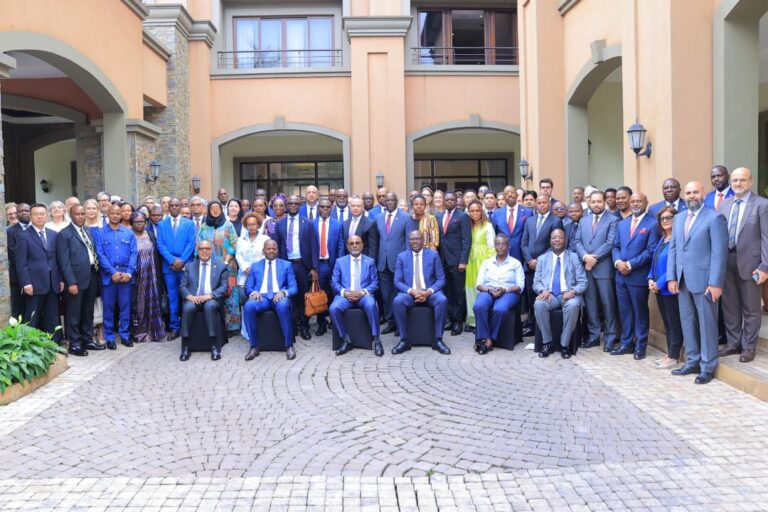
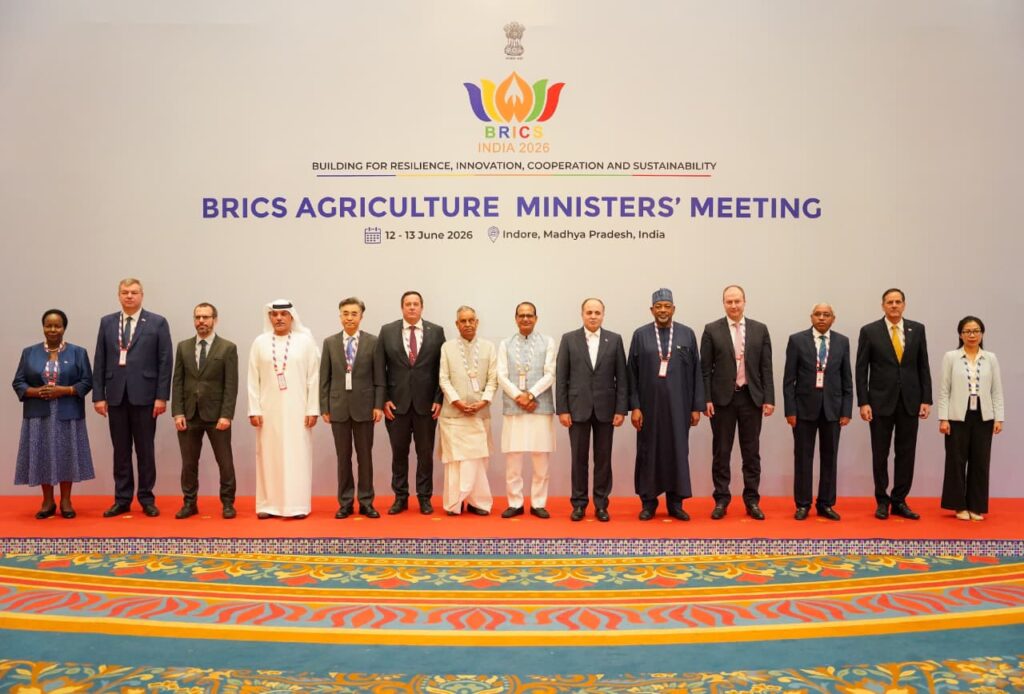
Agriculture Ministers and representatives from BRICS member states convened in Indore, India, for the 16th BRICS Agriculture Ministers’ Meeting under India’s 2026 BRICS Chairship. Held under the theme, “Building for Resilience, Innovation in Agriculture, Cooperation, and Sustainability (BRICS),” the meeting focused on strengthening global food security, promoting sustainable agricultural development, and improving rural livelihoods through enhanced cooperation and innovation.
The meeting was convened against the backdrop of growing global challenges affecting agriculture, including climate change, biodiversity loss, land and water degradation, supply chain disruptions, market volatility, and persistent food insecurity. Recognising their collective responsibility as major agricultural producers, consumers, and exporters, the Ministers emphasised the need for coordinated action to build resilient food systems while ensuring that farmers remain at the center of agricultural transformation.
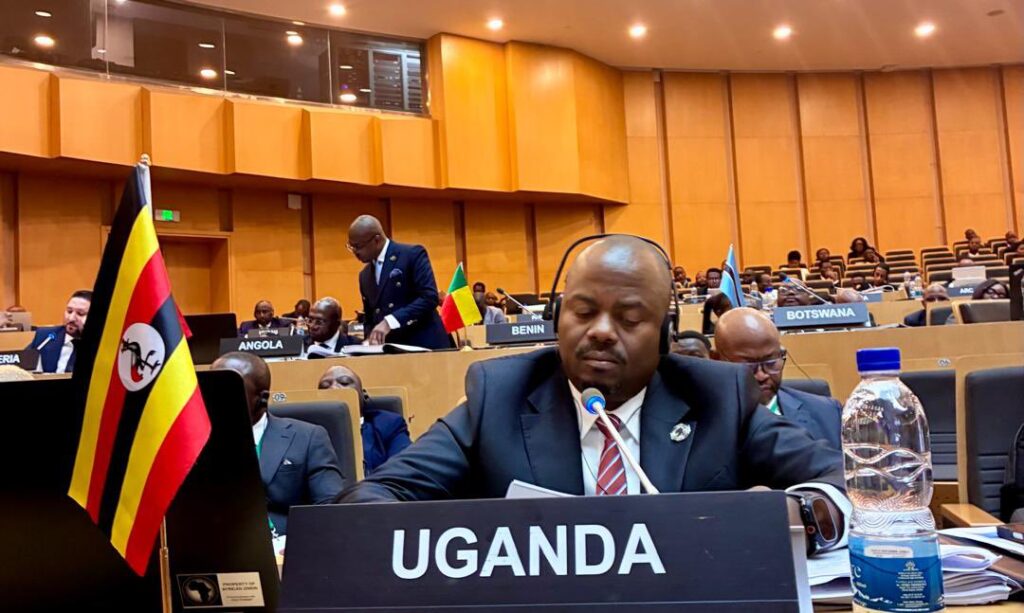
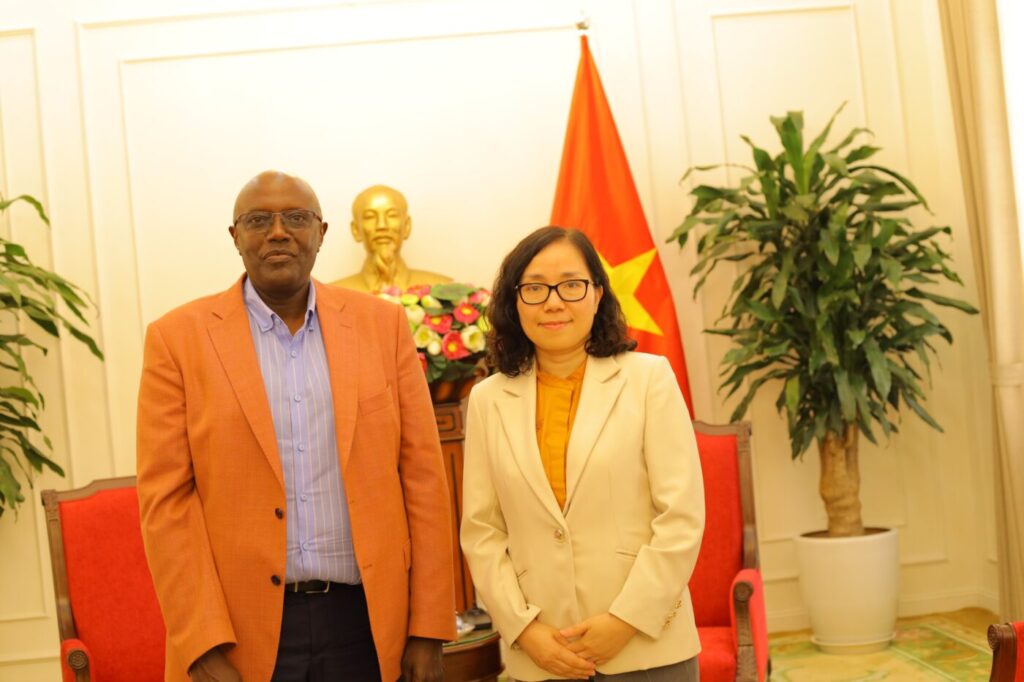
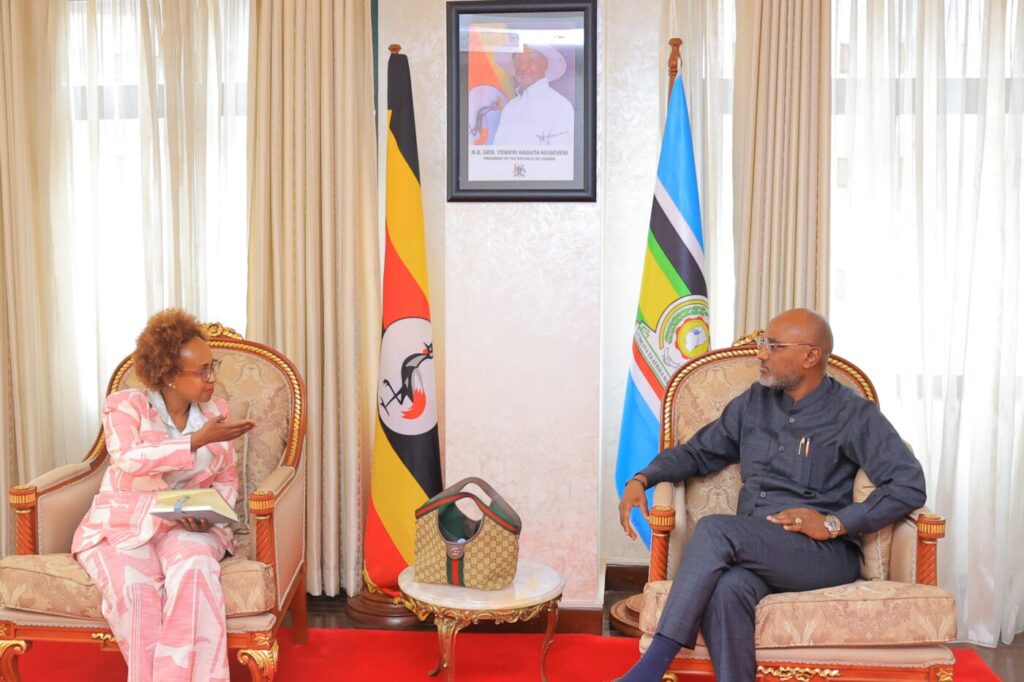
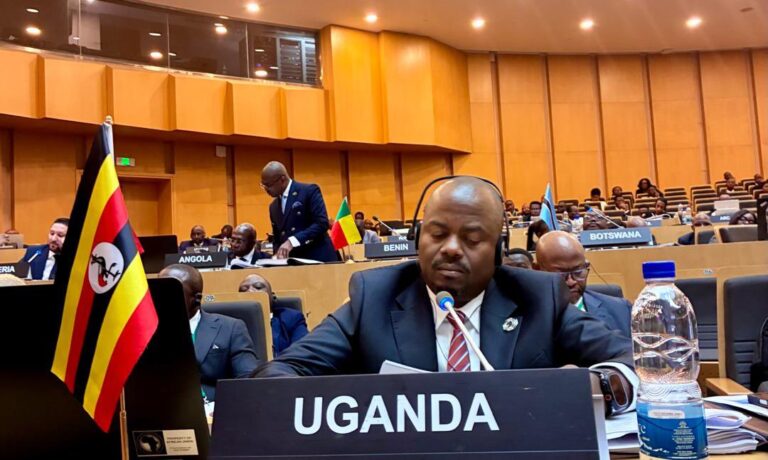
Representing the Republic of Uganda, Amb. Prof Joyce Kakuramatsi Kikafunda, High Commissioner of Uganda to India, highlighted the importance of strengthening support for smallholder farmers, women, and youth as critical drivers of food security and rural development. She welcomed the BRICS’ focus on farmer-centered livelihoods and resilience, noting that smallholder farmers constitute more than 70 percent of the country’s farming population.
Amb. Kikafunda emphasised the need to improve access to affordable financing, quality agricultural inputs, modern technologies, climate-resilient innovations, digital solutions, and markets, particularly for smallholder and family farmers. She noted that transforming subsistence farming into commercial, market-oriented agriculture is essential for creating a competitive and profitable agricultural sector capable of empowering farmers as agripreneurs.
The meeting underscored the vital role of women and youth in agriculture with Uganda reaffirming its commitment to gender-responsive agricultural policies, expanded access to credit for women, and support for women-led cooperatives. Uganda welcomed the designation of 2026 as the International Year of the Woman Farmer and called for stronger collaboration to promote women’s leadership and digital inclusion across agricultural value chains.
To strengthen cooperation among BRICS countries, participants supported strategic initiatives including the Global Forum on Farmers’ Rights in Seed Systems, the BRICS AGRIN (Agro-Inputs, Genetic Resources and Information Network), and the expansion of the BRICS Agricultural Research Platform (BARP). These initiatives are expected to enhance research collaboration, innovation, knowledge sharing, and access to quality agricultural inputs.
Uganda further reaffirmed its support for climate-smart agriculture, agro-ecology, sustainable land and water management, and the use of digital technologies such as artificial intelligence, satellite monitoring, and geospatial intelligence to improve agricultural productivity and resilience. The country also called for stronger cooperation on digital agriculture, climate-resilient farming, financing for women and youth, and expanded South-South knowledge exchange.
The meeting concluded with the adoption of a Joint Declaration reaffirming BRICS’ commitment to building resilient, inclusive, and sustainable agricultural systems that improve livelihoods and contribute to global food security. Uganda expressed appreciation to the Government of India for its leadership during the 2026 Chairmanship and welcomed China’s assumption of the BRICS Chairmanship in 2027.